Unit 2: Lecture 13 - Air Pollution
 Call Kai
 Learn
 Practice Test
 Spaced Repetition
 Match
 Flashcards
 Knowt Play
1/11

There's no tags or description
Looks like no tags are added yet.
12 Terms
particulate matter
soot, smoke, and ash from fuel (mainly coal) combustion; dust released during industrial processes; other solids from accidental and deliberate burning of vegetation
generated by human activity largely derived from point sources
long residence time
ozone layer
protective layer that absorbs ultraviolet radiation
ozone near the equator
ozone production rates are most rapid here, a consequence of strong sunlight
while
total ozone levels is highest toward poles (natural production and destruction rates & atmospheric circulation patterns)
ozone holes
extreme thinning of this protective shield of atmospheric ozone
how do CFCs destroy ozone?
UV radiation strikes a CFC molecule = chlorine is released
chlorine attacks ozone = forms chlorine monoxide
chlorine is freed again to destroy more ozone
→
a single chlorine atom can destroy many ozone molecules
acid rain
rain that is more acidic than normal
caused mainly by atmospheric sulfuric acid
acid rain effects
contaminate water supplies
damages structures and outdoor sculptures through its corrosive effects
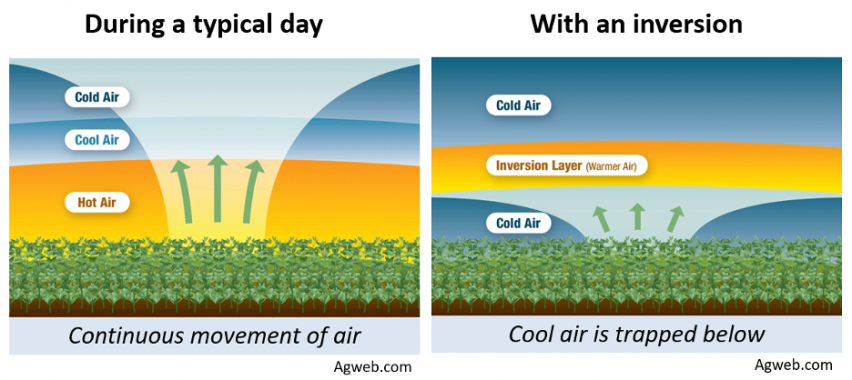
thermal inversion
NORMALLY: within the lower atmosphere, air temperature decreases as altitude increases. warm, pollutant-bearing gases rise through the cooler, denser air.
there is a zone of relatively warmer air at some distance above the ground. pollutant gases are trapped below this warmer air layer.
control methods: air-pollutant emissions
trap the pollutants at the source
convert dangerous compounds to less harmful ones before effluent release
control method: particulate matter
filters
control method: carbon monoxide and nitrogen oxides
modifying the combustion process
lower combustion temperatures minimize the production of nitrogen oxides and moderate the production of carbon monoxide
carbon sequestration
storing carbon in some reservoir to remove it from atmospheric circulation
biological means: enhance natural carbon sinks; ex: reforestation
physical means: inject CO2 into geologic reservoirs, dissolve it in the ocean, or pipe into sea floor