exam 1 - Suspensions and Solutions (PHM525)
 Call Kai
 Learn
 Practice Test
 Spaced Repetition
 Match
 Flashcards
 Knowt Play
1/53

There's no tags or description
Looks like no tags are added yet.
54 Terms
Compounding
prep, mixing, packaging + labeling of drug resulting from Rx
BUD for non-preserved aqueous
14 days
BUD for preserved aqueous
35 days
BUD Non-Aqueous oral liquid
90 days
BUD Non-Aqueous excluding oral liquid
180 days
heterogenous (disperse) systems
phase boundaries, contains 2-or-more distinct phases
<1nm (molecular)
not visible in e- microscope
passes through semi-permeable membrane
rapid diffusivity
b/w 1nm — 0.5 mcm (colloidal)
visible in e- microscope
does not cross semi-permeable membrane
slow diffusivity
>0.5 mcm (coarse)
visible under regular microscope
does not pass through filter paper or semi-permeable membranes
does not diffuse
Advantages of Solutions
improved compliance
less bioavailability problems
easy administration
less dose variation due to being homogenous
Disadvantages of Solutions
Least stable of all dosage forms
preservation is required
Solution
liquid preparations that contain one or more chemical substances dissolved in suitable solvent
Purified H20
most common solvent
Alcohol USP (94.9 - 96.0%)
antimicrobial at conc. > 12%
max limits on OTC
0.5% for children
5% for ages 6 -12
10% for adults and 12+
Rubbing alcohol (70% v/v) contains denaturants which discourages illegal removal of alcohol content for use as a beverage
Glycerin
solvent
clear, syrupy liquid with sweet taste
dissolves slowly
high viscosity
can be used as a stabilizer
acidic preservatives in disperse systems
not used in ophthalmic or parenteral use
methyl propyl, butyl paraben
neutral preservatives in disperse systems
chlorbutanol, benzyl alcohol
mercurial preservatives in disperse systems
thiomersal, nitromersol
quaternary ammonium compound preservatives in disperse systems
benzalkonium chloride
most common oral antimicrobial preservatives
alcohols and glycols
sweetners
sucrose (sugar)
liquid glucose (corn syrup)
saccharin (sodium + calcium salts)
viscosity enhancers (thickness)
hydroxypropyl methylcelluose (HPMC)
Flavors
MSG
salty (maple, apricot)
bitter (cherry, mint combinations)
sweet (fruits, berries, vanilla)
sour (citrus flavors, licorice)
oral rehydration solutions
effective in patients w/ mild volume depletion
do not mix with juice, milk (interacts w/ Ca2+)
Pedialyte, Rehydrate
Oral Colonic Lavage System
preparation for bowel procedures
balanced solution of electrolytes and polyethylene glycol (PEG)-3350
PEG works as an osmotic agent
Colyte, Trilyte
Mouthwashes and gargles
contains antiseptics, analgesics, deodorants, astringents
may include additives like alcohol, glycerin, synthetic sweeteners, surfactants
diluted with H20
Syrups
conc. aq solutions of sugar
not suitable for diabetics
glycerin and PEG for sweetness and viscosity
sugar @ high concentration creates hypertonic solution
not suitable for microbial growth (self-preserving)
Syrup USP → 85% sugar soln
Elixirs
sweet and clear hydro-alcoholic solutions
less sweet + viscous than syrups
alcohol is solvent, self-preserving
Tinctures
alcoholic and hydro-alcoholic soln prepared from vegetable material or chemical substances
alcohol content ranges 15-80%
Collodions
4% pyroxlin soln
3:1 mixture of ether to alcohol
occlusive protective coating on skin
highly flammable
Aromatic waters
clear, aq soln containing aromatic and volatile compounds
spirits
alcoholic, hydro-alcoholic of volatile substances
alcohol conc usually over 60%
highest alcohol conc. of all solutions
disadvantages of disperse systems
uniformity and accuracy difficult
sedimentation followed by compaction of particles
difficult to manufacture
inadequate dispersion
advantages of disperse systems
smaller volumes
greater stability (via hydrolysis)
easier to swallow compared to solid forms
flexible dosing
Deflocculated suspensions
finely divided state particles
settle slowly
closely packed arrangements
form hard cake
difficult to redisperse

flocculated suspensions
particles in flocs or aggregates
weakly bonded
rapid sedimentation
large volume
easily resuspendable

rate of sedimentation
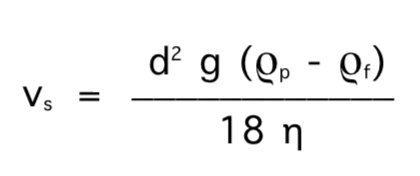
Electrolytes in flocculation systems
reduce electric barrier between particles
surfactants in flocculation systems
increased sedimentation via polymer bridges
polymers in flocculation systems
protective colloids (starch, gelatin)
wetting
vehicle completely touching wetting particles
hydrophobic wetting
does not wet with water
hydrophilic wetting
uses water, readily wetted
wetting agents
alcohol
glycerin
propylene glycol
mineral oil
contact angle and wetting
wetting most important in initial dispersion during prep of insoluble powder in vehicle
anionic surfactants
sodium lauryl (dodecyl)
sulfate (sls/sds)
cationic surfactants
benzalkonium chloride
amphoteric surfactants
span
tween
nonionic surfactants
lecithin (IV fat emulsions)
extemporous compounding
geriatric and pediatric patients
tablet or capsule can be crushed/emptied + wetted
stability major issue
Temperature and suspension stability
increased temp = over flocculation
heat = decreased repulsion energy
freezing = decreased repulsion flow
aggregate size = inverse relationship to freezing rate
excipients in suspensions
cetylpyridium chloride: cation
zinc oxide: anion
when interacting, strong attraction + adsorption = reversal of suspension
degree of flocculation equation
Vu = volume of sediment
Vo = volume of suspension
F∞ = F/β
β = F / F∞
F = Vu / Vo
β = ultimate sedimentation volume of flocculated suspension
each equation is the same, just solving for different values to obtain the degree of flocculation

Reconstitution
dry powders for oral suspension
improves stability when wetted
purified H20 is used
amoxicillin powder for peds patients (add water, pink and fruity liquid forms
