Zoo2015 Lab 1 Tissue and Integument
 Call Kai
 Learn
Learn Practice Test
 Spaced Repetition
 Match
Match Flashcards
 Knowt Play
1/72

Earn XP
Description and Tags
Vocabulary flashcards covering directional terms, body cavities, body regions, serous membranes, planes, histology concepts, tissues, cell types, skin layers, and integumentary structures for Zoo2015 Lab 1.
Name | Mastery | Learn | Test | Matching | Spaced | Call with Kai | Chat |
|---|
No analytics yet
Send a link to your students to track their progress
73 Terms
Anterior
A directional term describing a position toward the front of the body.
Posterior
A directional term describing a position toward the back of the body.
Superior
A directional term describing a position toward the head or upper part of the body.
Inferior
A directional term describing a position toward the feet or lower part of the body.

Proximal
A directional term describing a position nearer to the point of attachment or trunk of the body.
Distal
A directional term describing a position farther from the point of attachment or trunk of the body.
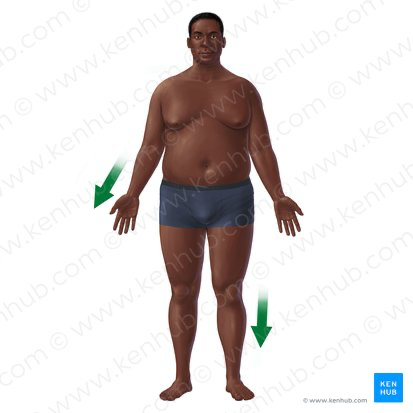
Superficial
A directional term describing a position toward or at the body surface.
Deep
A directional term describing a position away from the body surface; more internal.
Cranial
Body cavity enclosed by the skull that houses and protects the brain.
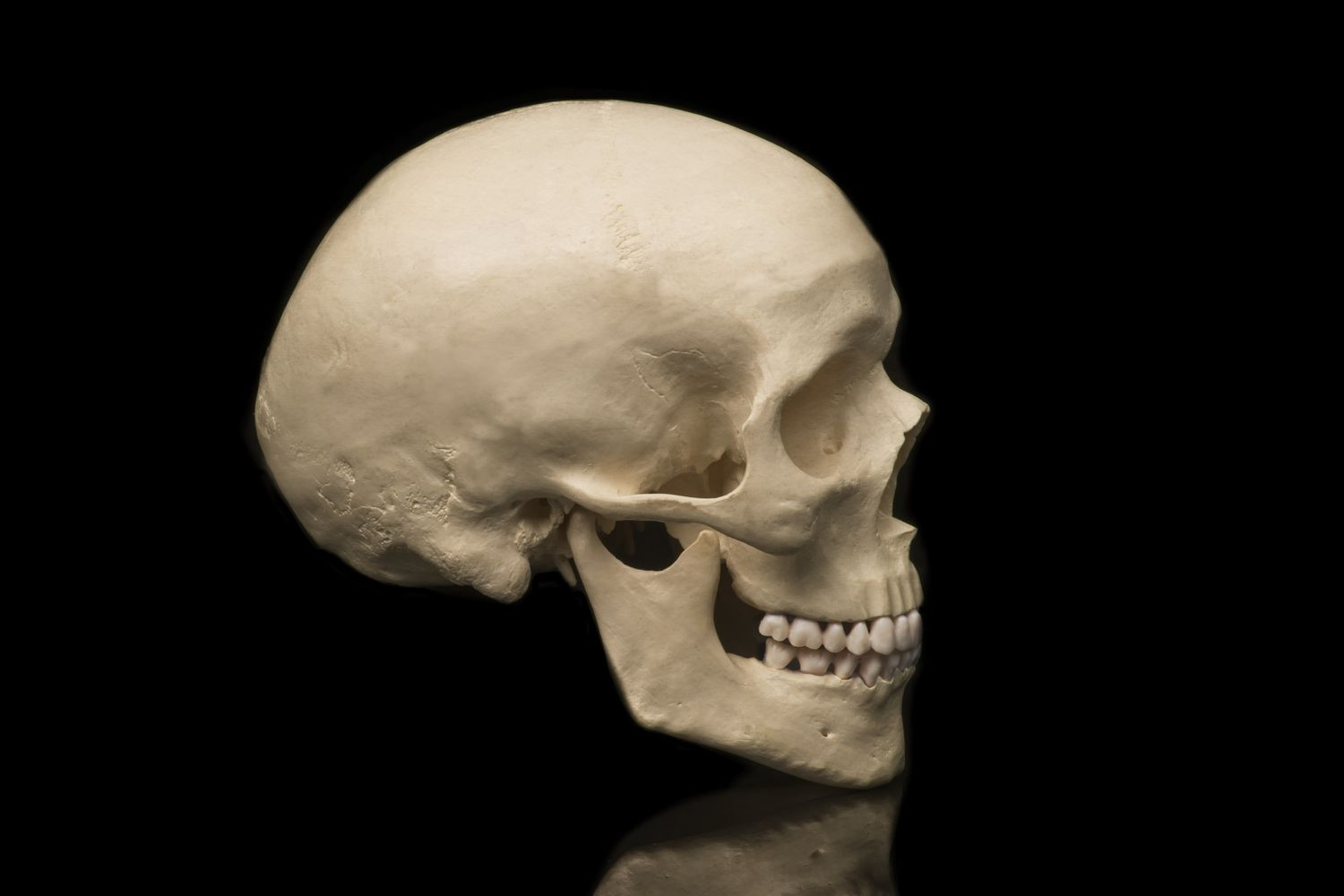
Vertebral
Body cavity formed by the vertebrae that houses and protects the spinal cord.
Thoracic
Body cavity superior to the abdominopelvic cavity that encloses the heart and lungs.
Mediastinum
Central compartment of the thoracic cavity situated between the pleural cavities.
Pleural
Body cavity within the thoracic cavity surrounding each lung.
Pericardial
Body cavity within the mediastinum surrounding the heart.

Abdominopelvic
Body cavity inferior to the thoracic cavity containing digestive and reproductive organs.
Axillary
Body region pertaining to the armpit.
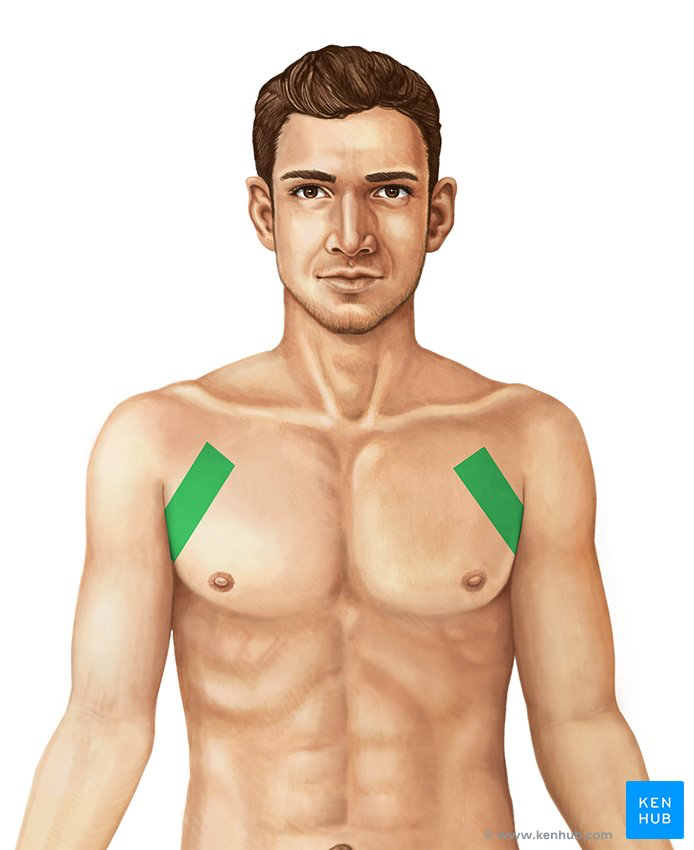
Brachial
Body region pertaining to the arm (specifically the upper arm).

Antebrachial
Body region pertaining to the forearm.
Femoral
Body region pertaining to the thigh.
Crural
Body region pertaining to the anterior leg (shin).

Popliteal
Body region pertaining to the posterior area of the knee.
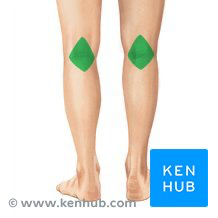
Olecranon
Body region pertaining to the posterior aspect of the elbow.

Parietal pleura
Serous membrane lining the inner wall of the thoracic pleural cavity.
Visceral pleura
Serous membrane directly covering the outer surface of the lungs.
Parietal pericardium
Serous membrane forming the outer layer of the pericardial sac surrounding the heart.
Visceral pericardium
Serous membrane directly adhering to the outer surface of the heart muscle.
Parietal peritoneum
Serous membrane lining the internal wall of the abdominopelvic cavity.
Visceral peritoneum
Serous membrane directly covering the external surface of abdominal organs.
Midsagittal
Anatomical plane that divides the body vertically along the midline into equal right and left halves.
Coronal (frontal)
Anatomical plane that divides the body vertically into anterior and posterior portions.
Transverse
Anatomical plane that divides the body horizontally into superior and inferior portions.
Extracellular matrix
Non-cellular material surrounding cells in tissues, comprised of protein fibers and ground substance.
Ground substance
Unstructured, fluid-to-solid component of the extracellular matrix that occupies the space between cells and fibers.

Collagen fiber
Thick, strong protein fiber found in connective tissue matrix that provides high tensile strength.

Elastic fiber
Protein fiber in connective tissue composed of elastin that allows tissues to stretch and recoil.

Reticular fiber
Fine, branching protein fiber that forms a delicate network supporting cells in soft tissues.
Lumen
The internal cavity, space, or hollow channel inside a tubular organ, vessel, or gland.

Apical surface
The free, unattached surface of an epithelial tissue layer exposed to the exterior or to a lumen.
Basal surface
The bottom surface of an epithelial tissue layer attached to the underlying basement membrane.
Cilia
Motile, hair-like cellular projections on the apical surface of certain epithelial cells that sweep substances across the surface.

Simple squamous
Epithelial tissue consisting of a single layer of flattened cells specialized for rapid diffusion and filtration.
Simple cuboidal
Epithelial tissue composed of a single layer of cube-shaped cells adapted for secretion and absorption.
Simple columnar
Epithelial tissue formed by a single layer of tall, column-like cells specialized for absorption and secretion.
Pseudostratified ciliated columnar
Epithelial tissue appearing multi-layered with nuclei at different levels, possessing cilia on its apical surface.
Stratified squamous (keratinized)
Multi-layered epithelial tissue with flattened apical cells infused with keratin, forming a tough protective barrier.
Transitional
Stratified epithelial tissue capable of stretching and changing shape, found in distensible urinary organs.

Areolar
Loose connective tissue containing a gel-like matrix with all three fiber types loosely arranged.

Adipose
Loose connective tissue dominated by adipocytes specialized for nutrient storage, insulation, and cushioning.
Dense regular connective
Connective tissue with densely packed, parallel collagen fibers providing immense tensile strength in one direction.
Dense irregular connective
Connective tissue with bundles of collagen fibers arranged randomly to withstand tension exerted from multiple directions.

Hyaline cartilage
Cartilage characterized by a glossy, uniform matrix with chondrocytes in lacunae, providing smooth structural support.
Fibrocartilage
Dense, shock-absorbing cartilage containing prominent, thick collagen fiber bundles.
Elastic cartilage
Flexible cartilage containing abundant elastic fibers that maintains shape while allowing bending.

Adipocyte
A connective tissue cell specialized for the synthesis and storage of fat droplets.
Chondrocyte
A mature cartilage cell residing within an individual space called a lacuna.
Osteocyte
A mature bone cell residing in a lacuna that maintains bone matrix.
Erythrocytes
Red blood cells specialized for the transport of oxygen and carbon dioxide.
Leukocytes
White blood cells involved in body defense and immune responses.

Epidermis
The outermost, superficial epithelial layer of the skin.

Dermis
The layer of skin deep to the epidermis composed of connective tissue containing vessels, nerves, and glands.
Hypodermis
The subcutaneous tissue layer deep to the dermis, composed primarily of adipose and areolar tissue.
Stratum Corneum
The most superficial epidermal layer, consisting of flattened, dead keratinized cells.

Stratum Lucidum
A thin, clear epidermal layer found only in the thick skin of the palms and soles.

Stratum Granulosum
The epidermal layer where keratinocytes undergo keratinization, flatten, and display keratohyalin granules.
Stratum Spinosum
The epidermal layer located superficial to the stratum basale, characterized by spiny-appearing cells.

Stratum Basale
The deepest, single-cell layer of the epidermis containing continually dividing stem cells.
Hair Follicle
An epidermal tube extending into the dermis from which a hair grows.
Arrector Pili Muscle
A bundle of smooth muscle cells attached to a hair follicle that contracts to pull the hair upright.
Sebaceous Gland
An exocrine gland associated with hair follicles that secretes an oily substance called sebum.

Merocrine Sweat Gland
A tubular gland that secretes watery perspiration directly onto the skin surface via exocytosis for cooling.

Apocrine Sweat Gland
A large sweat gland located in axillary and anogenital areas that empties a viscous secretion into hair follicles.
Tactile Corpuscle
A mechanoreceptor located in the dermal papillae sensitive to light touch.
Lamellar Corpuscle
A deep cutaneous mechanoreceptor located in the dermis/hypodermis sensitive to deep pressure and vibration.