Architecture at War, Reconstruction, and the Post-War Building Boom
 Call Kai
 Learn
 Practice Test
 Spaced Repetition
 Match
 Flashcards
 Knowt Play
1/52

There's no tags or description
Looks like no tags are added yet.
53 Terms

The Architect Drawing in the Ruins of Stalingrad, 1943
Arkady Mordvinov

Architecture studio in a prisoner-of-war camp, 1944
Stablack, East Prussia

‘Aerial Warfare,’ illustration from La Ville radieuse (book), 1935
Le Corbusier

Ruins of Guernica after the bombing of April 26, 1937
Guernica, Spain

Air-raid shelter for 7,600 people, 1939 (unbuilt)
Tecton, with Ove Arup (engineer)
London, England

Project for a Flak tower with proposed post-war decoration
Friedrich Tamms
Model

Before: the Inner Alster and city centre
Hamburg, Germany
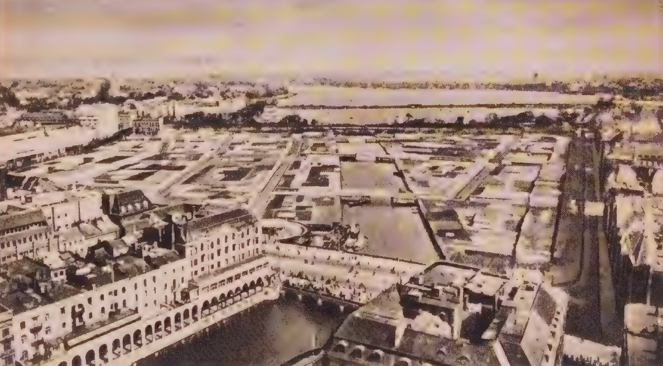
After: the same view under camouflage, 1942
Hamburg, Germany

Heinkel Aircraft Factory
Herbert Rimpl
Oranienburg, Germany
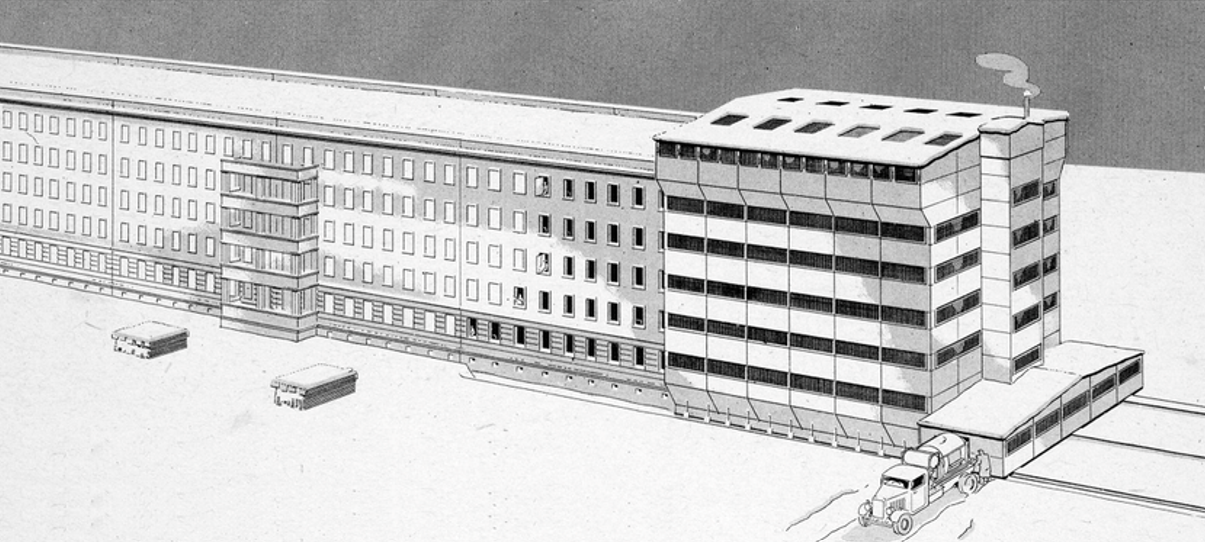
House-building machine, 1943
(illustration, unbuilt)
Ernst Neufert
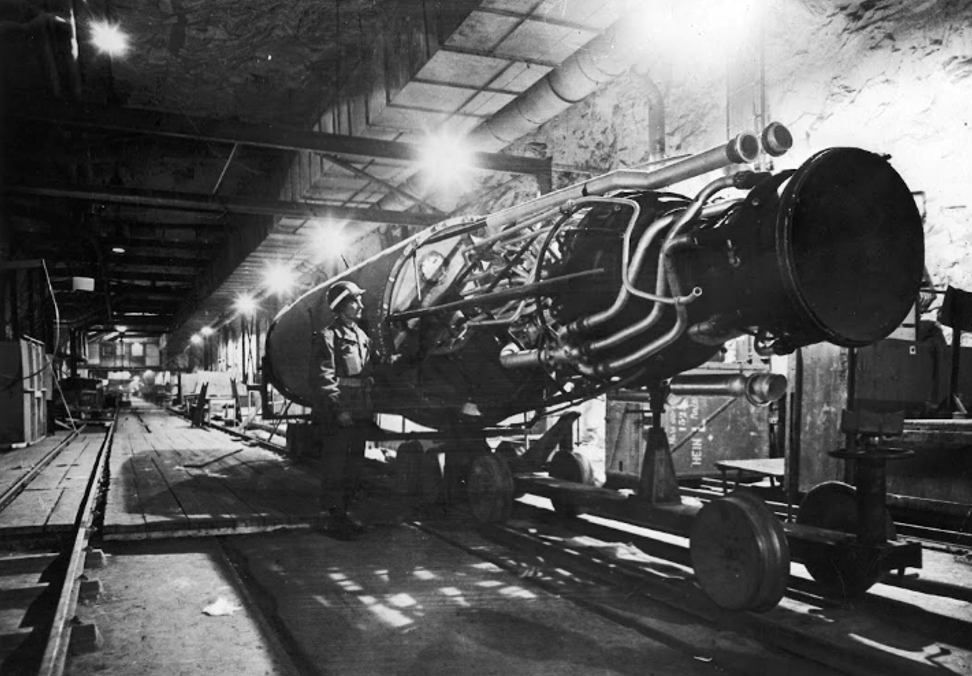
Production line at the Mittelwerk underground factory for V-1 flying bombs
Kohnstein, Harz Mountains, Germany

Gun Battery Todt, 1940–42
Organisation Todt
Cap Gris-Nez, France
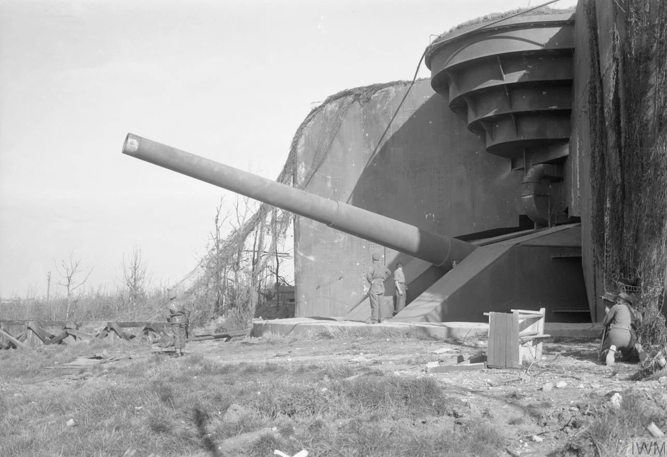
Gun Battery Todt, surveyed by Allied troops after liberation, 1946
Cap Gris-Nez, France
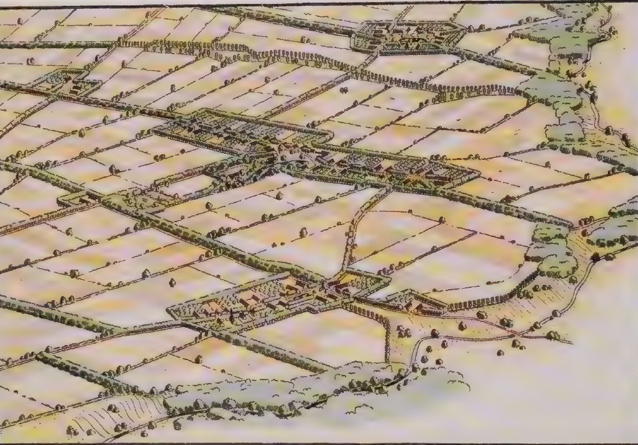
Development project for the village of Minden, 1942
from Gestaltung der neuen Siedlungsgebiete, ed. Heinrich Himmler
Near Ciechanów, occupied Poland

Economic development plan for the town of Auschwitz, October 1942
Hans Stosberg
Oświęcim, occupied Poland

Plan for the redevelopment of Litzmannstadt (Łódź), 1944
Walter Bangert
Łódź, occupied Poland

Competition project for the Japanese cultural centre in Bangkok, 1943
Kenzō Tange
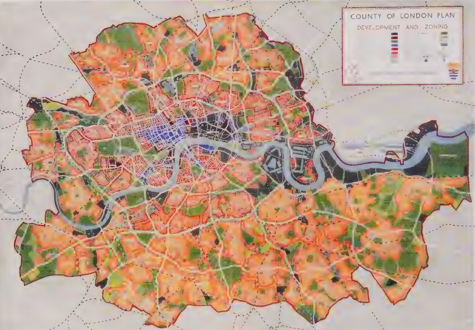
County of London Plan, 1943: development and zoning
Patrick Abercrombie and J. H. Forshaw
London, England

Trümmerfrauen with rubble carts, Berlin, 1946
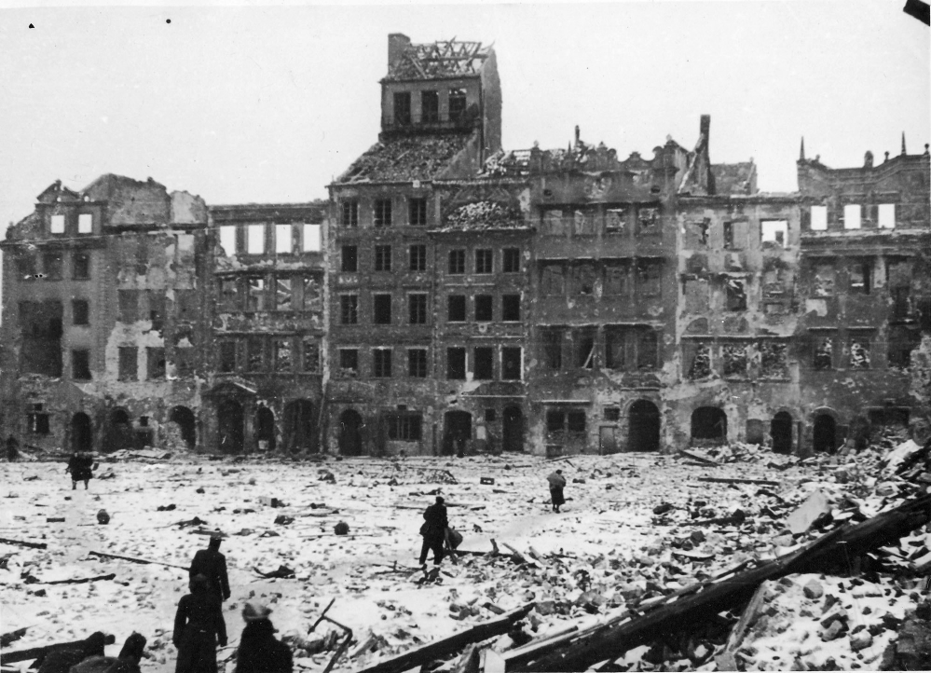
Old Town Market Square, Warsaw, 1945
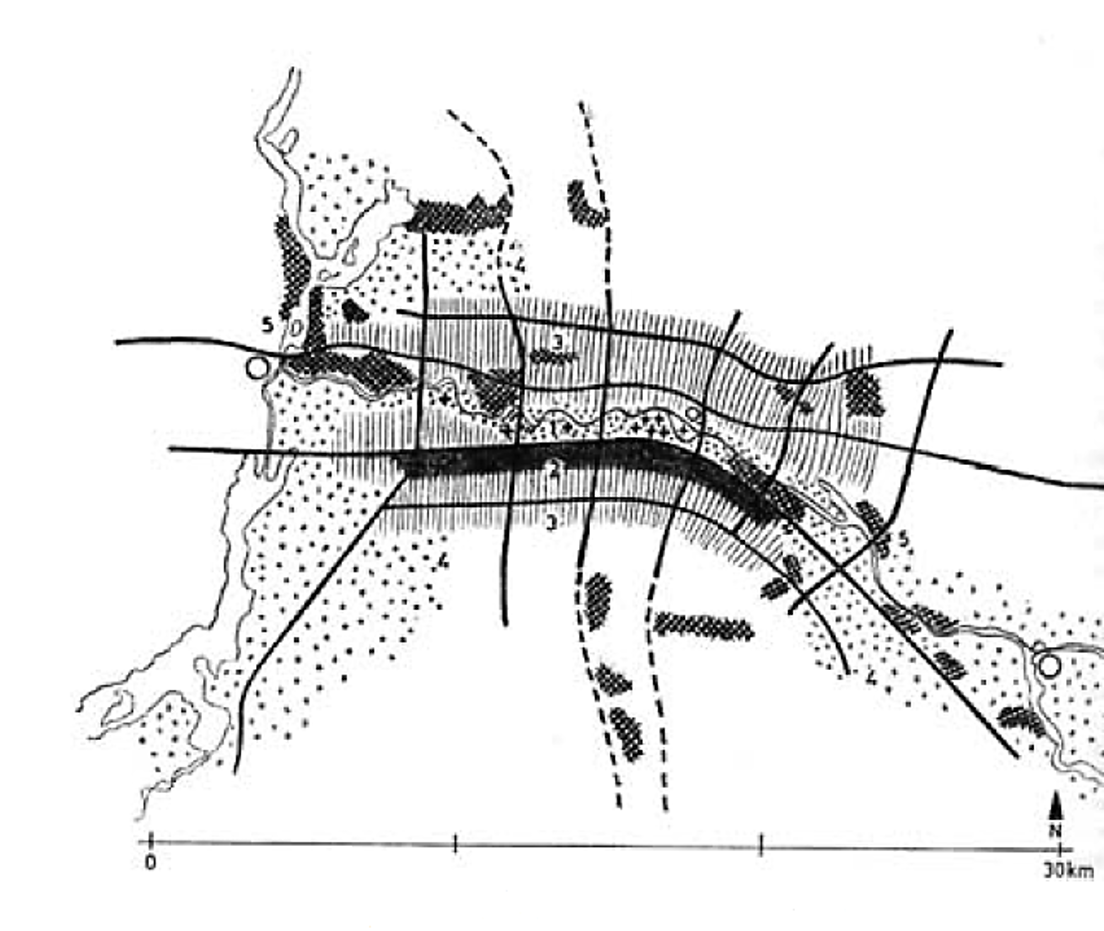
Kollektivplan (Collective Plan) for Berlin, 1946
Planning collective led by Hans Scharoun
Exhibited in ‘Berlin plant,’ Berlin Palace, 22 August–15 October 1946

Marshall Plan publicity photograph,
undated (late 1940s)
West Berlin

America Memorial Library, 1951–54
Fritz Bornemann, Willy Kreuer and others
Berlin-Kreuzberg, Germany

Wir bauen ein besseres Leben (We’re Building a Better Life), Marshall-Haus, 1952
Model house without a roof, seen from the visitors’ catwalk
U.S. National Archives

Amerika zu Hause (America at Home), German Industrial Exhibition, 1950
Crowds at the policed front door of the model house
U.S. National Archives
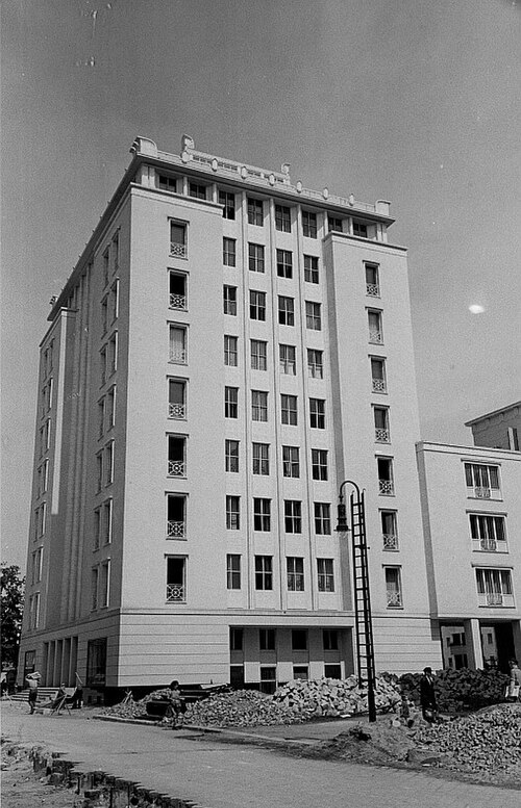
Hochhaus an der Weberwiese, 1951–52
Hermann Henselmann
Berlin-Friedrichshain, Germany
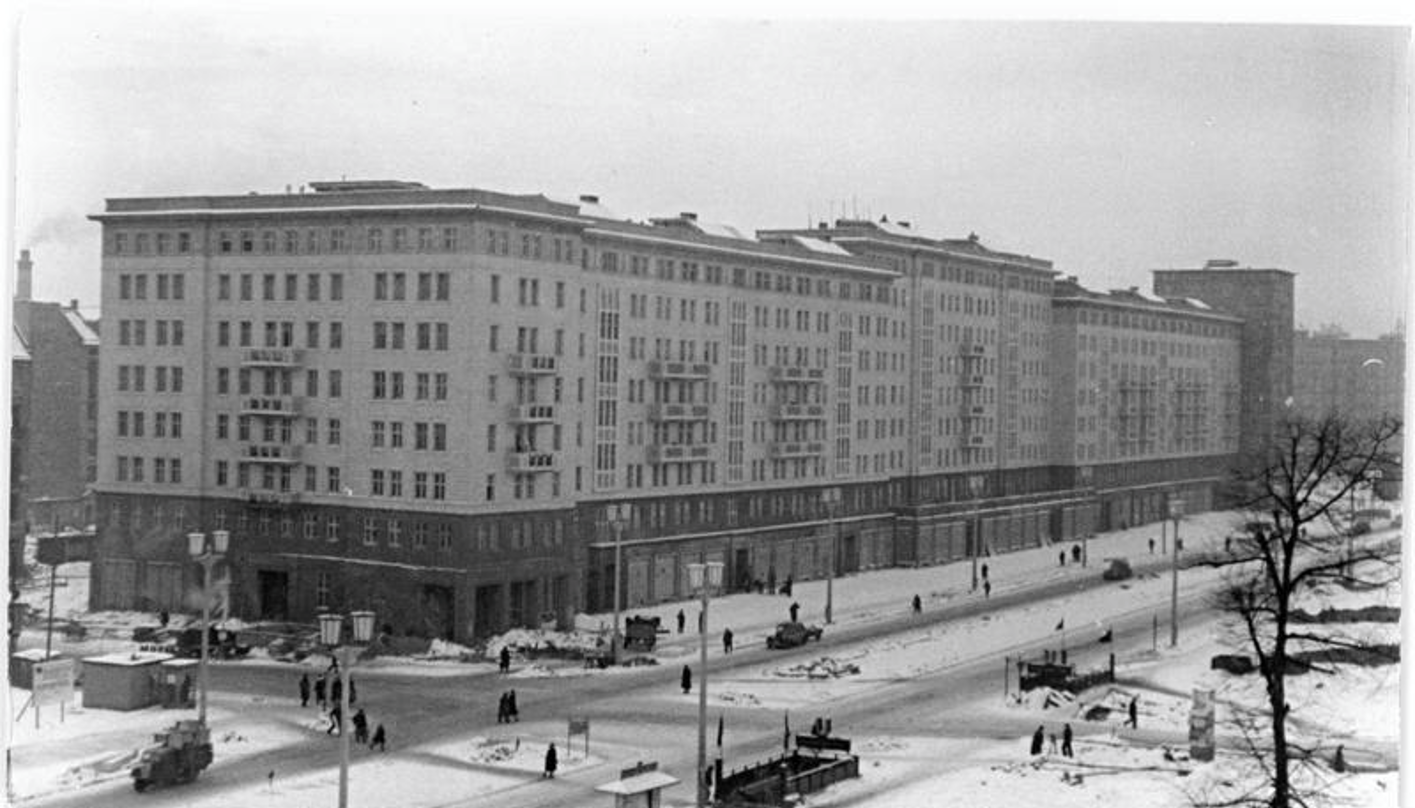
Stalinallee apartment blocks, 1953
Henselmann, Hopp, Paulick, Leucht, Hartmann, Souradny
Berlin-Friedrichshain, Germany

Demolition of the Berlin Palace, 1950
Berlin-Mitte, Germany

Apartment building 1957
Walter Gropius with Wils Ebert
Berlin-Tiergarten, Germany
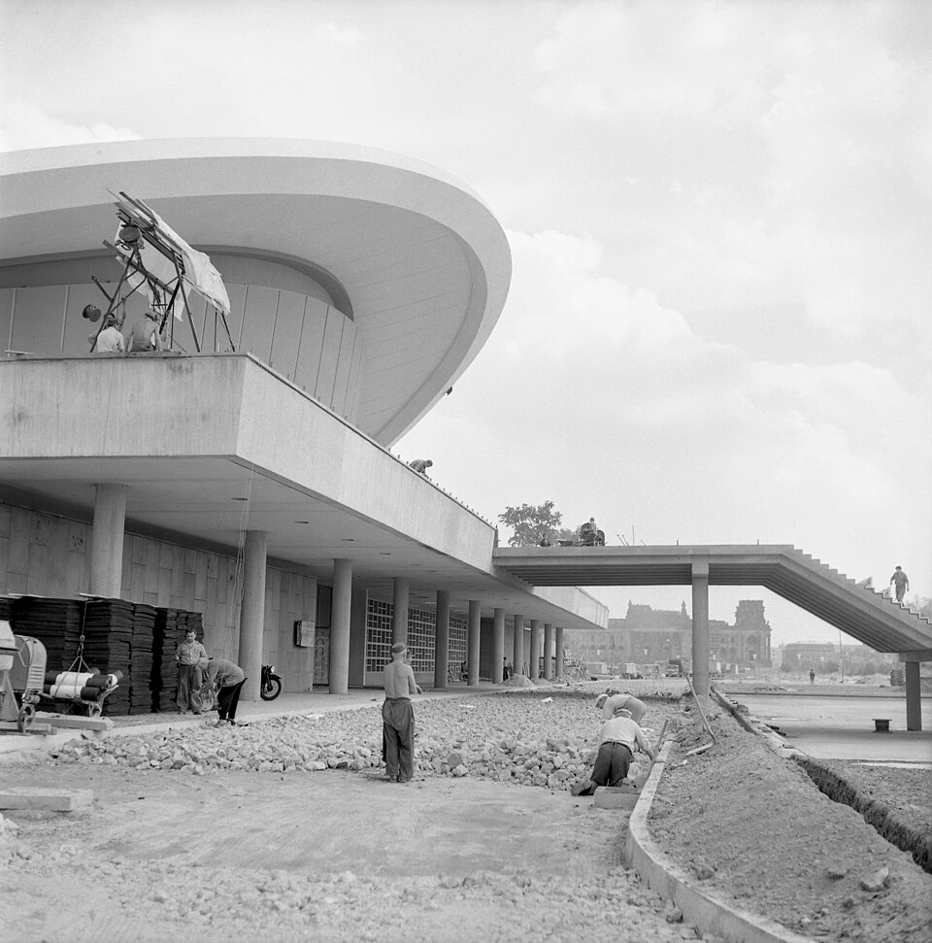
Congress Hall, 1956–57
Hugh Stubbins
Berlin-Tiergarten, Germany
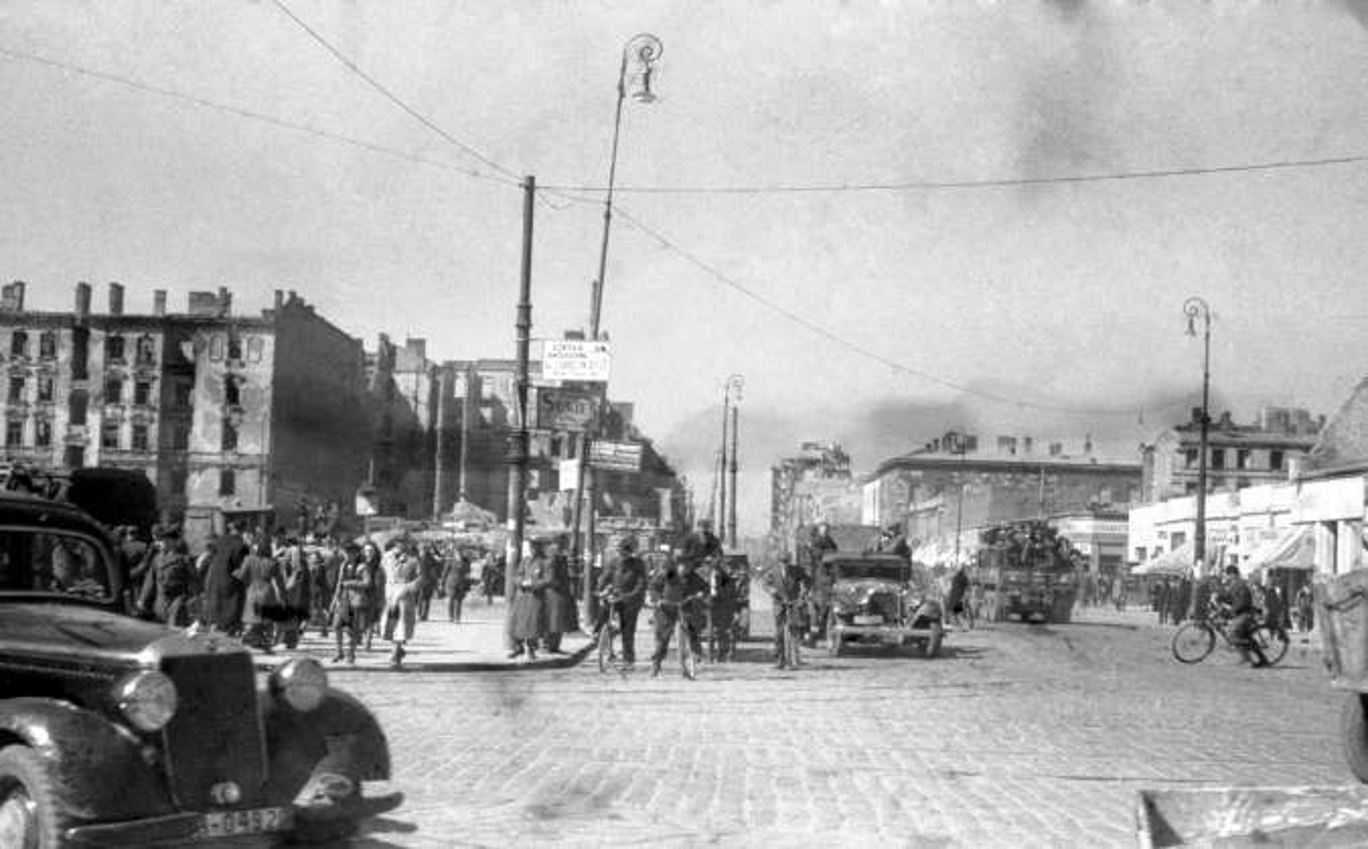
Corner of Marszałkowska Street and Aleje Jerozolimskie, Warsaw, 1945
Photograph: Kazimierz Seko
KARTA Institute, Warsaw

View of Warsaw from the Terrace of the Royal Castle, 1773
Bernardo Bellotto
Oil on canvas
National Museum, Warsaw
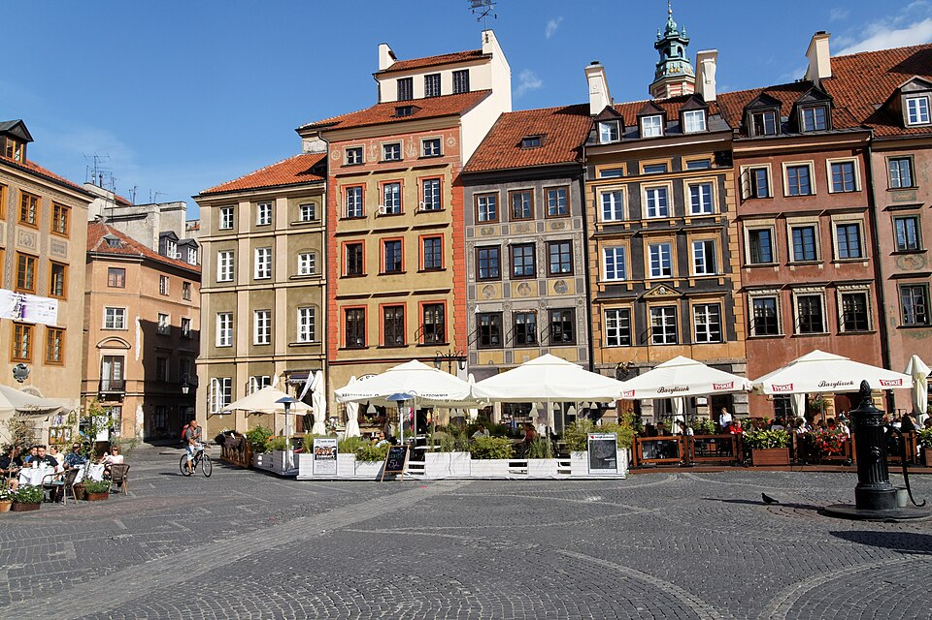
Old Town Market Square, rebuilt 1949–53
Warsaw Reconstruction Office, Jan Zachwatowicz
Warsaw, Poland

Muranów housing estate, 1949–56
Bohdan Lachert
Warsaw, Poland
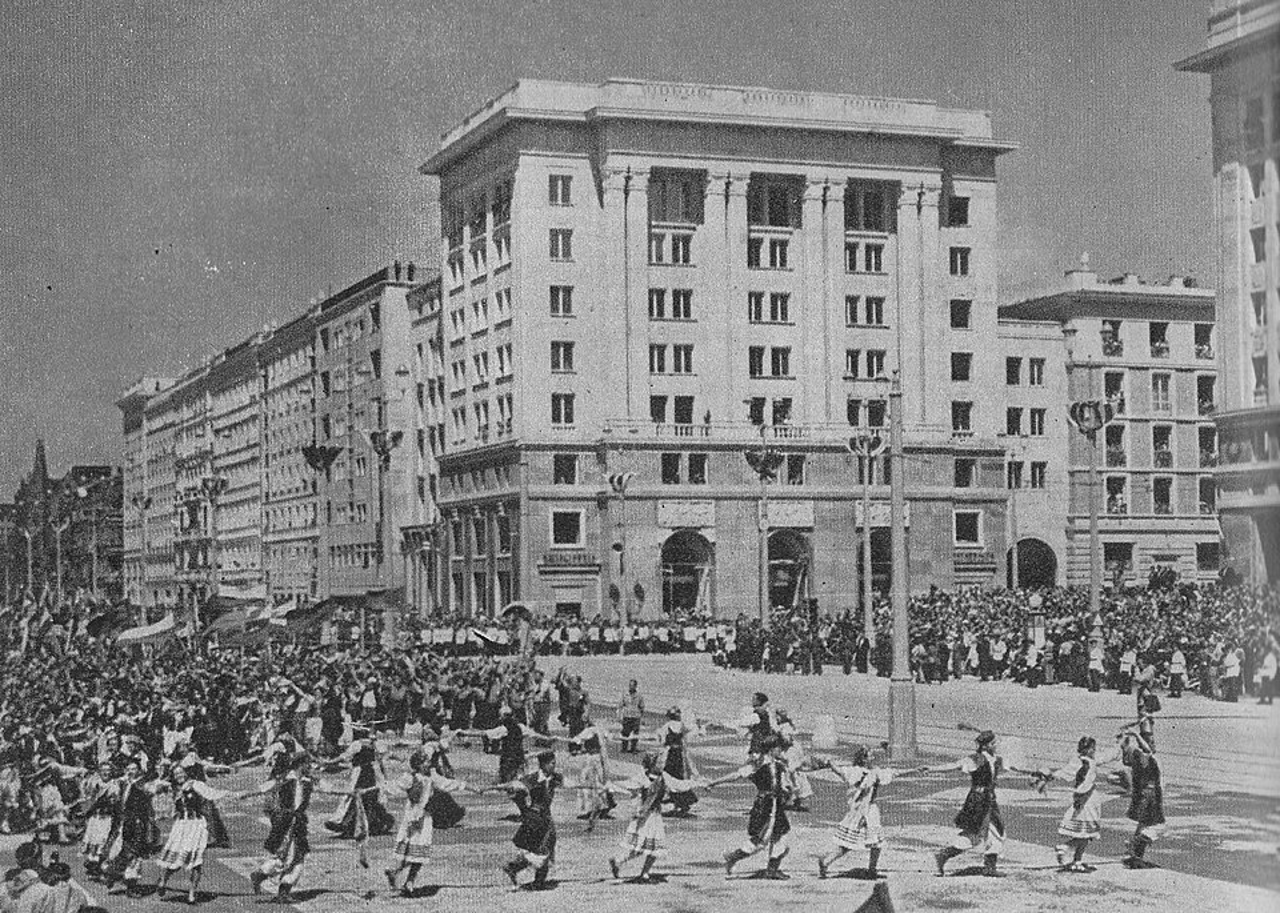
Inauguration of the Marszałkowska Residential District and Constitution Square, July 22, 1952
Józef Sigalin, Stanisław Jankowski, Jan Knothe, Zygmunt Stępiński
Warsaw, Poland

Left: Palace of Culture and Science, 1952–55
Right: neo-Renaissance attics above an entrance
Lev Rudnev
Warsaw, Poland

Palace of Culture and Science, 1955
Lev Rudnev
Warsaw, Poland

Lever House, 1950–52, as published in Built in USA
Skidmore, Owings & Merrill
New York City

Midtown Manhattan buildings erected, under construction or proposed by the George A. Fuller Company, April 1957
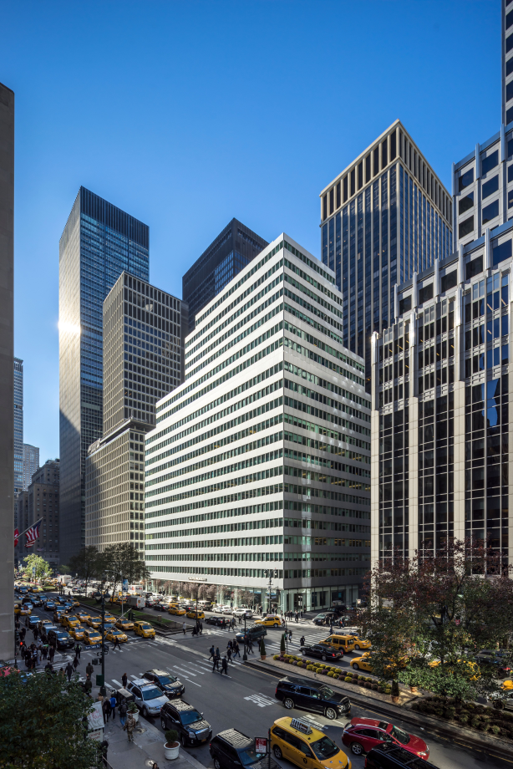
300 Park Avenue, 1955
Emery Roth & Sons
New York City
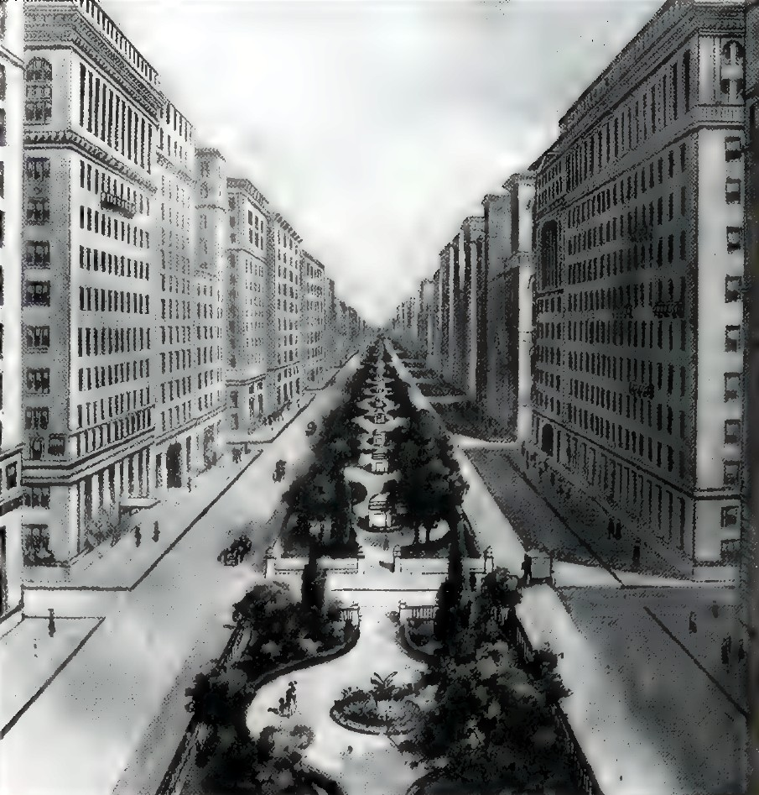
Park Avenue, median landscape over the New York Central railway tracks, rendering, c. 1913
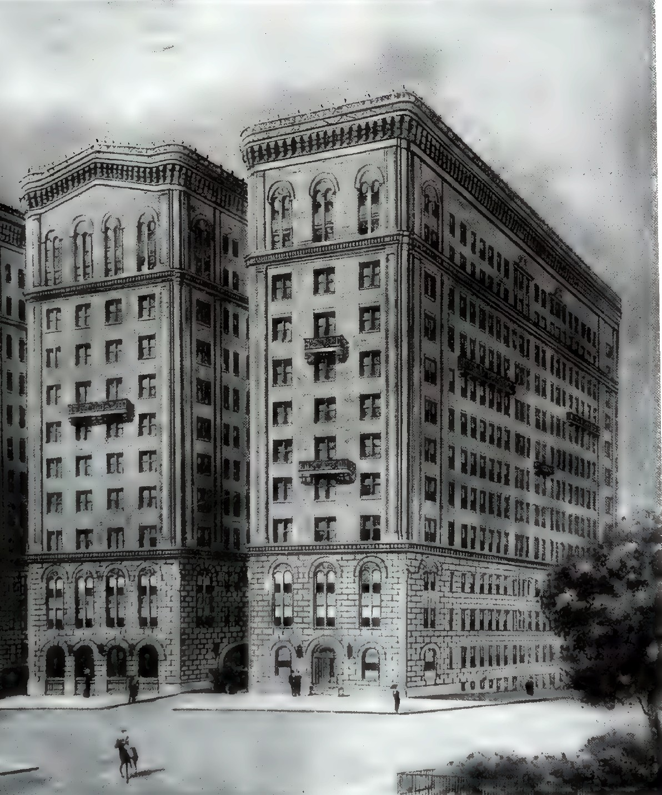
Montana Apartments, 375 Park Avenue, rendering, c. 1913
Rouse & Goldstone
Demolished for the Seagram Building
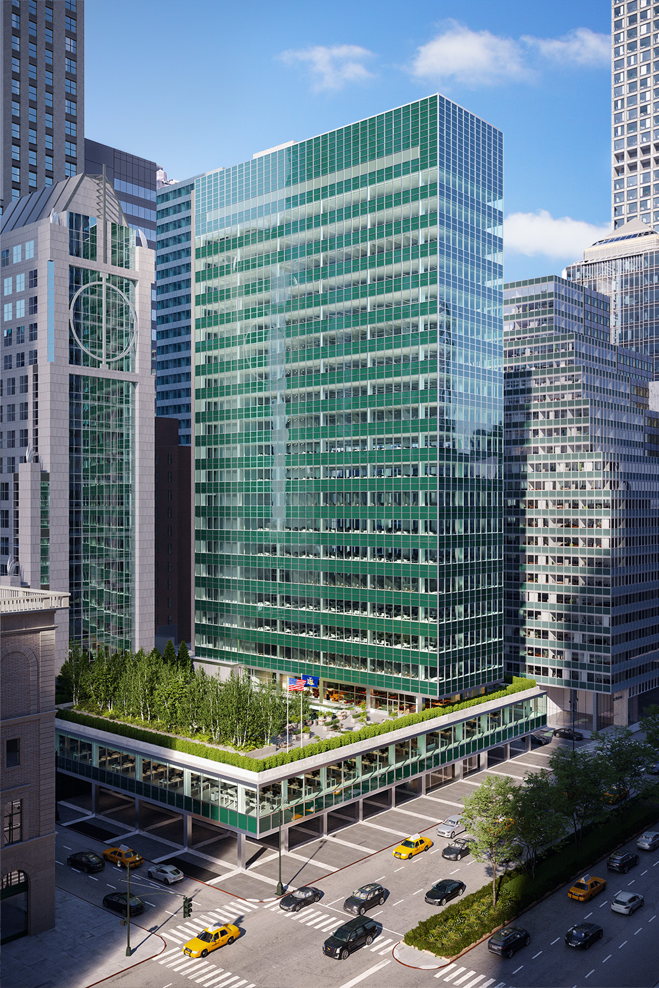
Lever House, 1950–52
Skidmore, Owings & Merrill

Riehl House, view from the lower garden, 1906–7
Ludwig Mies van der Rohe
Neubabelsberg (Potsdam), Germany

German Pavilion, International Exposition, 1928–29 (demolished)
Ludwig Mies van der Rohe
Barcelona, Spain

Seagram Building, podium, pond and plaza wall from Park Avenue
Mies van der Rohe and Philip Johnson, 1954–58

Seagram tower above the plaza

Union Carbide Building, 1957–60 (demolished 2019–21)
Skidmore, Owings & Merrill
270 Park Avenue, New York City
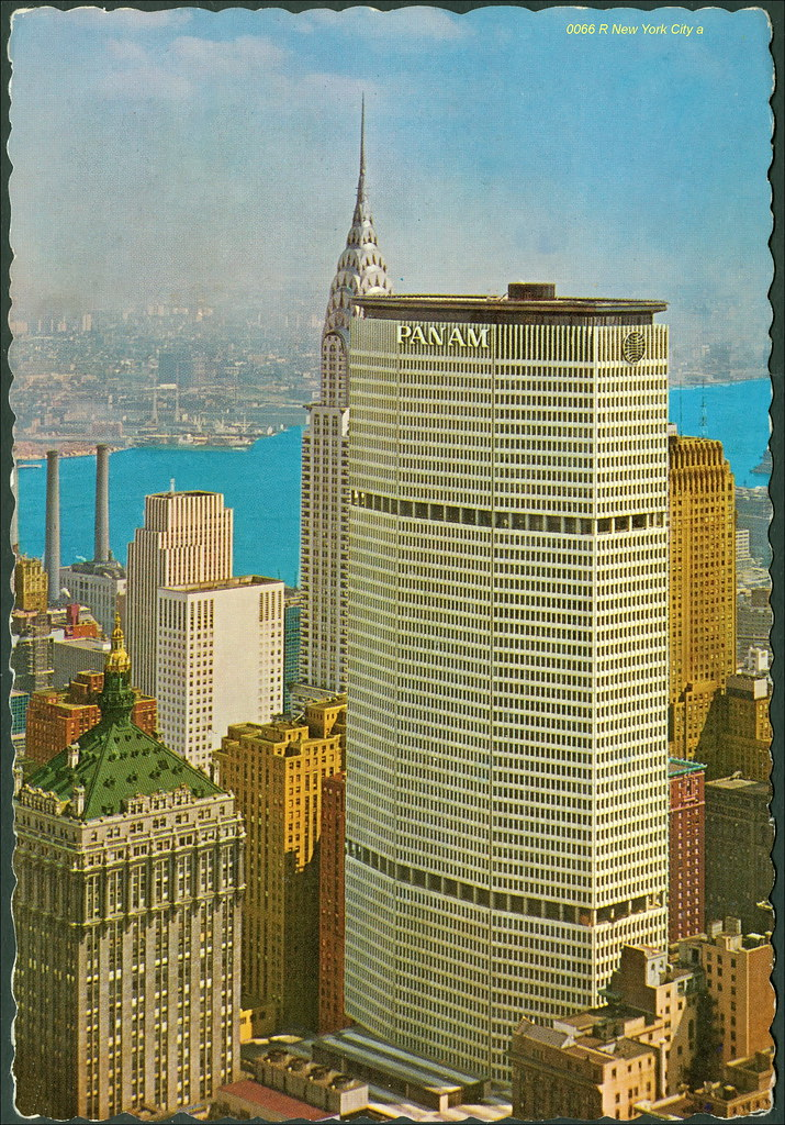
Pan Am Building (now MetLife Building), 1958–63
Emery Roth & Sons with Walter Gropius
200 Park Avenue, New York City

View of central Cologne with Cologne Cathedral, 1945
Photograph: August Sander
Cologne, Germany
The Marshall Plan
officially known as the European Recovery Program (ERP) - a U.S.-sponsored initiative launched in 1948 to aid the economic recovery of Western Europe after the devastation of World War II
The Post-War Building Boom
Urban construction shifted toward high-volume, cost-effective methods; abandoning ornate Pre-War styles for functional, utilitarian floor plans that prioritized reduced hallways and flexible living spaces during times of housing crisis.
Why is the Seagram Building important?
It is a masterpiece of the International Style of architecture and fundamentally changed urban planning and skyscraper design worldwide.
- Less is more: It established a minimalist, functionalist aesthetic that became the global blueprint for modern corporate architecture
- Inspiration for Zoning Laws: The City gave developers extra floor area in exchange for street-level plazas.