Unit 2 Vocab: Polynomial Equations, Inequalities, and Graphs
 Call Kai
 Learn
 Practice Test
 Spaced Repetition
 Match
 Flashcards
 Knowt Play
1/26

Earn XP
Description and Tags
For FHUS Pre-Calculus
27 Terms
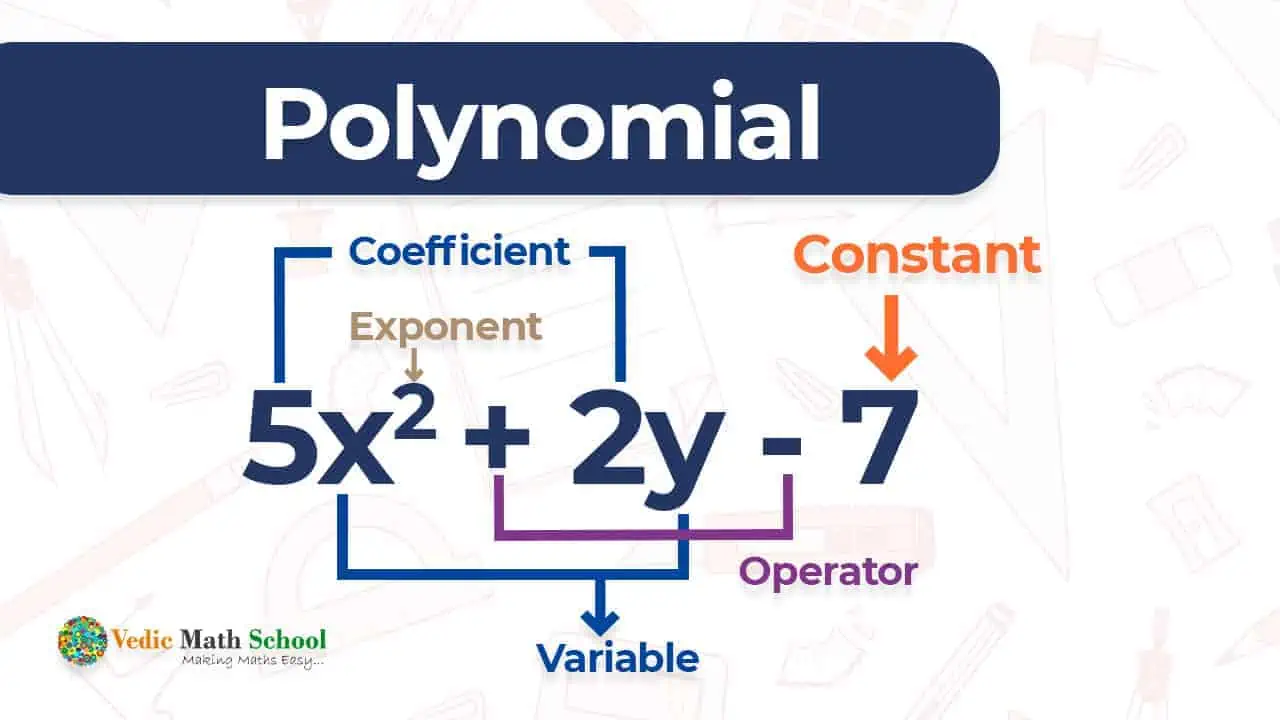
Polynomial
An expression of terms with variables raised to whole number powers.

Degree of a Polynomial
The highest power of x³

Leading Coefficient
The Coefficient of the highest-degree term
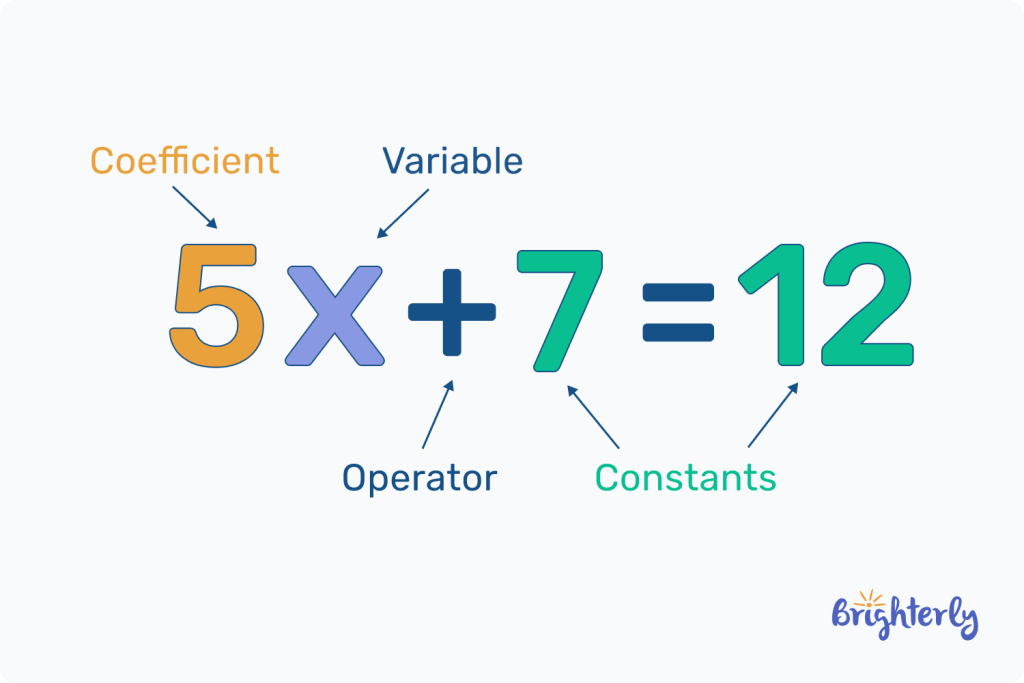
Constant Term
The term with no varible

Greatest Common Factor (GCF)
The largest factor shared by all terms

Factoring by Grouping
Method to factor when there are four or more terms.

Difference of Squares
Special factoring pattern

Cubic / Quartic / Quintic
Polynomials of degree 3,4, and 5, respectively
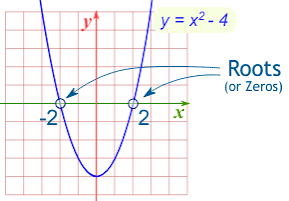
Zero of a Function
Value that makes a function zero

Root/Solution
Another name for a zero
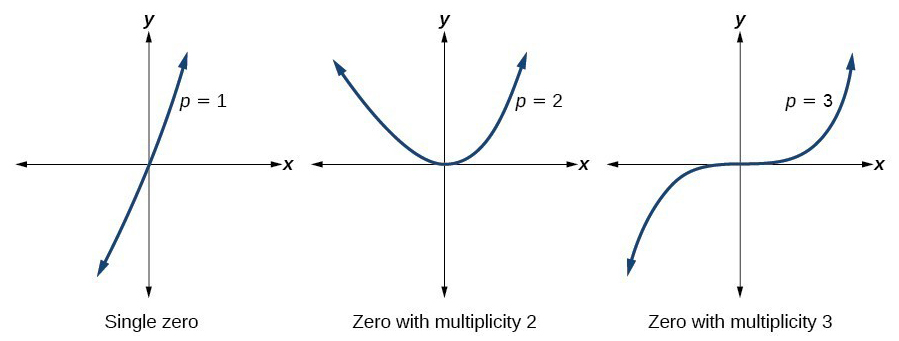
Multiplicity
Number of times a zero is repeated

Polynomial Inequality
Inequality involving a polynomial (>,<,≥,≤)

Sign Chart / Sign Analysis
Testing intervals between zeros to determine where a polynomial is positive or negative.

Interval Notation
Notation for solution sets of inequalities

synthetic division
shortcut for diving by a linear divisor like x-cx-cx-c

Factor theorem
If f(c)=0f(c) = 0f(c)=0, then x-cx-cx-c is a factor of f(x)f(x)f(x)

Remainder theorem
The remainder from dividing

End behavior
direction of the graph as x→∓∞x / to / pm / inftyx → ∓∞

Relative Maximum
A high point compared to nearby values

Relative Minimum
A low point compared to nearby values

Absolute Maximum
The highest point on the entire graph.

Absolute Minimum
the lowest point on the entire graph

Point of inflection
where the graph changes concavity

concavity
curving upward (concave up) or downward (concave down)

Intervals of Increase/Decrease
Where the function’s values rise or fall.

Leading coefficient test
Determines end behavior
Intercepts
X-intercepts: Where f(x)=0f(x)=0f(x)=0
Y-intercept: Where x=0x=0x=0