Great Depression Test (History)
 Call Kai
 Learn
 Practice Test
 Spaced Repetition
 Match
 Flashcards
 Knowt Play
1/23

There's no tags or description
Looks like no tags are added yet.
24 Terms

Due to the remaining racism and discrimination from the 1020’s, African Americans and immigrants faced an even high unemployment rate of _______.
50% during the Great Depression

The national average unemployment rate during the Great Depression.
was approximately 25%.

In order to keep up with demand, farmers bought machinery on ____ during the war.
credit to sustain production.

Hoover believed in this; though that Americans needed to be tough and work hard to solve their problems. Not turn to the Government.
(Self-reliance) Rugged Individualism.

This increased the tariff on all imports after WW1
Smoot-Hawley Tariff Act.

The following states were impacted by the drought in the Great Plains: ____, Oklahoma, New Mexico, Texas, and Colorado.
Kansas

This man was president during the Great Depression.
Hoover

Due to this, crop prices dropped by 40% after WW1
Overproduction

WW1 had been a great time for this group because demand for their products rose
Farmers

October 29, 1929
Known as Black Tuesday, the day when the stock market crashed, marking the beginning of the Great Depression.

Loaned $2 Billion to banks in order to help them get back on track after the crash
The Reconstruction Finance Corporation was established to provide financial support to struggling banks and businesses during the economic downturn.
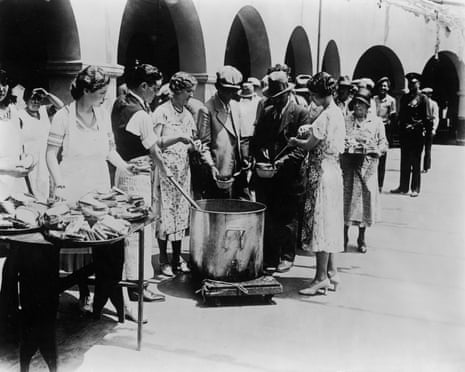
Hoover was opposed to this
Direct Aid

Due to the overdue of credit during the 1920’s, the prosperity of the decade was ____
superficial
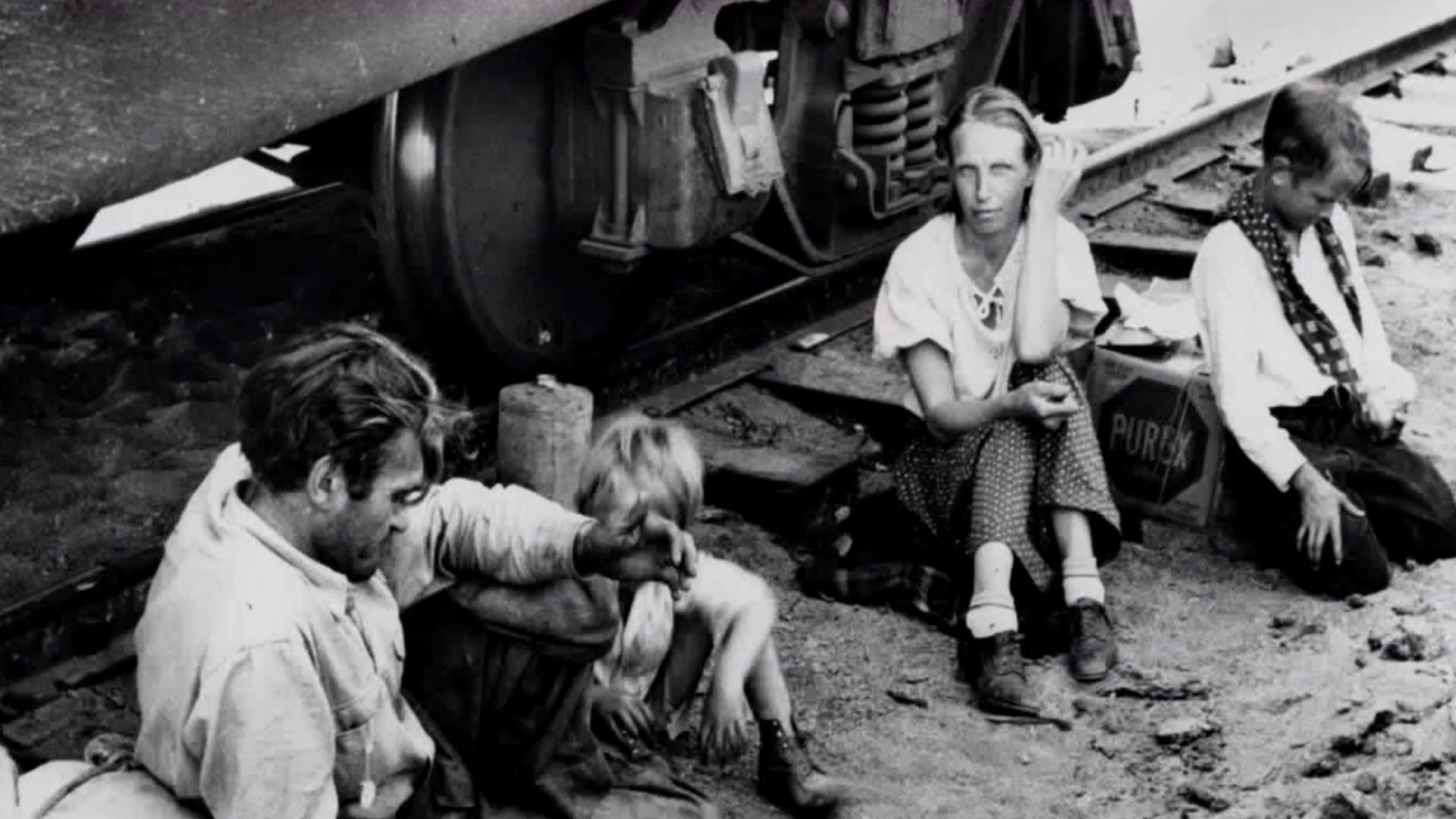
Migrant farmers that traveled throughout the US looking for was were nicknamed this.
"Okies"

The area in the Great Plains that suffered a major drought that dried out their soil and made it sand-like
Dust Bowl

This industry is the major sign of how the economy is doing
Housing

WW1 veterans who were promised a bonus in 1945 marched to Washington to demand the bonus early
Bonus Army

What was the Revenue Act
It increased taxes on the wealthy and corporations to help alleviate the effects of the Great Depression.

What is a deficit
A deficit occurs when a government's expenditures exceed its revenues, leading to a shortfall that must be financed through borrowing or spending cuts.

what were the 4 industries that dropped in productivity leading up to the Great depression.
1) Lumber 2) Coal 3) HOUSING 4) Railroads

What was the Federal Reserve Board (FRB)
The Federal Reserve Board (FRB) is the governing body of the Federal Reserve System, responsible for overseeing monetary policy, regulating banks, and maintaining financial stability in the United States.
They:
made it difficult for Americans to access loans & money
increased interest rates & lowered the amount of $ in circulation
amount of $ in circulation
decided the interest rates

what was tenant farming
Tenant farming is a system in agriculture where an individual or family farms rented land owned by another person, typically paying rent in cash or through a share of the crops produced.

What were ‘Shantyhouses”
Shantyhouses, also known as shantytowns or Hoovervilles, were makeshift dwellings built by homeless individuals during the Great Depression, often constructed from scrap materials like wood and metal.

What was the food process for people?
The food process for people during the Great Depression involved rations, local food banks, and community support systems as many families faced severe economic hardship and food scarcity.
people also went to bread lines to get bread