(7) Netherlands: Notable Religious Figures, Theologians, Philosophers, and Lawyers
 Call Kai
 Learn
Learn Practice Test
 Spaced Repetition
 Match
Match Flashcards
 Knowt Play
1/13

There's no tags or description
Looks like no tags are added yet.
Name | Mastery | Learn | Test | Matching | Spaced | Call with Kai | Chat |
|---|
No analytics yet
Send a link to your students to track their progress
14 Terms
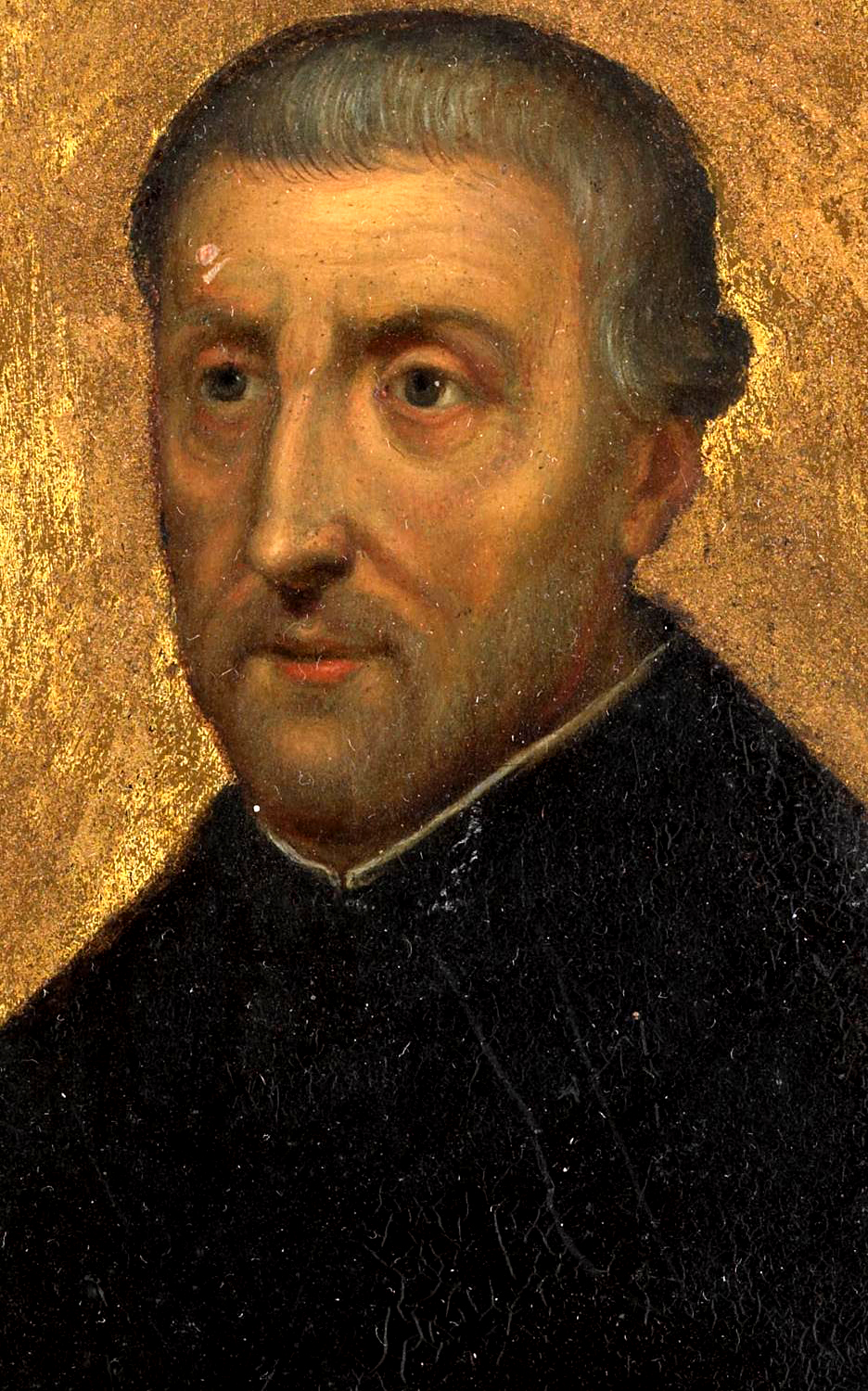
1521 - 1597 - St. Peter Canisius (All Facts)
Dutch Jesuit Priest
He was a major architect of the Counter-Reformation in Germany
He wrote a widely used catechism
He founded 13 Jesuit communities
He died in Freiburg in Switzerland
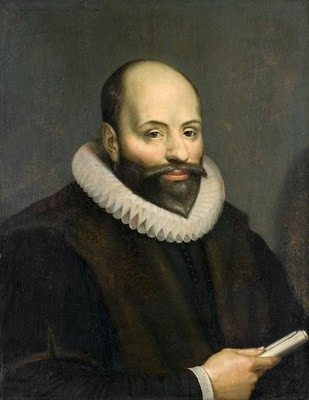
1560 - 1609 - Jacobus Arminius (All Facts)
Dutch Reformed Minister and Theologian during the Protestant Reformation whose views became the basis of Arminianism and the Dutch Remonstrant Movement
1576 - 1638 - Jonas Michaelius (All Facts)
Dutch Reformed Minister
He was the first to arrive and preach in New Amsterdam in the colonies
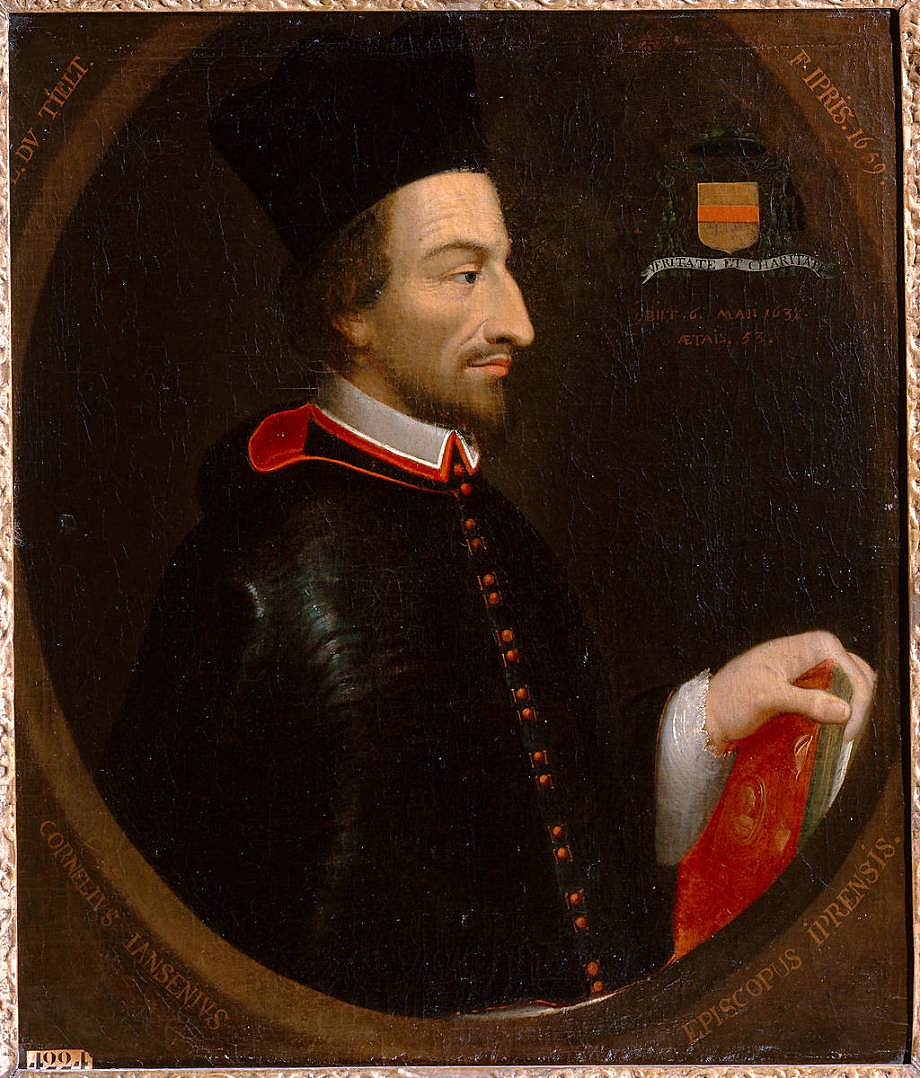
1585 - 1638 - Cornelius Jansen (All Facts)
Dutch Catholic Archbishop of Ypres in Flanders and Theologian
He was the father of the namesake theological movement
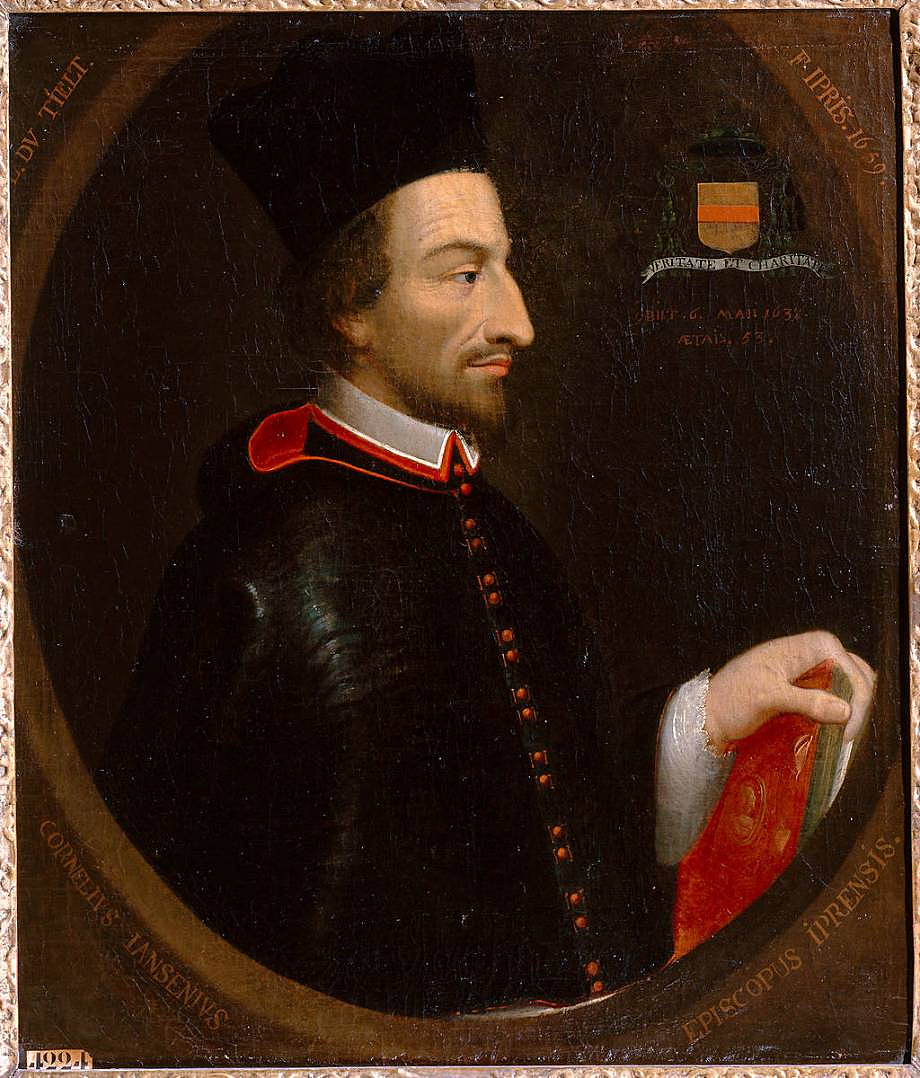
1640 - Cornelius Jansen: Augustinus (All Facts)
Work in which the namesake author challenged the doctrine of free-will from the Catholic perspective of the namesake saint through five propositions
Work which laid the foundations for Jansenism / Jansenists / the Jansenist Movement
Work which was published posthumously in France by his friends, two years after his death
Work which was condemned by Pope Urban VIII and the Papacy
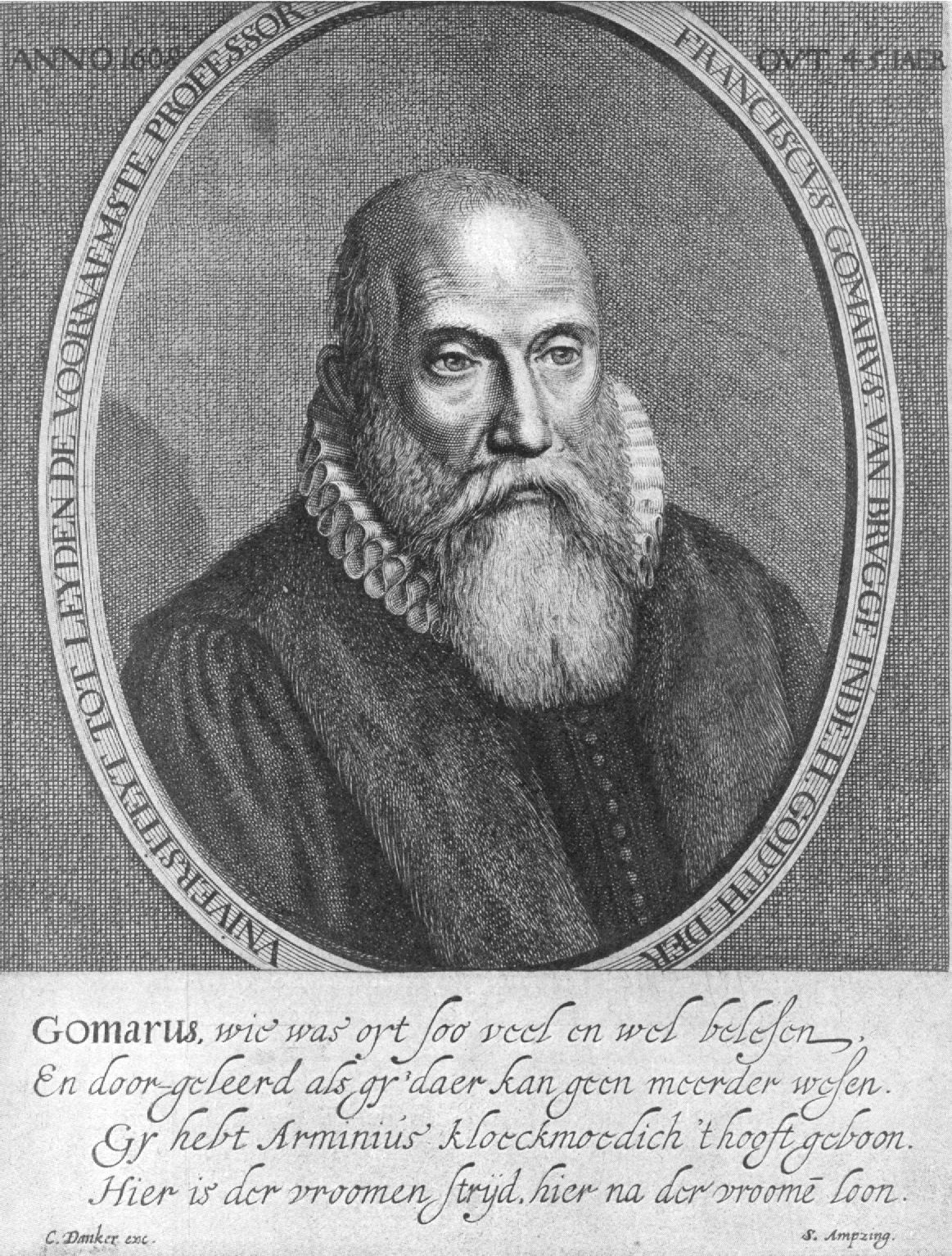
1563 - 1641 - Franciscus Gomarus (All Facts)
Dutch Theologian whose views became the basis of the Gomarists and the Gomarist / Counter-Remonstrant Movement
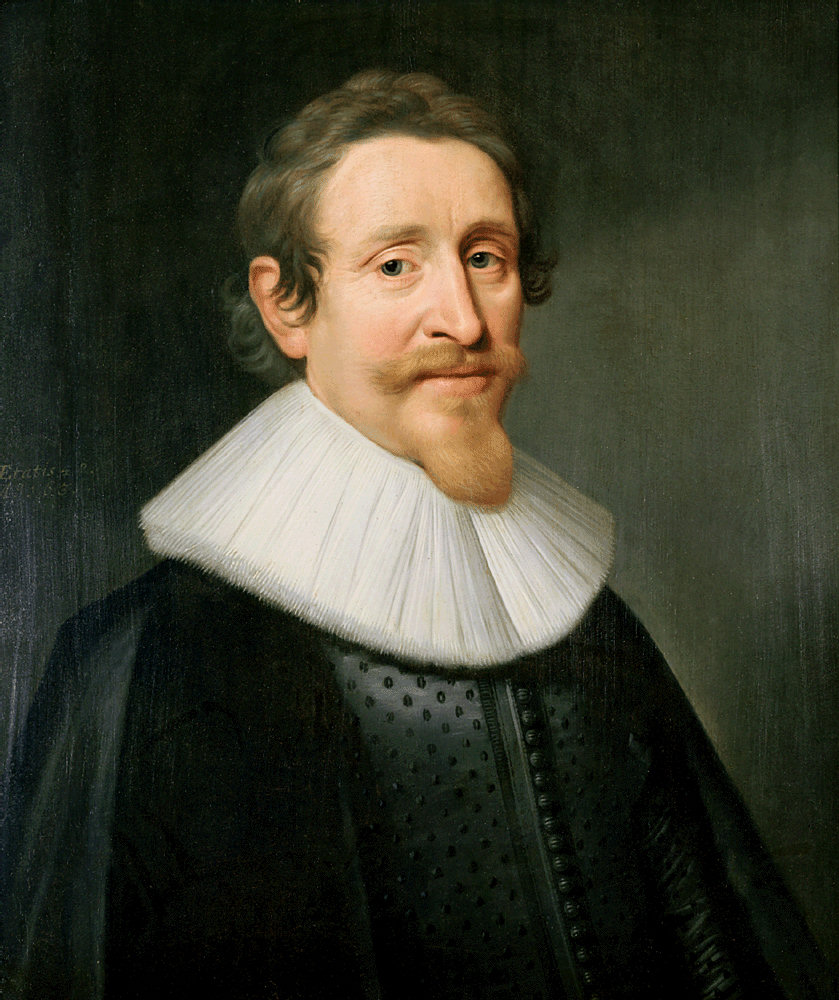
1583 - 1645 - Hugo Grotius / Hugo de Groot (All Facts)
Dutch Theologian and Lawyer
He was a child-prodigy
He attended university at the age of 12
He accompanied a (Dutch) diplomatic mission to France when he was 15
He wrote Latin dramas when he was 17
He was appointed historiographer of the States General when he was 20
He escaped prison in Holland and fled to France
He initially wrote a plea for toleration in religious matters, but this displeased Maurice of Nassau
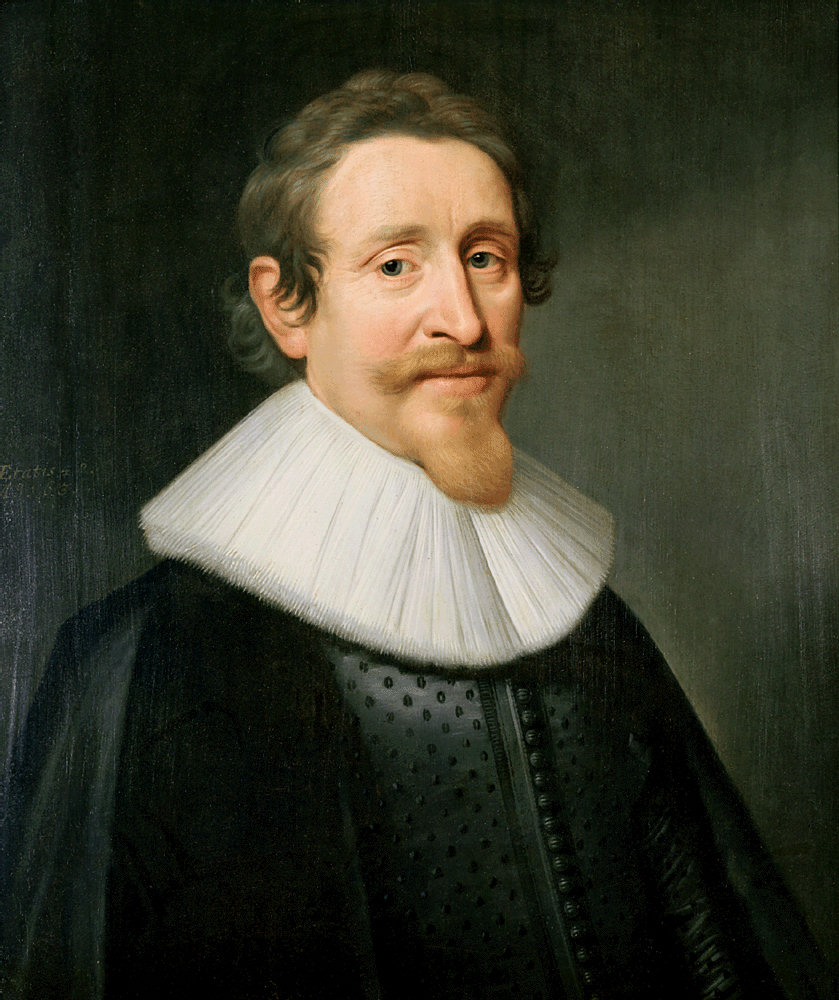
1609 - Hugo Grotius / Hugo de Groot: The Freedom of the Seas / Mare Liberum (All Facts)
Treatise which defends the Dutch’s freedom of the seas
Work which was written by the namesake author after he was retained to defend the Dutch East India Company
Work in which the namesake author explains that the high seas belonged to no one and could not be claimed by any state
This was done in the context of the right of the private Dutch East India Company to take prizes being strongly disputed by the Portuguese, who claimed that the eastern waters were their private property for purposes of trade
Work in which the namesake author argues that God wished human friendships to be engendered by mutual needs, one people supplying the needs of another and that the winds blow to make the oceans navigable
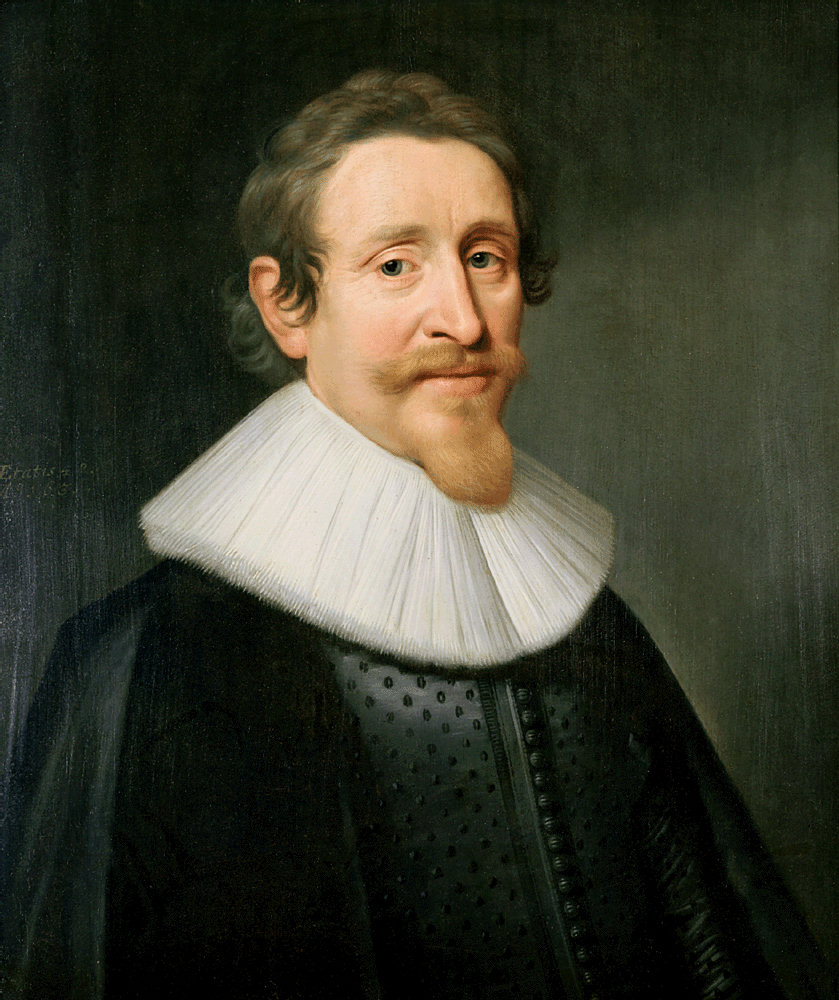
1625 - Hugo Grotius: On the Law of War and Peace / De Jure Belli ac Pacis (All Facts)
Work in which the namesake author attempts to define relations that existed between the new nation-states of Europe of the time
Work in which the namesake author argues that
each nation is a sovereign power, subject to no higher authority, but that there is a law of nature, which is derived from custom and experience
to oppose such a law is to cast aside the bulwark of peace
a nation that sees its vital interests threatened has a right to go to war
Work which the namesake author wrote while in exile in France from the Netherlands during the Dutch Revolt / Eighty Years’ War, which he fled after escaping from prison in Holland
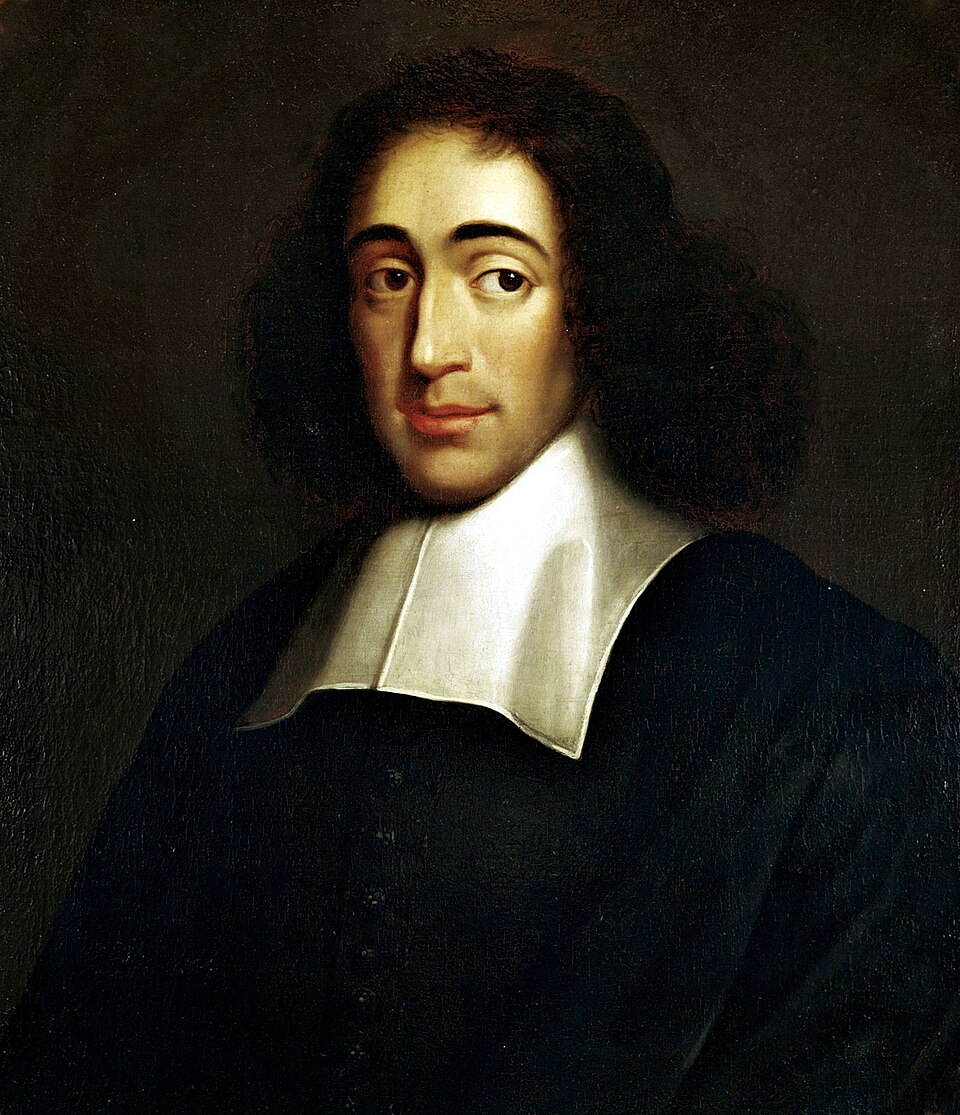
1632 - 1677 - Baruch Spinoza (All Facts)
Dutch Jewish (Rationalist) Philosopher and Theologian
His parents were Portuguese, whom fled the persecution of Conversos in Portugal during the reign of the Habsburgs and of King John IV of Portugal
He was born in Amsterdam but eventually expelled from his synagogue there as his own community refused to accept the strict rationalism of his beliefs that he formulated by the age of 24
He was a lens-maker by trade
He led an independent life after he was excommunicated by his Jewish community, and refused a professorship at Heidelberg University in order to retain that independence
He combined Orthodox Judaism with the teachings of Galileo and Descartes to propose a world in which theology and philosophy, faith and reason, were completely separated
To him, there was no way of reconciling modern science with the Bible
His ideas on religion were regarded as dangerously subversive
He died of phthisis, aggravated by glass dust in his lungs from years of grinding lenses as a lens-maker
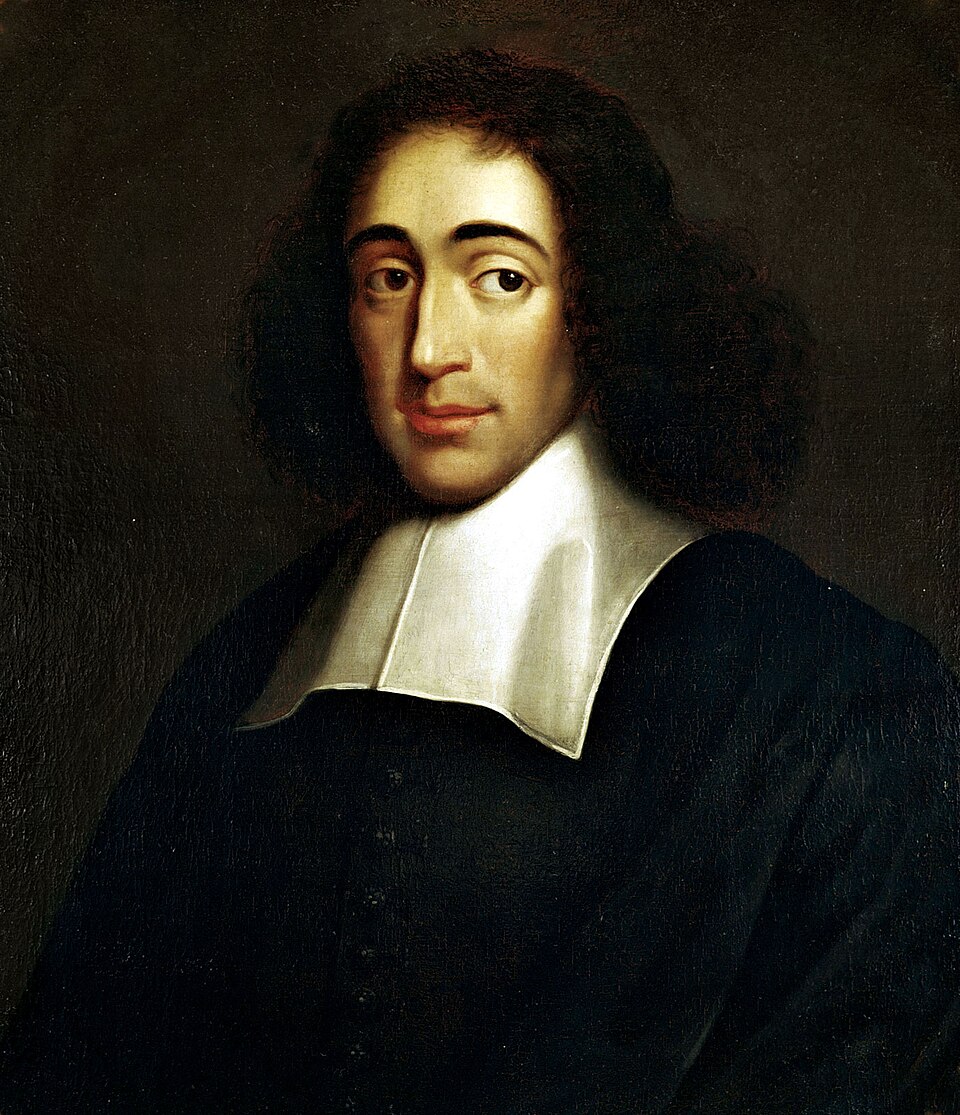
1659 - Baruch Spinoza: Short Treatise on God, Man, and his Well-Being (All Facts)
Treatise in which the namesake author identifies God with nature
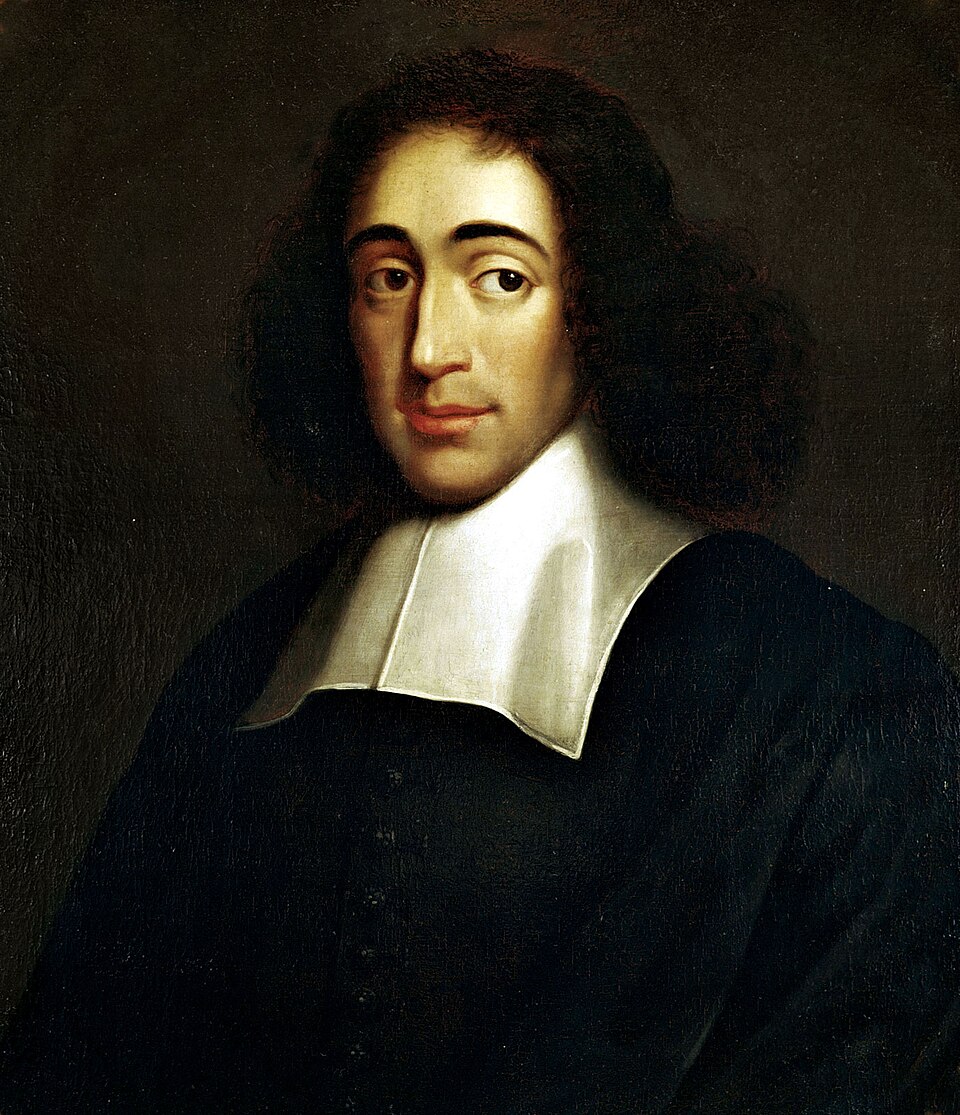
1670 - Baruch Spinoza: Tractatus Theologico-Politicus (All Facts)
Work in which the namesake author
promotes democracy as the most natural form of government
sets out to prove that states are based in natural law rather than religious laws, in which natural law guaranteed every man his liberty
For security’s sake, the namesake author ceded some of that liberty to the state
This gives the ruler his great powers, whether monarch or (as in Holland) the government, as guardian and interpreter of both civil and sacred law
He accepts such power, but trusts authority to rule with justice and wisdom
Work which was not welcomed by the Dutch authorities
Work which was published anonymously in the Hague, the only work of his which was published in his lifetime; it was banned soon thereafter
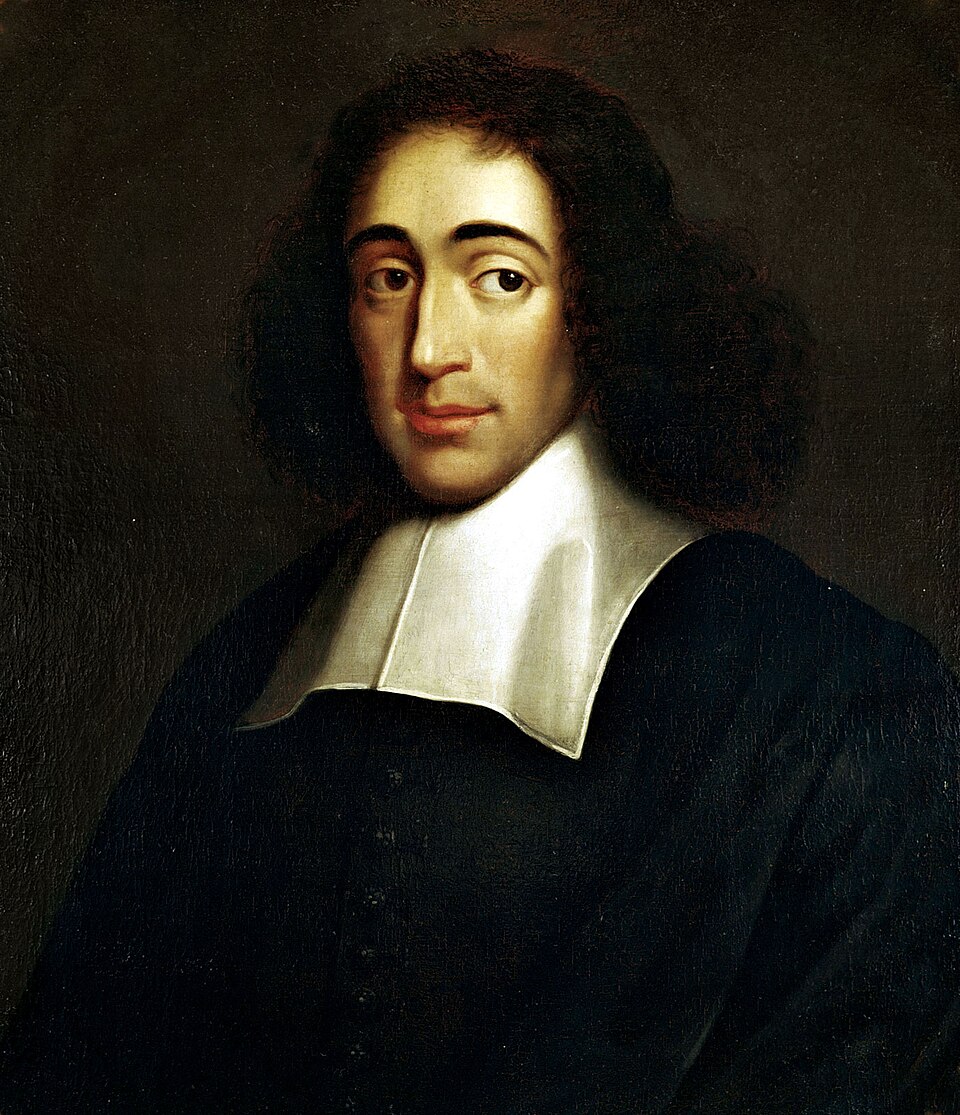
1677 - Baruch Spinoza: Ethics (All Facts)
Work in which the namesake author develops a metaphysical system along Euclidian lines from axioms, theorems, and definitions
Work in which the namesake author argues that
there is no notion of “free will” and that we are “free” only in so far as we act in accordance with God
only God is infinite
Work which was published posthumously