apworld ch 1
0.0(0)
Studied by 1 person Call Kai
 Learn
Learn Practice Test
 Spaced Repetition
 Match
Match Flashcards
 Knowt Play
Card Sorting
1/44

Earn XP
Description and Tags
Last updated 8:17 PM on 10/25/22
Name | Mastery | Learn | Test | Matching | Spaced | Call with Kai | Chat |
|---|
No analytics yet
Send a link to your students to track their progress
45 Terms
1
New cards
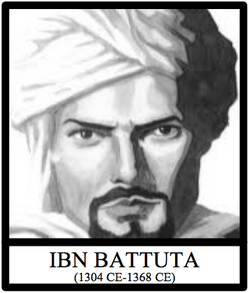
Ibn Battuta
Moroccan Muslim scholar, the most widely traveled individual of his time. He wrote a detailed account of his visits to Islamic lands from China to Spain and the western Sudan.
2
New cards
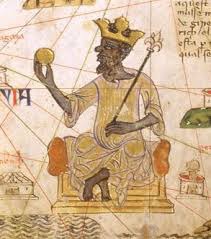
Mansa Musa
Ruler of Mali (r. 1312-1337). His pilgrimage through Egypt to Mecca in 1324-1325 established the empire's reputation for wealth in the Mediterranean world.
3
New cards
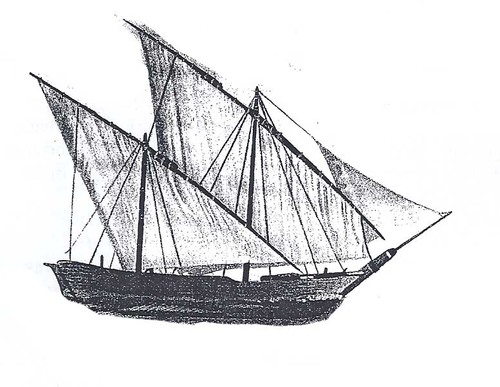
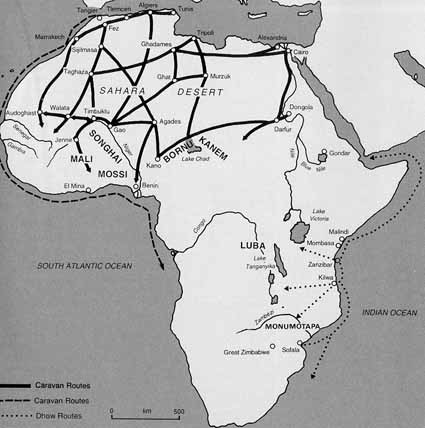
Dhow
Ship of small to moderate size used in the western Indian Ocean, traditionally with a triangular sail and a sewn timber hull used by the Arabs.
4
New cards
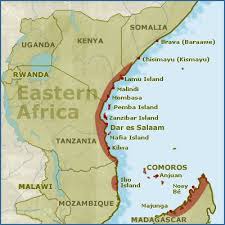
Swahili Coast
East African shores of the Indian Ocean between the Horn of Africa and the Zambezi River
5
New cards
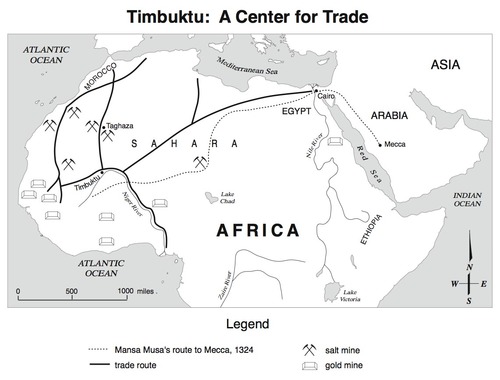
Timbuktu
City on the Niger River in the modern country of Mali. It was founded by the Tuareg as a seasonal camp sometime after 1000. As part of the Mali empire, Timbuktu became a major major terminus of the trans-Saharan trade and a center of Islamic learning.
6
New cards
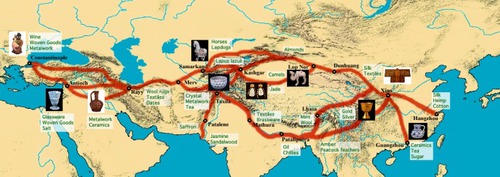
Silk Roads
An ancient trade route between China and the Mediterranean Sea extending some 6,440 km (4,000 mi) and linking China with the Roman Empire. Marco Polo followed the route on his journey to Cathay. (Caravan Route)
7
New cards
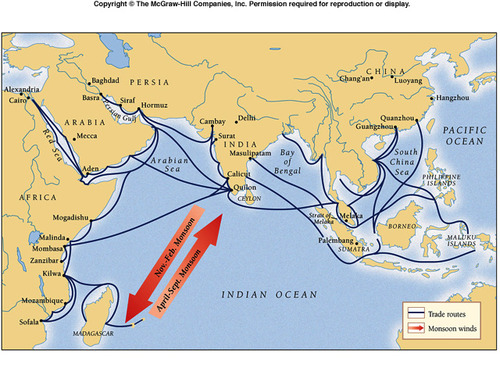
Indian Ocean Maritime System
In premodern times, a network of seaports, trade routes, and maritime culture linking countries on the rim of the Indian Ocean from Africa to Indonesia. (p. 207)
8
New cards
trans-Saharan caravan routes
Trading network linking North Africa with sub-Saharan Africa across the Sahara. (p. 210)
9
New cards
sub-Sahara Africa
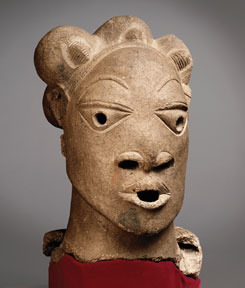
Portion of the African continent lying south of the Sahara. (p. 216)
10
New cards
Ottomans
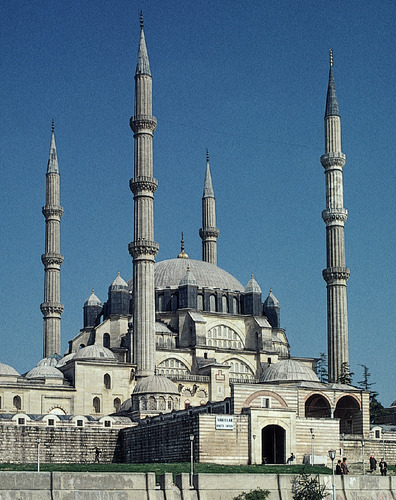
Turks who had come to Anatolia in the same wave of migrations as the Seljuks.
11
New cards
Steppes
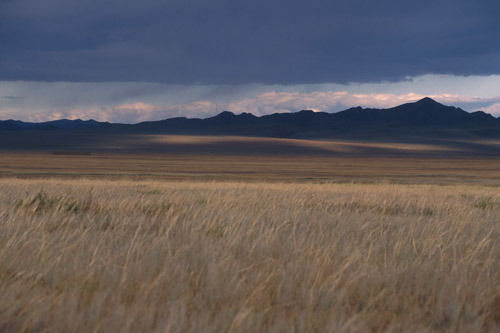
Treeless plains, especially the high, flat expanses of northern Eurasia, which usually have little rain and are covered with coarse grass. They are good lands for nomads and their herds. Good for breeding horses: essential to Mongol military.
12
New cards
Bantu
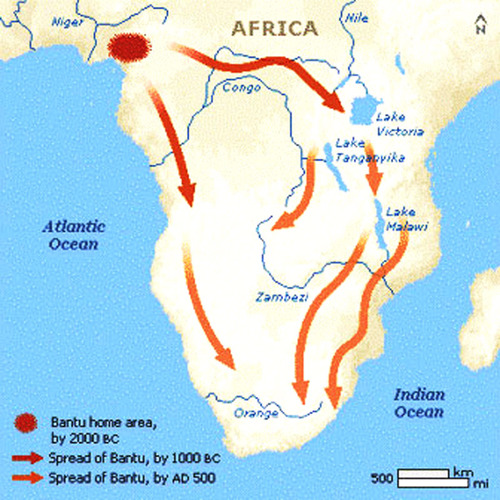
migrated from West Africa and brought skills in farming and iron metallurgy; spread language as well
13
New cards
Ethiopia
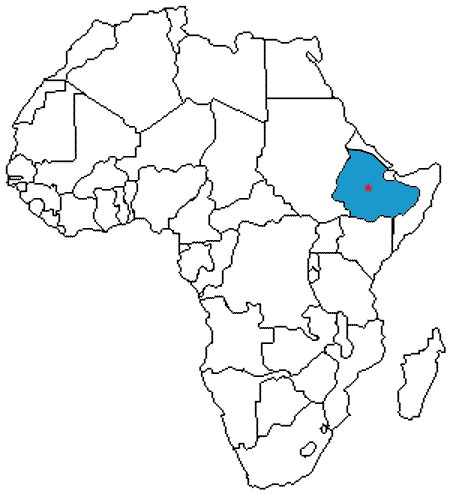
East African highland nation lying east of the Nile River. Christian kingdom in Africa.
14
New cards
Ghana
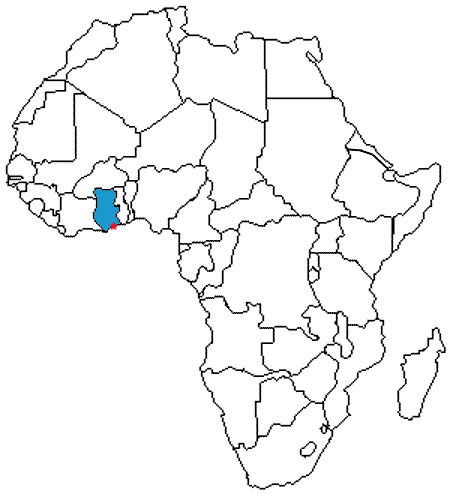
a republic in West Africa on the Gulf of Guinea. First known kingdom in sub-Saharan West Africa between the sixth and thirteenth centuries C.E. Once know as the Gold Coast
15
New cards
Grand Canal
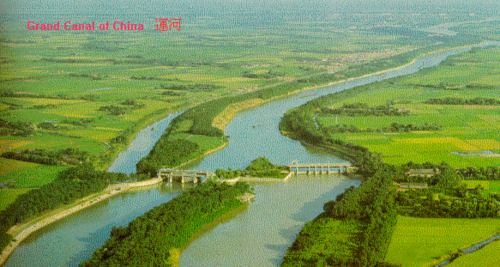
The 1,100-mile (1,700-kilometer) waterway linking the Yellow and the Yangzi Rivers (facilitating trade between N and S China). It was begun in the Han period and completed during the Sui Empire.
16
New cards
Tributary System
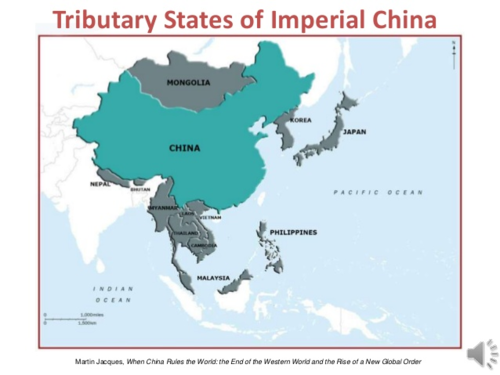
A system in which, from the time of the Han Empire, countries in East and Southeast Asia not under the direct control of empires based in China nevertheless enrolled as tributary states, acknowledging the superiority of the emperors in China. (279)
17
New cards
Bubonic Plague
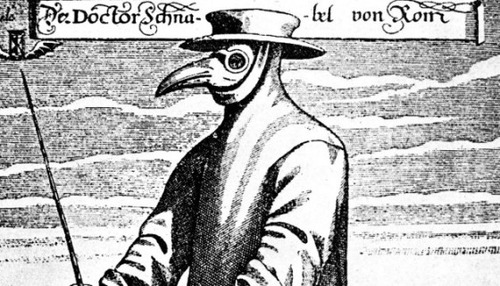
A bacterial disease of fleas that can be transmitted by flea bites to rodents and humans; humans in late stages of the illness can spread the bacteria by coughing. High mortality rate and hard to contain. Disastrous.
18
New cards
Junk Ships (Treasure Ships)
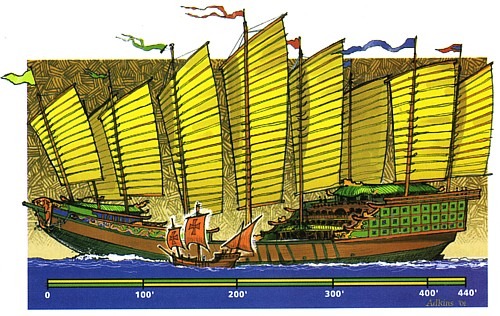
A very large flatbottom sailing ship produced in the Tang and Song Empires, specially designed for long-distance commercial travel.
19
New cards
Zen
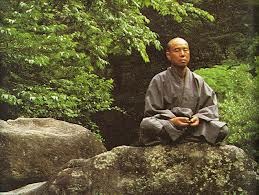
The Japanese word for a branch of Mahayana Buddhism based on highly disciplined meditation. It is known in Sanskrit as dhyana, in Chinese as chan, and in Korean as son. (p. 289)
20
New cards
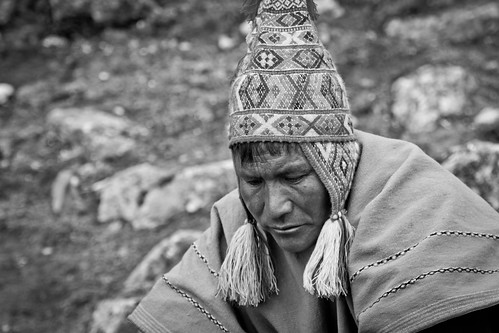
Shamanism
The practice of identifying special individuals (shamans) who will interact with spirits for the benefit of the community.
21
New cards
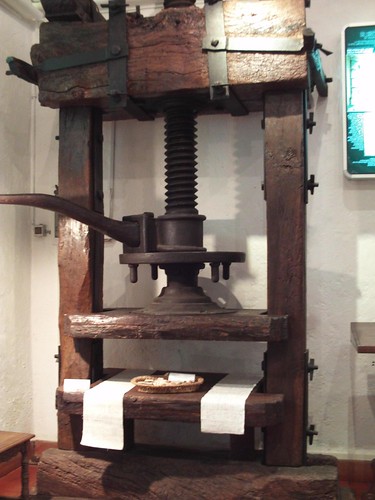
Moveable Type
This was used for printing, and meant that individual letters and words could be moved around to create a page of type. It was an invention of the Renaissance (gold-smiths and paper-makers working together) and helped the spread of humanism over the Alps as it meant that printing was much easier, cheaper, and more efficient. It also led to the famous printing of vernacular Bibles in 1450 by Gutenberg.
22
New cards
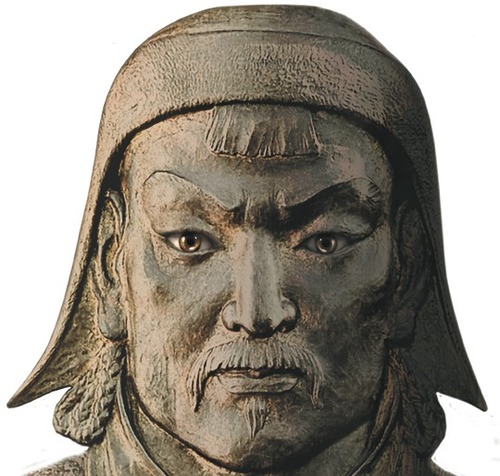
Genghis Khan
The title of Temujin when he ruled the Mongols. It means "oceanic" or universal leader. Genghis Khan was the founder of the Mongol Empire.
23
New cards
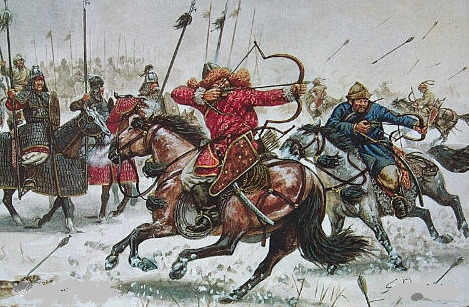
Mongols
A people of this name is mentioned as early as the records of the Tang Empire, living as nomads in northern Eurasia. After 1206 they established an enormous empire under Genghis Khan, linking western and eastern Eurasia. >(p. 325)
24
New cards
Nomadism
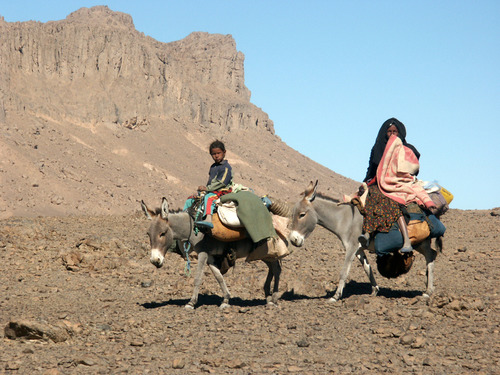
A way of life, forced by a scarcity of resources, in which groups of people continually migrate to find pastures and water. (p. 326)
25
New cards
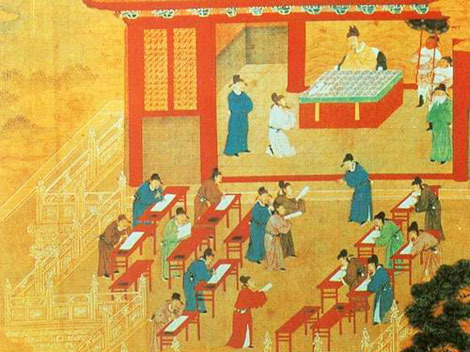
Civil Service Exams
Exam all Chinese government official-to-be's had to go through in order to prove themselves. Very rigorous, although once you passed, instant success was guaranteed.
26
New cards
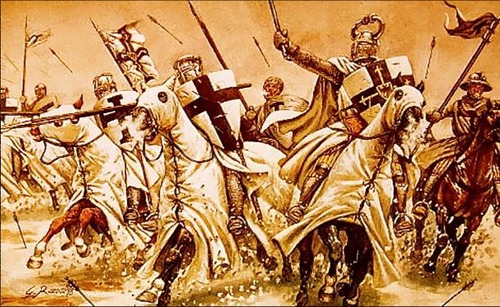
The Crusades
series of military campaigns, where roman catholics tried to capture "holy land" from muslims, some were in Europe
27
New cards
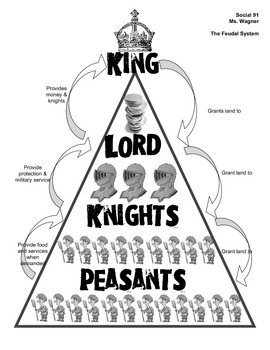
Feudalism
The social organization created by exchanging grants of lands or fiefs in return for formal oaths of allegiance and promises of loyal service; typical of European Middle Ages; greater lords provided protection and aid to lesser lords in return for military service.
28
New cards
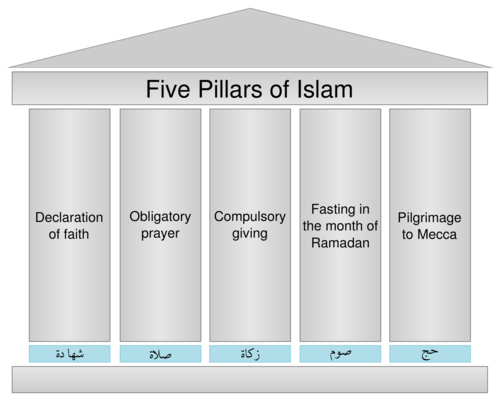
Five Pillars of Islam
religious duties of all Muslims: Shahadah (profession that there is no god but god), prayer (5 times a day facing Mecca), fasting during Ramadan, zakat (tax for charity), and the hajj (pilgrimage to Mecca)
29
New cards
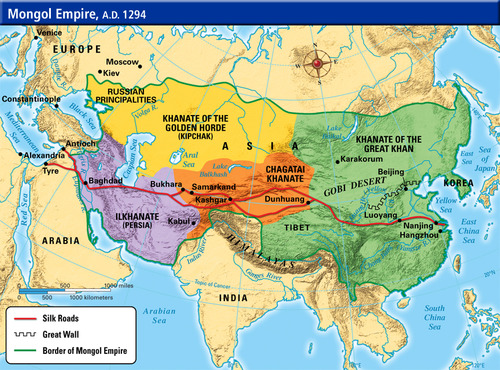
Golden Horde Khanate
-After Genghis Khan's death, the Mongol Empire was divided into four Khanates
-This was the Khanate (area controlled by a Khan) where the Mongols controlled Russia
-In the Khanate, there wasn't too much government structure; the __________________ would keep a large army around and often raid into Russia for food and suppliles
-This was the Khanate (area controlled by a Khan) where the Mongols controlled Russia
-In the Khanate, there wasn't too much government structure; the __________________ would keep a large army around and often raid into Russia for food and suppliles
30
New cards
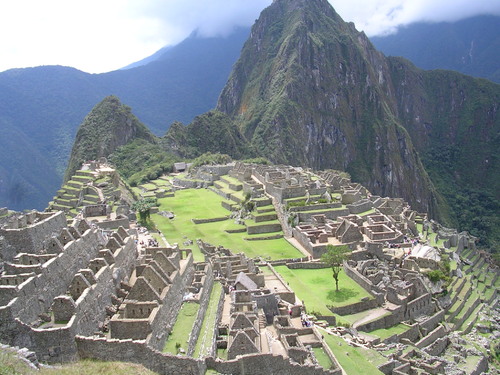
Inca
Largest and most powerful Andean empire. Controlled the Pacific coast of South America from Ecuador to Chile from its capital of Cuzco.
31
New cards
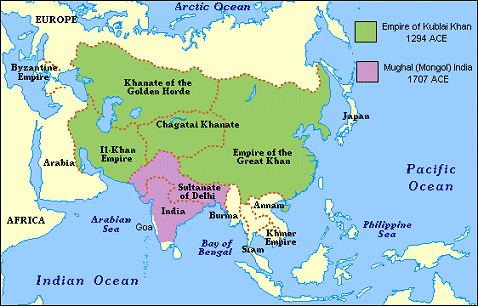
Khanates
Four regional Mongol kingdoms that arose following the death of Genghis Khan.
32
New cards
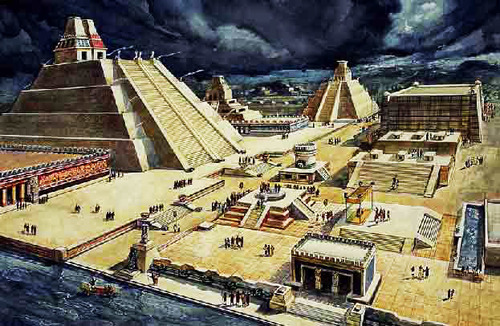
Aztec
(1200-1521) 1300, they settled in the valley of Mexico. Grew corn. Engaged in frequent warfare to conquer others of the region. Worshipped many gods (polytheistic). Believed the sun god needed human blood to continue his journeys across the sky. Practiced human sacrifices and those sacrificed were captured warriors from other tribes and those who volunteered for the honor.
33
New cards
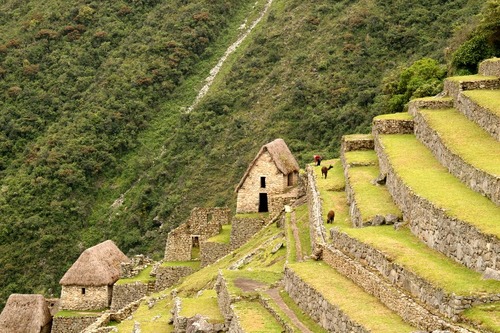
Terrace Farming
farming system in the form of steps going up the mountain, used by Inca
34
New cards
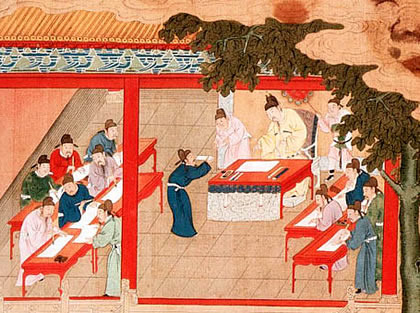
Neo-Confucianism
term that describes the resurgence of Confucianism and the influence of Confucian scholars during the Tang Dynasty
35
New cards
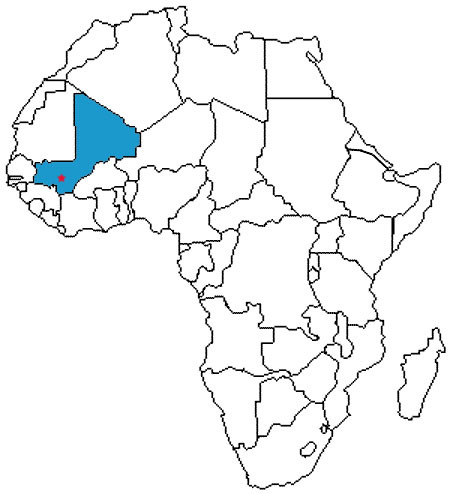
Mali
The kingdom in West Africa that followed the Kingdom of Ghana; its wealth is also based on trans-Saharan trade; this kingdom encouraged the spread of Islam.
36
New cards
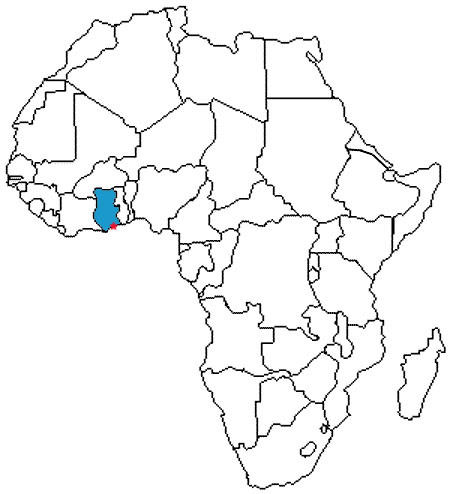
Ghana
First known kingdom in sub-Saharan West Africa between the sixth and thirteenth centuries C.E. Also the modern West African country once known as the Gold Coast. gold and salt trade.
37
New cards
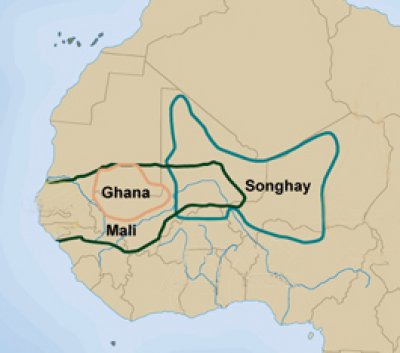
Songhai
a West African empire that conquered Mali and controlled trade by conquering Timbuktu and Jenne; defeated by group of Moroccan Muslims who used guns (tech unseen before by Songhai ar
38
New cards
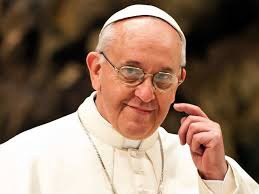
Roman Catholic Church
Church established in western Europe during the Roman Empire and the Middle Ages with its head being the pope.
39
New cards
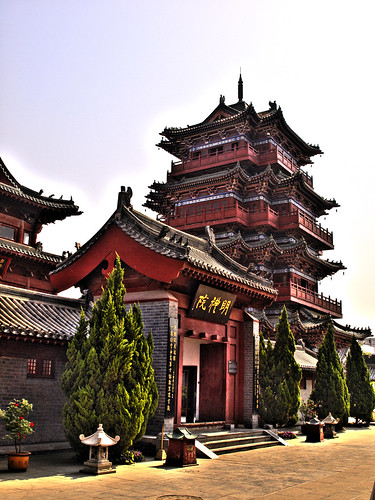
Song Dynasty
(960-1279 CE) The Chinese dynasty that placed much more emphasis on civil administration, industry, education, and arts other than military.
40
New cards
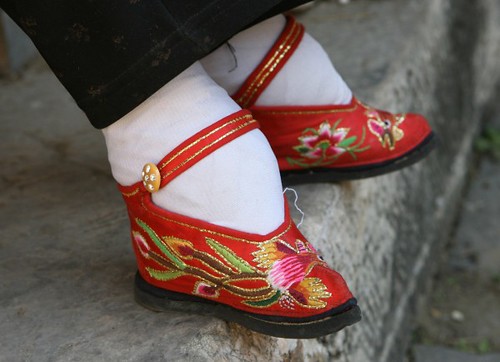
Footbinding
Practice in Chinese society to mutilate women's feet in order to make them smaller; produced pain and restricted women's movement; made it easier to confine women to the household.
41
New cards
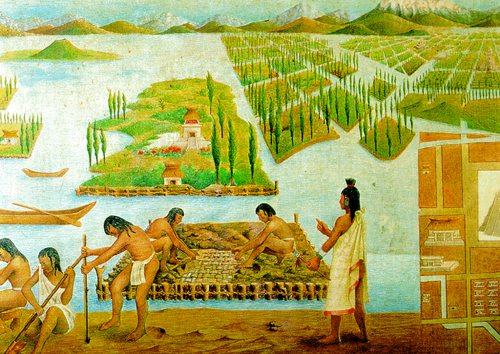
Chinampas
floating farming islands made by the Aztec
42
New cards
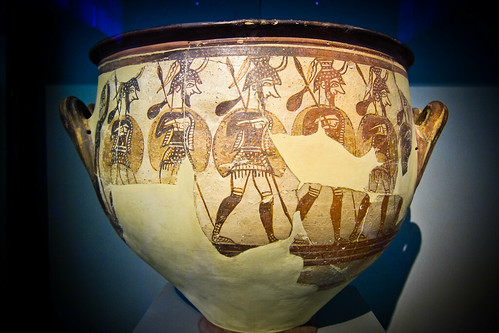
Patriarchal Society
Society in which men are the head of their families and are considered to have more power
43
New cards
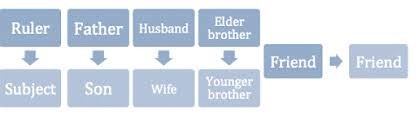
Five Key Relationships
taught by Confucianists: father to son, ruler to subject, husband to wife, older brother to younger brother, friend to friend
Each relationship has a superior who protects/cares for and a subordinate who obeys/respects-- except for friend-to-friend which is equal
Each relationship has a superior who protects/cares for and a subordinate who obeys/respects-- except for friend-to-friend which is equal
44
New cards
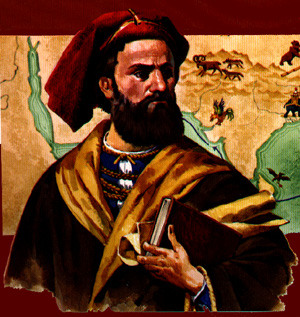
Marco Polo
Venetian merchant and traveler. His accounts of his travels to China offered Europeans a firsthand view of Asian lands and stimulated interest in Asian trade.
45
New cards
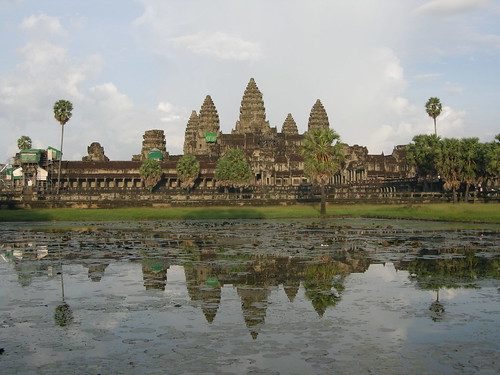
Ankor Wat
Built during the Khmer Empire in the capital of Angkor Thom, Hindu temple, shows the spread of Hinduism in SE Asia