Microbiology Lecture 12: Antibiotics 2
 Call Kai
 Learn
Learn Practice Test
 Spaced Repetition
 Match
Match Flashcards
 Knowt Play
1/15

There's no tags or description
Looks like no tags are added yet.
Name | Mastery | Learn | Test | Matching | Spaced | Call with Kai | Chat |
|---|
No analytics yet
Send a link to your students to track their progress
16 Terms
What do antibiotics selectively target in bacteria?
The peptidoglycan wall

Beta-lactam antibiotics target the cell wall
Penicillin’s:
penicillin G(gram +)
Amoxicillin (gram +/-)
Ampicillin(gram+/ -)
-highly effective by preventing bacteria from building peptidoglycan in cell wall

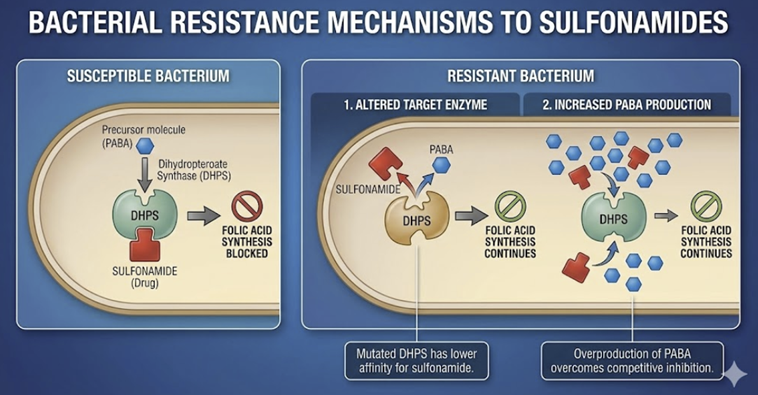
Sulfa (sulfonamides) drugs target folic acid
folic acid necessary for bacteria to replicate DNA
-broad spectrum
-commonly used for uti, eye infection, burns, skin infection like MRSA
Evolution leads to AMR(antimicrobial resistance)
1) Mutation creates radiation
2)Unfavorable mutations selected against
3) reproduction and mutation
4)favorable mutations more likely to survive and reproduce
-in antibiotic treated patients, susceptible bacteria die but antibiotic resistant cells survive and multiply
-the patient relapses and risks transmitting the antibiotic resistant stain to a new person

Strategies bacteria use to resist antibiotics: Mechanisms of resistance
1)Prevent entry
2) prevent binding
3)dislodge it

Beta-lactam AMR
Fake target compounds are used to inactive resistance enzymes
-clavulanic acid added to inactive enzymes that destroy beta-lactam antibiotics

Horizontal gene transfer to AMR
bacteria will replicate plasmids when replicating but also to nearby bacteria through horizontal gene transfer

Horizontal gene transfer
occurs when bacteria exchange plasmids
-if plasmid has an antibiotic resistance gene, it will be shared among bacteria

Livestock antibiotic use contributes to AMR
-animals may serve as “incubators” for antibiotic resistance
-widely accepted practice of adding antibiotics to animal feed makes animals larger, and more profitable
-promotes resistance in nonpathogens that can then be transferred to pathogens by horizontal gene transfer

Antivirulence drugs don’t kill bacteria, just their weapons
-bad guys turned good
-target virulence factors, the components that bacteria have that cause disease-neutralizes toxins
-strategy to prevent AMR

Antibiotic stewardship
a set of guidelines designed to slow the development of antibiotic-resistant microbes:
-know when antibiotics should be administered
-de-escalate antibiotic usage once pathogen and subsequent resistance patterns is identified

Stewardship practices for patients
-patients advised against demanding antibiotic treatment from provider
-advised to take treatment only when and exactly as prescribed

Methods for preventing infections
-maintaining good hygiene
-getting vaccinated for herd immunity
-not exposing healthy, susceptible people when sick

Stewardship practice for healthcare professionals
1) Avoiding unnecessary prescriptions or overprescribing
2) Multiple antibiotics with different modes of action may be administered simultaneously to reduce change of AMR
3) Accurate testing/reporting during an epidemic helps control transmission
4) educate patients about the consequences of improperly using antibiotics or sharing them with others

Kirby-Bauer assay
-uses round-filter paper disks with different antibiotics, placed on a specialized agar inoculated with a standard bacterial concentration

Zone of inhibition
measured around to determine the susceptibility of the organism to the antibiotic
