(L19, L22) IMED2003 - Big Data, CCI
 Call Kai
 Learn
Learn Practice Test
 Spaced Repetition
 Match
Match Flashcards
 Knowt Play
1/60

There's no tags or description
Looks like no tags are added yet.
Name | Mastery | Learn | Test | Matching | Spaced | Call with Kai | Chat |
|---|
No analytics yet
Send a link to your students to track their progress
61 Terms

What is meant by "big data" in the lecture?
- Oxford definition: extremely large datasets analysed computationally to reveal patterns, trends and associations, particularly in human behaviour/interactions.
- Another operational definition: datasets requiring parallel computing to handle them.
- The term is also used loosely for advanced analytics (AI/machine learning) that extract value.
- Applications: government, media, insurance, advertising, IT and healthcare; spotting business trends, crime and disease.
.
Lecturer explanation: Size alone does not guarantee useful insight.

Which developments caused the growth of big data over roughly 40 years?
- From 1990-2005 over 1 billion people entered the middle class; increasing education/literacy expanded information production.
- Internet of Things: networked phones, watches and other devices collect/exchange sensor data.
- Rapid growth of digital storage and telecommunications capacity.
- Expansion of data-management/analytics software businesses.
- Biomedical technological advances: whole-genome sequencing (WGS), omics and high-throughput assays.
- Datasets continually increase in both number and size.
Lecturer explanation: Human-genome sequencing fell from roughly US$1 billion for the first genome to about US$1,000 around two decades later.
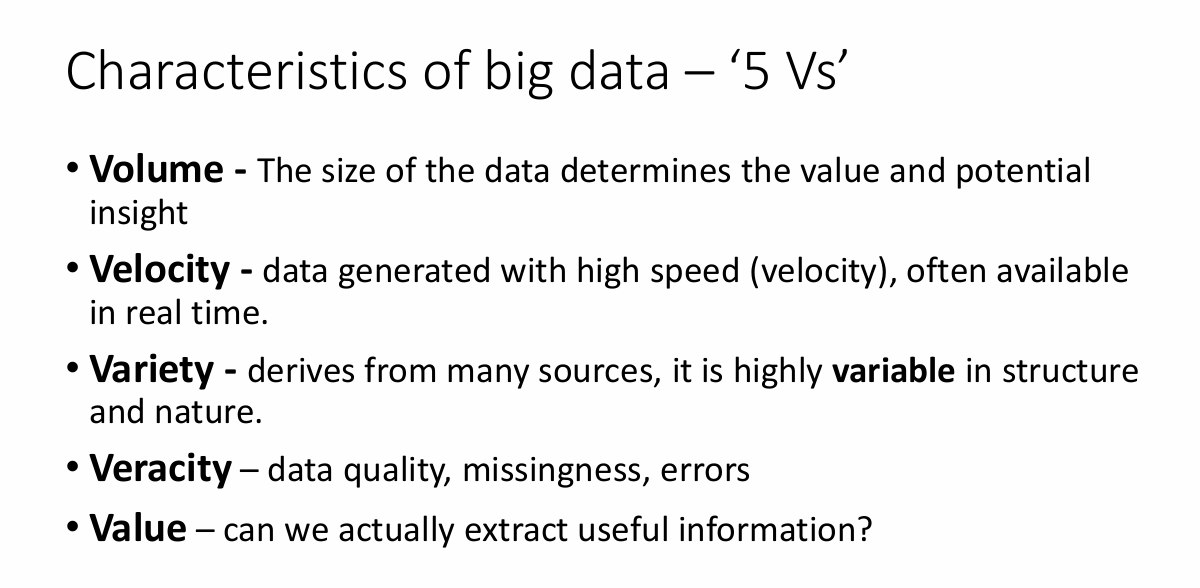
What are the five Vs of big data and what does each mean?
1. Volume — very large size; potentially greater insight.
2. Velocity — high-speed generation, often real time.
3. Variety — diverse sources, structures and data types.
4. Veracity — reliability, completeness, missingness, errors and bias.
5. Value — whether meaningful/useful information can actually be extracted.
Lecturer explanation: Volume, velocity and variety were the original three Vs; veracity and value were added to confront quality and utility.


How do traditional programming, artificial intelligence, machine learning and deep learning relate?
Traditional programming: rules + data → answer.
Machine learning (ML): data + known answers → model learned → model predicts answers for new data.
.
- ML is a subset of artificial intelligence (AI).
- Deep learning/neural-network approaches are within ML (mentioned at surface level only).
- An ML model may learn relationships difficult to code as explicit human rules.


What four classes of task can machine learning perform?
1. Descriptive/classification — describe or assign existing categories.
2. Pattern recognition/discovery — detect patterns and potentially new categories.
3. Predictive — forecast an outcome/event.
4. Prescriptive — suggest what action to take.

What determines machine-learning performance, and how do supervised and unsupervised methods differ?
- Training/evaluation data quality, quantity and diversity.
- Feature choice (attributes/variables) and model selection.
- Changes between development data and real clinical environments.
.
Supervised learning: known labels/answers and considerable human choice about features or model.
Unsupervised learning: algorithm seeks structure/categories without supplied answers.
Lecturer emphasis: Excellent training-set performance does not guarantee real-world performance.

What supporting technologies make big-data analysis practical?
- AI/ML for advanced analytics.
- Blockchain: tamper-resistant shared digital records supporting security.
- Cloud computing: distributed storage and accessible processing.
- Software/code for analysis pipelines; increasingly assisted by AI ("vibe coding").

What is "vibe coding" and why is it significant for biomedical research?
AI turns natural-language instructions or research intent into functioning code/software modules.
- Previously skilled programmers were an important bottleneck.
- Clinicians/researchers may now build analysis pipelines, decision-support tools and simulation environments.
- Jensen Huang quotation on slide: "There's a new programming language. It's called English."
Lecturer explanation: Greater access also lets inexperienced users produce code they may not understand.
What safeguards are needed when AI generates biomedical research code?
- Standardised validation pipelines.
- Automated benchmarking against trusted/reference datasets.
- Documentation of code provenance (where and how code was generated).
- Scrutiny of correctness, reproducibility, traceability, data privacy, regulatory compliance and accountability.
.
Lecturer emphasis: Disclose when software was AI-generated and verify it against a reliable standard rather than assuming the program does what was requested.

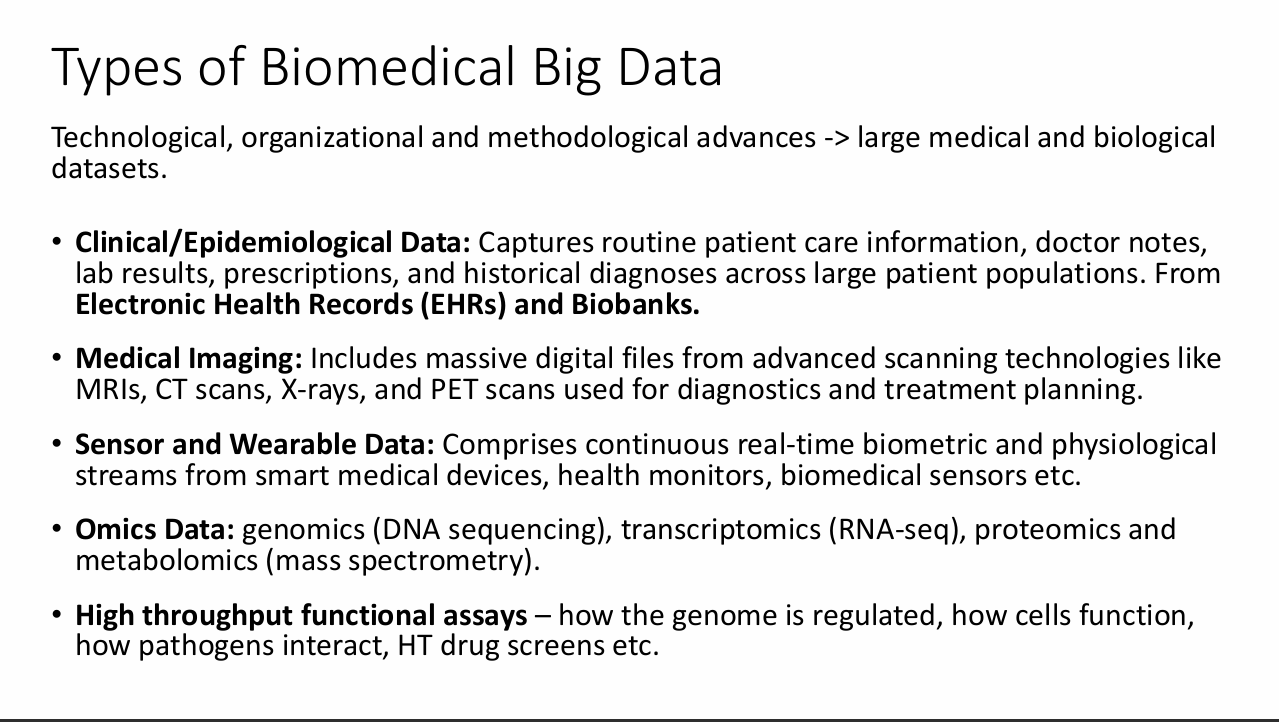
What are the five main categories of biomedical big data?
1. Clinical/epidemiological records: electronic health records (EHRs), biobanks, diagnoses, notes, laboratory results, prescriptions.
2. Medical imaging: MRI, CT, X-ray and PET files.
3. Sensors/wearables: continuous biometric/physiological data.
4. Omics: genomics/DNA sequencing, transcriptomics/RNA-seq, proteomics, metabolomics/mass spectrometry.
5. High-throughput functional assays: genome regulation, cellular functions, pathogen interactions and drug screens.
.
Lecturer explanation: WA linked health datasets are one population-scale example; new technology has made large assays and sequencing cheaper and faster.

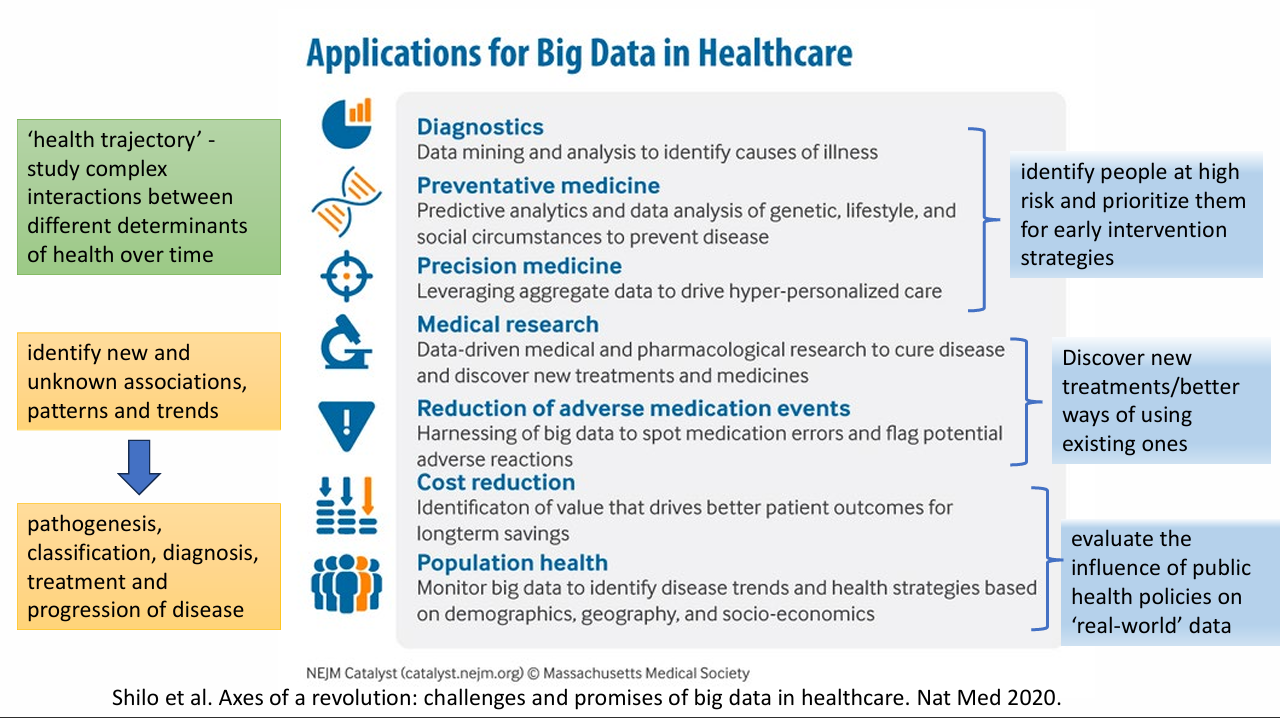
What is a health trajectory, and what does big data contribute to studying it?
A health trajectory examines interactions among multiple determinants of a person's health over time, rather than treating health as merely disease present versus absent.
- Biological, physical, psychological, social and environmental factors can interact.
- Big-data analysis can reveal patterns/associations across time and people to support prevention, population health, risk stratification and early intervention.
.
Lecturer explanation: Health includes physical, mental and social wellbeing, making its determinants complex.
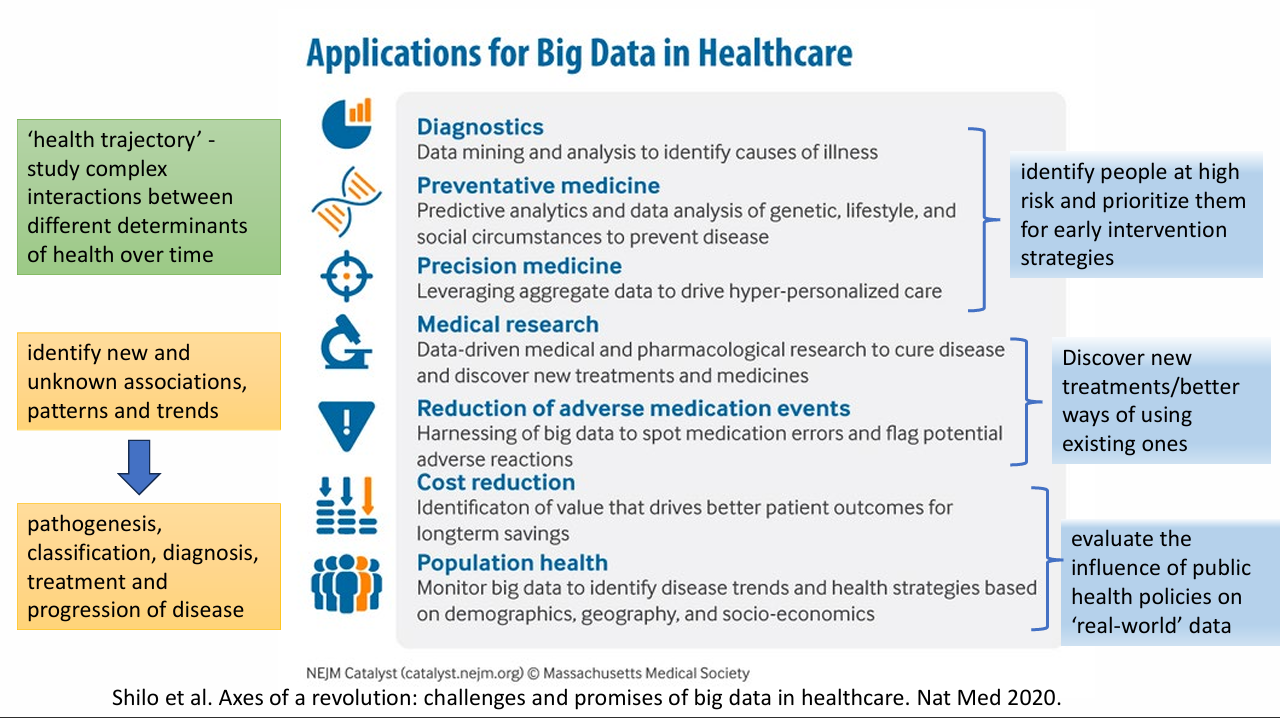

What seven healthcare application areas are depicted in the big-data figure?
1. Diagnostics — identify illness, classify disease.
2. Preventative medicine — genetic/lifestyle/social risk prediction and prevention.
3. Precision medicine — personalise care using aggregated and individual data.
4. Medical research — investigate disease and discover treatments.
5. Reduce adverse medication events — flag errors and reactions.
6. Cost reduction — identify effective care and avoid waste.
7. Population health — monitor patterns across geography, demographics and socioeconomic circumstances.
.
Also: discover novel associations, pathogenesis, progression/prognosis, improved therapies and real-world effects of public-health policies.

How was machine learning used in Regina Barzilay's mammography project?
- An ambiguous mammogram and prolonged diagnosis preceding her breast cancer motivated MIT computer scientist Regina Barzilay to collaborate with radiologists.
- ML looked for subtle imaging patterns humans might miss.
- Training dataset: mammograms from 32,000 women of diverse ages/races with information on breast-cancer diagnosis within FIVE years.
- Independent evaluation dataset: 3,800 additional patients.
- Result: more accurate cancer-risk prediction than then-common clinical practices.
.
Lecturer explanation: Training means learning from known answers; evaluation tests performance on separate data.


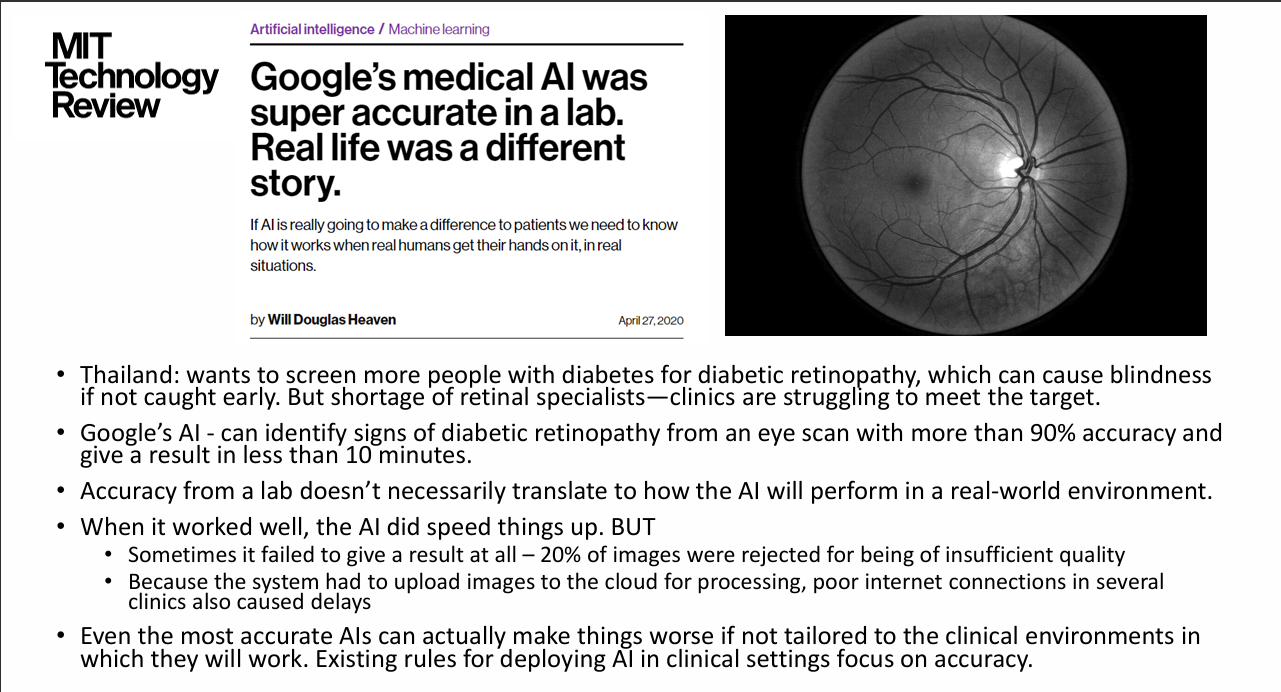
Why did Google's diabetic-retinopathy AI have problems in Thai clinics despite high laboratory accuracy?
- Thailand needed screening because diabetic retinopathy can cause blindness and retinal specialists were scarce.
- In testing, Google AI reported >90% accuracy with results in <10 minutes.
- In practice approximately 20% of images were rejected for inadequate image quality.
- Cloud upload plus poor internet delayed outputs.
- When working it accelerated screening, but accuracy alone did not guarantee useful implementation.
.
Lecturer emphasis: Clinical environment and workflow must be considered, not simply model accuracy.

What diagnostic strengths and limitations does AI currently have in radiology?
Strengths:
- Lesion detection and binary classification (haemorrhage/no haemorrhage; fracture/no fracture).
- Discovery of imaging features not previously recognised by clinicians.
.
Limitations:
- May inadequately incorporate history, clinical context or prior/concurrent imaging.
- Weak generalisability between changing clinical settings.
- Requires collaboration between radiologists and algorithm developers for safe use.


What unusual image feature was identified in the chest-X-ray mortality-prediction study?
- ML analysed ~85,000 chest X-rays from clinical-trial participants followed for >12 years.
- Estimated individual risk of death over follow-up.
- Considered expected characteristics (such as body structure), but also an area beneath the shoulder blades with no recognised medical meaning.
- Researchers speculated flexibility might explain its association with longevity; this was a hypothesis, not established mechanism.

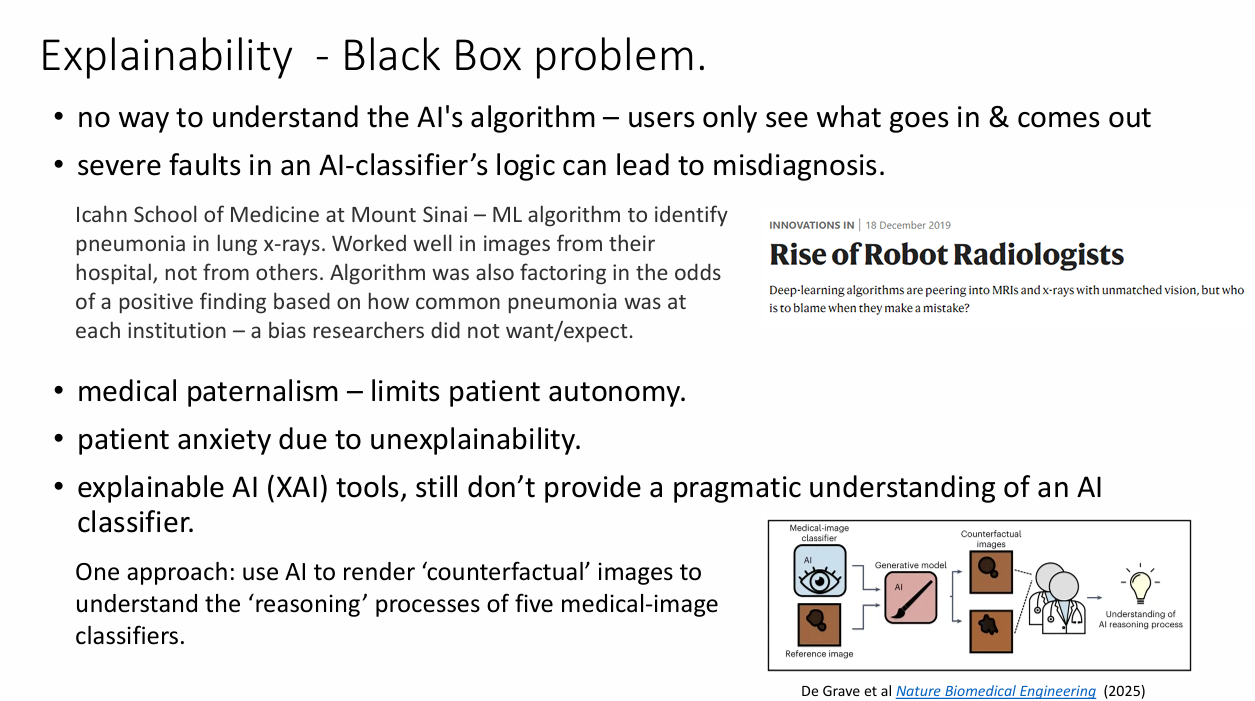
What is the black-box or explainability problem in medical AI?
- Inputs and outputs are visible, but the internal decision logic often cannot be understood by users.
- Hidden spurious cues can produce errors or misdiagnoses.
- Clinicians and patients cannot adequately judge decisions; potential medical paternalism, reduced autonomy and anxiety.
- Explainable AI (XAI) tools exist but may still fail to offer a clinically practical account of decisions.


What did the Mount Sinai pneumonia-image classifier reveal about unintended AI bias?
- A classifier performed well at its own hospital but poorly elsewhere.
- It was unintentionally using hospital-specific pneumonia prevalence to help predict labels, rather than solely the intended relevant imaging cues.
- Thus an apparently accurate model can exploit site-specific shortcuts that do not transfer.
.
Lecturer explanation: Researchers did not intend or anticipate this feature of the learned model.


How can counterfactual images be used to investigate a medical AI classifier's decisions?
- Generate altered medical images that switch the classifier's prediction.
- Compare altered image features; clinicians interpret which visual changes are medically meaningful.
- Work described by De Grave et al. (2025) explored five medical-image classifiers.
- Melanoma example: plausible features included lesion size/borders; an implausible feature included background skin tone.


What are NCBI, gnomAD, TCGA and 23andMe as sources of biomedical data?
- NCBI (US National Center for Biotechnology Information): sequences, gene regulation, protein structures/functions, diseases, and tools including BLAST.
- gnomAD (Genome Aggregation Database): harmonised exome and genome sequencing summary data from large projects.
- TCGA (The Cancer Genome Atlas, NIH): >20,000 tumour and matched-normal samples from 33 cancer types; >2.5 petabytes of genomic, epigenomic, transcriptomic and proteomic data.
- 23andMe: direct-to-consumer genetic testing company; shares anonymised genetic profiles and questionnaire data with researchers/companies.


What is a biobank and why is it powerful for research?
A research resource often organised as a prospective cohort that links samples (such as DNA) to extensive health and other participant information.
- High statistical power: many participants.
- High resolution: many measurements per person (EHRs, genetic, clinical, imaging, proteomic/metabolomic data).
- Enables genotype-phenotype studies, understanding disease, prevention and treatment development.


What is the representativeness problem with global biobanks?
- Major biobanks disproportionately come from high-income, developed countries, especially in the Northern Hemisphere.
- Many populations and ancestries are underrepresented.
- Biobank results and risk-prediction tools may therefore not apply equally to other groups.


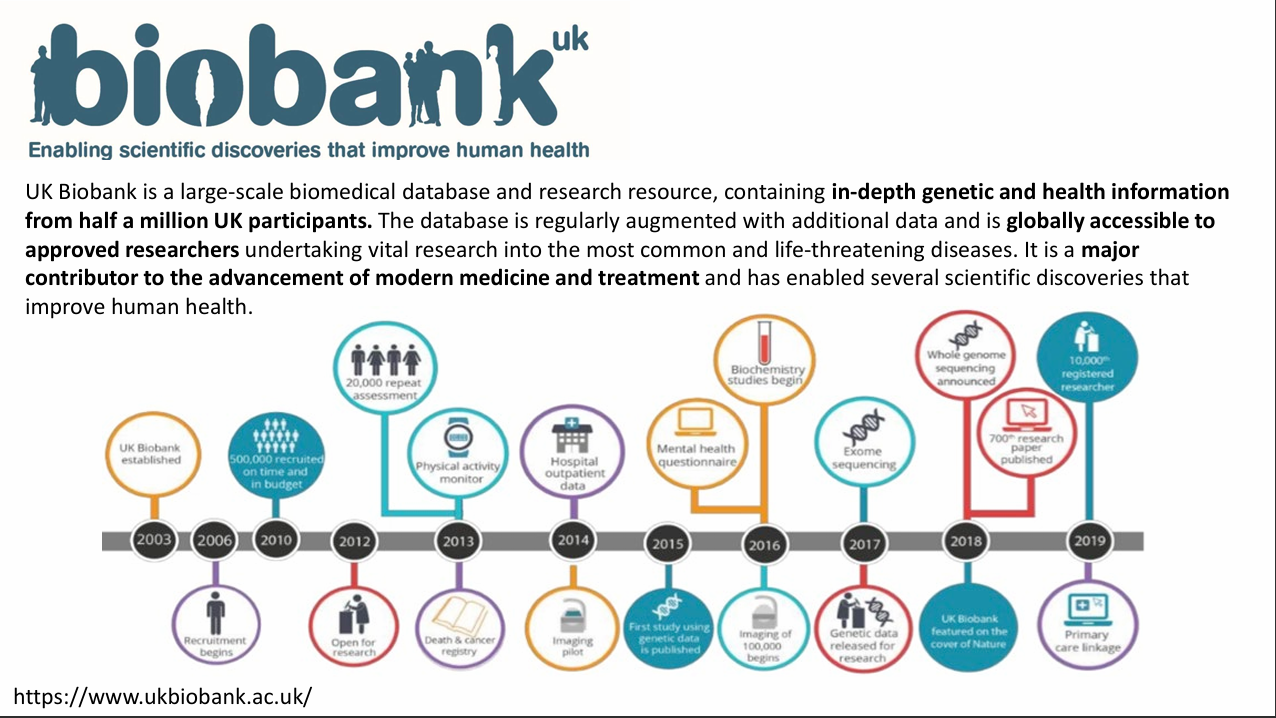
What are the main features and sampling limitations of UK Biobank?
- Genetic and health information from roughly 500,000 UK participants.
- Repeated data enhancement, connection to EHRs, genome sequencing and other measurements.
- Available worldwide to approved researchers (subject to access arrangements).
- Volunteers often healthier and wealthier than the general population.
- Lecturer reported around 95% of participants are white, illustrating limited ancestry diversity.

What research-governance lesson arose from the reported 2026 UK Biobank data breach?
- Slide cites Nature correspondence dated 12 May 2026 about a UK Biobank breach.
- Lecturer described participant information reportedly listed for sale and interrupted access following the incident.
- Large-scale scientific sharing improves research but cannot guarantee protection from misuse, including by authorised data users.
- Balance openness, privacy, security, accountability and public trust.

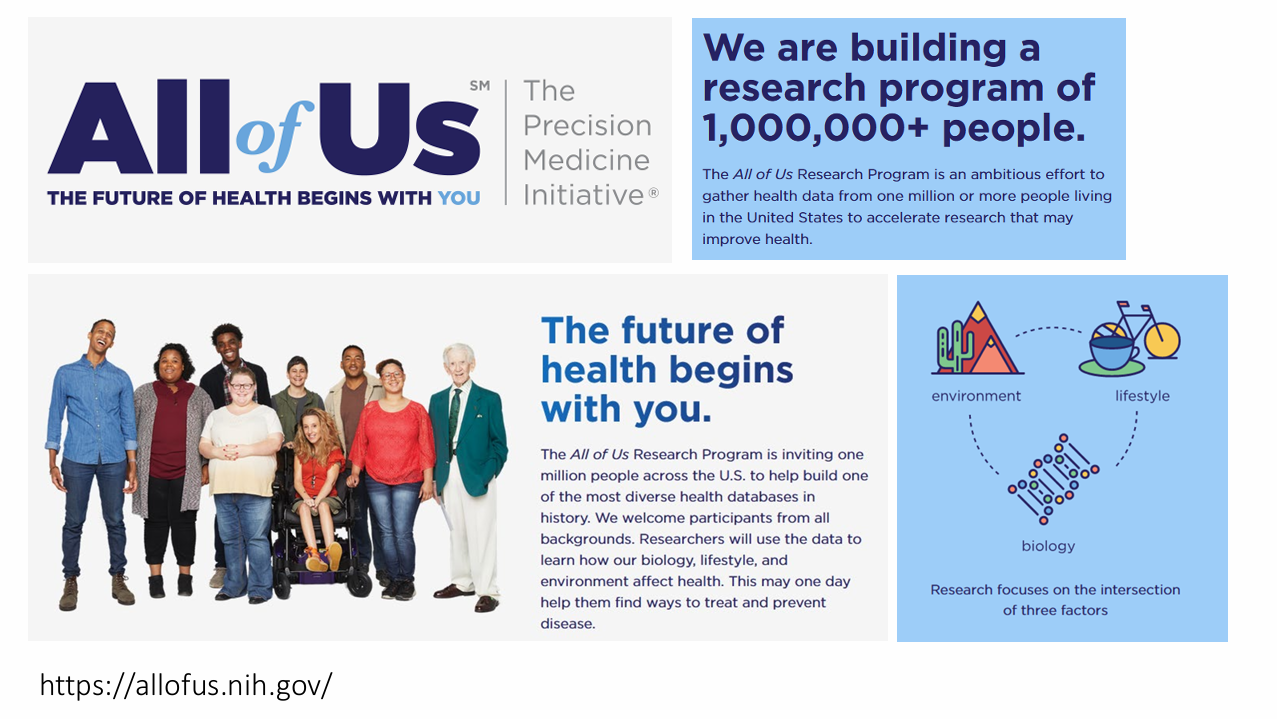
How does the US All of Us programme differ from UK Biobank?
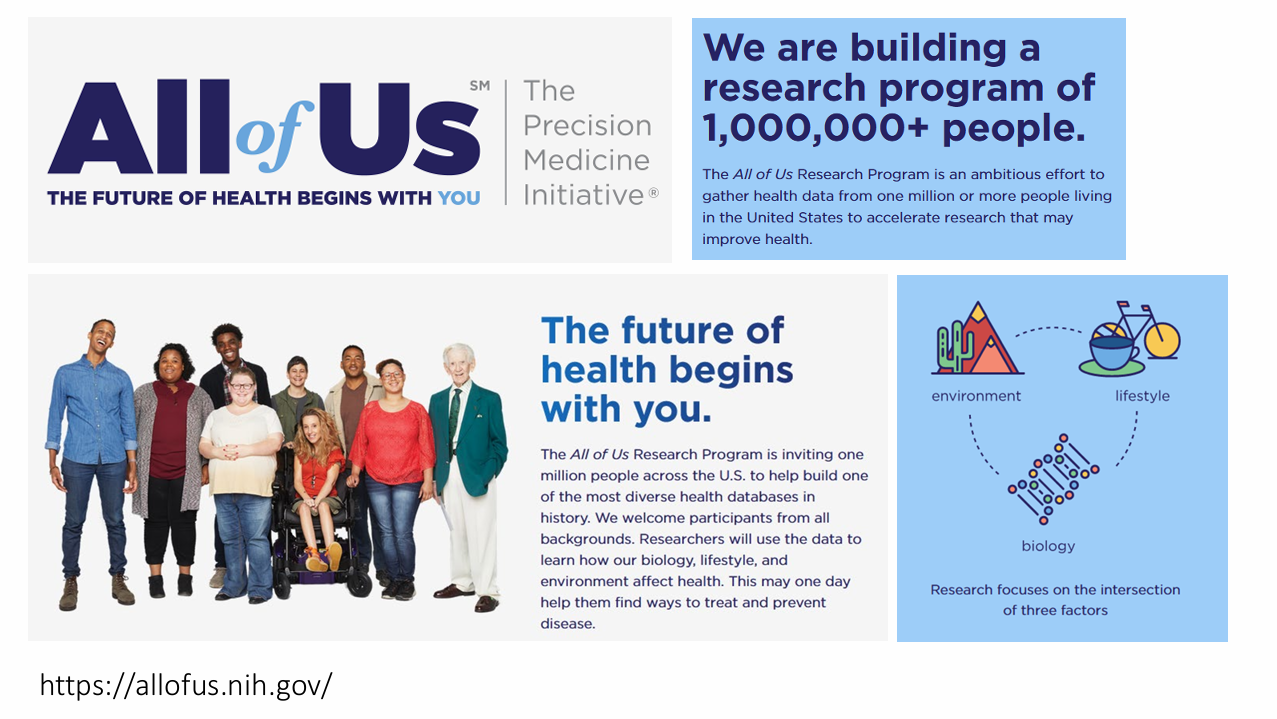
- NIH All of Us Precision Medicine Research Program aims for 1,000,000+ participants.
- Explicit emphasis on ancestrally and socially diverse recruitment and historically underrepresented groups.
- Lecturer said ~80% of recruits were from traditionally underrepresented groups; multilingual/bilingual outreach was a strategy.
- Integrates environment, lifestyle and biology to understand disease prevention and treatment.
What is a genome-wide association study (GWAS), and why is follow-up required?
- Uses genotyping or sequencing across the genome to test associations between variants and a disease/trait.
- GWAS association is CORRELATION, not proof of causation.
- Functional studies and attention to confounding are required before identifying mechanisms.
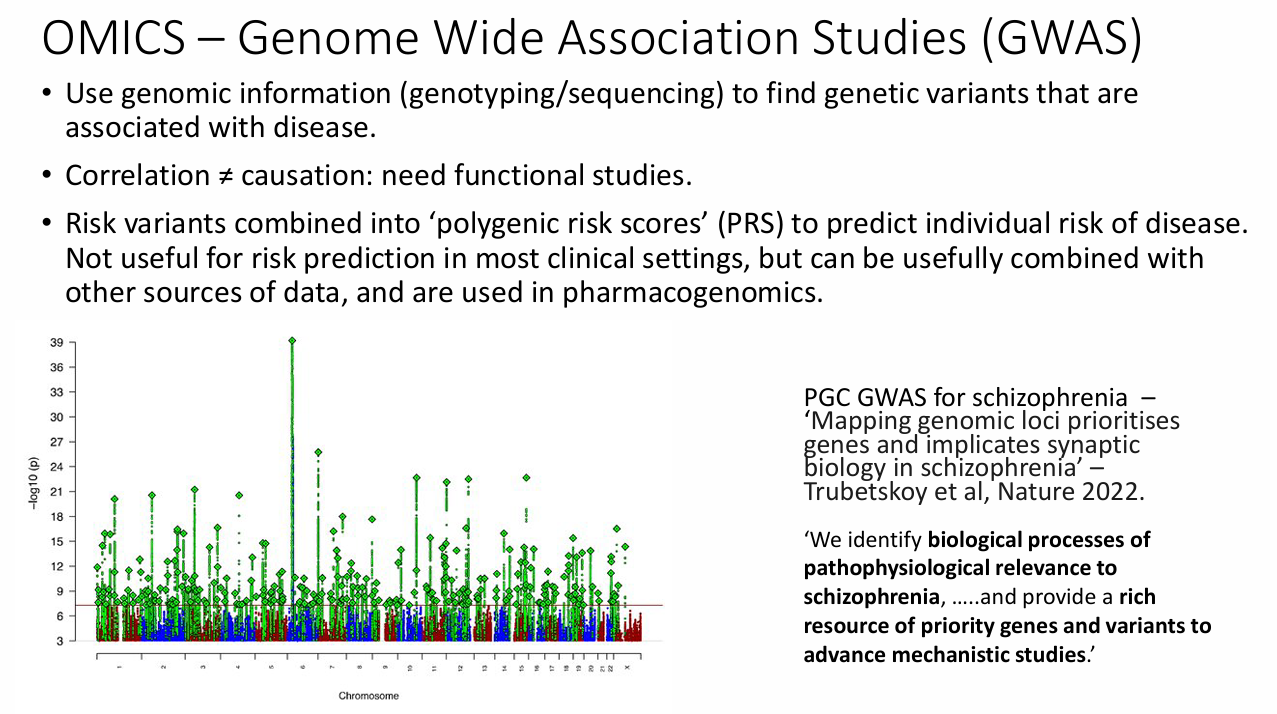
- Schizophrenia PGC GWAS (Trubetskoy et al., Nature 2022) implicated synaptic biology and prioritised genomic loci, genes and variants for mechanistic studies.


How should the schizophrenia GWAS Manhattan plot be read?
- Each plotted point is a genetic variant.
- X-axis: chromosomal/genomic position, across the genome.
- Y-axis: −log10(p value) for variant-phenotype association; higher points imply stronger statistical evidence.
- Peaks/towers indicate loci with many strongly associated variants; a horizontal line marks a statistical threshold.
- Peaks do not by themselves identify the causal gene or prove a molecular mechanism.


What is a polygenic risk score (PRS), and what are its main limitations?
- Combines many GWAS-associated disease-risk variants into an individual's overall genetic risk estimate.
- Can stratify people into relatively lower, typical or higher risk groups.
- Often insufficiently accurate for prediction alone in most clinical settings.
- Can be combined with clinical, demographic and other measures and inform pharmacogenomic decisions.
.
Lecturer explanation: The individual score is constructed from their genotype and risk-associated variants.


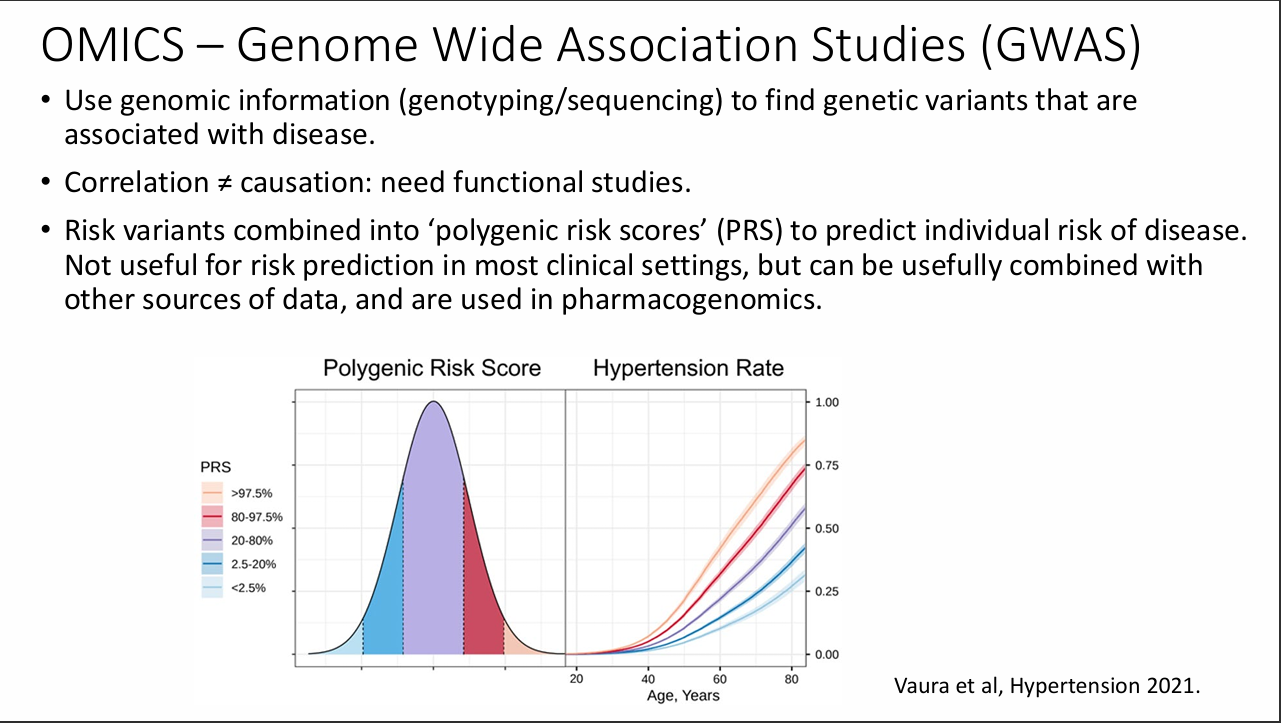
What does the hypertension PRS figure illustrate?
- PRS is distributed across a population: most are near the middle; smaller groups occupy low and high tails.
- Plot separates score-percentile groups (e.g. <25%, 25-50%, 50-80%, 80-97.5%, >97.5%).
- Age-related hypertension probability is greater in high-PRS bands, illustrating risk stratification rather than a deterministic diagnosis.
How does population stratification produce confounding in GWAS?
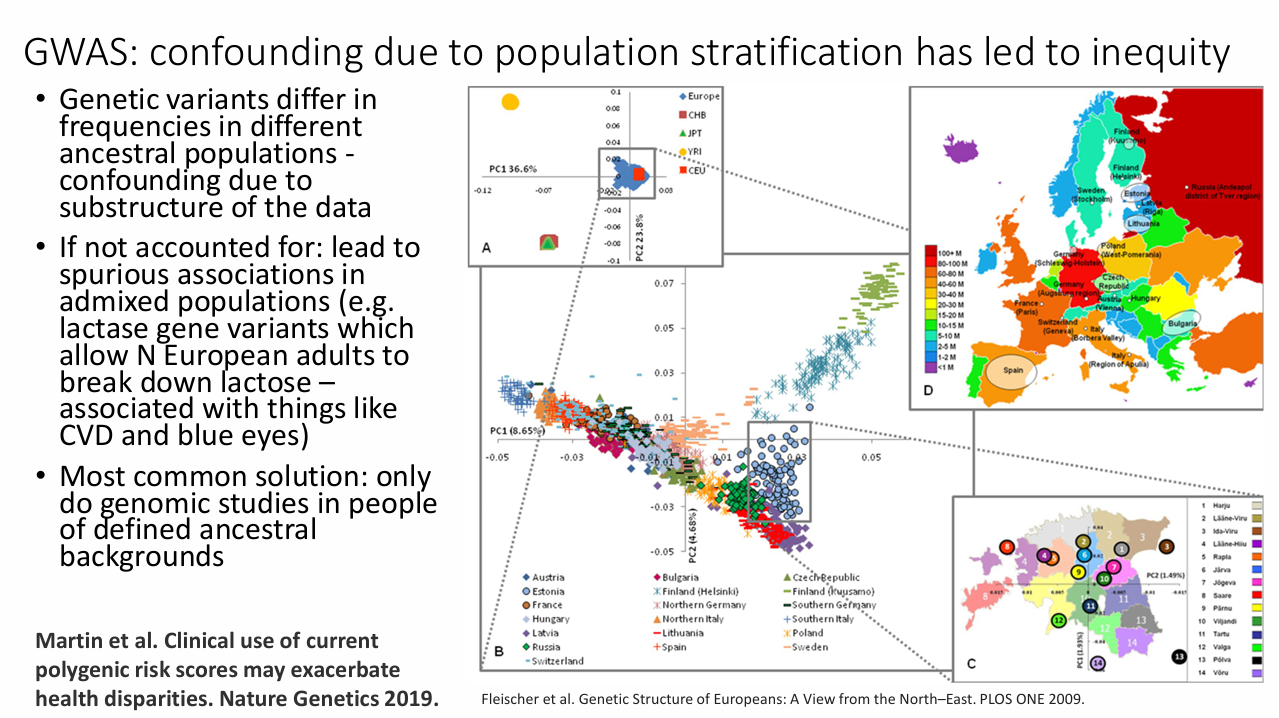
- Allele frequencies differ by ancestral background.
- If ancestry also associates with a measured trait, population structure can create spurious variant-trait associations.
- Example: lactase-persistence variants common in Northern Europeans may seem associated with unrelated traits (including blue eyes or CVD) because of shared ancestry.
- Restriction to defined ancestral groups may reduce confounding but excludes other populations and can worsen unequal PRS performance and health disparities.


What is pharmacogenomics and what kinds of variants inform drug decisions?
Use genetic information to select medication/dose and predict response or toxicity.
- Variants in absorption, distribution, metabolism and excretion (ADME) pathways.
- Variants that directly alter drug response, tumour therapy effectiveness or severe adverse reactions.
.
Potential gains: fewer ineffective drug trials, faster remission, lower costs, fewer adverse drug interactions/events.
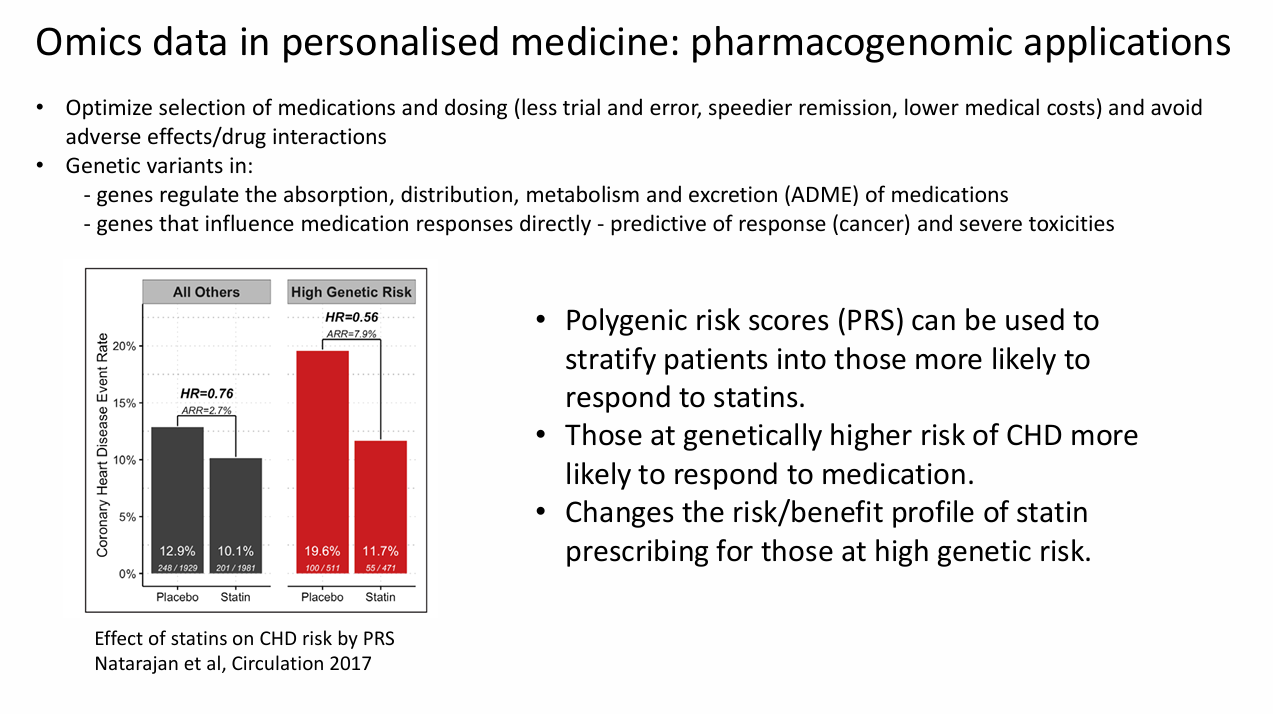

How did a coronary-heart-disease polygenic risk score alter the observed benefit of statins?
- Natarajan et al. (Circulation, 2017) grouped participants by genetic risk of coronary heart disease (CHD).
- Higher genetic-risk patients had greater benefit from statin treatment, changing the risk-benefit balance of prescribing.
- Diagram compares placebo versus statin within "All Others" and "High Genetic Risk" groups; CHD event rates decrease with statin in both groups, with a greater relative reduction in high genetic risk.


How does tumour genomic profiling support targeted precision cancer treatment?
- Tumours can differ genetically and in protein expression across patients, even within traditionally named cancer types.
- Molecular profiling identifies tumour-specific alterations.
- Targeted drugs are matched to relevant alterations rather than cancer site/type alone when appropriate.
- Lecture reports potential improvement in survival and fewer side effects than non-targeted chemotherapy/radiotherapy in suitable patients.

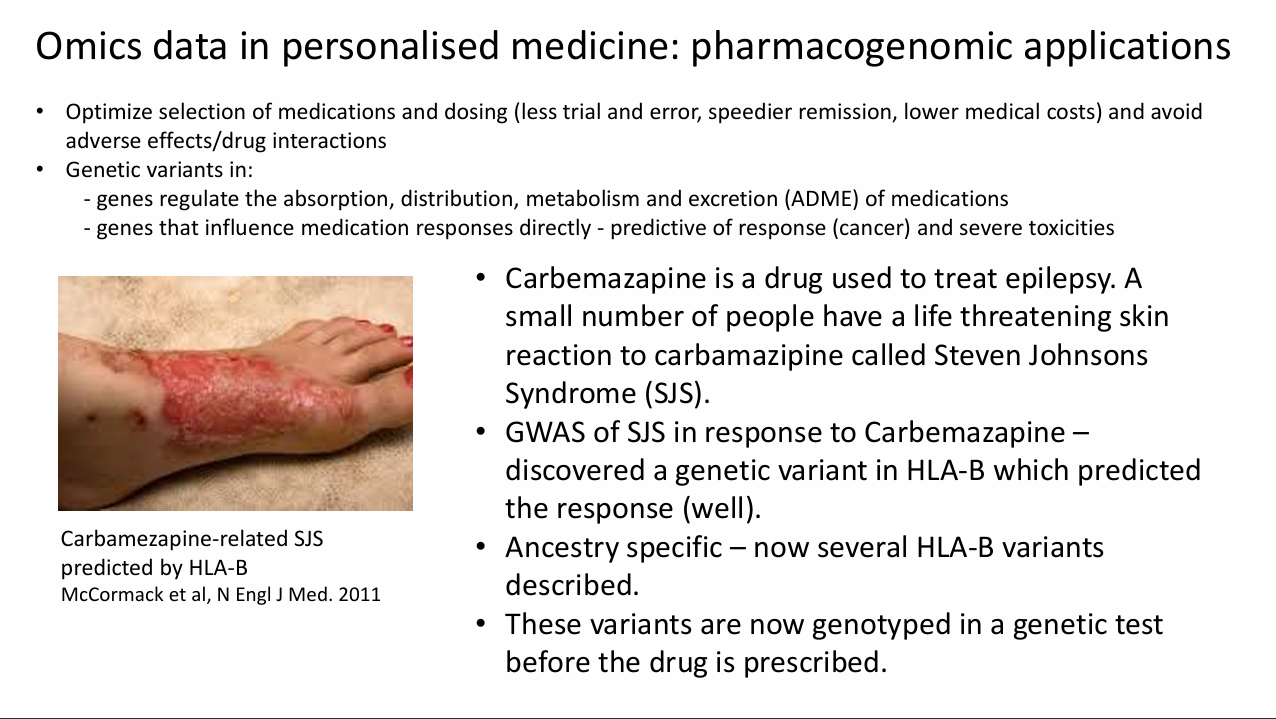
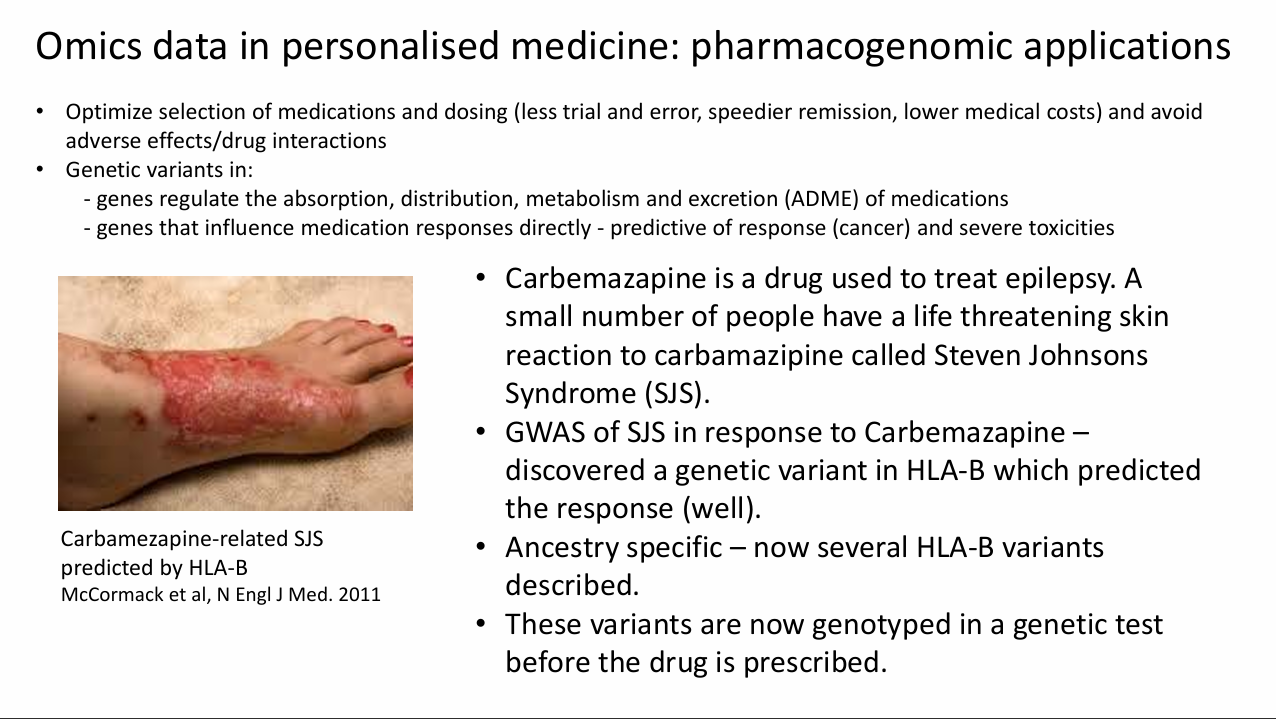
How can HLA-B testing prevent a severe carbamazepine reaction?
- Carbamazepine is used to treat epilepsy.
- A small group develops potentially life-threatening Stevens-Johnson syndrome (SJS) or related hypersensitivity.
- GWAS linked specific HLA-B variants with markedly increased reaction risk; described variants and predictive value can depend on ancestry.
- Genetic testing for relevant variants before prescribing can identify people needing an alternative.

What sequence was used to identify MASLD drug-repurposing targets from large genomic datasets?
1. Multi-ancestry association study identified 212 candidate genes for metabolic dysfunction-associated steatotic liver disease (MASLD).
2. Prioritised 57 genes encoding druggable protein targets with genetically predicted expression effects matching drug action.
3. Assessed plausibility with Mendelian randomisation, pathway analysis and protein structural modelling.
4. Proposed FADS1 activation by icosapent ethyl and S1PR2 activation by fingolimod as promising prevention strategies requiring further validation.
- An example of using humans as a model organism and repurposing existing drugs.


How does precision medicine contrast with one-size-fits-all treatment?
Without precision medicine: same therapy → some benefit, some do not, some experience adverse effects.
With precision medicine: integrate omics (including proteomic/transcriptomic), biomarkers, clinical features, personal factors (age, sex), health history, lifestyle, preferences and adherence → tailored lower dose, higher dose or different drug.
Diagram also links precision medicine + AI to individualised care, early disease detection, clinical decision support and disease-progress tracking, with considerations of fairness/bias, trust, transparency and data quality/security.


Which consent, privacy and data-governance problems arise in big-data research?
- Broad consent for unanticipated future analyses versus specific informed consent.
- Who controls and accesses personal/genomic data; varying legal rules between jurisdictions.
- Genomic re-identification makes absolute anonymity difficult.
- Returning genetic findings, including variants of uncertain significance (VUS) or potentially future relevance.
- Data breaches, AI leaks, security and transparency.
- Equity and lack of representative data.
- Public trust and meaningful stakeholder input.

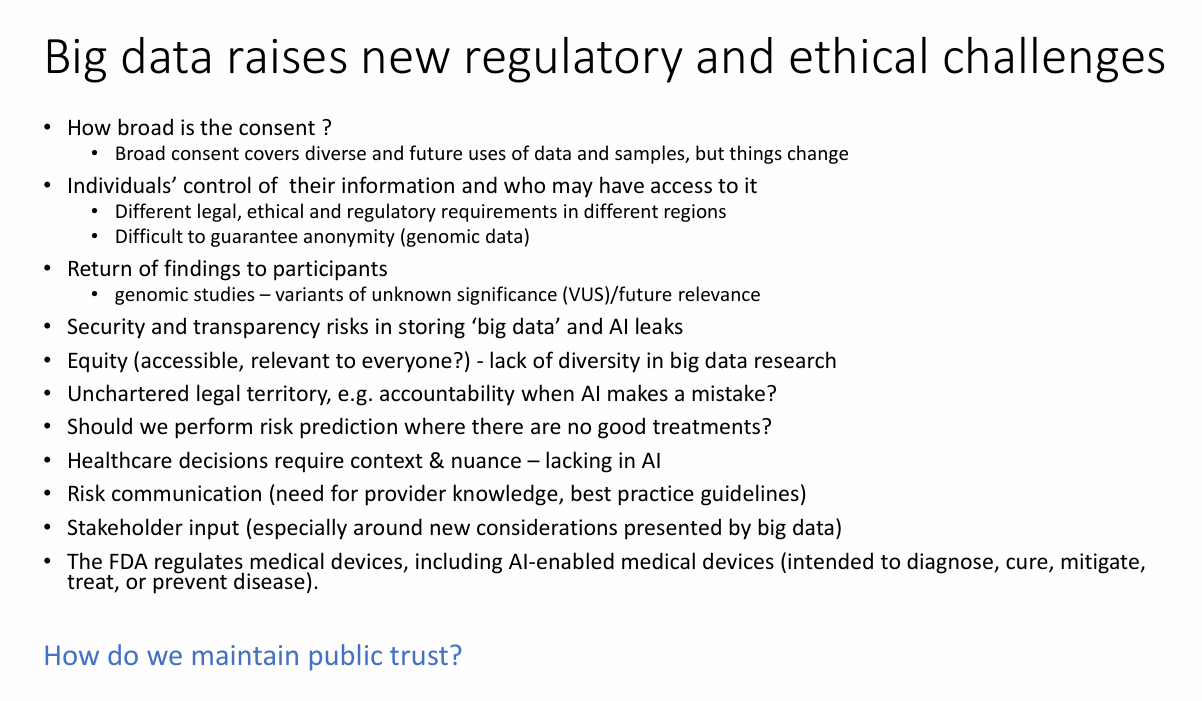
What clinical and regulatory questions arise when deploying AI and big-data risk models?
- Who is accountable when AI causes an error?
- Is risk prediction ethical/useful when no effective intervention exists?
- Can systems incorporate contextual judgement and clinical nuance?
- Can clinicians communicate probabilities properly without unnecessarily frightening patients?
- Will AI undermine autonomy or create inequitable services?
- US FDA regulates AI-enabled medical devices used to diagnose, cure, mitigate, treat or prevent disease; lecturer said broad AI governance remains an evolving challenge.


What are the principal benefits and practical drawbacks of big data in healthcare?
Benefits: earlier disease detection/fewer readmissions; more personalised therapies; fewer ineffective drugs, unnecessary visits and harmful outcomes; lower costs; faster study of mechanisms, drug discovery and public-health trends.
Challenges: confidentiality and cybersecurity; incompatible systems; storing, processing, sharing and interpreting huge datasets; inaccurate/missing data; expensive infrastructure, skill gaps, unvalidated vibe coding; consent, trust, changing jobs and adoption; geographic and socioeconomic inequities.
Lecturer example: UK NHS routinely offers genomic medicine, but equal implementation is difficult.


What was disputed in the September 2026 claim that AI independently discovered a CRISPR-like enzyme system? (NOT ASSESSABLE)
- Media reported an Anthropic biolab discovery involving nearly 1,000 Claude agents, 21 hours and 210 million tokens.
- Researchers subsequently challenged claims of independent discovery, arguing that researchers had previously discovered the finding using related tools.
- Lecturer treated attribution as unresolved rather than established AI scientific independence.
Lecturer explanation: The slide was presented as a contemporary example "for your interest," not as a settled claim.


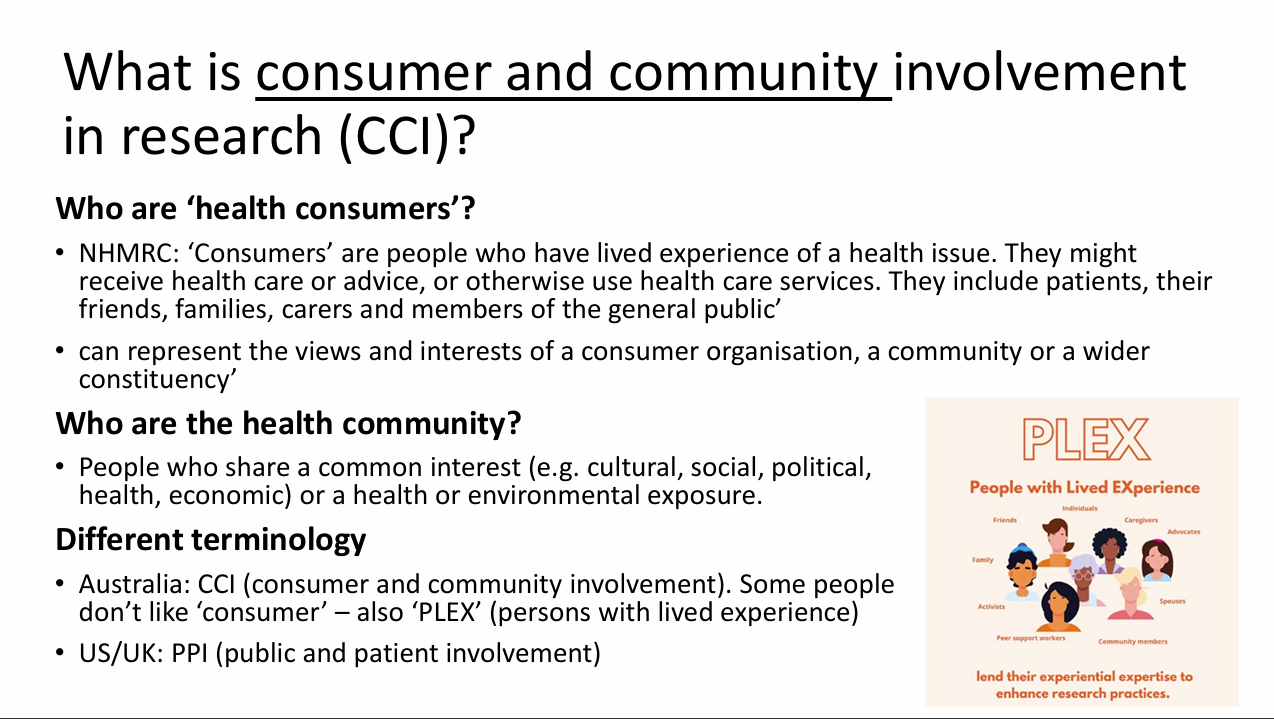
Who are "health consumers", "community" and PLEX in CCI research?
- NHMRC: consumers have lived experience of a health issue, receive advice/care or use services, and include patients, carers, family, friends and general-public members; may represent wider constituencies.
- Community: people linked by common cultural, social, political, health or economic interest, or by health/environmental exposure; geography need not define them.
- CCI = consumer and community involvement (Australia).
- PLEX = persons/people with lived experience; some prefer this to "consumer".
- PPI = patient and public involvement (UK/US terminology in the lecture).

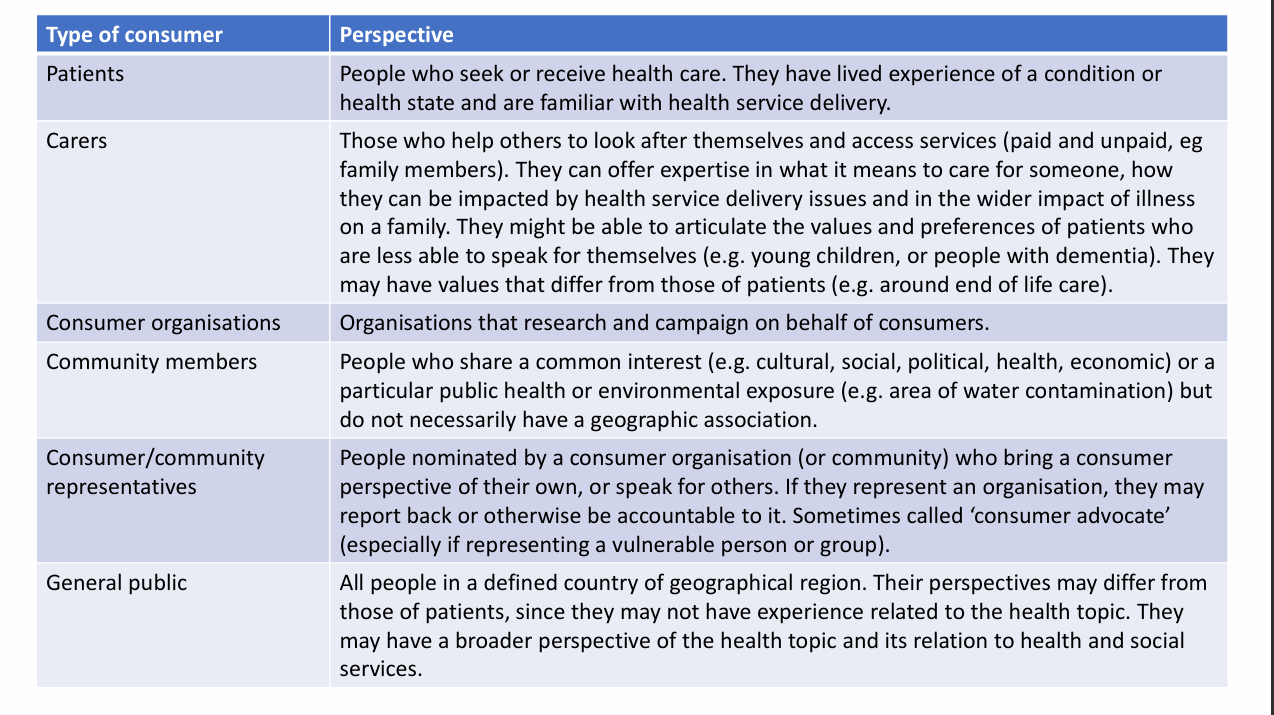
What perspectives do the six types of health consumer contribute?
1. Patients — lived experience of illness/health status and using services.
2. Paid/unpaid carers (including relatives) — care burden, service access, family impacts; can articulate some vulnerable patients' preferences but may hold different values (e.g. end-of-life decisions).
3. Consumer organisations — research/campaign on behalf of consumers.
4. Community members — shared interest or exposure, e.g. contaminated water, not necessarily same address.
5. Consumer/community representatives or advocates — speak from own perspective or on behalf of a constituency; may report back or be accountable to nominating body.
6. General public — broader community/social-service perspectives, possibly without relevant illness experience.

What distinguishes CCI involvement from research participation and engagement?
INVOLVEMENT: consumers and researchers collaborate in TWO-WAY partnership to decide what is studied, how it is designed/conducted and how findings are shared/applied; it may be consumer-led.
PARTICIPATION: consumers serve as research subjects and data are collected from them.
ENGAGEMENT: sharing research information, outcomes or findings with people.
Merely completing research tasks (e.g. translating questionnaires or collecting data) is not necessarily involvement.
.
Lecturer emphasis: Decisions made WITH or BY consumers rather than just TO, ABOUT or FOR them.


What five steps of the research cycle should authentic CCI influence?
1. Deciding what to research.
2. Deciding how to do it.
3. Doing the research.
4. Letting people know the results.
5. Knowing what to research next.
- Include strategic planning, design, execution, interpretation, dissemination and application.
- Consumers should be partners through all stages, not added after choices are fixed.


A physiotherapy research team invites accident-injured patients to quarterly research-planning meetings and to review collected data. Is this CCI, and why?
Correct answer: Yes — genuine CCI.
Why: the patients have an ongoing role in planning and reviewing evidence, rather than simply supplying data or receiving information.
Lecturer explanation: She classified the first slide-8 scenario as CCI because patient involvement can shape study decisions.

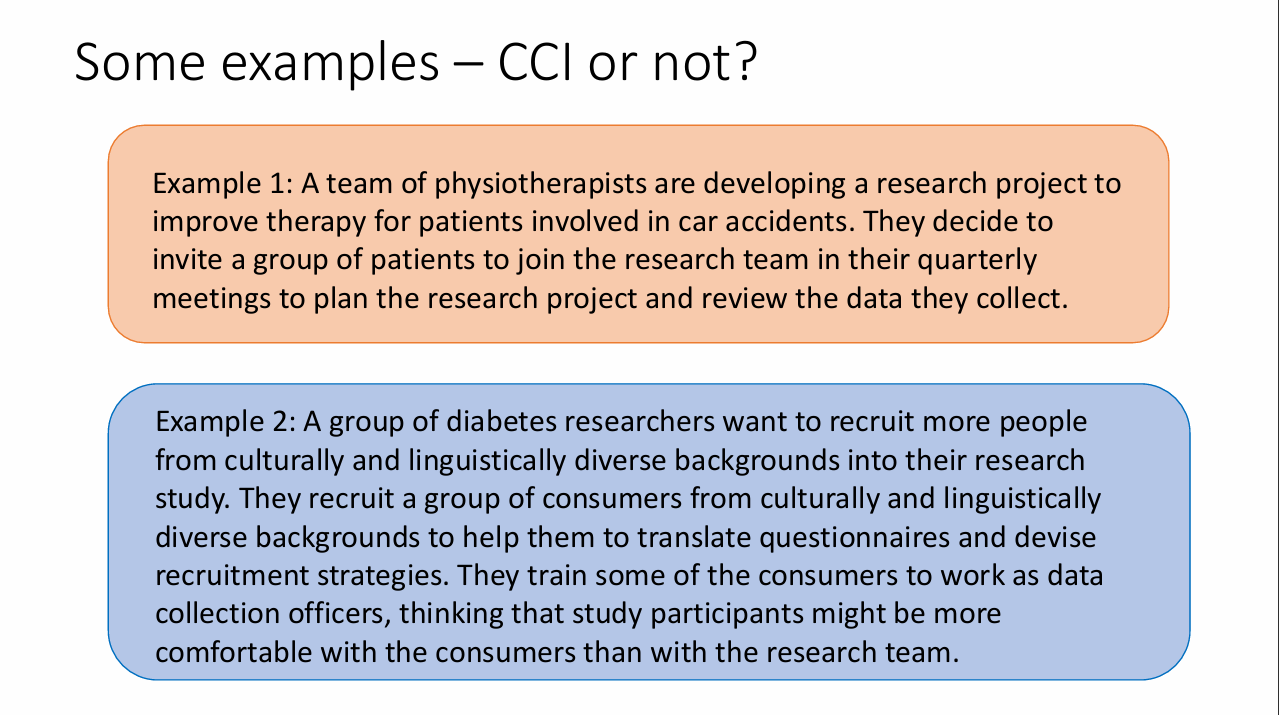
Diabetes researchers recruit culturally and linguistically diverse consumers to translate questionnaires, devise recruitment strategies and work as data-collection officers. Is this automatically CCI?
Correct answer: No — not automatically genuine involvement as described.
Why: consumers are undertaking tasks to implement researchers' decisions, without an explicit meaningful decision-making role in research governance/design.
Lecturer explanation: The lecturer classified slide-8 example two as participation/task assistance rather than true partnership, and discussed possible exploitation.


Why is authentic CCI important for high-quality medical research?
- Relevance: patients identify meaningful problems/outcomes; rheumatoid-arthritis patients might prioritise fatigue while trials primarily measure pain.
- Acceptability, feasibility and legitimacy: decisions reflect stakeholder values/preferences and their right to contribute.
- Wider perspective: fills gaps in evidence searches and challenges researcher assumptions.
- Motivation/championship: builds networks, recruiting opportunities, advocacy and philanthropic funding.
- Trust and research translation: transparent partnership helps research be accepted and used.


What six principles appear in the NHMRC 2026 statement on CCI?
1. Inclusion — involvement across all research stages/types.
2. Respect for lived-experience expertise — treat it as equal to scientific knowledge.
3. Trust and reciprocity — develop mutually beneficial relationships.
4. Equity and diversity — overcome exclusion of diverse voices.
5. Safety — avoid harm and prioritise wellbeing.
6. Transparency and accountability — communicate honestly throughout.


Who can initiate a CCI relationship and how can it begin?
- Initiators include individuals/communities, researchers, CCI organisations, research institutions and funders.
- Consumers may approach investigators with their own priorities.
- Researchers may approach relevant consumer organisations.
- Aboriginal and Torres Strait Islander Elders/communities/community-controlled organisations may set priorities through community-led processes and yarning; researchers respect Country, local governance and cultural authority.
- WA Health Translation Network (WAHTN) runs a CCI programme including matchmaking opportunities.


What does authentic CCI look like at the day-to-day study level?
- Introduce consumer members to the whole team and learn their lived-experience context.
- Jointly determine aims, research priorities and methods.
- Co-create plain-language summaries and interpret/key-message findings.
- Collaborate on communication, potentially co-authorship, future planning and sometimes consumer-led research.
- Use consistent accessible communication; listen and show how advice actually changes research.
- Provide meaningful influence, recognition and remuneration; reject tokenistic involvement.


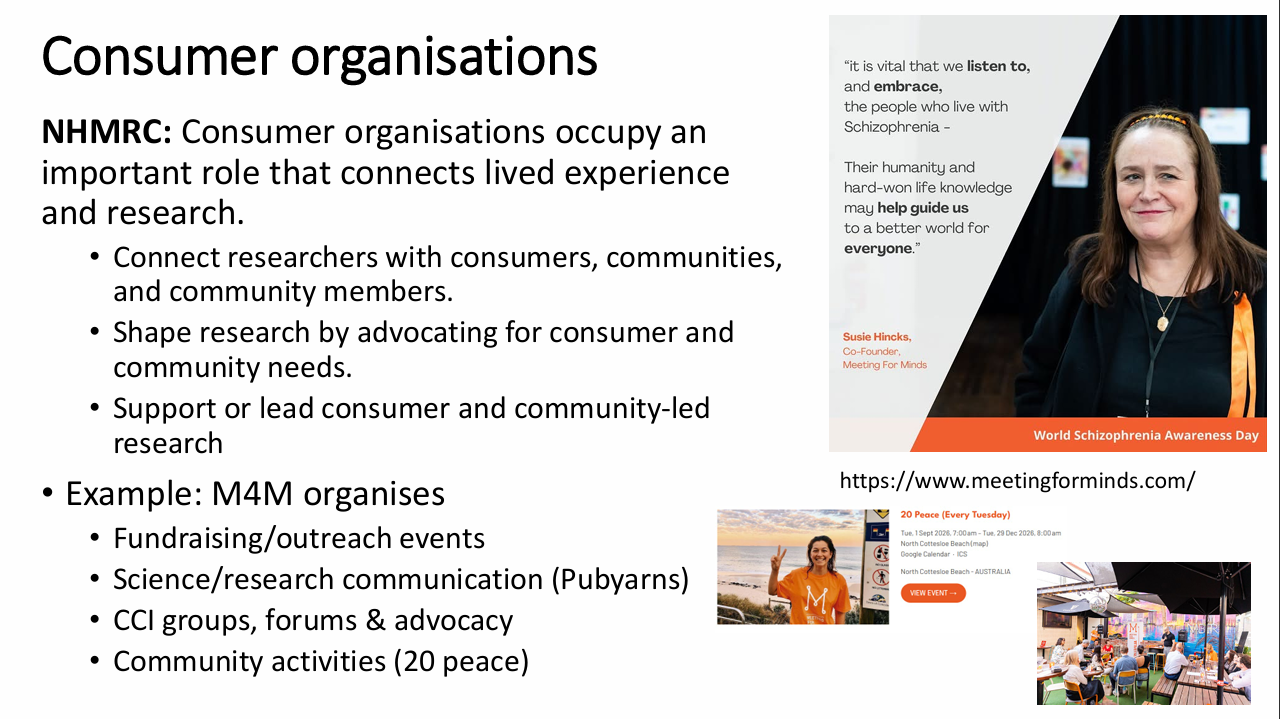
What role do consumer organisations play, and what is Meeting for Minds (M4M)?
- Bridge researchers and lived-experience communities.
- Connect representatives to studies, advocate needs, support or lead consumer/community-led work.
- Meeting for Minds (M4M) examples: fundraising/outreach, accessible science communication ("Pubyarns"), CCI groups/forums/advocacy and community events ("20 Peace").
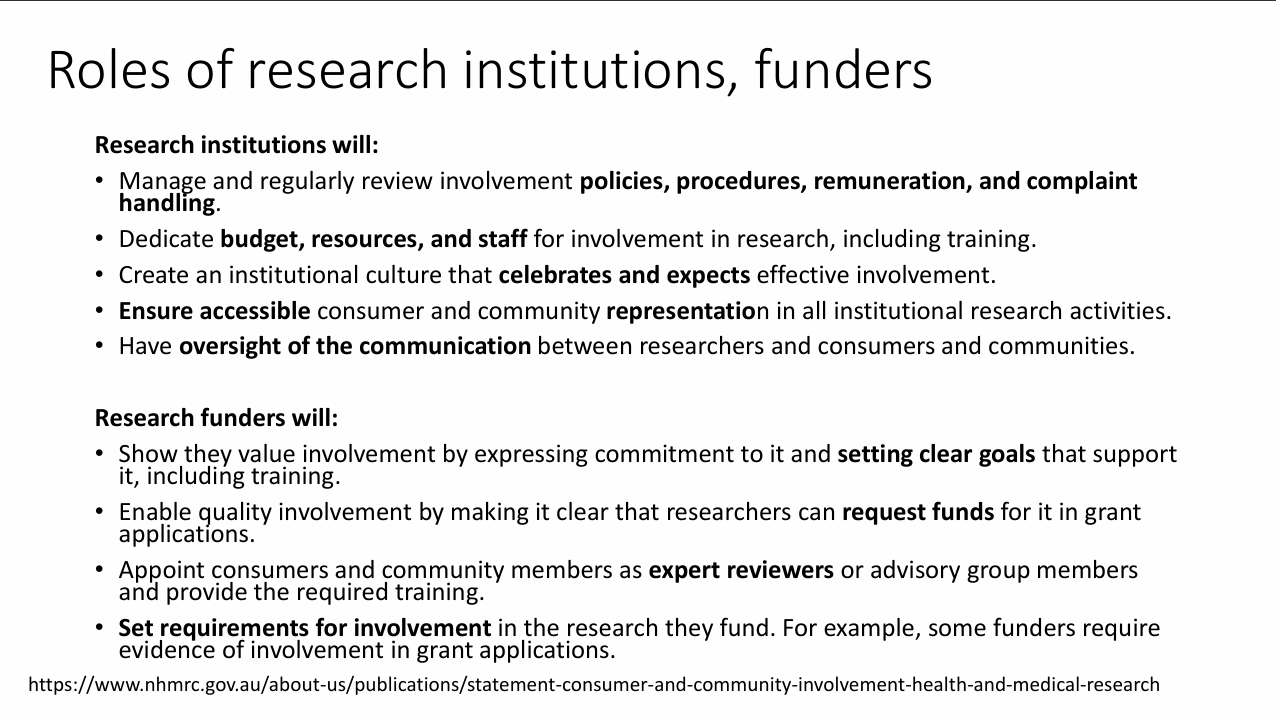
What responsibilities do research institutions and research funders have for CCI?
Institutions:
- Regularly review CCI policy, procedures, pay and complaint handling.
- Supply budgets, trained staff, resources and supportive culture.
- Provide accessible representation and oversee researcher-community communication.
.
Funders:
- Commit to goals/training, allow grant budgets for involvement.
- Train/appoint consumer reviewers and advisory members.
- Require evidence of genuine CCI in applications and funded studies.


What shared CCI responsibilities require ongoing monitoring and accountability?
- Conduct research collaboratively and safely.
- Create equitable, accessible environments.
- Incentivise/pay involvement; start and sustain partnerships.
- Provide training and support.
- Collect consumer/community feedback and ACT on it to improve policy/practice.
- Funders can check whether projects meet involvement commitments.

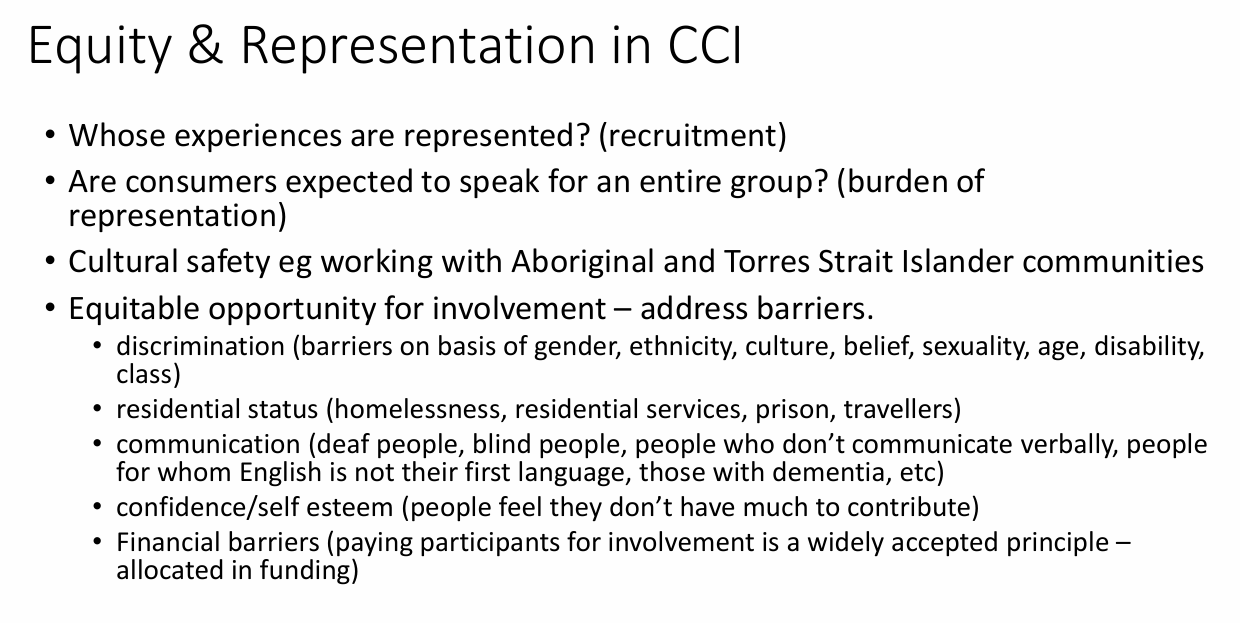
What equity and representation barriers must CCI address?
- Ask whose voices were recruited and whose were missed.
- Do not expect one consumer to speak for an entire group ("burden of representation").
- Ensure Aboriginal/Torres Strait Islander cultural safety.
- Address discrimination (gender, ethnicity, culture, beliefs, sexuality, age, disability, socioeconomic class).
- Residential access: homelessness, residential care, prisons, mobility/travellers.
- Communication: deafness, blindness, nonverbal communication, language differences, dementia.
- Confidence/self-esteem barriers; financial costs and lack of paid time.


What major challenges can undermine CCI?
- Tokenism: consult without respecting or using advice.
- Stigma around an identity or reason for involvement.
- Unequal power, failure to listen and inappropriate pressure.
- Limited time, resources and availability for both researchers and consumers.
- Conflicting priorities, disagreement and complex representation.
- Emotional burden or sensitive/distressing material.


What are the ethical and governance expectations for CCI, and is formal human-research ethics approval normally required?
- Because consumer partners generally are NOT research participants, formal research-ethics approval is generally not required for involvement activities alone.
- Ethical standards still apply: voluntary entry/withdrawal without coercion or consequences; physical, emotional and cultural safety; care, empathy and support.
- Mutual confidentiality: researchers protect personal lived experiences; consumer partners safeguard non-public research information.
- Recognise intellectual contributions, authorship when criteria met and intellectual property (IP).
- National Statement on Ethical Conduct in Human Research remains relevant.
- The Kids' Aboriginal Research Standards (TKI) centre Indigenous voices, Indigenous Data Sovereignty and Indigenous Cultural and Intellectual Property.


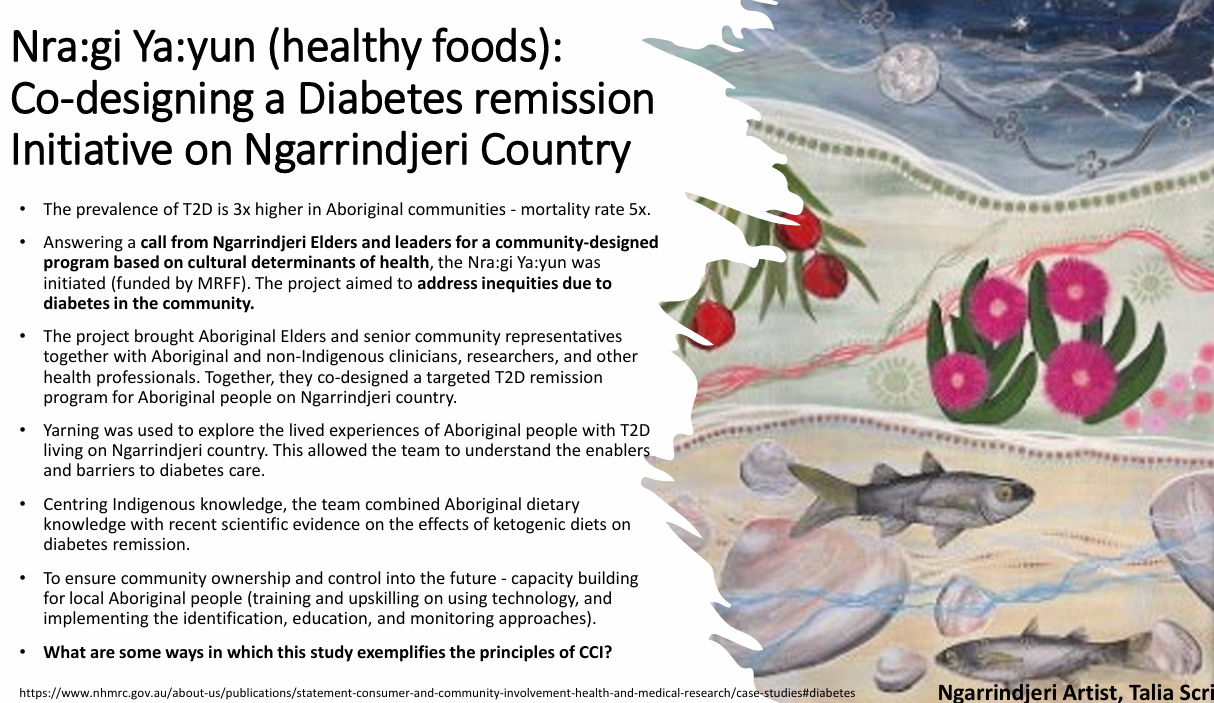
How did Nra:gi Ya:yun exemplify Aboriginal community-led CCI in type 2 diabetes research?
- "Nra:gi Ya:yun" means "healthy foods"; on Ngarrindjeri Country.
- Slide notes type 2 diabetes (T2D) prevalence ~3× and mortality ~5× higher in Aboriginal communities.
- Responded to Ngarrindjeri Elders/leaders asking for a culturally grounded, community-designed remission initiative, funded by the MRFF.
- Elders and representatives partnered with Aboriginal/non-Indigenous clinicians, researchers and practitioners.
- Used yarning to identify lived experience, barriers and enablers.
- Integrated Aboriginal dietary knowledge with evidence on ketogenic diets.
- Built local ownership/capability via technology training and implementing identification, education and monitoring systems.
- Artwork credited to Ngarrindjeri artist Talia Scriven.

What is the MAPS 'PLEX-powered' research example and what problem does it address?
- MAPS = Medicine, Advocates, Patients, Science; consumer-related Meeting for Minds initiative.
- Explored genetic testing of a small panel of cytochrome P450 (CYP450) enzymes to guide antidepressant doses.
- Slide quotes up to half of newly diagnosed patients failing to respond adequately under a "one-drug-fits-all" approach.
- Switching drugs can take years of trial-and-error; genotype-guided matching may make medication and dosing decisions more individualised.
- Consumer advocates and scientific/clinical researchers collaborate.


Why was the 'consumer representative' mental-health steering-committee scenario tokenistic?
- Only one person invited after the question, design, outcomes and recruitment approach were fixed.
- Protocol supplied only the day before.
- They were asked only to comment on the participant information sheet.
- Their warning that service-based recruitment excludes people with poor access was acknowledged but ignored.
- Listing them as a "consumer partner" in a grant did not confer actual influence.
Better approach: involve diverse people early, resource them and change decisions in response to their expertise.


What are the central principles for judging whether a CCI partnership is authentic?
- Research and community members genuinely PLAN and DELIVER research together, including early strategic decision-making.
- Partnership is collaborative, sufficiently representative, safe, remunerated and empowered to change research direction.
- Avoid tokenism; proactively remove access barriers and assess how involvement affects decisions.


What are the main CCI guidance and training resources mentioned?
- NHMRC 2026 Statement on Consumer and Community Involvement in Health and Medical Research.
- National Statement on Ethical Conduct in Human Research (2025).
- The Kids' Aboriginal Research Standards.
- WAHTN CCI programme and free ~30-minute CCI training.
- Health Research Hub ethics/governance frameworks.
- Educational videos from WAHTN and Meeting for Minds.
