Nutritional Biochem Exam 3
 Call Kai
 Learn
 Practice Test
 Spaced Repetition
 Match
 Flashcards
 Knowt Play
1/63

There's no tags or description
Looks like no tags are added yet.
64 Terms
Water-soluble vitamins
vitamins C and all B-complexes
Fat-soluble vitamins
K.A.D.E (vitamins, A, D, E, and K)

Vitamin B1 - Thiamine - FUNCTIONS
Part of coenzymes in many reactions
Catabolism of sugars and amino acids
Thiamine pyrophosphate (TPP)
Classic diseases associated with B1 - Thiamine
What is B1’s (thiamine) competitive antagonist/blocker/analogue
Amprolium

Thiamine Deficiency in cats: what are the two major etiologies?
Cats fed fresh or frozen fish containing thiaminase
Cats fed canned foods in which thiamine has been destroyed by overheating during canning process
What are the clinical signs of Thiamine Deficiency in cats?
Anorexia
Ataxia/muscle weakness, – e.g. ventroflexion of head
Severe mydriasis
Convulsions, coma and death
what is the major clinical form of thiamine deficiency?
Encephalopathy
Functions of B2: Riboflavin
Coenzymes:
Flavin Mononucleotide (FMN)
Flavin Adenine Dinucleotide (FAD)
Energy Production. Cell Growth.
Metabolic Reactions
Classic diseases of B2 deficiency
Ariboflavinosis
Mucous membranes in people
Curled toes due to dystrophia in the peripheral nerves, leading to paralysis
What is Beta-oxidation of Fatty Acids?
It is a cyclic degradative pathway where 2C units (acetyl CoA) are cleaved from carboxyl end
What is rxn 1 in Beta-oxidation of FA and its significance?
acyl CoA dehydrogenase
what are the products of one cycle of Beta-oxidation of FA?
acetyl CoA
1 FADH2
1 NADH
Niacin
What are vitamers?
vitamins that have vitamin activity but are not the same molecule
ex: Nicotonic acid, *Nicotinamide*, Nicotinamide riboside
What is Nicotinamide adenine dinucleotide (NAD)?
coenzyme: carries electrons in redox reactions
Overview of glycolysis
One glucose (6C) degraded to two pyruvate (3C)
Fate of glucose depends on O2 availability
Primary source of energy

B5 Pantothenic Acid Functions
Part of Coenzyme A (CoA)
– Acetylation in many reactions
Catabolism of sugars and amino acids
Thiamine pyrophosphate (TPP
Sources of B5 Pantothenic Acid
Widely distributed in plant and animal foods,
so deficiency is unlikely.
SLIDE 20
SLIDE 21
Classic diseases B5 Pantothenic Acid
General ill thrift, skin, GI, and nervous system issues.
Goose-stepping in pigs due to nerve degeneration

B6 Pyridoxine Functions
Coenzymes involved in protein and N metabolism
Most common sign of deficiency: Nervous System
Do water soluble vitamins have toxicity problems?
No

B7 functions Biotin Functions
Coenzymes: CoA, amino acid metabolism, fat metabolism, transcarboxylation.
The amount needed is small relative to the amount generally supplied in normal ingredients.
Cattle and horses: Hoof health.
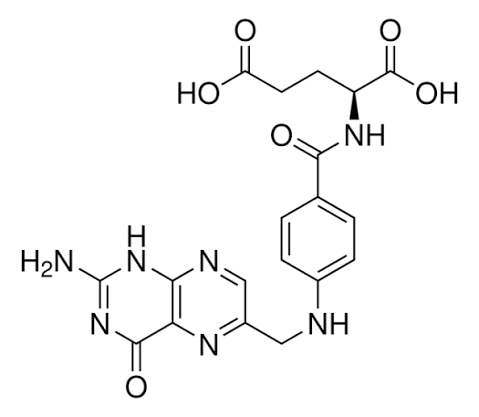
B9 Folic Acid functions
Involved in Vitamin B12 Metabolism
Classic B9 (folic acid) defiencies/disease
Macrocytic hypochromic anemia
Leukopenia
Thrombocytopenia
Spina Bifida in Humans (Neural Tube Defect) - Supplement before and early in pregnancy
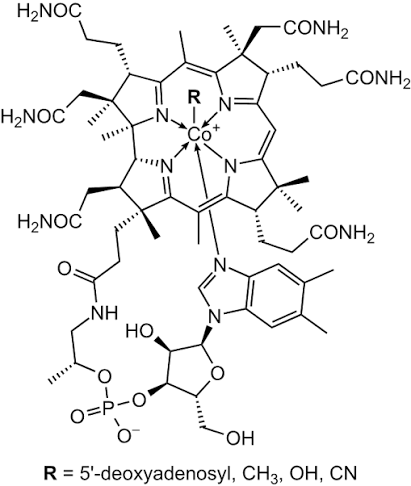
B12 Cobalamin
History and Fun Facts
Last Vitamin Discovered
First known as Animal Protein Factor
Rats and Coprophagy
Formed by Bacteria, Not Plants or Animals
Contains Cobalt
most animals gave a Vit B12 requirement
True or false ruminants have a Co(balt) requirement?
True
Do ruminants have a B12 requirement?
NO

Choline Functions
Phospholipid synthesis (membranes, VLDL
Acetyl choline formation (neurotransmitter)
Transmethylation of homocysteine to methionine
Platelet activation-clotting
Choline sources
Meat, Soy, Other Grains/Vegetables, Rumen Bypass Products
Choline deficiency
reduced all around; weight gain, rough hair coat, etc.

Vitamin C: Ascorbic Acid function
cofactor for many enzymes
Collagen synthesis
Bone, teeth, cartilage, connective tissue, muscle
i.e. Scurvy
Amino Acid metabolism
Antioxidant activity
Iron absorption
Immune function
SLIDE 29
Sources of Vitamin C
fruits and vegetables
Factors that affect vitamin requirements
Life stage, health/disease status, & species (ruminant vs. non ruminant)
How does life stage affect vitamin requirments?
growing animals have greater req./more susceptible to toxicity
Vitamin deficiency
lack of vitamins in quantities to support normal physiological Function
Vitamin toxicity
excessive quantities
Vitamin adequacy
Provide appropriate balance for each life stage but not over-supplement; stay within the optimum range
What are some that affect estimation of vitamin content and availability?
Estimating content of foodstuffs is difficult because of cumulative errors made in estimating content and availability
Analytical/sampling error
Variation
Presence of bound forms
Storage/processing losses
commercial foods are typically fortified
Slide 35
Slide 35
Slide 35
Forms of vitamin A
What is B-Carotene?
It is a provitamin A
Slide 37 cats
Vision
Cellular Differentiation
Growth
Reproduction
11-cis retinal converts light energy into a nerve impulse via
rhodopsin formation in the retina.
– Promotes mucin (in mucus) release of the corneal and
conjunctival epithelial cells
A 6-month-old, fully indoor, Labrador puppy fed a homemade diet presents with lameness, bowing of long bones, and delayed tooth eruption. Radiographs reveal reduced bone mineral density.
Rickets caused by inadequate exposure to sunlight and dietary vitamin D
Several cows in a herd die suddenly after being fed moldy sweet clover hay. Necropsy reveals widespread internal hemorrhage. You suspect which vitamin may be affected?
Vitamin K
Which of the following species has a limited ability to convert β-carotene to vitamin A?
Cats
A 4-year-old domestic shorthair cat is presented with anorexia, ataxia, ventroflexion of the head, and dilated pupils. The owner reports feeding primarily canned tuna for the past several weeks
Thiaminase activity destroying vitamin B₁
A group of 8-week-old pigs suddenly develop weakness, reluctance to move, and several die acutely. Necropsy reveals pale streaks in skeletal and cardiac muscle (“mulberry heart disease”). This condition is associated with vitamin E and selenium deficiency. What is the primary mechanism leading to the observed lesions?
Reduced antioxidant defense allowing oxidative muscle damage