P2: AP World Unit 3 Chapter 6
 Call Kai
 Learn
 Practice Test
 Spaced Repetition
 Match
 Flashcards
 Knowt Play
1/72

There's no tags or description
Looks like no tags are added yet.
73 Terms
Chapter 6:
Economic Transformations, Commerce, and Consequence (1450-1750)
We learn that the Europeans traded along the Atlantic.
Here are some examples:
Atlantic Slave Trade (Africans)
Sugarcane
Foods
Silver (Potosi)→ BOLIVIA is in South America
Furs from North America and Siberia → Europe and China
Which networks of exchange did the Europeans join in the period between 1450–1750?
Indian Ocean commercial network (the ancient spice trade)
Sea Roads
Avoid Muslim Intermediaries
Wanted Asian luxuries
T/F:
All of the Following places were significant in the world economy of trading.
Southeast Asians
Chinese
Indians
Armenians (Christian Merchants)
Arabs
Africans
Native American
Perisans
Japanese
Portuguese
Spaniards
True
Europeans and Asian Commerce
Columbus was looking for Asia, but he discovered the America’s on accident!
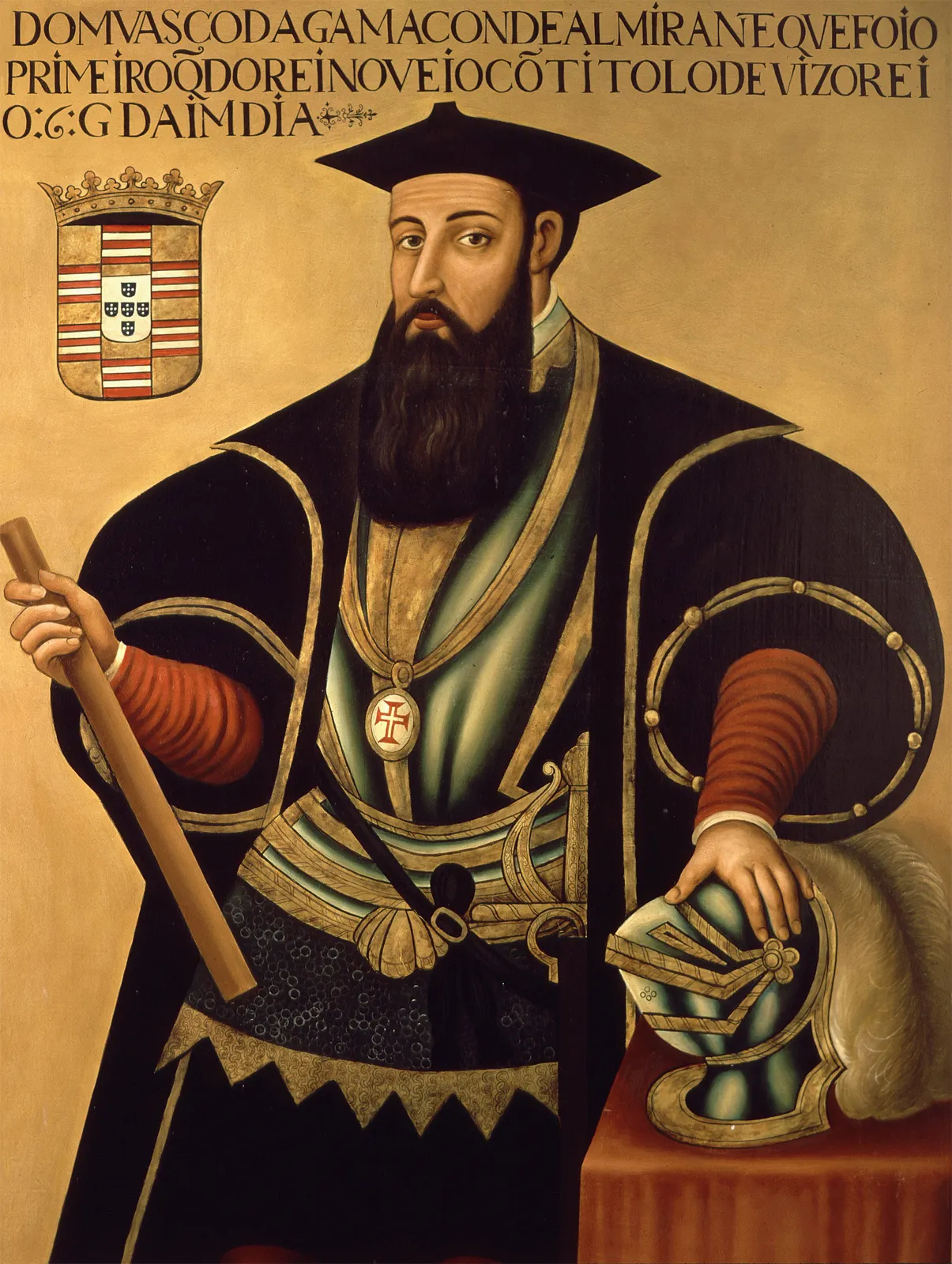
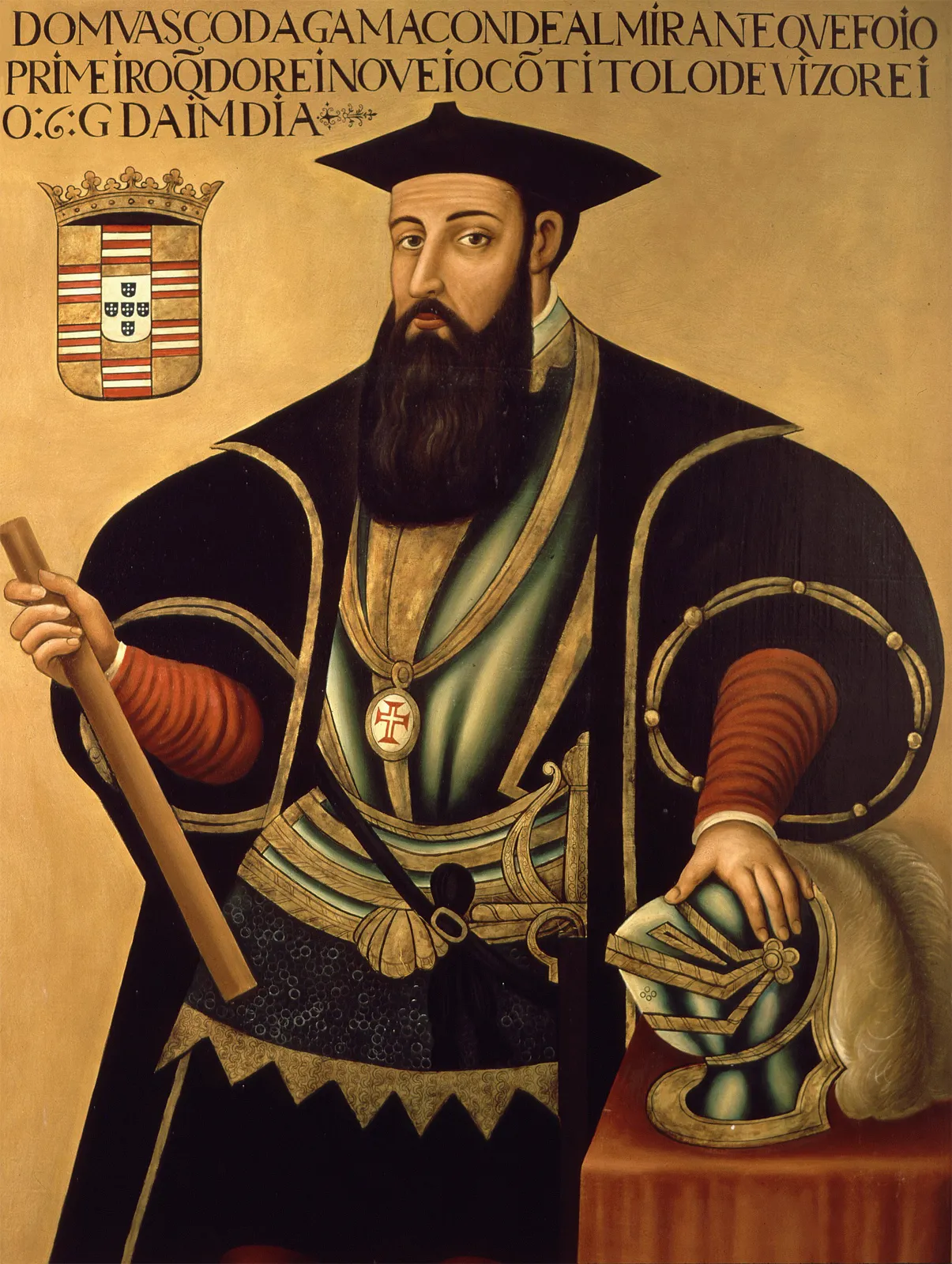
Who was Vasco da Gama? Why is he significant?
Who:
Portuguese mariner (sailer) whose 1497–1499 voyage reached India
Significance:
It was the first time Europeans sailed to India
It was deliberate (not accidental), the result of a century-long Portuguese (Europe) effort to find sea roads using caravels (smaller ships)
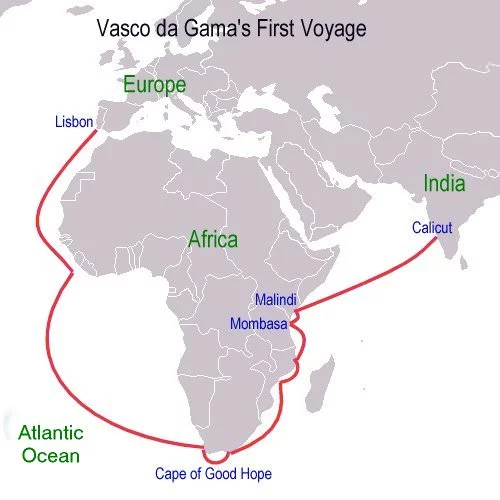
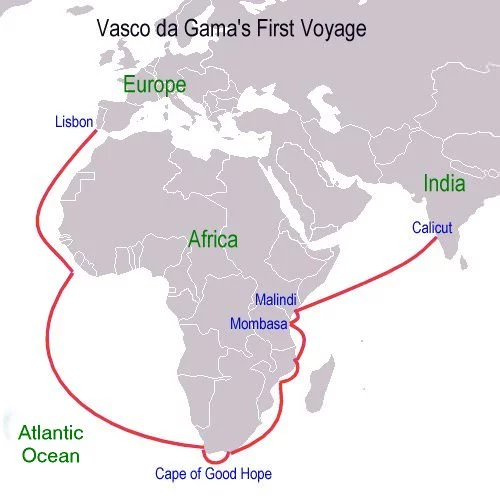
Because of the small_______ship technology by the Europeans, the Portuguese crept slowly down the West African coast, around the tip of South Africa, up the East African coast, and finally crossed the Indian Ocean to India (Gama’s route)!
Caravel

What did the Europeans (Portuguese) find in India?
The Sea Roads

What drove European involvement in the world of Asian commerce?
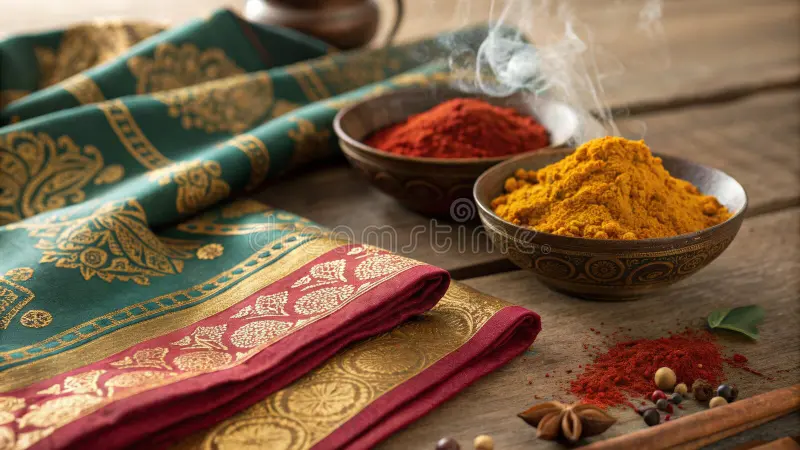
Desire for tropical spices (cinnamon, nutmeg, mace, cloves, and especially pepper) used as condiments preservatives, medicines, and aphrodisiacs.
→ Demand for…
Chinese silk Indian cottons
Rhubarb
Emeralds
Rubies
Sapphires

During the 15th Century, Europe’s population was growing again (post plague)
Spain, Portugal, England and France all learned to tax their subjects more effectively and to build substantial military forces equipped with gunpowder weapons
Growing cities as well
Why was Europe beginning to participate in global commerce during the sixteenth century?
Recovery after the Black Death: population growing again; national monarchies (Spain, Portugal, England, France) learning to tax more effectively and build military forces with gunpowder weapons
Cities growing and becoming centers of international commerce, market exchange, private ownership, and capital accumulation
Describe how each contributed to a Portuguese desire to reach Asia:
Muslim and Venetian [people of Venice] Merchants
Eastern goods came through Muslim hands/intermediaries (especially Egypt)
Venice monopolized European trade in them → Venice was also an intermediary
→ Venice people still relied on Muslim intermediaries too (resented this)
Other Europeans (Portuguese) resented relying on Venice and Muslims and wanted to circumvent these monopolies (religious + political motives)

Describe how each contributed to a Portuguese desire to reach Asia:
Prester John
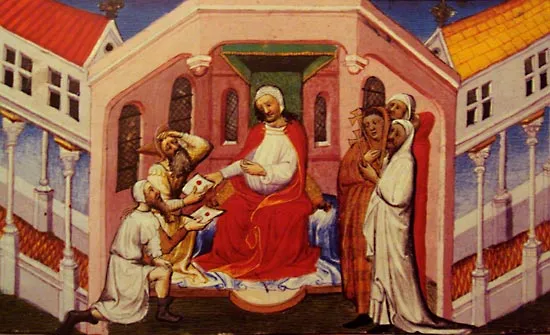
European belief in a mysterious Christian monarch somewhere in Asia or Africa who could help continue the Crusades against a common Islamic enemy
Describe how each contributed to a Portuguese desire to reach Asia:
Precious Metals
Europe had few goods Asia wanted, so it had to pay in gold/silver
→ Asia didn’t want Europe’s goods, so the Europeans had to pay for Asian goods through its wealth
This trade deficit increased European desire for precious metals
→ (Portuguese also sought African goldfields and later American silver [Mexico and Bolivia])


Of the Europeans, first the __________ and then the Spanish, Dutch, and British found their way into the the Ancient Asian world of Indian Ocean Commerce
Portuguese
A Portuguese Empire of Commerce
Which trade network (from Unit 2) did Vasco da Gama and the Portuguese sail into?
Indian Ocean commercial network (the vast, diverse sea-based network stretching from East Africa to China)
Sea Roads

Reminder: Most of the Merchants on the Sea Roads were _______
Muslims
T/F:
European goods were crude and unattractive in Asian Markets and that Europeans would be unable to compete effectively
True
Were many Indian Ocean merchant ships heavily armed?
Were European ships armed with onboard cannons [Portuguese]?
No
Yes


Since the withdrawal of the Chinese fleet (___Dynasty) in the Indian Ocean explorations, the Portuguese only had to fight the _____ Empire as it posed the only challenge
→ In the Short term, the ____ won against the Ottoman Empire. This is because the _______’s ships outgunned the Ottoman Empire.
Ming
Ottoman Empire
Portuguese, Portuguese
**CLARIFYING:
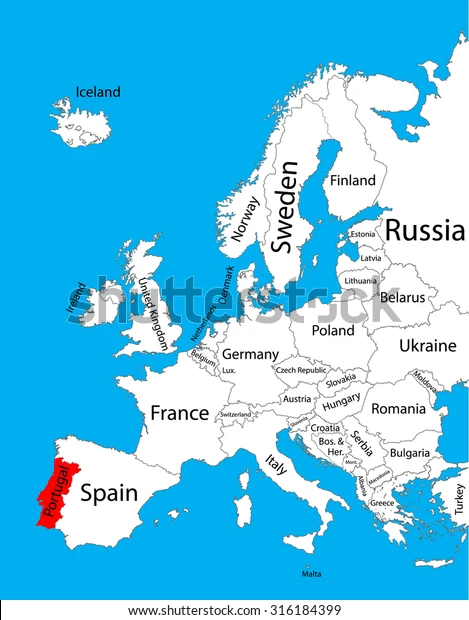
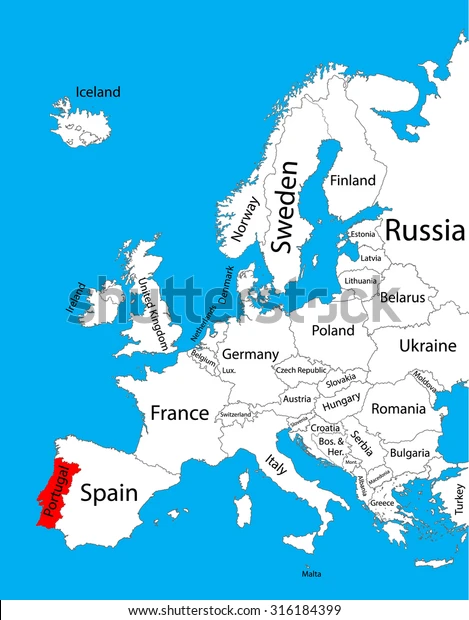
Portugal is NOT apart of Spain.

What is a trading post Empire?
An empire built to control trade routes and ports, not to rule large territories or populations

How did Portugal build its trading post empire in the Indian Ocean?
Military advantage (ships outgunned and outmaneuvered Ottomans and others; onboard cannons devastated coastal forts)
Bases established by force against small and weak states (exception: Macao, obtained through bribery/negotiation with China)
→Key locations: Mombasa (East Africa), Hormuz (Persian Gulf entrance), Goa (west India), Melaka (Southeast Asia), Macao (south China coast)
Why is it called a trading post empire?
They aimed to control commerce (not large territories or populations) by force of arms rather than by economic competition.

Without the map, name at least THREE of Portugal’s trading posts!
Capetown
Daman
Canton

Did the Portuguese want to Monopolize the Spice trade? (Sea Roads mainly)
Yes

What did the Portuguese do to “dominate the spice trade”?
Hint: Cartaz
Portuguese king titled himself “Lord of the Conquest, Navigation, and Commerce of Ethiopia, Arabia, Persia, and India”
Portuguese authorities required all merchant vessels to buy a CARTAZ (pass) and pay 6–10% taxes on all their cargos (on Portuguese controlled waters)
Partially blocked the traditional Red Sea route to the Mediterranean
→ Monopolized the route around Africa for about a century, forcing more people to use Portuguese waters and buy the cartaz

To what extent did the Portuguese realize their goals in the Indian Ocean?
The Portuguese never controlled much more than half the spice trade to Europe.
From the mid-16th to 18th centuries, older land and sea routes through the Ottoman Empire into the Mediterranean revived and prospered
Identify factors that led to Portugal’s decline as a power in the Indian Ocean trade network
Portugal was unable to sell their own goods
→ Portugal shifted to “carrying trade” (shipping Asian goods between Asian ports)
→ Acted more like a “middle man”
2. Outnumbered by Asian traders;
→ many Portuguese married Asian women or settled outside Portuguese control
→ those married men stoped serving the Portugal (less loyalty)
Small country was overextended
→ Portugal was tiny compared to other nations, so they just couldn’t control that much of the Indian Ocean successfully
Rising Asian states (Japan, Burma, Mughal India, Persia, Oman) resisted Portuguese commercial control
Other European countries challenged Portugal’s monopoly attempts because some Europeans were unable to accept Portugal’s dominant role

Spain and the Philippines
Where is the Philippines?
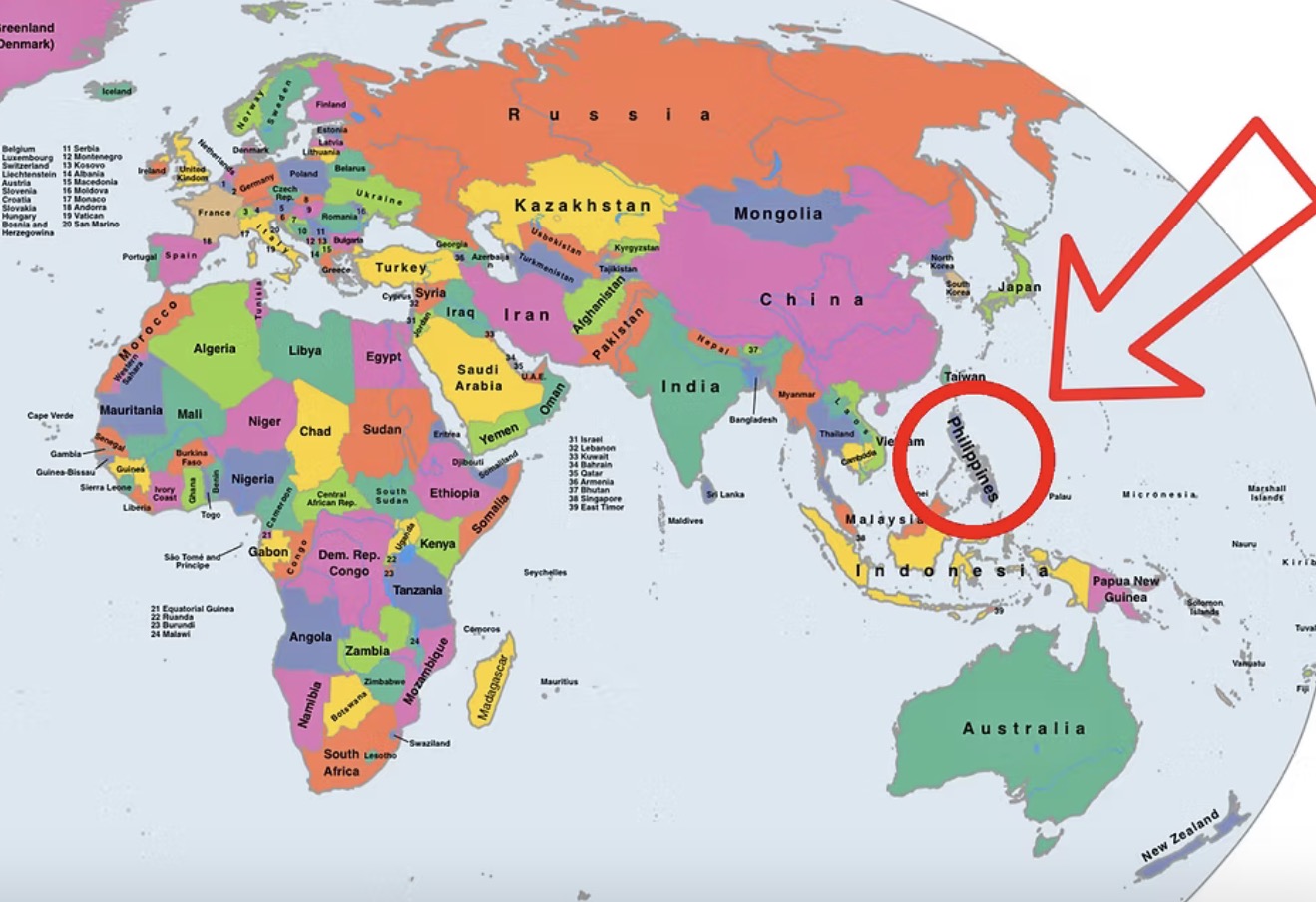

Who took over the Phillipeans?
Spain
Who were the first to challenge Portugals position as they [___] established themselves on the Philippine Islands?
Spanish, Spanish
Why did Spain conquer the Philippines?
The Philippines had weak, fragmented societies
→ small competitive chiefdoms, no strong centralized authority or king
The Philippines had a proximity [closeness in location] to China and the Spice Islands
→ This was a motivation to take over the Philippines— Asian goods!
Absence of competing claims from major powers over the Philippines
→ China and Japan had little interest in the Philippines
CONTRAST:
The _________ outright ruled the Philippine people rather than a Portuguese-style trading post empire!
Spanish
How did Spain conquer the Philippines?
This conquer was accomplished largely from Spanish Mexico {Americas}
Small-scale military operations
gunpowder weapons
local alliances
gifts/favors to chiefs
Catholic ritual pageantry [rituals meant to impress]
Relatively easy and often bloodless takeover in the century after 1565
Did the Spanish try to convert the Philippians to Christianity? Did it work?
YES
YES!!! (Only exception was the Mindanao)
Describe Spanish rule over the Filipino people
Major missionary effort made the Philippines the only major Christian outpost in Asia
→ tiny exception for fun: Mindanao remained mainly Islam
Filipinos originally lived in small, spread-out villages. The Spanish pushed them into larger, organized towns centered on a church, so everyone was visible, taxable, and within reach of the priests.
→ It made conversion easier to enforce and made administration simpler for the Spanish
Tribute, taxes, and forced labor imposed daily
Spanish took over lots of land (labor coerced)
Spanish deliberately destroyed the ritual objects women used in healing and ceremonies
→ amulets, charms, or sacred tools
→ it was a statement that the old spiritual power was illegitimate, which stripped women of their authority
Women healers and ritual specialists were replaced by male Christian priests
→ responses included short-lived revolts and flight to the mountains
Because the Spanish rule was not very nice to the Filipino people, some fled to _____ (this place was also under the Spanish rule)
Manila
Where is Manila?
This is where Spanish built their Capital in the the Philippians
Chinese population concentrated here as well
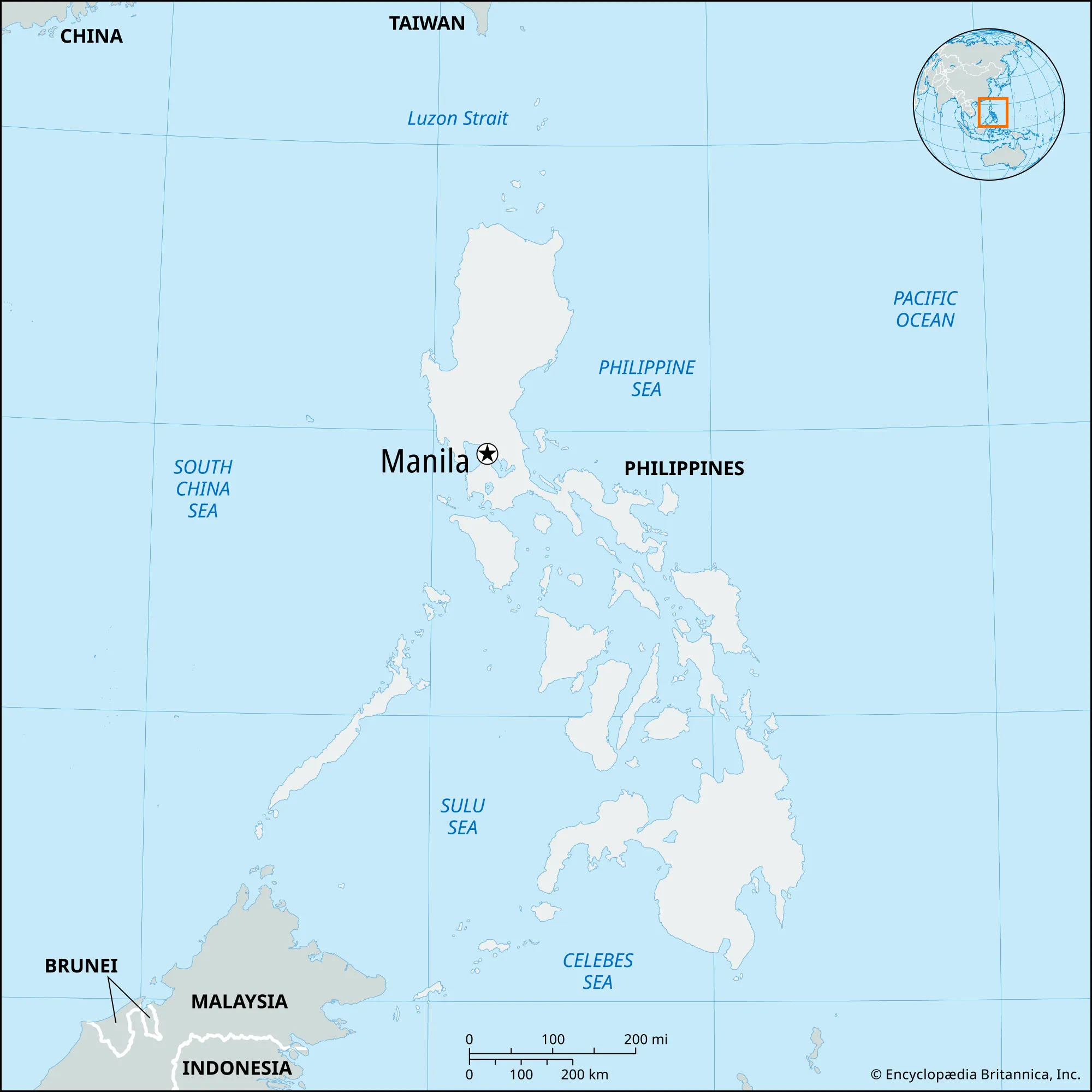

Was Manila a global city?
Yes!
Provide evidence that Manila was a global city under Spanish rule
By 1600:
Flourishing, culturally diverse city of >40,000 inhabitants
Home to Spanish settlers/officials, Filipino migrants, ~3,000 Japanese, and >20,000 Chinese
Chinese were essential as traders, artisans, and sailors in the China trade, but faced hostility, discrimination, revolts, expulsions, and massacres (e.g., ~20,000 Chinese killed in 1603).


The East India Companies
The _____and______ entered Indian Ocean trade in the early sixteen hundreds, overtook Portugal, and competed with each other.
_____ focused on Indonesia’s Spice Islands with force and monopoly.
_____ focused on India, using bribes and Mughal permission instead of conquest.
Both were joint stock companies with charters letting them raise armies, wage war, govern territory, and print money.
Dutch and English
Dutch
English

Who Took What? [Hint: Europeans]
_________took trading ports along the sea roads
_________took over the Philippines
_________took over the Spice Islands
(the picture is the Spice Islands, Indonesia)
Portuguese
Spanish
Dutch

What is a joint stock company? How did they minimize risk to investors?
What:
Form of corporate finance that pooled money from investors who bought shares
A business owned by many investors who buy shares, share the profits, and lose only what they invested
this of today’s stock system
How joint stock companies minimize risk to investors:
Investors benefited from profits and rising share prices but limited their losses to the amount invested
this of today’s stock system

Provide two examples of European joint stock companies in the Indian Ocean trade after 1600 CE, and where they focused.
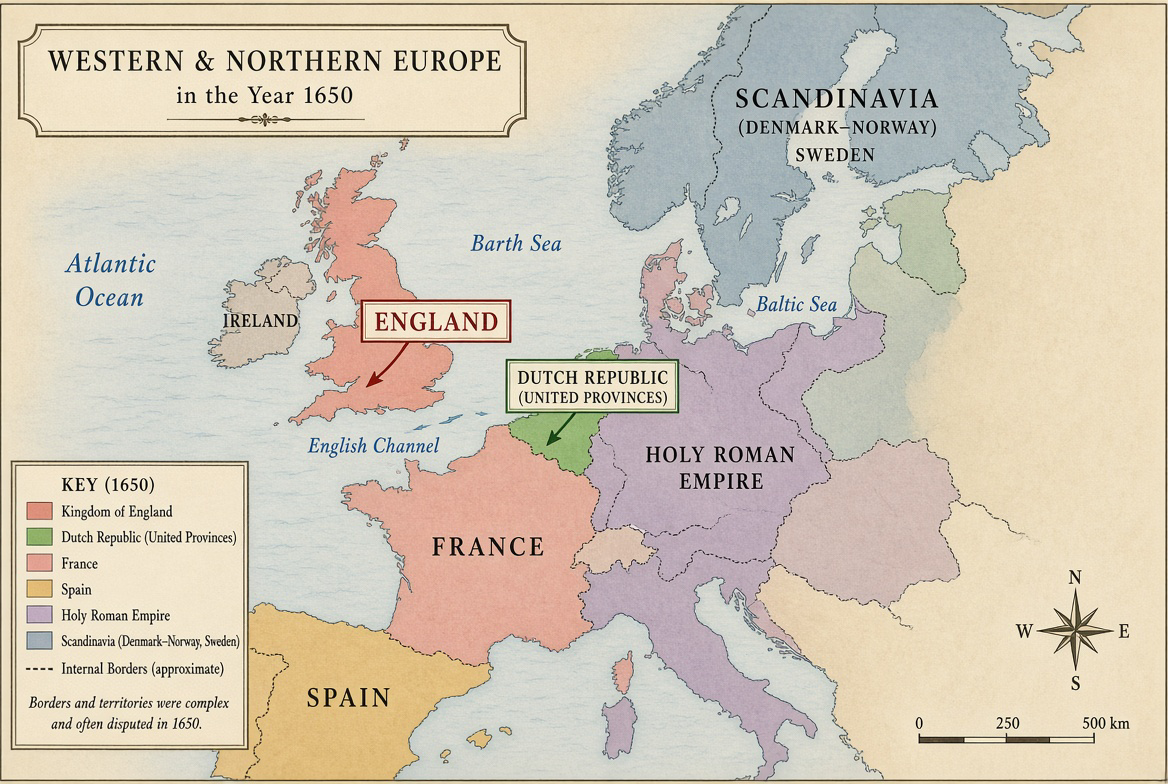
Dutch East India Company: islands of Indonesia (Spice Islands)
British (English/England) East India Company: India
(FYI: French company also present from 1664.)

What were these joint stock companies given the power to do?
Both governments handed these companies royal charters [permission slips with no limits]
→ Investors and workers could raise their own armies, fight wars, rule the people they conquered, and even print money
Instead of just trading, these stock companies ran mini-empires
Charters from their governments allowed them to form armies, make war, govern conquered peoples, and print their own money. They established their own parallel competing trading post empires.
Describe how the Dutch East India Company took over the spice trade in Indonesia
Indonesia was a region of fragmented/weak authority
The Dutch company used bloodshed to seize small spice-producing islands
Dutch forced Indonesian people to sell only to the Dutch and destroyed crops of those who refused
The Dutch monopolized Indonesian spices like nutmeg, mace, and cloves for a time [Dutch chose how much to sell these goods]
The Dutch used fluyts (cheap cargo ships) regionally and armed ships for longer voyages
Dutch sold spices at 14–17 times the purchase price
Local Indonesian economy shattered and people impoverished

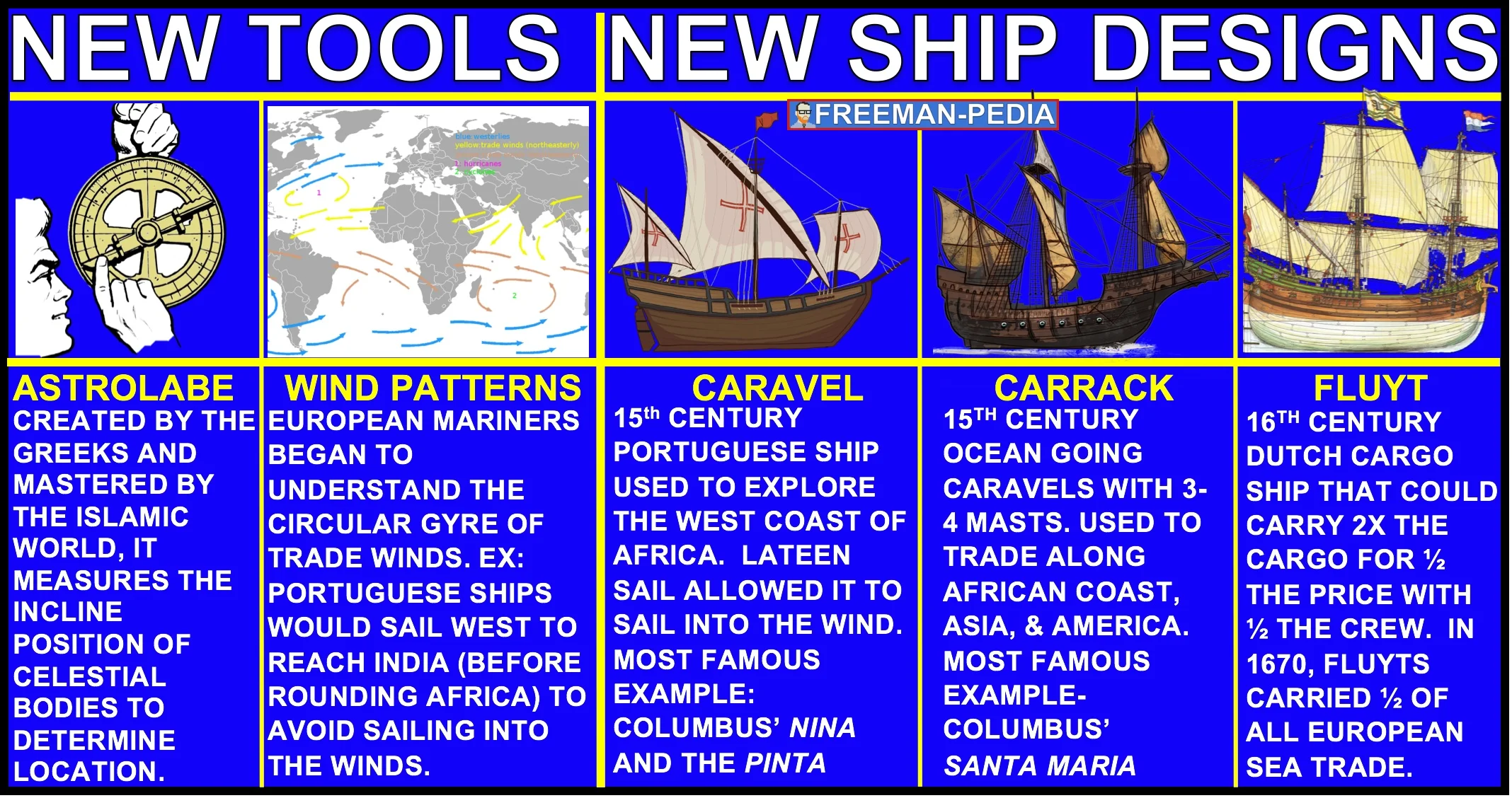
Fluyt = large!

Why was the British (English) East India Company “unable to practice trade by warfare”?
What did the British do instead?
→ Dutch used military force to shut other traders out
The British was less well financed and less commercially sophisticated than the Dutch
British was excluded from Spice Islands by Dutch monopoly
On land in India the British was no match for the powerful Mughal Empire
INSTEAD~
British could not compete with the Dutch at sea, so the British focused on taking over India land
British secured three major trading bases/settlements in India: Bombay, Calcutta, and Madras with permission of Mughal authorities or local rulers, using substantial payments and bribes
The British was no match for the powerful Mughal Empire [at this time]
* * A trading base was like a “company’s home base on foreign soil”
In what ways Dutch and British trading empires were similar to the Portuguese?
Similar:
Trading post empires
Heavy involvement in intra-Asian “carrying trade” (which let them buy Asian goods without paying in European gold/silver)
Traders that later evolved into more conventional colonial rule (British in India, Dutch in Indonesia)

In what ways Dutch and British trading empires were different from the Portuguese?
Different:
Dutch used more direct force/monopoly in Indonesia
British relied more on permission/bribes in India
Both Dutch and British shifted toward bulk goods (pepper, textiles, tea, coffee) for mass markets rather than only luxury goods [luxury= Portugal]
Consider the whole section. To what extent did the British and Dutch trading companies change the societies they encountered in Asia?
The impact was limited overall compared with the Americas or Africa
European political control of Eurasia remained confined to the Philippines, parts of Java, and a few Spice Islands (inland empires stayed Mughal or Chinese)
Significant local impact in places like the Spice Islands
→ Dutch shattered the economy and impoverished people, but Asian societies and merchants largely continued their own commercial networks
Europeans grabbed the coastal trading ports, but Asian merchants kept running their own trade.
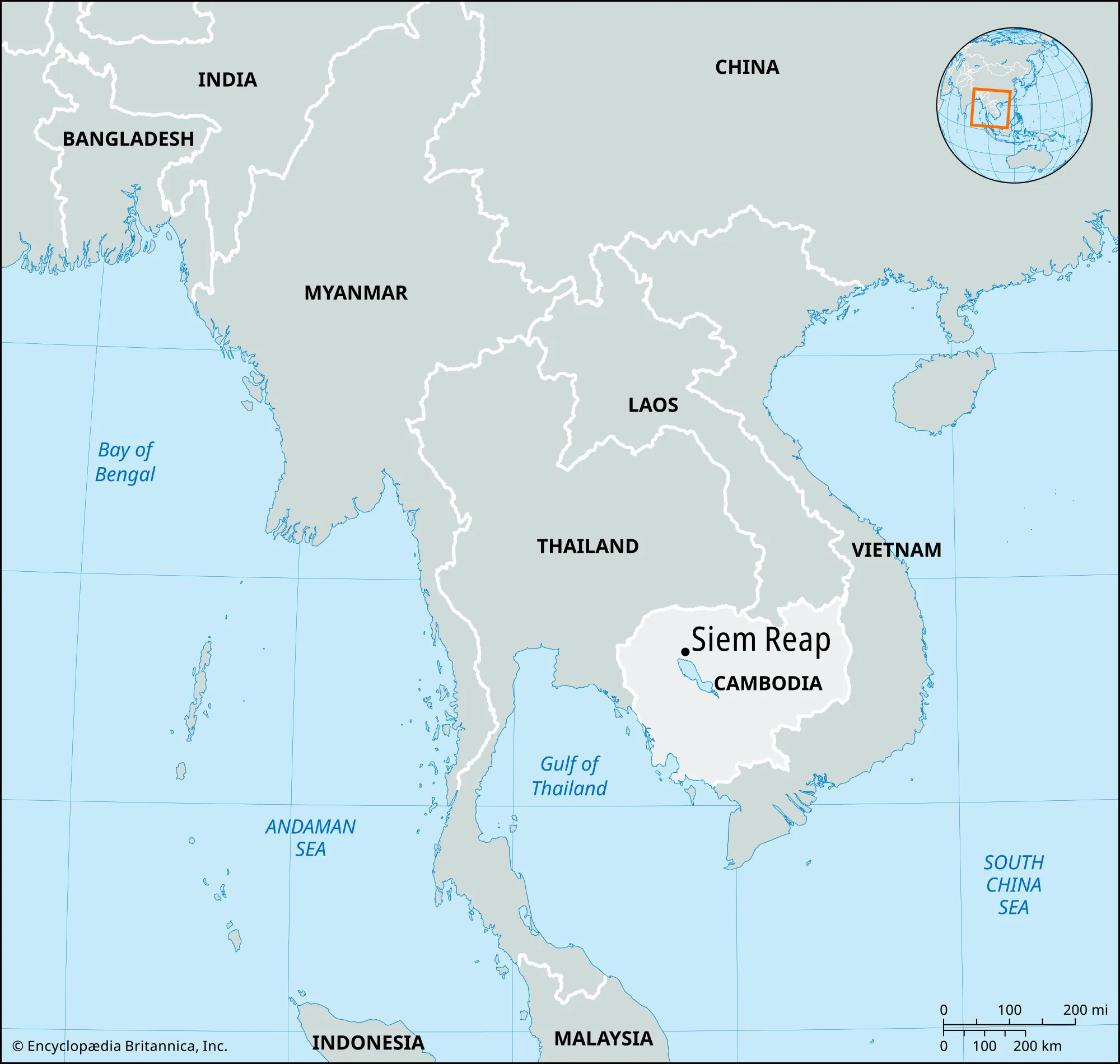
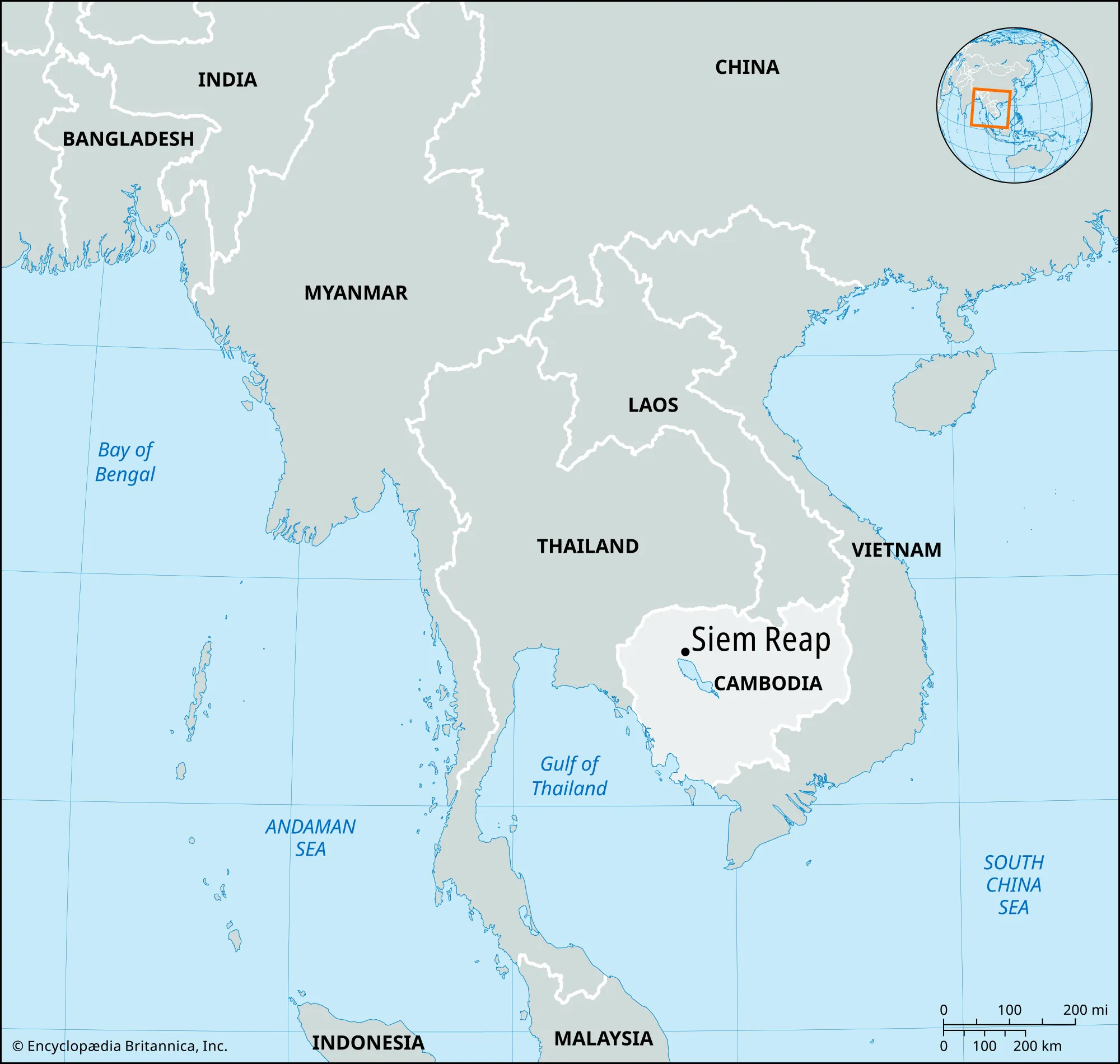
The small Southeast Asian state of ______ was able to expel the French in 1688.
Blank
What happened to the French in Siam in 1688?
The French were expelled by Siam people
Some was outraged by aggressive religious conversion efforts and plotting to extend French influence
REMINDER:
What is fuedalism?
A system where land is the currency
A king gives land to nobles In exchange for soldiers and loyalty
Nobles give land to knights the same wat
Peasants work the land in return for protection
____ provides a fascinating case study in the ability of major Asian powers to control the European intruders!
Japan
________[Europeans] arrived the Japanese first in 1543.
followed by the Spanish, Dutch and English merchants
Portuguese
How did the feudal conflict of 16th-century Japan create an opportunity for Portuguese merchants and missionaries?
Japanese power was divided among competing daimyo (feudal lords) with their own samurai
→ Fragmentation at this time
Europeans found a hospitable welcome because their military technology, shipbuilding skills, geographic knowledge, commercial opportunities, and religious ideas were useful or attractive to various factions/competing society
Led to substantial Christian conversions (~300,000) and a Japanese-led church

Describe how Japan changed in the 17th century.
Japan was unified under the Tokugawa shogunate (SHOGUN = supreme military commander)
Japanese civil wars ended (Daimyo vs Samurai wars ended)
Due to the end of the civil wars, many samurai became salaried bureaucrats/administrators (while retaining special status and the right to wear swords)

How did these changes [in the 17th century] affect Japan’s relationship with Europeans?
hint: Closed Country Edict of 1635
Japan was unified under the Tokugawa shogunate (SHOGUN = supreme military commander)
Japanese civil wars ended (Daimyo vs Samurai wars ended)
Due to the end of the civil wars, many samurai became salaried bureaucrats/administrators (while retaining special status and the right to wear swords)
Shoguns came to view Europeans as a threat to the new unity
Shoguns expelled Christian missionaries and violently suppressed Christianity
→ The Shoguns executed Christian missionaries and thousands of Japanese converts, and they were often tortured.
In Japan’s Closed Country Edict of 1635, it forbade Japanese from traveling abroad and banned most European traders
What was the official policy of the Tokugawa Shogunate regarding European trade from 1650–1850?
The Tokugawa Shogunate pursued isolationist trade policies that largely closed the country off from the emerging world of European commerce
Exception: Dutch permitted to trade only from the island of Dejima in Nagasaki
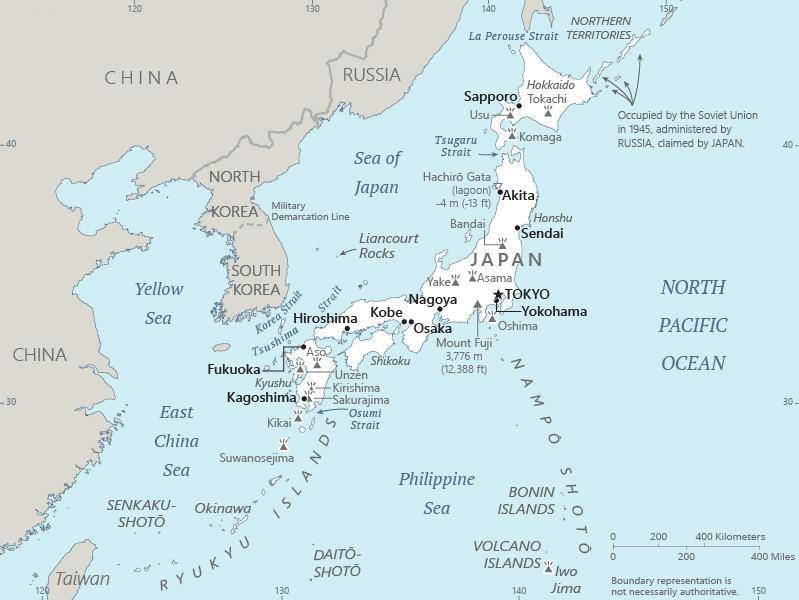
The Tokugawa Shogunate pursued isolationist trade policies that largely closed the country off from the emerging world of European commerce
Exception: Dutch permitted to trade only from the island of Dejima in Nagasaki
→ that connection gave japan a limited exposure to advances in European technology and medicine
Who did Japan continue to trade with during this time? (Under Tokugawa Shogunate)
China
Korea
Southeast Asia (large numbers of Japanese traders operated in Southeast Asia)
Dutch only among Europeans (via Dejima Island)
FYI: The Europeans frequently used used force in support of their commercial activities…
Examples: Spice Islands (Portuguese and later Dutch)
India (British and Dutch)
Brazil and Carrribean (Americas)
→ REFUTING: Japan and China
Describe the role Asian merchants played in Indian Ocean commerce in the face of European intrusion.
They did not disappear.
Arab, Indian, Japanese, Chinese, Javanese, Malay, Vietnamese, and others benefited from increased seaborne commerce
Chinese merchants dominated the spice trade between Southeast Asia and China
Southeast Asian merchants (including many women) continued long-standing roles
Overland trade stayed in Asian hands and grew considerably
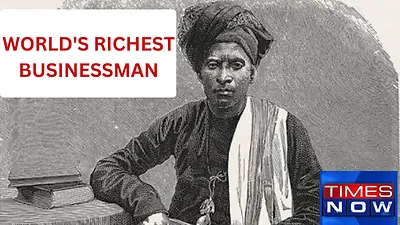
Indian family firms (e.g., Virji Vora) monopolized certain goods, set prices, and provided high-interest loans to Europeans
Asian commercial networks remained sophisticated and successful even as Europeans militarized seaborne trade
Europeans in Eurasia: Overland trade stayed in Asian hands and grew considerably
Big Idea:
These international Asian commercial networks continued to operate successfully even as Europeans militarized the seaborne commerce of the Indian O Ean
Viji Vora (India) decided much of what price the Europeans could buy things for