geography, coasts
 Call Kai
 Learn
Learn Practice Test
 Spaced Repetition
 Match
Match Flashcards
 Knowt Play
1/26

There's no tags or description
Looks like no tags are added yet.
Name | Mastery | Learn | Test | Matching | Spaced | Call with Kai | Chat |
|---|
No analytics yet
Send a link to your students to track their progress
27 Terms
isolated systems
have no interactions, inputs or outputs
closed sytems’s
only have inputs and outputs of energy nit matter
open systems
inputs and outputs of energy and matter
explain the dynamic equilibrium with an example of positivce and negative feedback also explained
a state of balance between the inputs and outputs of s systems
positive feedback pulls away from the equilibrium e.g tsunami
negative feedback pulls back to the equilibrium e.g sea wall
in terms of erosion on a coast
constructive waves
strong swash
weak backwash
long wavelength
low waveheight
low frequency
destructive waves
weak swash
strong backwash
short wavelength
high waveheight
high frequency

BFNO
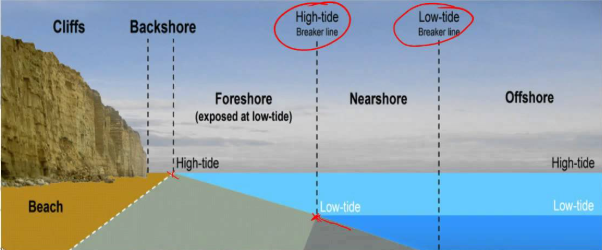
what three factors effect waves and what is the effect and which is perminant
strength of wind, larger wave
persistence, more frequent waves so enhanced effects
fetch, distance waves have to ‘charge’ e.g america to portugal
explain how waves break
circular motion in deep ocean keeps waves at same height
as they teach coast friction on seabed makes motion elliptical (oval)
the top then stays at original speed so topples over
what is wave refraction
Wave refraction is the bending of waves towards shallow water, caused by a change in wave speed due to friction from shallow water

what is bathymetry (underwater mirroring)
essentially how the seabed expands from the mainland to the deep ocean. it plays a key role in wave breakage and refraction
tidal range
distance between LWM and HWM
explain a spring tide
when the sun, moon and earth are in line so create large gravitational pull so largest possible tidal range
explain neap tide
when the moon is perpendicular to the sun and earth so gravitational pulls work against each other causing lowest possible tidal range
classify the different tidal ranges
macrotidal - over 4m
mesotidal - 2-4m
microtidal - under 2m
explain high energy coastline and give 2 examples of landforms from it
an area of coastline with high wind so high rates of erosion, low rates of deposition
bay + headland
explain low energy coastline
low wave energy causing low rates of erosion ands high rates of deposition with constructive waves
spits + bars
describe solution
chemical in water that breaks down rock
state the three types of weathering
physical
chemical
biological
describe and classify freeze thaw weathering
water entering crack of rock, freezing, expanding therefore pressuring the rock
physical
describe and classify salt crsyallisation
salt water entering crack and water dissolving leaving a crystal that expands and pressurises rock
physical
describe exfoliation classify it
surface layers of rock expand in heat and contract in cold causing layers to peel off
physical
describe and classify carbonation
rainwater absorbing co2 creating weak carbonic acid this reacts with calcium carbonate in rocks like limestone
chemical
describe and classify hydrolisis
slightly acidic rainwater reacts with minerals in rocks weakening it by forming clay
chemical
describe and classify oxidation
oxygen in air/water reacts with iron rich minerals in rock causing rust which weakens it
describe and classify plant root and burrowing animals
animals that burrow and growing plants pressurise rocks
biological
describe and classify organic acids
plant decay and soil release acids that chemically breakdown rock
biological