Bones Pt. 2
 Call Kai
 Learn
 Practice Test
 Spaced Repetition
 Match
 Flashcards
 Knowt Play
1/31

There's no tags or description
Looks like no tags are added yet.
32 Terms
PTH
parathyroid hormone located behind the thyroid that regulates the balance of calcium in the body
Calcitonin
hormone produced by cells of the thyroid, helping lower blood calcium and phosphate levels
Osteoprotegerin
hormones indirectly stimulating osteoclast activity by increasing the synthesis of RANK-L and decreasing the synthesis of the antagonist
Wolff’s Law
a bone grows or remodels in response to the demands placed on it
Fractures
partial or complete bone break; during youth fractures occur from sports, car accidents, and falls; in old age they occur from thinner/weaker bones
Displaced Fractures
the bone ends are out of normal alignment
Open Fracture
the bone ends penetrate the skin
Closed Fracture
when the bone ends don’t penetrate the skin
Reduction
the realignment with broken bone ends
Closed Reduction
the physicians hands coax the bone ends into position
Open Reduction
bone ends are secured together surgically with screws and plates
Hematoma
hemorrhaged blood clots form because the blood vessels in the bone and periosteum tear
Fibrocartilaginous Callus
(soft tissue) temporary mass of repair tissue that forms around a broken bone and connects the broken ends together
Bony Callus
osteoblasts deposit minerals and convert the soft tissue into hard woven bone
Osteomalacia
a bone disease where the bones are poorly mineralized making bones soft and weak
Osteoporosis
group of diseases in which bone resorption outpaces bone deposit causing the bones to become so fragile
Paget’s Disease
excessive and haphazard bone deposit and resorption, leaving affected bones larger, softer, and more prone to fractures/ deformaties
Comminuted Fracture

bone breaks into multiple fragments, common in the ederly
Spiral Fracture

ragged break occurs when excessive twisting forces are applied to a bone; common in sports
Depressed Fracture
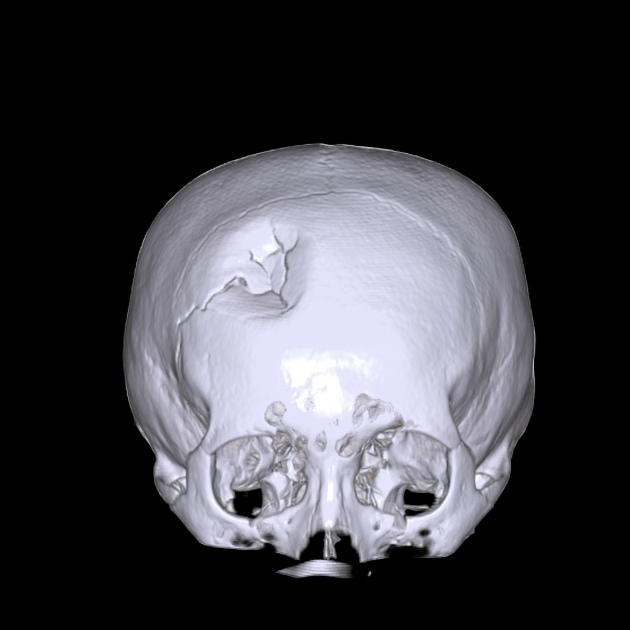
broken bone is pressed inward; typical skull fracture
Compression Fracture

bone is crushed; subjected to extreme trauma
Epiphyseal Fracture

epiphysis separates from the diaphysis along the epiphyseal plate
Greenstick Fracture

bone breaks incompletely, like a green twig, only one side breaks while the other bends
Achondroplasia
congenital condition involving defective cartilage and endochondral bone growth so that the limbs are too short but the membrane bones are normal size; dwarfism
Bony Spur
abnormal projection from a bone due to bony overgrowth; common in aging bones
Ostealgia
pain in the bone
Osteitis
inflammation of bony tissue
Osteogenesis Imperfecta
also called brittle bone disease, a disorder in which the bone matrix contains inadequate collagen, putting it at risk of shattering
Osteomyelitis
painful bone infection, where the bone and bone marrow are inflamed caused by pus-forming bacteria that reaches the bone through the bloodstream, nearby tissue, or open injuries
Osteosarcoma
a form of bone cancer typically in the long bone, and usually in younger people; treatment involves chemo, surgery, and sometimes radiation with a 50% survival rate
Pathologic Fracture
fracture in diseased bone caused by an underlying disease or condition that weakens the bone structure, rather than a heavy impact or injury
Traction
(pulling) placing sustained tension on a body region to keep the parts of a fractured bone in proper alignment, also prevents spasms of skeletal muscles