Carbon Cycle (Biology)
 Call Kai
 Learn
 Practice Test
 Spaced Repetition
 Match
 Flashcards
 Knowt Play
1/6

There's no tags or description
Looks like no tags are added yet.
Name | Mastery | Learn | Test | Matching | Spaced | Call with Kai | Chat |
|---|
No analytics yet
Send a link to your students to track their progress
7 Terms

Carbon cycle
The biogeochemical process by which carbon is continuously exchanged and recycled among the atmosphere, hydrosphere, geosphere, and biosphere.
Photosynthesis (in the carbon cycle)
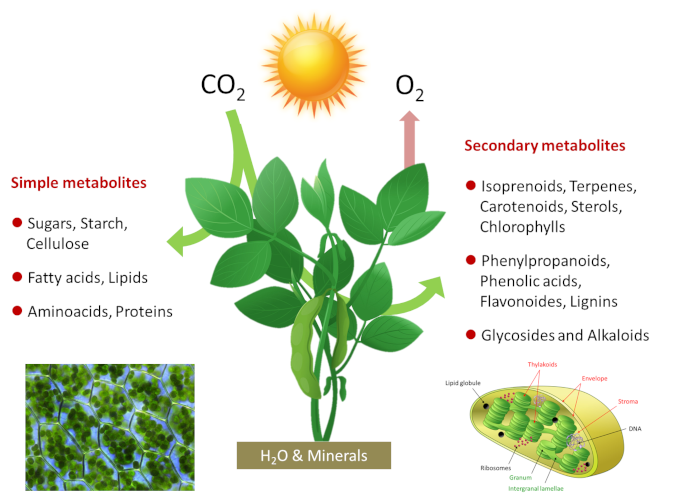
The biological process by which green plants and other autotrophs absorb atmospheric CO2 and water to produce glucose and oxygen: 6CO2+6H2O→C6H12O6+6O2.

Cellular respiration (in the carbon cycle)
The metabolic reaction in organisms that oxidizes organic compounds such as glucose, releasing energy along with CO2 back into the atmosphere: C6H12O6+6O2→6CO2+6H2O.

Carbon sink
A natural or artificial reservoir, such as an ocean, peatland, or old-growth forest, that absorbs and accumulates more carbon than it releases.

Carbon source
A process or mechanism, such as fossil fuel combustion, volcanic eruptions, or deforestation, that releases more carbon into the atmosphere than it sequesters.
Decomposition
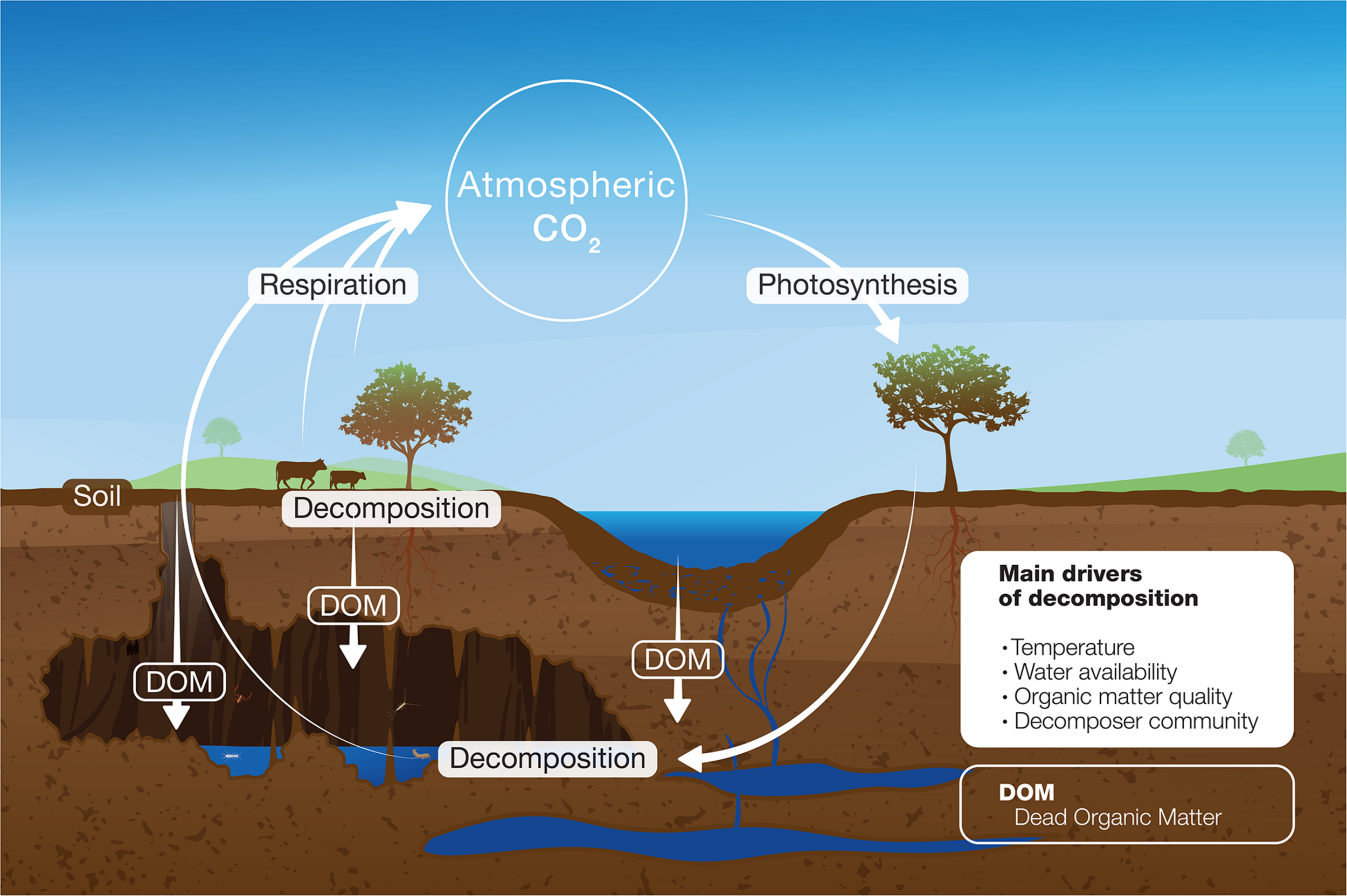
The breakdown of dead organic material by fungi and bacteria, which enriches soil nutrients and releases CO2 through aerobic respiration or CH4 under anaerobic conditions.

Combustion
The rapid chemical oxidation of organic matter or hydrocarbons in the presence of oxygen, releasing energy, H2O, and CO2 into the atmosphere.