517 Exam 3
 Call Kai
 Learn
 Practice Test
 Spaced Repetition
 Match
 Flashcards
 Knowt Play
1/61

There's no tags or description
Looks like no tags are added yet.
62 Terms

10.1


10.2


10.3


10.4


10.5


10.6


10.7
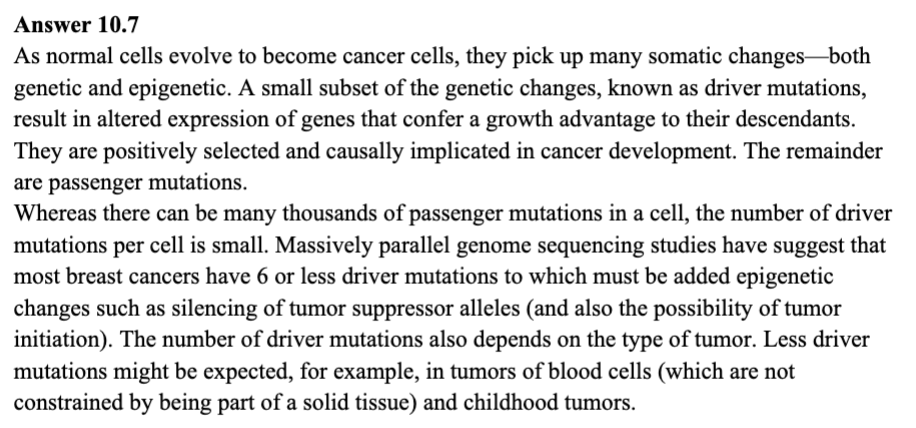

10.8
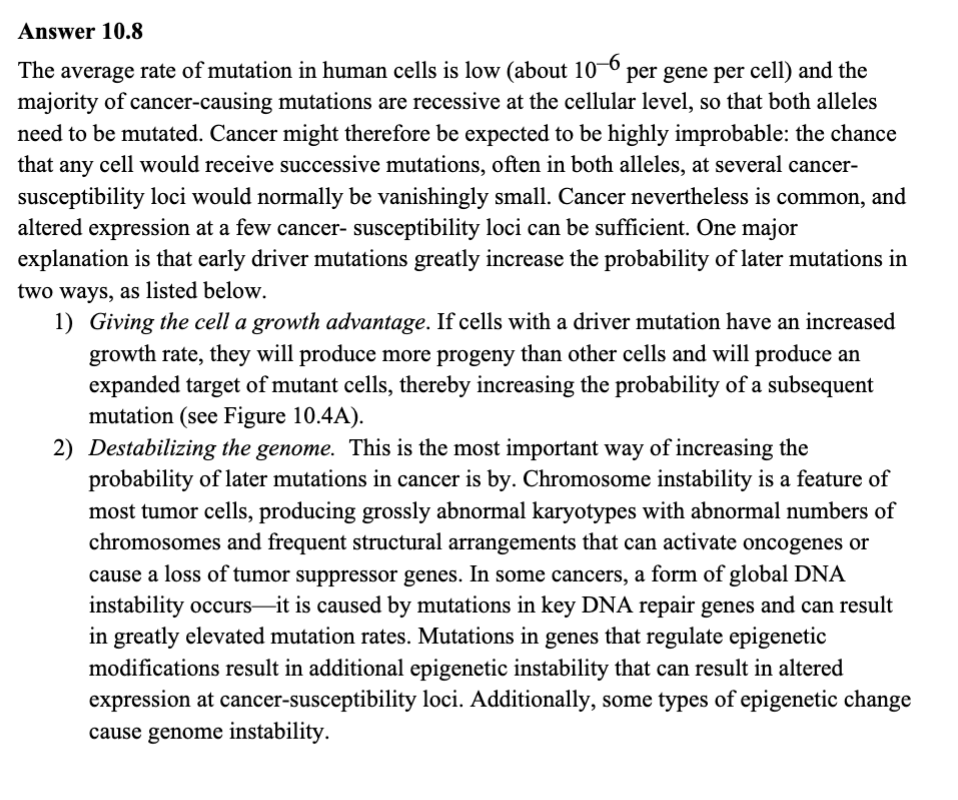

10.9
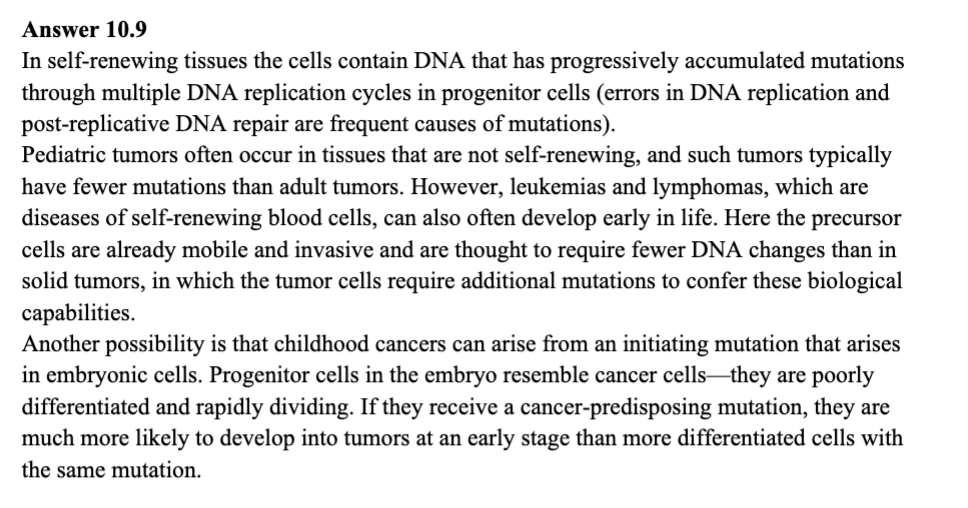

10.10


10.11


10.12


10.13


10.14


10.15


10.16


10.17


10.18


10.19
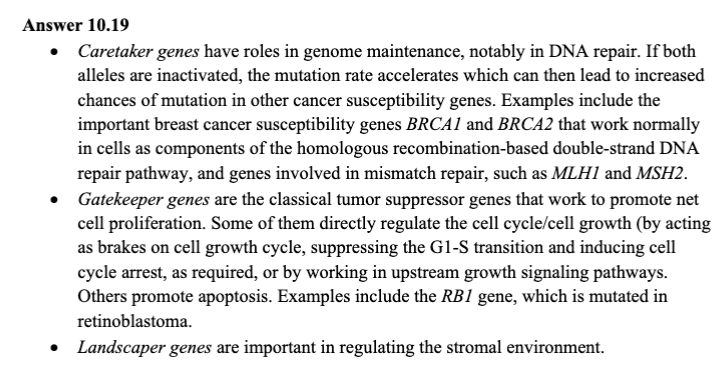

10.20


10.21


10.22


10.23


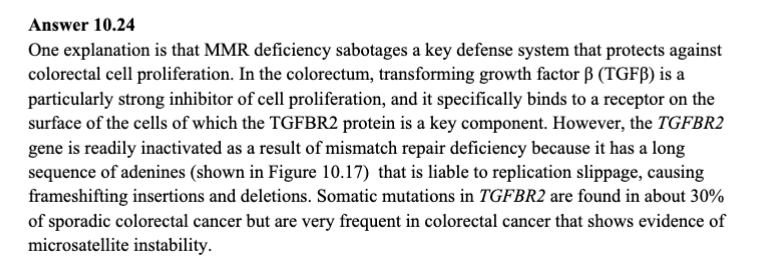
10.24
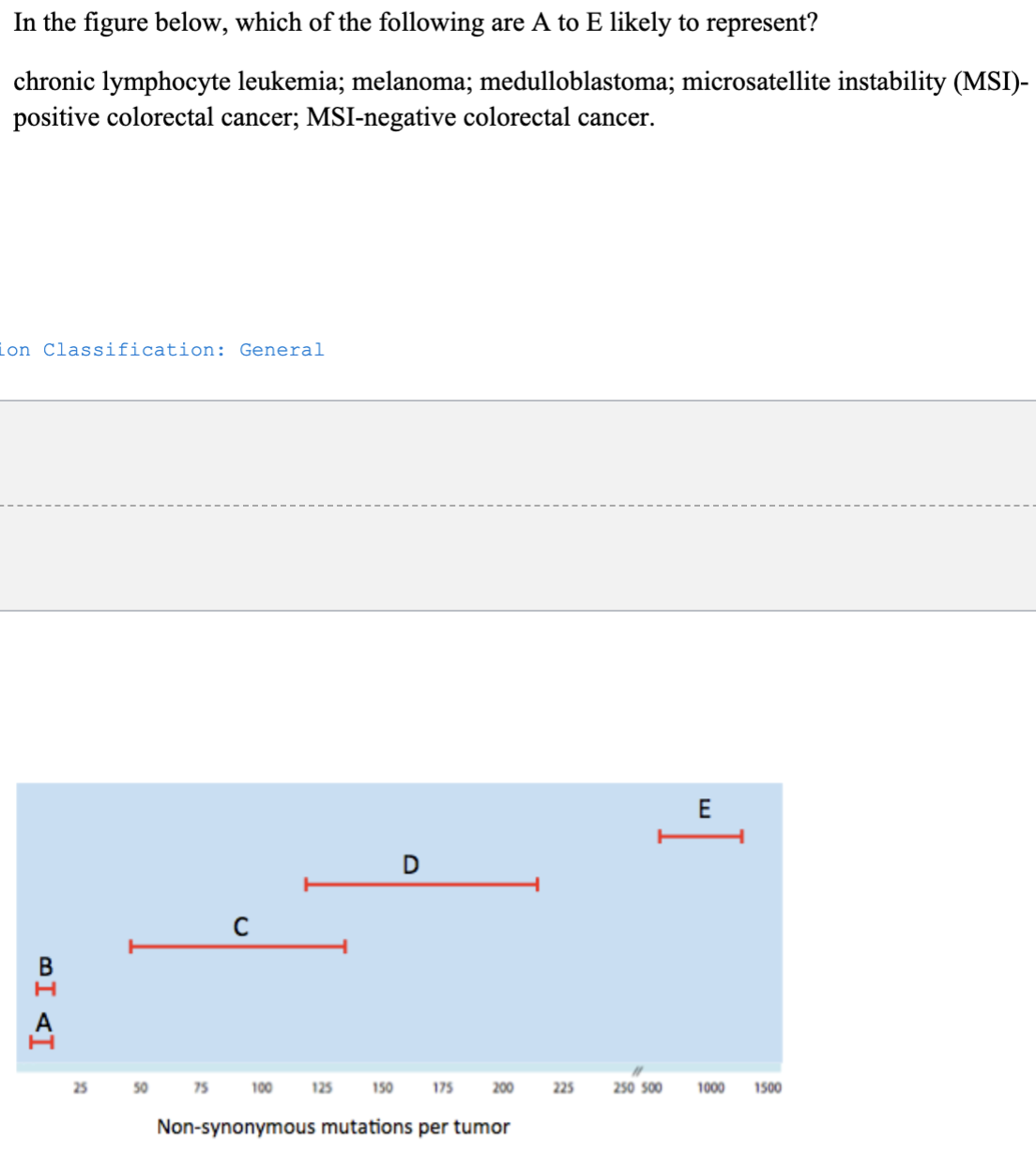
10.25
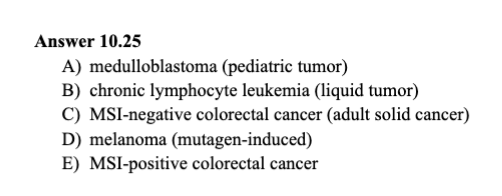

10.26


10.27
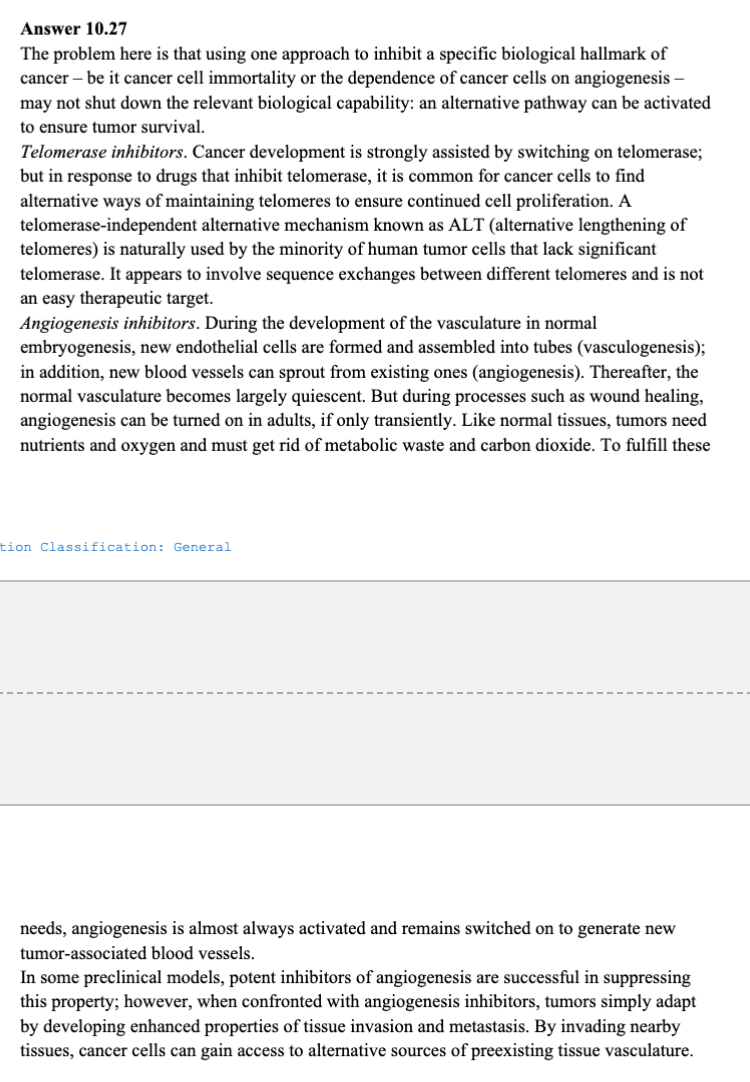

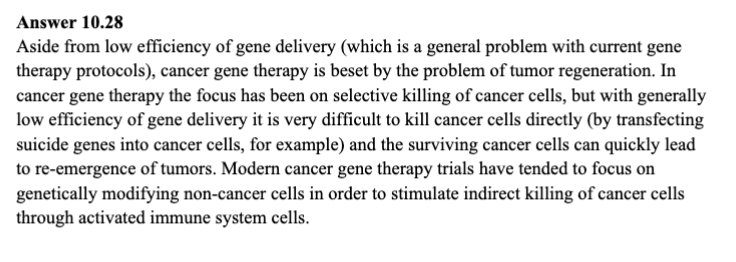
10.28

10.29


10.30


10.31


10.32

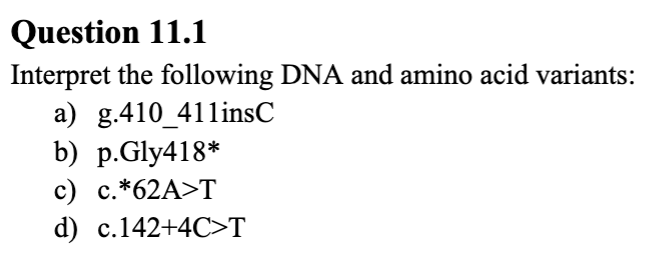
11.1


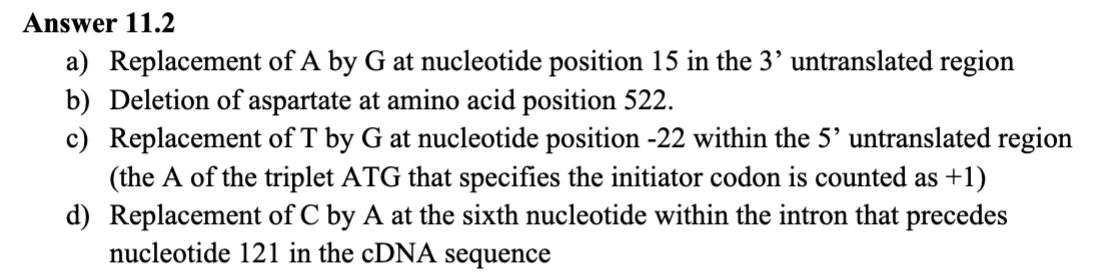
11.2

11.3


11.4


11.5


11.6


11.7


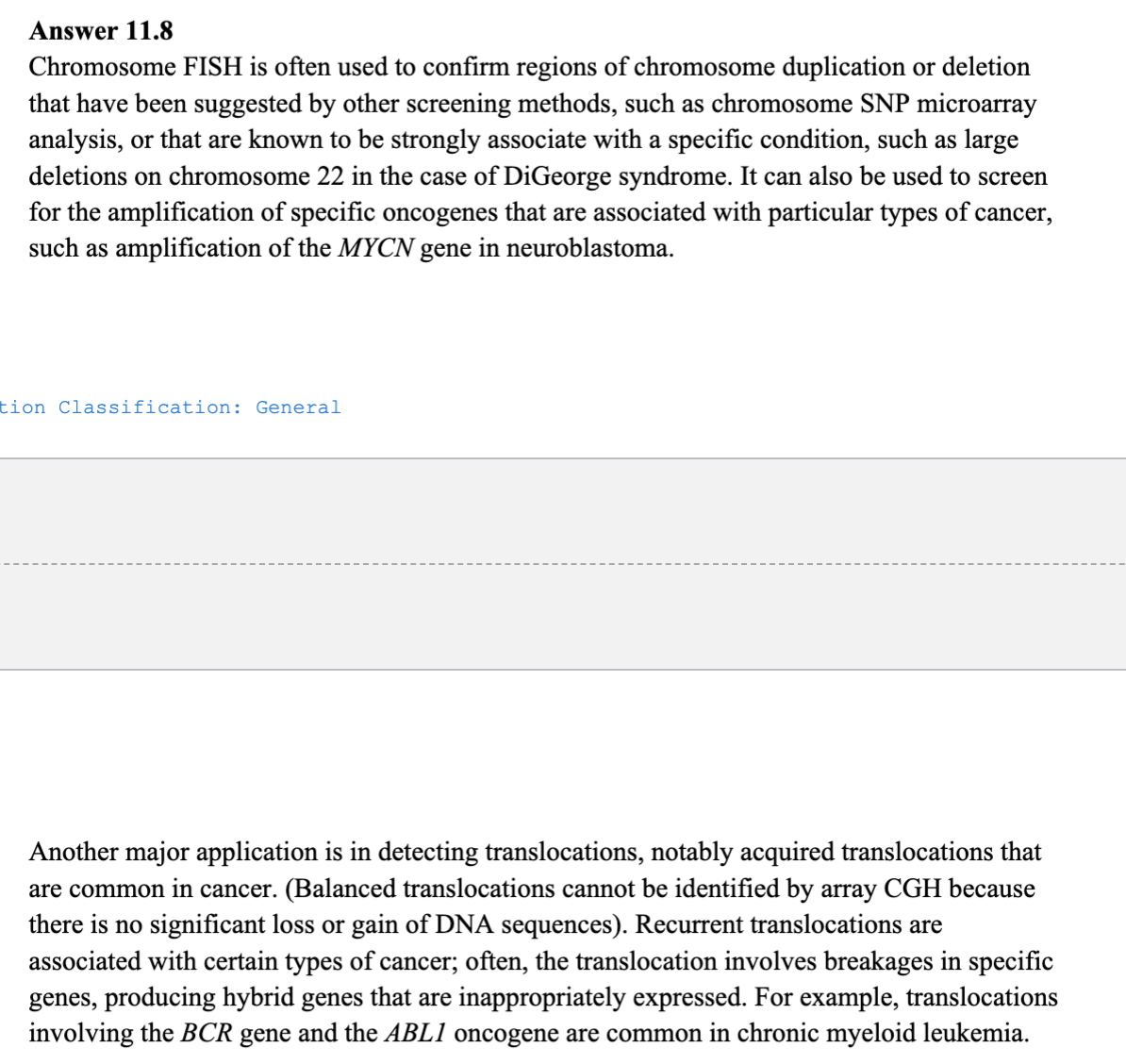
11.8

11.9


11.10


11.11
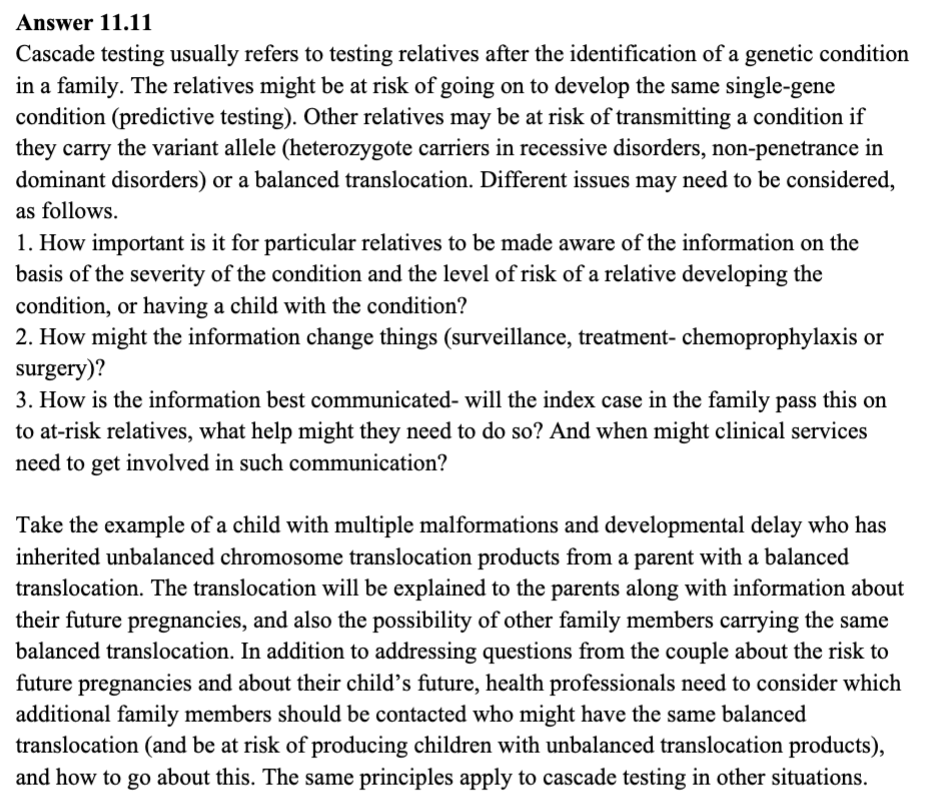

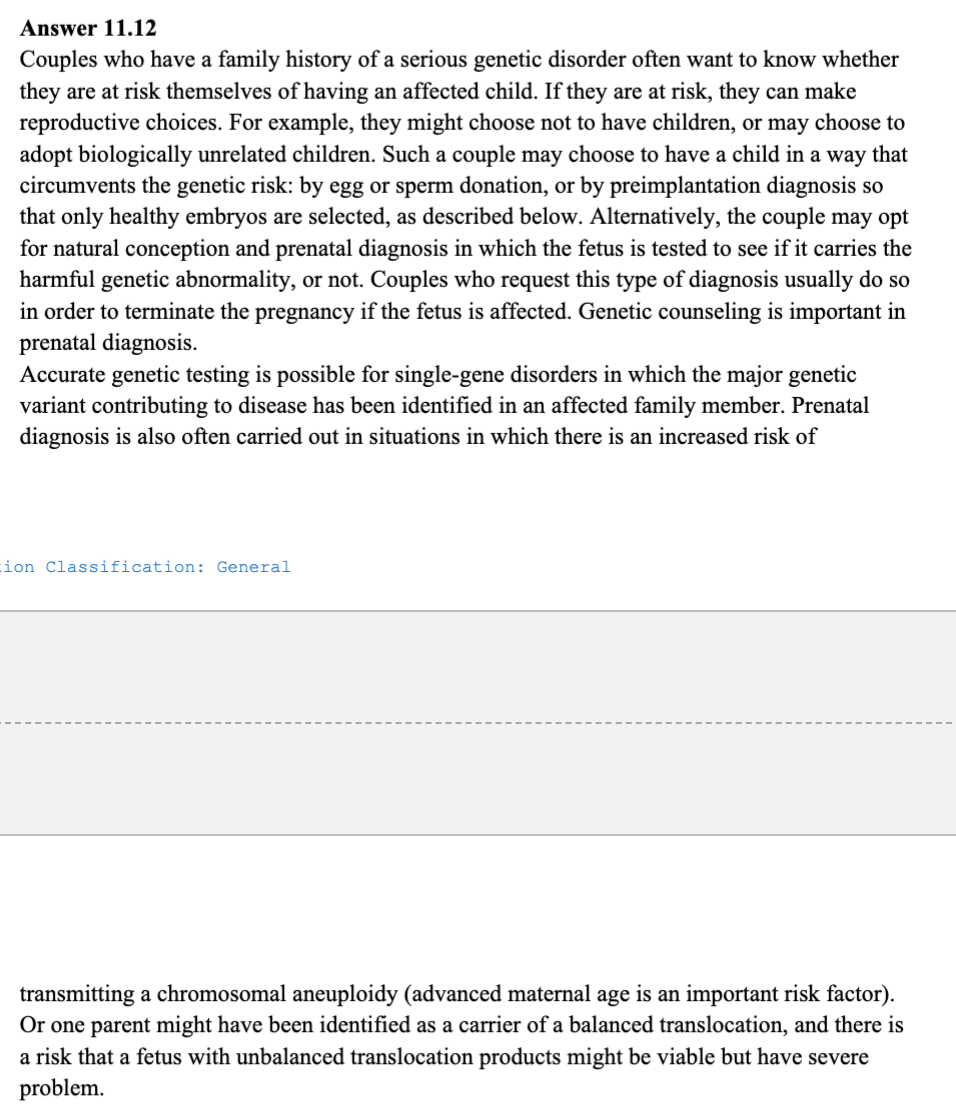
11.12

11.13


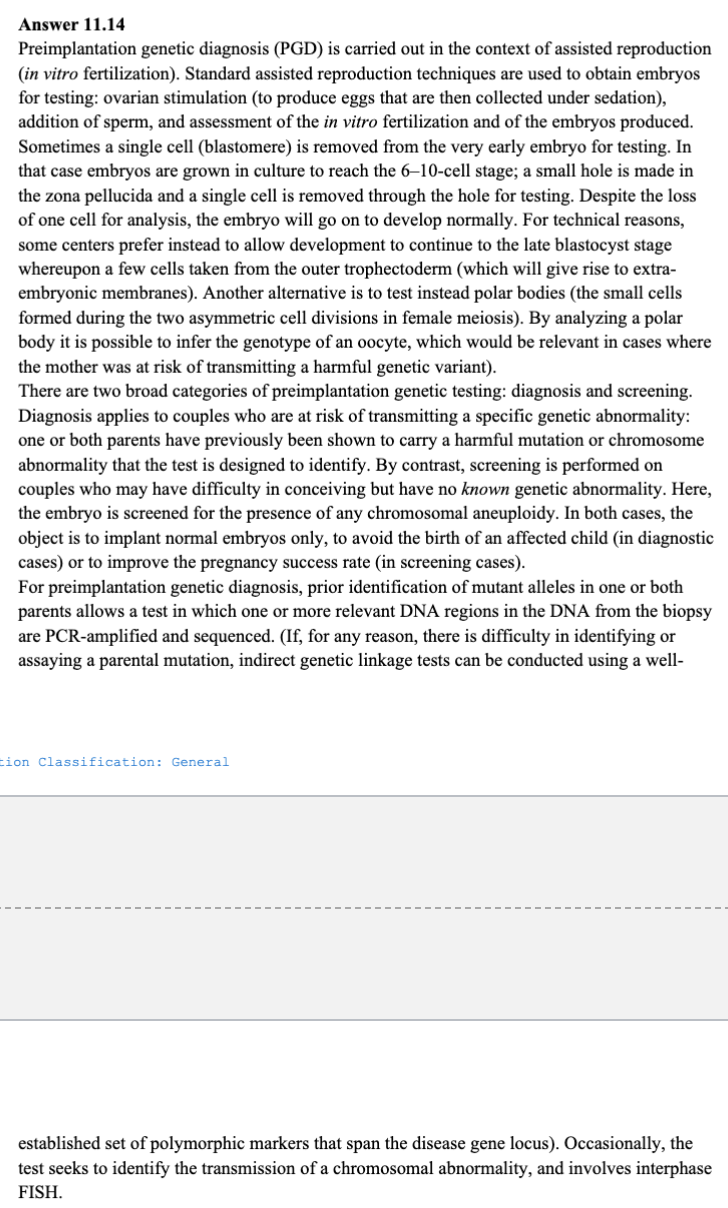
11.14
The process of achieving a pregnancy becomes medicalized (with potential side effects associated with ovarian hyperstimulation). Additionally, the likelihood of a successful pregnancy outcome is quite low: it is only about 1 in 5 at the start of an IVF treatment cycle (some- times no embryos are suitable for transfer, depending on the number of eggs fertilized, and the number and quality of unaffected embryos), but increases to 1 in 3 after embryo transfer.

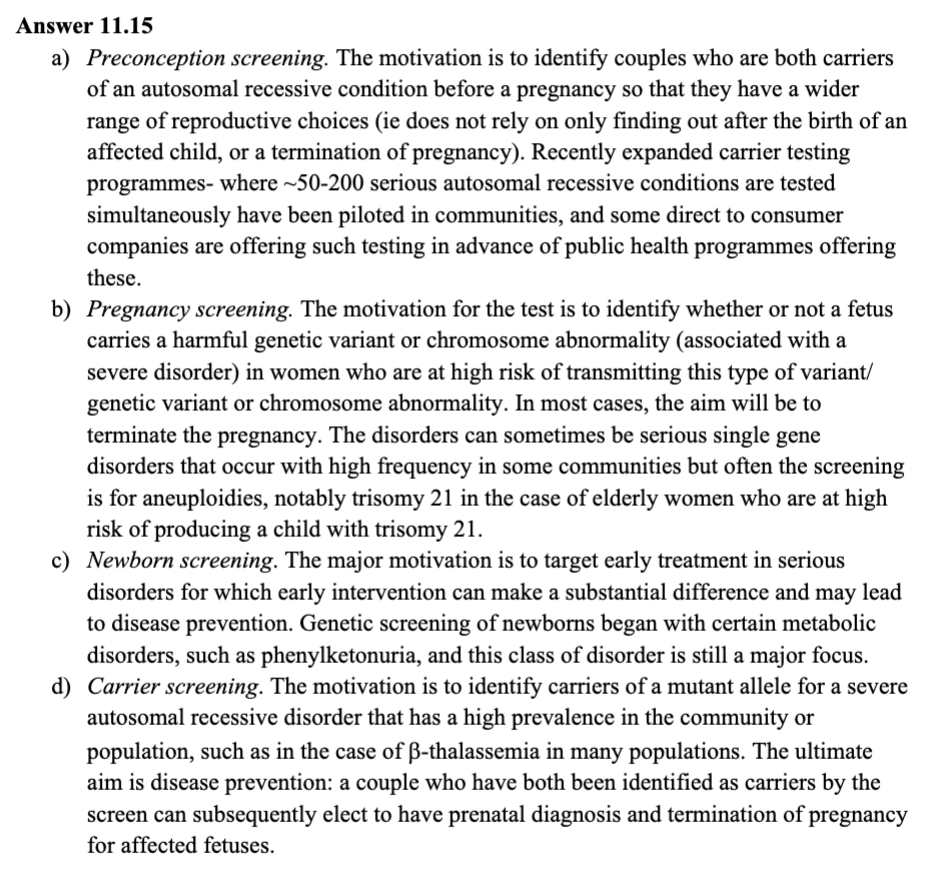
11.15

11.16

11.17


11.18


11.19


11.20


11.21

11.22


11.23


11.24


11.25
11.26

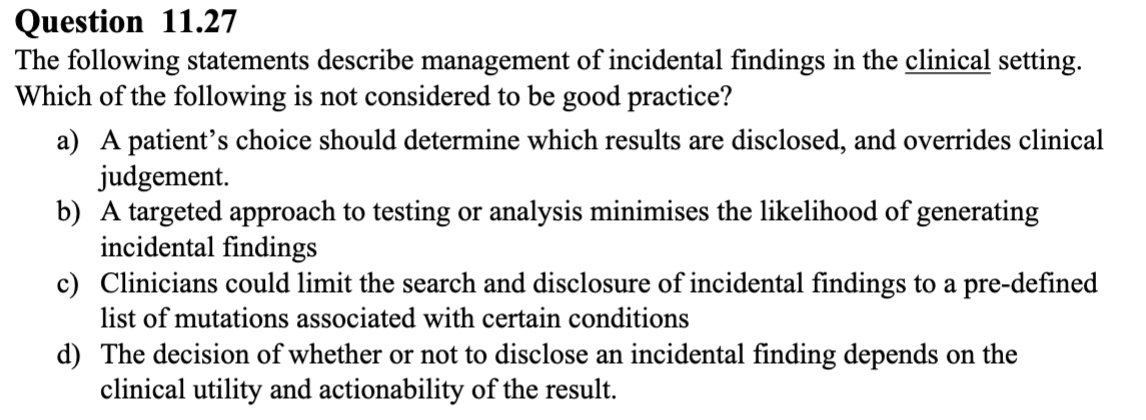
11.27


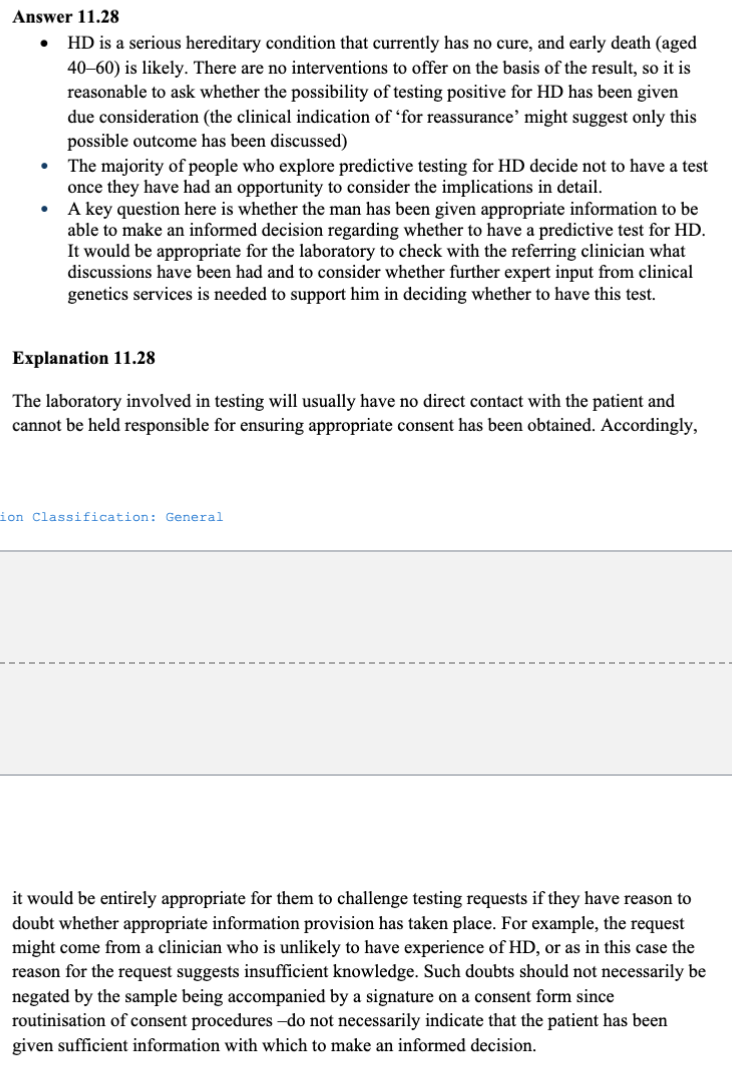
11.28

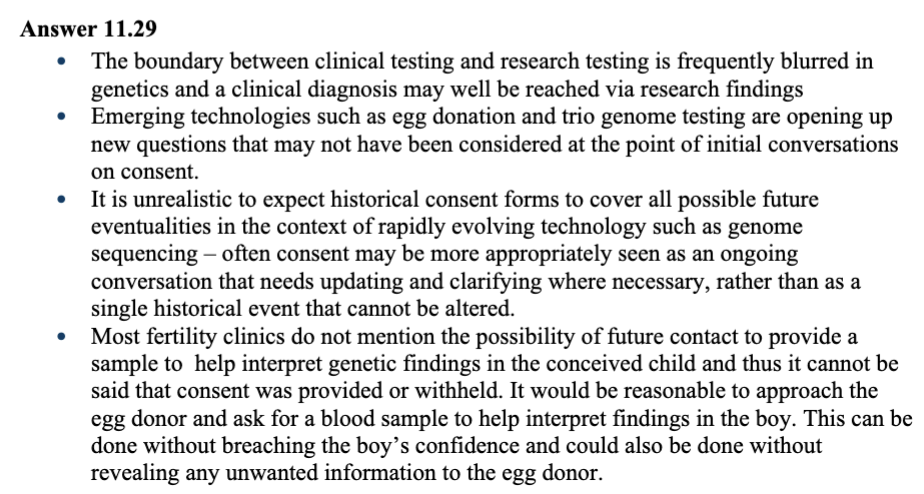
11.29

11.30
However, preventing disease transmission in the case of a prospective mother who has a high mtDNA mutation load is unfeasible: essentially all oocytes she might produce would carry mutant mtDNA. For severe mitochondrial disorders, such as Leigh syndrome, mitochondrial replacement therapy has great clinical utility. For the reasons given above, mitochondrial replacement therapy can be ethically justified.
