Chapter 4 The Rise of Modern Archaeology
 Call Kai
 Learn
 Practice Test
 Spaced Repetition
 Match
 Flashcards
 Knowt Play
1/22

There's no tags or description
Looks like no tags are added yet.
Name | Mastery | Learn | Test | Matching | Spaced | Call with Kai | Chat |
|---|
No analytics yet
Send a link to your students to track their progress
23 Terms
Typologies
categorizing material data based on specific attributes like form or style
Hyper-Diffusionism
a model assumed that some far-flung cultural traits indicative “icivilaizations” had originated from a single source
Behavioral Archaeology
a science of material culture, specifically focused on human-artifact relationships
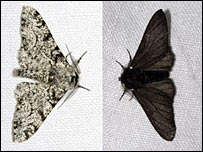
Selectionist Archaeology
a theoretical framework that explains culture change as a result of evolutionary processes similar to those outlined by natural selection; also known as evolutionary archaeology and Darwinian archaeology
Cultural Historical Archaeology
assigning ethnicity to archaeological cultures through the use of material culture
Processualism
(also known as the New Archaeology) is a theoretical framework that takes functionalist systemic frameworks and applies them across time to valuate how and why systems change
Lewis Binford
an important founder of processual archaeology
Michael Schiffer
an important founder of behavioral archaeology and formation processes
Queer Theory
a theoretical framework that examines how interpretations of the past are shaped by heteronormative assumptions of those who practice archaeology
Colin Renfrew
an important founder of cognitive archaeology
Middle Range Theory
Lewis Binford’s version of formation processes which establishes the material expressions of human behavior in the ethnographic record to help ethnoarchaeology and experimental archaeology
Julian Steward
a cultural anthropologist whose work interests in settlement patterns and the ways that human behavior is impacted by the environment had an impact on the development of processualism
Postprocessualism
sometimes defined as a series of interpretive frameworks in archaeology that challenged processualist epistemologies such as feminist archaeology, Marxist archaeology, and structuralism, or as a specific body of theory that emphasizes the use of subjective interpretations;; also known as interpretive archaeology
Evolutionary Ecology
uses natural selection theory to study adaptation and biological design in an ecological setting
Franz Boas
an influential anthropologist who established four-field anthropology in the United States
Phenomenology
a theoretical framework that for archaeologists concerns the study of human experiences in the past
Ian Hodder
an important founder of postprocessual archaeology
Feminist Archaeology
a theortical framework that first focused on gender bias in the practice of American Archaeology and interpretation of archaeological and then moved beyond analyses of females/males in the past and has inspired work in many aspects of human diversity including studied of childhood, the body and queer theory
Cultural Ecology
the study of how humans societies adapt to, survive in, and shape their physical and social environments
Cultural Evolutionary Theory
the study of how human beliefs, behaviors, languages, and technologies change over time through social transmission rather than genetic inheritance
Contemporary Processualism
scientific method, data quantification, and empirical testing
Practice Theory
explains society and culture through the lens of human action, routines, and everyday practices rather than rigid structural determinism or isolated individual choices
Cultural Particularism
an anthropologist theory stating that each culture has a unique history and must be understood through its own specific context rather than by universal laws or evolutionary ranks