Molecular Biochemistry I: Amino Acids
 Call Kai
 Learn
 Practice Test
 Spaced Repetition
 Match
 Flashcards
 Knowt Play
1/69

There's no tags or description
Looks like no tags are added yet.
70 Terms
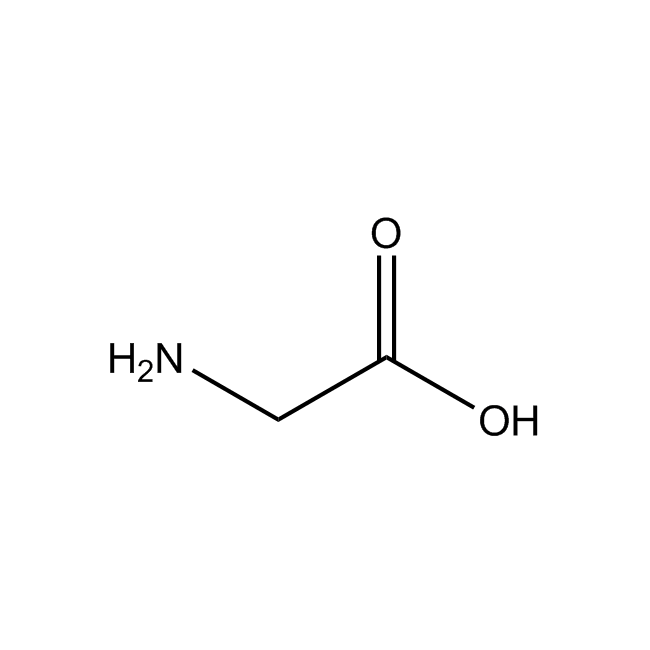
Glycine (Gly, G)
Nonpolar, uncharged; smallest amino acid; achiral; highly flexible.
Alanine (Ala, A)
Nonpolar, uncharged; small methyl side chain.

Valine (Val, V)
Nonpolar, uncharged; branched-chain aliphatic amino acid.

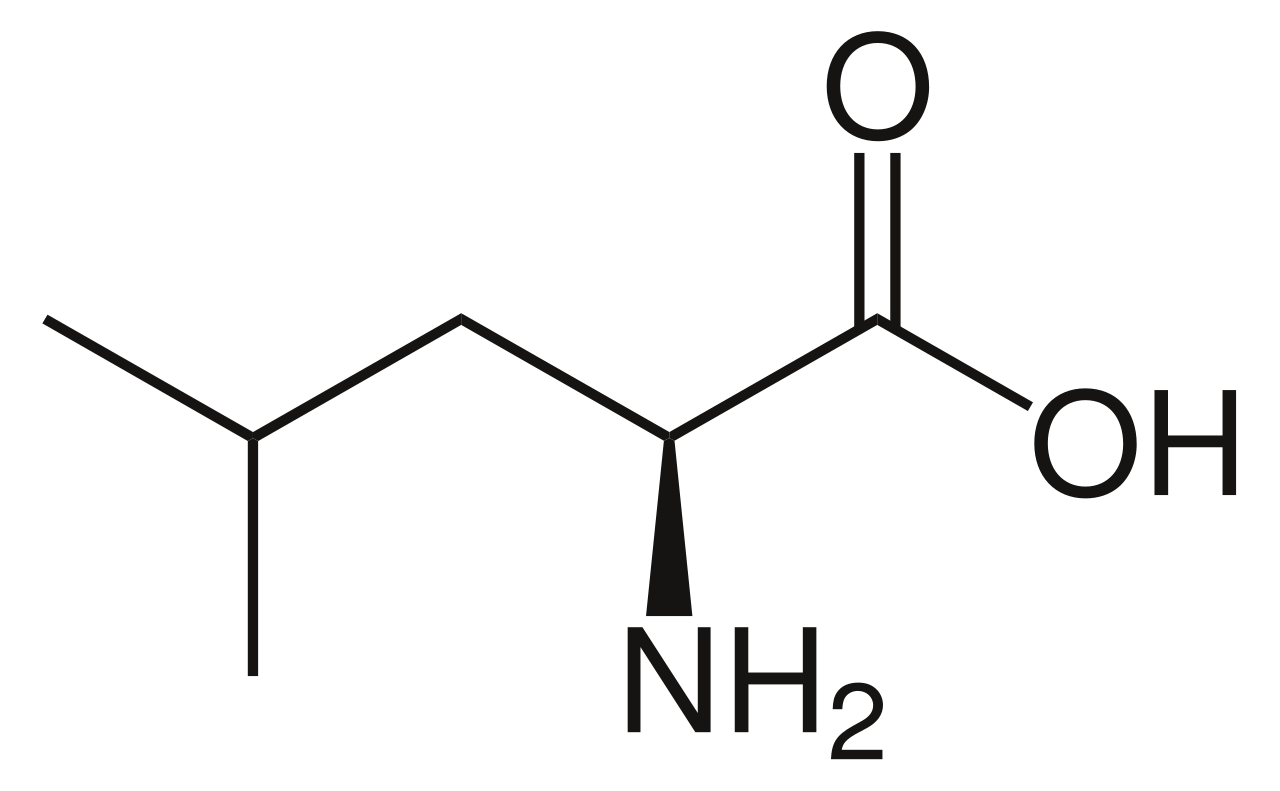
Leucine (Leu, L)
Nonpolar, uncharged; branched-chain aliphatic amino acid.
Isoleucine (Ile, I)
Nonpolar, uncharged; branched-chain; has a second stereocenter.

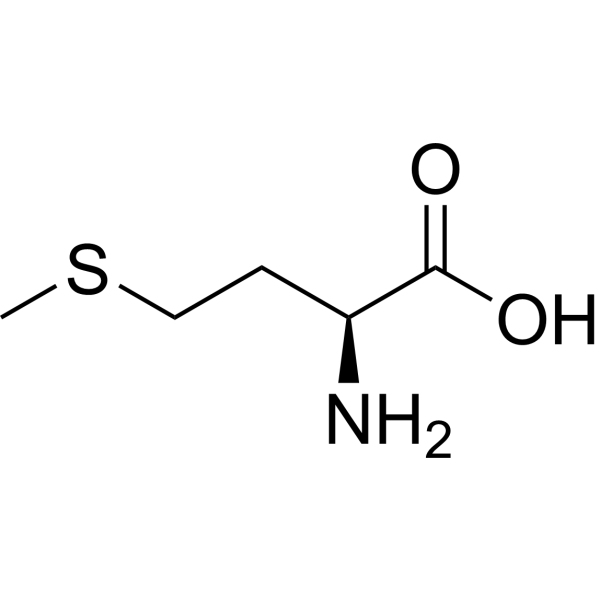
Methionine (Met, M)
Nonpolar, uncharged; contains a sulfur-containing thioether.
Proline (Pro, P)
Nonpolar, uncharged; cyclic side chain restricts backbone flexibility.

Phenylalanine (Phe, F)
Nonpolar, uncharged; aromatic benzene ring.

Tryptophan (Trp, W)
Predominantly nonpolar, uncharged; aromatic indole ring; can hydrogen bond.

Serine (Ser, S)
Polar, uncharged; hydroxyl group; can be phosphorylated.

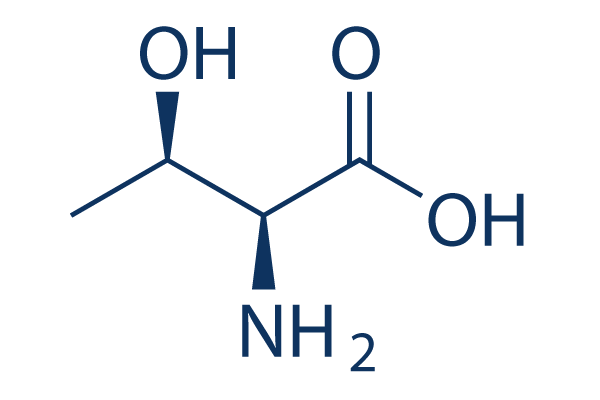
Threonine (Thr, T)
Polar, uncharged; hydroxyl group; can be phosphorylated.
Asparagine (Asn, N)
Polar, uncharged; amide side chain; related to aspartate.

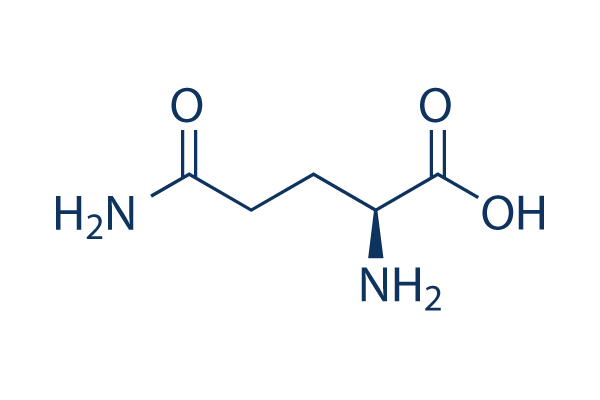
Glutamine (Gln, Q)
Polar, uncharged; amide side chain; related to glutamate.
Cysteine (Cys, C)
Polar, usually uncharged at pH 7; thiol (-SH); forms disulfide bonds on oxidation.

Tyrosine (Tyr, Y)
Polar, usually uncharged at pH 7; aromatic phenol; ionizable and can be phosphorylated.

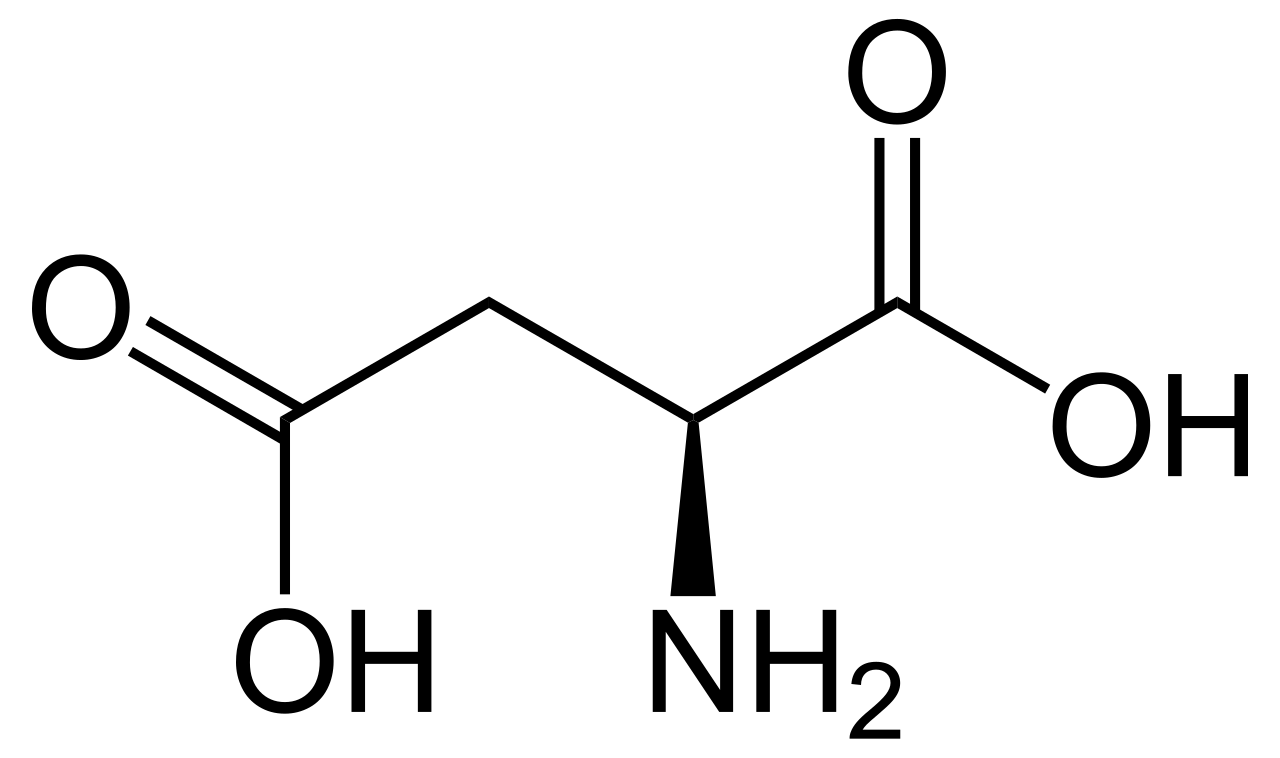
Aspartate (Asp, D)
Acidic, negatively charged at pH 7; carboxylate side chain; pKa about 3.9.
Glutamate (Glu, E)
Acidic, negatively charged at pH 7; carboxylate side chain; pKa about 4.1.

Lysine (Lys, K)
Basic, positively charged at pH 7; epsilon-amino group; pKa about 10.5.

Arginine (Arg, R)
Basic, positively charged at pH 7; guanidinium group; pKa about 12.5.

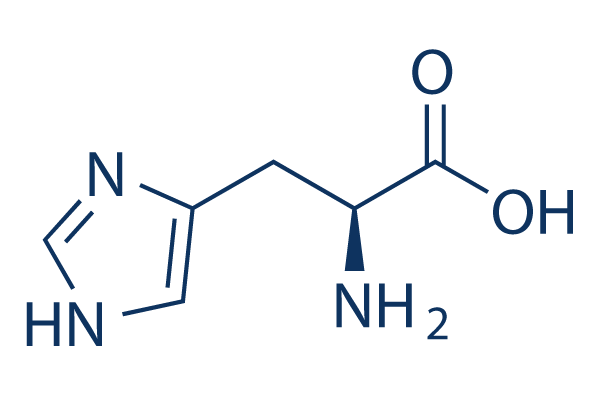
Histidine (His, H)
Basic, usually neutral near pH 7; imidazole ring; pKa about 6; acid-base catalysis.
What four groups attach to the alpha carbon of an amino acid?
An amino group, carboxyl group, hydrogen, and variable R group.
What is a zwitterion?
A molecule with both positive and negative charges; free amino acids near pH 7 usually have NH3+ and COO-.
What determines whether an amino acid is nonpolar, polar, acidic, or basic?
The chemical properties of its side chain (R group).
Which amino acids are acidic and negatively charged at pH 7?
Aspartate (D) and glutamate (E).
Which amino acids are strongly basic and positively charged at pH 7?
Lysine (K) and arginine (R).
Which amino acid acts as a useful proton donor or acceptor in enzymes?
Histidine; its imidazole side-chain pKa is close to physiological pH.
How do pH and pKa predict protonation?
When pH is below pKa, the group is more protonated; when pH is above pKa, it is more deprotonated.
What is the side-chain charge of histidine at pH 7?
Mostly neutral; about 9% protonated if its side-chain pKa is 6.
Which amino acids contain sulfur?
Cysteine (thiol) and methionine (thioether).
Which amino acids are aromatic?
Phenylalanine, tyrosine, and tryptophan.
Which amino acids have hydroxyl side chains?
Serine, threonine, and tyrosine.
Which amino acids have amide side chains?
Asparagine and glutamine.
What is a disulfide bond?
A covalent S-S bond formed by oxidation of two cysteine thiol groups.
What is cystine?
Two cysteine residues linked by a disulfide bond.
Where are disulfide bonds especially common?
Secreted and extracellular proteins; the ER lumen also favors their formation.
What is the difference between reduced cysteine and oxidized cystine?
Cysteine has a free -SH group; cystine contains an S-S bond.
What is the alpha carbon?
The amino-acid backbone carbon attached to the amino, carboxyl, hydrogen, and R groups.
How are side-chain carbons named?
Starting after the alpha carbon: beta, gamma, delta, epsilon, and so on.
In what direction are peptide sequences written?
From the N-terminus to the C-terminus.
How are residues named within a peptide?
All except the C-terminal residue use the -yl suffix; the last retains its full amino-acid name.
What is a peptide bond?
An amide linkage between the alpha-carboxyl group of one amino acid and the alpha-amino group of another.
What happens formally when a peptide bond forms?
A condensation reaction with net loss of water; ribosomes use activated amino acids in cells.
What is primary protein structure?
The linear sequence of amino-acid residues in a polypeptide.
Why is glycine achiral?
Its alpha carbon has two hydrogen substituents instead of four different groups.
What are enantiomers?
Non-superimposable mirror-image stereoisomers.
Which amino acid configuration is used in ribosomal protein synthesis?
Almost exclusively L-amino acids; glycine is achiral.
How do you identify L versus D amino acids in a standard Fischer projection?
With COO- on top and R below: NH3+ on left is L; on right is D.
What do horizontal and vertical bonds mean in a Fischer projection?
Horizontal bonds project toward the viewer; vertical bonds project away.
Do D and L indicate the direction of optical rotation?
No; D/L configuration is independent of (+)/(-) optical rotation.
How do you assign R versus S configuration?
Rank groups by CIP priority; with the lowest pointing away, clockwise 1-2-3 is R and counterclockwise is S.
What is the R/S configuration of most L-amino acids?
S at the alpha carbon; L-cysteine is R because sulfur changes the priority order.
Why can two enantiomers have different drug effects?
Chiral receptors and enzymes can bind and process the two forms differently.
What is a post-translational modification (PTM)?
A covalent chemical change to an amino-acid residue after protein synthesis.
What are examples of regulatory PTMs?
Phosphorylation and lysine acetylation.
What vitamin is needed for hydroxyproline formation in collagen?
Vitamin C.
What vitamin is needed for gamma-carboxyglutamate formation?
Vitamin K; this modification supports calcium binding.
What three amino-acid residues form the GFP chromophore?
Ser65, Tyr66, and Gly67.
What is GFP used for?
Visualizing gene expression and protein localization in living cells.
What molecule is made from glutamate and acts as an inhibitory neurotransmitter?
GABA (gamma-aminobutyric acid).
What signaling molecule is derived from histidine?
Histamine; involved in inflammation and gastric secretion.
What neurotransmitters are derived from tyrosine?
Dopamine, norepinephrine, and epinephrine (via L-DOPA and other intermediates).
What hormone can be synthesized from tyrosine residues?
Thyroxine (T4), a thyroid hormone.
What is glutathione (GSH)?
A redox-buffering tripeptide composed of gamma-glutamate, cysteine, and glycine.
How does glutathione protect cells?
GSH helps maintain a reducing environment; oxidation forms GSSG, which can be reduced using NADPH.
What is unusual about the glutamate-cysteine bond in glutathione?
It uses glutamate's gamma-carboxyl group instead of the usual alpha-carboxyl group.
How many polypeptide chains and disulfide bonds does mature insulin contain?
Two chains (A and B) and three disulfide bonds: two between chains and one within chain A.
What is the approximate mass of one amino-acid residue in a protein?
About 110 Da; protein mass is approximately residue count times 110 Da.
What are selenocysteine and pyrrolysine?
Two additional genetically encoded amino acids used in specific organisms and contexts.
Which stop codons can be recoded for selenocysteine and pyrrolysine?
UGA for selenocysteine; UAG for pyrrolysine, using specialized translation machinery.