PHAR 505 PATHOPHYS- Exam 2 Study Guide
 Call Kai
 Learn
 Practice Test
 Spaced Repetition
 Match
 Flashcards
 Knowt Play
1/63

There's no tags or description
Looks like no tags are added yet.
64 Terms
COPD is the ___ leading cause of death in the US
5th
Summarize anatomical features and physiological processes related to respiration
-Upper Respiratory Tract: nose/nostrils, nasal cavity, mouth, throat/pharynx, and larynx
-Lower Respiratory Tract: Trachea, lungs: the bronchi, bronchioles, and alveoli
-Lung anatomy: right lung (superior, middle, inferior lobes) and left lung (superior and inferior lobes)
-Pulmonary Circulation: CO2 comes in from the blood vessels and exchanges with oxygen in the air sacs; CO2 after gas exchange flows out through the bronchiole
Describe the pathophysiology of asthma and chronic obstructive pulmonary disease
COPD: Initiated in response to external stimuli (Smoking, pollution, and other environmental factors) -> Initiated in response to external stimuli (Smoking, pollution, and other environmental factors) -> Chronic Bronchitis (Productive cough for > 3 months during 2 consecutive years) and Emphysema (Destruction of alveoli causing gas exchange abnormalities) may occur -> Chronic inflammation leads to cell death -> irreversible airflow limitation and worsened lung function
Asthma: history of respiratory symptoms, such as wheeze, shortness of breath, chest tightness, and cough, that vary over time and in intensity, together with variable expiratory airflow limitation. One or more of the symptoms (e.g., cough) may predominate. Airflow limitation may later become persistent
Recall common signs and symptoms of chronic lung conditions
Asthma: Wheeze, shortness of breath, chest tightness and/or cough
COPD: Wheezing, cough & sputum, chest tightness, SOB, fatigue, and activity limitations
Explain how common tools are used and interpreted for the assessment of asthma and chronic obstructive pulmonary disease
Asthma: Assessment of Asthma-GINA (Assess asthma control, Assess treatment issues, Assess multimorbidity), Assessment of Asthma Control (Over the last 4 weeks or longer), Peak Flow (Measures maximal flow, Used to monitor drug effectiveness, help identify narrowing of airways prior to asthma symptoms, determines need for changes to therapy)
COPD: Severity of Airflow Obstruction (% predicted FEV1 &
Number and severity of exacerbations), Symptoms (Modified Medical Research Council (mMRC) Dyspnea Scale
COPD Assessment Test (CAT))
Key biologic changes associated with aging
-Skin & Body: ↓ in muscle and bone mass, ↓ water, ↑ fat, Skin thinning = ↓ strength, ↑ fracture risk, Δ drug distribution, Easy bruising, slow healing
-HEENT: ↓ hearing "hair cells", Cloudy lenses, Δ pupil reflexes, Impaired smell = Hearing impairment, Visual impairment, Loss of taste & appetite
-Nervous System: ↓ in receptor # (e.g. dopamine), ↓in NTM production (e.g. acetylcholine), ↓ signal transduction, ↓ thermoregulation = Slower, weaker responses (Δ in drug response), ↓ response time, intensity (proprioception), Blunted febrile response
-CV: CV Stiffness, Conductive changes = ↓ CO, ↑ orthostasis risk, ↑ arrhythmia risk
-Lungs: ↓ elasticity, surface area, ↓ cough reflex, ciliary function = ↓ physiologic reserve, ↑ hypoxia, ↑ PNA risk
-Kidneys: ↓ renal blood flow, mass, GFR = ↑ AKI risk, Δ drug distribution, ↑ urinary volume
-Immune: ↓hypothalamic sensitivity to pyrogens, ↓ bone marrow reserve, Immune weakening = ↓ febrile response,
↓ leukocytosis, Subtle or absent signs of infection
Changes in pharmacokinetics with aging
-Absorption:
*Slowed emptying-> Delayed onset and reduced peak concentration (e.g. acetaminophen and reduced analgesia -> undertreated pain)
*↑ in pH-> Modified absorption of acid-dependent meds (e.g. reduced absorption of calcium, iron -> nutritional deficiencies)
-Distribution:
*↑ in body fat-> Greater distribution and longer duration of fat-soluble drugs (e.g. benzodiazepines à greater risk for ADR) requiring LESS DRUG
*↓ in total body water-> Reduced distribution and higher concentration (and risk for toxicity) of water-soluble drugs requiring potential dose changes
*↓ serum protein-> ↑ concentration (and risk for toxicity) of otherwise protein-bound drugs (e.g. phenytoin, warfarin) requiring potential dose changes
-Metabolism:
*↓ metabolizing enzymes-> ↑ concentration (and risk for toxicity) of hepatically metabolized drugs (e.g. phenobarbital) requiring potential dose changes
-Elimination
*↓ renal elimination-> ↑ concentration (and risk for toxicity) of renally excreted drugs/ metabolites (e.g. morphine, glyburide) -> check renal function!
Changes in pharmacodynamics with aging
-Reduction in receptor number-> Excessive response to routine dose of drug
-Change in receptor responsiveness-> Blunted or excessive response to routine dose of drug
-Reduced homeostatic maintenance (homeostenosis)-> Impaired ability to regain homeostasis (e.g. orthostasis with antihypertensives; hypoglycemia with antidiabetics)
-Decreased physiologic reserve-> Impaired ability to tolerate drug-induced insults (e.g. cognitive impairment with anticholinergic drugs)
Common geriatric syndromes and their contributors
Share a set of common risk factors: age, functional decline, impaired mobility, and impaired cognition
-Urinary Incontinence: Acute infection, Pressure from constipation, Aging bladder, Menopausal changes, Enlarged prostate, Neurological conditions (stroke, dementia), Medications
-Weight Loss (Unintentional, >5% weight loss should prompt evaluation): Malignancy, GI disorders, Depression, Advanced chronic diseases -> sarcopenia, frailty, Dementia (cognitive ability to shop, prepare food, remember to eat), Social access & functional limitations (fixed income, transportation, etc.), Medications (some dementia & diabetes medications)
-Falls: Loss of muscle mass and strength (sarcopenia), Impaired balance and slower reflexes, Decreased proprioception, Chronic diseases & medications interfering with 4 key falls mechanisms (CV, metabolic, neurologic/musculoskeletal, environmental & sensory)
-Frailty: Loss of muscle mass and strength (sarcopenia), Decreased aerobic capacity, Loss of testosterone and estrogen, Poor nutrition/food access, Social isolation, depression, cognitive impairment, Cardiovascular disease and loss of cardiac reserve, Multiple chronic diseases (cancer, arthritis, stroke)
-Cognitive Impairment: Neurodegenerative disease (Alzheimer's), Cerebrovascular disease (atherosclerosis, stroke), Medications, Sensory changes/losses (hearing, vision), Acute illness/inflammation, Metabolic disturbances
Atypical presentation of disease in older adults
-Urinary Incontinence: Confusion as primary symptom of UTI causing UI
-Weight Loss: Patients reporting "reduced appetite" instead of inability to cook
-Vague Presentation: May represent impending change
>Ex. fatigue in thyroid disease, apathy in depression, weight loss in depression
-Altered Presentation: Manifest in unexpected organ system or in unexpected way/ May manifest as behavioral or functional changes
>Ex. confusion with infection, loss of fever with infection, insomnia with depression
-Non-Presentation: Under-reporting due to misconception (e.g. "normal aging"), cultural beliefs (e.g. pain), communication deficits (e.g. sensory), privacy/discretion, fear or shame (e.g. substance use, cognitive concerns)
Assessments for each of the 4Ms of age-friendly care
-Matters Most: Goals of Care, Advanced Care Planning
-Medications: Medication Related Problems, Potentially inappropriate medications
-Mobility: Fall Risk, Sensory Impairment
-Mind: Cognition, Mood Disorder
What are the comprehensive geriatric assessments for identifying key health concerns in older adults?
-Cardiovascular Assessment: ↓ Perfusion to the CNS with ↓ BP, ↓ HR, postural changes, rhythm changes, medications; Medications that can decrease BP, HR, or prevent compensatory increases when they drop
-Metabolic Assessment & Intervention: Underpowered CNS, CV and MSK responses (Hypoglycemia (blood glucose
Define clinical decision-making and triaging in pharmacy practice
Clinical Decision-Making: Selecting and implementing the most appropriate patient care action(s)
Triaging: The process of determining the priority of patient treatment by the severity of their condition and advising patients on how to best manage their health concerns
Identify common cognitive errors in clinical reasoning that lead to inaccurate problem identification
-Fast Thinking/System 1; Automatic, Intuitive, Quick, Error-Prone-
-Slow Thinking/System 2; Analytical, Logical, Slow, Reliable-
Premature Closure: Stopping at the first diagnosis you think of rather than considering alternatives (Only uses System 1 thinking)
Representation Error: Over-relying on presence or absence of "textbook" symptoms without regard for disease prevalence (Over-reliance on System 1 thinking)
Recency Bias: Over-weighting recent experiences
Confirmation Bias: Selectively accepting data that support a desired hypothesis and ignoring data that do not
Attribution Error: Letting stereotypes about a patient shape and limit clinical reasoning
Affective Error: Letting your personal feelings about a patient change how thorough you are in your evaluation
Describe the systematic approach used in clinical decision-making, integrating problem identification and triage
1. Patient problem and care demand consideration: is the problem according to the patient?
2. Information Collection: Subjective information (Patient/caregiver interview, SCHOLAR-MAC), Objective information (Physical exam, Labs and imaging, Medication fill history), Recalling knowledge, Investigating new info
3. Clinical Reasoning: Prioritizes information collected, Recognizes patterns, Identifies pertinent positive and negatives for diagnoses against illness scripts
4. Clinical Judgment: Synthesizing information to formulate definitive patient problem, Determine the severity of the condition, Establish desired outcome and timeframe
5. Decision-Making: TRIAGE- Identify the most appropriate level of care, Shared decision-making (Select the most appropriate treatment in collaboration with the patient)
6. Implementation: Communicate the decision and take steps to put the plan in place
7. Outcomes Evaluation: When and how is follow-up needed to evaluate plan outcomes?
8. Reflection: Reflect on the case to drive evolution of your clinical decision-making process
Determine appropriate triage actions based on patient presentation and clinical assessment
Depending on the severity of the patient's condition and the pharmacist scope of practice, pharmacists may recommend self management, manage the condition under a CPA or protocol, refer the patient to a provider, or recommend emergency evaluation
Anatomy and physiology of the endocrine system, focusing on dysfunction of the thyroid and pancreas
Anterior Pituitary: Thyroid stimulating (TSH; hormone released) -> thyroid (target organ) -> stimulates thyroid (major hormone function)
Thyroid: Thyroxine (T4) & Triiodothyronine (T3; hormone released) -> all tissue (target tissue) -> increase metabolic rate, regulates growth & development (major hormone function)
Pancreas: Insulin; Glucagon (hormone released) -> liver, muscles, adipose tissue (target organ/tissue for both) -> lowers blood glucose levels, promotes formation of glycogen; raises blood glucose levels (major hormone function)
-Thyroxine (T4): Primary hormone made and released by thyroid. Once T4 is released into the bloodstream, it is converted to T3 through the process of deiodination.
-Triiodothyronine (T3): The thyroid produces lesser amounts of T3 than T4, but it has a much greater effect on metabolism than T4.
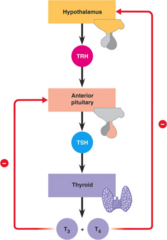
Hypothalamic-Pituitary-Thyroid (HPT) Axis
TRH: thyrotropin-releasing hormone -> TSH: thyroid-stimulating hormone -> T4 (thyroxine), T3 (triiodothyronine)
Hyperthyroidism: high levels of T4 & T3= LOW levels of TSH
Hypothyroidism: low levels of T4 & T3= HIGH levels of TSH
Identify the effects of thyroid hormone on body systems
Thyroid hormones influence functions of virtually all organ systems (metabolism, cardiovascular system, body temp, digestion, brain development, muscles, etc)
>Effects:
-Cardiovascular system: helps regulate circulatory system (cardiac output), contractility, etc.
-Digestive system: involved with gastrointestinal motility
-Skin and bone maintenance: Promotes skin hydration, normal bone growth, and maturation
-Nervous system: hypothyroidism can cause depression and hyperthyroidism can cause anxiety
-Reproductive system: can cause irregular menstrual periods and fertility issues
-Metabolism: Increase basal metabolic rate, etc.
Identify signs, symptoms, and lab values associated with common endocrine disorders (thyroid)
>Hyperthyroidism: Overproduction of thyroid hormone by thyroid gland
-Causes: Most common cause of hyperthyroidism= Graves' Disease, Autoimmune disease, Drug-induced-> Amiodarone. Iodinated contrast, Lithium, Biotin (B7)
>Hypothyroidism: Elevation in thyroid-secreting hormone (TSH) AND deficiency in T4/T3
->Subclinical: ONLY an elevation in TSH
- Causes: Thyroid gland failure, Iodine deficiency, Iatrogenic hypothyroidism (ex: thyroidectomy or too much thionamides), Hashimoto's disease (Autoimmune-Induced, most common "spontaneous hypothyroidism")
Identify signs, symptoms, and lab values associated with common endocrine disorders (diabetes)
>Diabetes: chronic disease characterized by elevated blood glucose levels (hyperglycemia)
-Causes: Inadequate insulin release from pancreas, Inability of the body to use insulin properly (desensitized)
-Fasting Plasma Glucose: ≥ 126 mg/dL
-2-hour Plasma Glucose: ≥ 200 mg/dL
-Hemoglobin A1c: ≥ 6.5%
>Insulin resistance: Central obesity -> Increased circulating free fatty acids -> Insulin resistance -> Cell starvation -> Increased lipolysis -> Increased circulating free fatty acids -> Increased insulin levels -> repeat
-Causes: Genetics, Central obesity
Compare and contrast signs and symptoms of hypo- and hyperthyroidism
Hyperthyroidism (Processes speed up; ↓TSH, ↑T4, ↑T3)- Heat intolerance, ↑ Heart rate (HR), palpitations (rapid HR), ↑ Blood pressure (BP), Bulging eyes (exophthalmos), Goiter, Unintentional weight loss, Increased appetite, Amenorrhea (scant or no menstrual cycle), Anxiety/nervousness, Diarrhea (frequent stools), Fatigue, Fine hair, Moist skin
Hypothyroidism (Processes slow down, ↑TSH, ↓T4, ↓T3)- Cold intolerance, Weight gain, Constipation, Weakness , Muscle cramps, myalgias, stiffness; Menorrhagia (heavy menses) or infertility, Complaints of: Lethargy, Depression, Fatigue/weakness
-Signs: Coarse hair and skin, Cold or dry skin, Slow heart rate (bradycardia), Slow speech & hoarse voice, Reversible neurologic syndromes, Galactorrhea (in women), Slow relaxation of deep tendon reflexes
Identify causes and risk factors associated with common endocrine disorders (thyroid)
Hyperthyroidism- Graves' disease, Autoimmune disease, Thyroid adenoma, Excess TSH production, Drug-induced -> Amiodarone. Iodinated contrast, Lithium, Interacting drugs with lab assays, Biotin (B7) (STOP biotin and repeat measurement in 2 days)-- Affects women about 5x more than men, Increases with age
Hypothyroidism- Thyroid gland failure; Iodine deficiency, Iatrogenic hypothyroidism, Hashimoto's disease, Pituitary failure; Hypothalamic hypothyroidism, Tyrosine kinase inhibitors, Amiodarone, Interferon-alpha, Lithium-- Primarily female, (1.5-2%) to male (0.2%)
Identify causes and risk factors associated with common endocrine disorders (diabetes)
Type 1 DM: Screening not recommended in asymptomatic general population
Type 2 DM: All adults age >35 years, regardless of weight, Asymptomatic adults of any age who are overweight or obese (BMI > 25 kg/m2 or 23 kg/m2 in Asian Americans) and have at least one additional risk factor, People diagnosed with gestational diabetes should be screened every 3 years (lifelong), People with HIV, exposure to high-risk medicines, or history of pancreatitis (retest in 3 year intervals if needed)
Risk factors- First-degree relative with diabetes, Personal history of cardiovascular disease, Hypertension (BP >130/80 or on HTN therapy), Physical Inactivity, High risk ethnicity (African American, Hispanic, Native American, Asian American, Pacific Islander), Individuals with polycystic ovary syndrome (PCOS), Certain lab values: HDL
Discuss the role of insulin, glucagon and glycogen in glucose homeostasis
Insulin deficiency = hyperglycemia (increased glucose in blood vs going into cell for energy) -> Glucagon breaks down (glycogen stores go down), Proteins break down and release amino acids into blood stream releasing more nitrogen (azoturia - high nitrogen in urine) -> Fats begin to break down for energy but liver cannot clear them so plaques build up in blood vessels (hyperlipidemia), as well as ketone bodies in blood (acidic -> acidosis)
-Typical Insulin Function: Insulin is released from pancreatic beta cells into bloodstream -> Binding to insulin receptor allows glucose to enter the cell by activating the glucose transporter
-Typical Function in Diabetes: Insufficient insulin release from pancreas -> Cells can become desensitized
Implications of the role of insulin, glucagon and glycogen in glucose homeostasis
↑ proteins, nitrogen, fats, ketone bodies, and glucose (hyperglycemia) in the blood ->
pH of the blood has changed and is now ACIDIC + blood becomes hyperosmolar (thicker with decreased circulation potential compared to normo-osmolar blood) ->
Body tries to maintain osmolarity by resorbing fluid from tissues to ↑ blood volume and dilute out the hyperosmolarity (return to normo-osmolar state) ->
Blood volume ↑ which then ↑ the amount of blood return to the heart ->
Blood vessels: Larger blood volume ↑ BP and puts strain on blood vessels
Kidneys: Fats and the other products in the blood deposit and damaging the nephrons in the kidney
Immune System: higher risk for infection because healing is delayed due to not carrying oxygen efficiently and delayed white blood cell chemotaxis (ability for WBC to get to site of infection, injury, or inflammation).
Terminology from the role of insulin, glucagon and glycogen in glucose homeostasis system
Glycogen: Glucose polymer that stores energy in the body. The primary way the human body stores glucose
Glycogenolysis: Process of breaking down glycogen into glucose to produce energy. When blood glucose levels drop too low, the pancreas releases more glucagon, which triggers glycogenolysis.
Gluconeogenesis: Metabolic process that produces glucose from non-carbohydrate sources
Insulin: Secreted from *beta cells* in pancreas into bloodstream to allow glucose to be taken up into the cells for energy
Glycogen: Glucose stores for later use
Glucagon: Released from *alpha cells* in pancreas to break down glycogen stores in the liver
Differentiate between the pathophysiology of type 1, type 2, gestational and type 3c diabetes
Type 1 Diabetes- Autoimmune beta cell destruction -failure to produce insulin, Tends to be associated with other autoimmune diseases
Type 2 Diabetes- Insufficient insulin production, Insulin resistance
Gestational Diabetes- Transient insulin insufficiency during pregnancy, Increases type 2 diabetes risk after delivery
Type 3c Diabetes- Beta cell loss NOT from autoimmune cause (alcohol, trauma, drug induced, genetic, etc.)
Compare and contrast signs and symptoms of hypo- and hyperglycemia
Hyperglycemia: Blood glucose elevation (fasting >126 mg/dL, normal range 70 to 100 mg/dL), Urine ketones & glucose
- 3 P's: Polyphagia (Increased hunger), Polydipsia (Increased thirst), Polyuria (Increased urination),
Other: Weight changes, Blurred vision, Fatigue Dry, itchy skin; Recurrent, non-healing infections; Impotence, decreased libido; Numbness of extremities, Bloated feeling
Hypoglycemia: Blood glucose
Describe the pathophysiology and clinical presentation of microvascular and macrovascular diabetes complications
Caused by untreated hyperglycemia:
- Microvascular: High blood glucose (solute)-> Coupled with high blood pressure-> Rupture of small blood vessels-> Disruption of blood flow to nerves (ischemia)-> Microvascular damage (Retinopathy, Neuropathy, Nephropathy)
- Macrovascular: Inability to use glucose-> Overproduction of triglyceride for energy (hypertriglyceridemia)-> Elevated cholesterol accompanies hypertriglyceridemia -> Penetration of cholesterol into arterial lining (atherosclerosis)-> Macrovascular damage (Myocardial Infarction (MI), Cerebrovascular Accident (CVA), Peripheral Artery Disease (PAD))
Testing: Visual Foot Exam, 10g Monofilament Foot Exam (Evaluation includes a WHOLE person assessment, evaluation of the feet should occur at every visit)
Understand the nervous system anatomy/physiology
Central nervous system (CNS):
◦Brain and spinal cord, Nerves do NOT regenerate
◦nerve axons are rarely longer than a few millimeters
Peripheral nervous system (PNS):
◦Neurons outside of the CNS - connects organs, limbs and skin to CNS, Nerves can regenerate
◦nerve axons can be up to 1 meter long (ex, the nerve that activates the big toe)
->Autonomic nervous system: Involuntary activity (Stomach, heart, and lungs)
*Sympathetic nervous system: generally prepares the body to react to something in its environment; Neurotransmitter: NE on adrenergic receptors and ACh (preganglionic)
*Parasympathetic nervous system: mostly regulate bodily functions when a person is at rest; Neurotransmitter: ACh - muscarinic receptors
->Somatic nervous system: Sensory (afferent) and motor (efferent) neurons to/from the skin and muscle; (voluntary activity)
-Neurotransmitter: ACh - nicotinic receptors
Understand the function of inhibitory and excitatory neurotransmitters
-Excitatory neurotransmitters: Open cation channels that allow influx of Na+ or Ca2+ and generate a depolarizing excitatory postsynaptic potential
◦Glutamate
◦Acetylcholine (ACh)
-Inhibitory neurotransmitters: Open Cl- channels & generate an inhibitory postsynaptic potential; hyperpolarization
◦Gamma-aminobutyric acid (GABA)
Catecholamine neurotransmitters
-Dopamine (DA)-
•A monoamine neurotransmitter
•"Feel good" hormone (affects memory, motivation, learning, and movement)
•Causes: Attention deficit hyperactivity disorder (ADHD), Parkinson's disease, restless legs syndrome, mania, obesity, addiction, schizophrenia
-Serotonin (5-HT)-
•5-hydroxytryptamine, a monoamine neurotransmitter
•Regulates behavior, mood, memory, and GI homeostasis, anger, fear, appetite, stress, addiction, sexual pleasure, sleep, pain perception, cerebral vascular tone, and central respiratory drive (headaches and migraines)
•Cause: Major depressive disorder, post-traumatic stress disorder, obsessive-compulsive disorder, and anxiety disorders
-Norepinephrine (NE)-
•neurotransmitter of the brain that plays an essential role in the regulation of arousal, attention, cognitive function, and stress reactions , "fight-or-flight" response, constricts blood vessels; it also affects your sleep-wake cycle, mood and memory
-Epinephrine (EPI)-
•"adrenaline", use to treat allergic reactions, low blood pressure, and cardiac arrest (adrenaline rush)
Describe the etiology and risk factors of the select nervous system disorders: Headaches, Alzheimer's Disease, & Traumatic Brain Injury (TBI)
Headaches:
-Tension-type: Bilateral, frontal, hat band, ↑ in women, Varied duration, Common (52%), Episodic >> chronic
-Migraine: Unilateral, ↑ in women (3:1), 4 to 72 hours, Less common (18%), Episodic > chronic, 50% heritability
-Cluster: Unilateral, orbital, ↑ in males (4:1), 15 to 180 min, Rare (0.12%), Cyclic, Most severe
Alzheimer's Disease:
-1 in 9 are older than 65, Lifetime risk for Women: 1 in 5, Nearly 1/3 older than 85 have the condition
-Begins ≥ 20 years before memory loss and other symptoms develop
-Brain cells and neural connections begin to degenerate and die
-Risk: Age, Traumatic Brain Injury, CV Disease, Smoking, Medications, Genetics
Traumatic Brain Injury (TBI)-
-Falls are most common cause
-Motor vehicle collisions (MVCs) 3rd leading cause of TBI among all ages
Describe the etiology and risk factors of the select nervous system disorders: Parkinson's Disease & Epilepsy
Parkinson's Disease:
-Affects 1 to 2 people per 1000 at any time and affects 1% of above 60 years, prevalence increases with age
-5% to 10% of patients have a genetic predisposition
-Progressive disease with no cure
-Risk: Age (average ~70), Sex (more in men), Family History, Exposure to toxins, Smoking, Type 2 diabetes (30% increase), Head injury
Epilepsy:
-1 in 26 people will develop epilepsy at some point
-Bimodal distribution: newborns and adults over 65
-35% have mood/anxiety disorders, 25% have attention/memory issues
-1 in 10 people will have a seizure during their life
-Risk: Up to 70% of cases, the cause of seizures is not known, Electrolyte disturbances, Acute toxic effects, Withdrawal syndromes, Nonadherence to antiseizure medications, Sepsis and CNS infections, Hypoxic brain injury, Traumatic brain injury, Stroke ischemic or hemorrhagic, Neoplasm, Inflammatory, Fever, Sleep deprivation
Describe the pathophysiology of the following nervous system disease states: Pain
an unpleasant sensory and emotional experience associated with, or resembling that associated with, actual or potential tissue damage
▪Acute pain - arises from tissue damage, inflammation, or a disease process that is of brief duration
▪Chronic pain - persists for a minimum of 3 months
▪Nociceptive pain - resulting from stimulation of nociceptors in cutaneous or deep tissues
-Somatic pain: Superficial (skin), Deep somatic (muscle, bone)
-Visceral pain (organs)
▪Neuropathic pain - arises from discrete or generalized sites of nerve injury; can be idiopathic (tingling, loss of sensation)
Describe the pathophysiology of the following nervous system disease states: Headache
Headaches
-caused by pain in the surrounding structures (any nociceptor stimulation: Blood vessels, Meninges, Cranial or spinal nerves, Muscles, Facial structures)
-Transmission of pain from pain-sensitive nerve endings to the thalamus via the trigeminal nerve
◦Thalamus is the "relay station" for pain
Migraines
-Initial vasoconstriction -> focal ischemia then vasodilation blood vessels
•Activation of the trigeminal nerves -> release vasoactive neuropeptides -> neurogenic inflammation
•Central pain transmission may activate other brainstem nuclei
•Brain hyperresponsiveness: Abnormality in pumps that regulate cortical excitability through serotonin (5-HT)
Describe the pathophysiology of the following nervous system disease states: Alzheimer's Disease
-Aggregations of beta-amyloid plaques and neurofibrillary tangles
*Prevent synaptic signaling between cells, Results in the death of brain cells
-Cholinergic deficiency and decreased neural activity in the parietal cortex, hippocampus, and basal forebrain which contributes to cognitive deficits
*Neuronal loss = less ACh produced, Plaques = less ACh received-> Low ACh leads to overstimulation of glutamate
-Presents with loss of memory and cognitive decline, is progressive and symptoms worsen over time
Describe the pathophysiology of the following nervous system disease states: Parkinson's Disease
*Progressive deterioration of dopamine (DA)-releasing neurons in the substantia nigra
-Possible accumulation of Lewy bodies primarily in the substantia nigra
*Leads to degeneration and subsequent loss of DA in the basal ganglia that control muscle tone and movement
-ACh becomes more dominant, causing muscles to become too active -> lead to tremors and jerking movements
-Lewy bodies and Lewy neurites are a hallmark of PD
Describe the pathophysiology of the following nervous system disease states: Epilepsy
Disorder of the brain with periodic and unpredictable seizures
-Seizures result from excessive excitation or disordered inhibition of a large population of cortical neurons
-Focal seizure (one side of the brain) or generalized seizure (both sides of the brain)
-Transitory imbalances between the main neurotransmitters
*Glutamate (↑ excitatory)
*Gamma Aminobutyric-acid (GABA) (↓ inhibitory)
*Neuromodulators (acetylcholine, norepinephrine, and serotonin) might play a role in precipitating seizures in susceptible patients
Describe the pathophysiology of the following nervous system disease states: Brain injury
Injury severity, type, location (No two TBIs are the same)
-Primary injury - occurs during initial trauma
◦Hit > Damage = Fracture and/or cerebral bleed
◦Shearing of axons, contusions, swelling, dysregulation of blood flow
-Secondary injury - begins minutes/hours to days after initial insult
◦Neuronal or sympathetic storm, electrolyte imbalances, mitochondrial dysfunction, inflammatory responses, apoptosis, secondary ischemia from vasospasm
CTE- Chronic Traumatic Encephalopathy
-Neurodegenerative disease linked to repeated trauma to the head
Describe the pharmacists role in the assessment of patients with neurological disorders
-Medication Safety: Identifying and monitoring for drug-related neurological side effects.
-Effectiveness: Assessing if neurological medications are achieving their desired effect.
-Patient Counseling: Educating patients on what to expect and what to report.
-Interprofessional Collaboration: Communicating effectively with neurologists and other healthcare providers.
-Early Detection: Recognizing signs that a patient needs further medical evaluation.
Describe appropriate assessment tools that are specific for the various neurological disorders
Alertness & Orientation: (Person, Place, Time)
Memory: (Short-term and long-term recall)
Attention: (Ability to focus and concentrate)
Language: (Clarity and coherence of speech)
Mood & Behavior: (Changes in emotional state)
Explain the parts of the neurological exam related to alertness and orientation
Mental Status: A&O x 3 or 4, fluent speech, intact comprehension
1. Person: Who am I?
2. Place: Where am I?
3. Time: What day is it?
4. Situation: What happened?
Motor & Coordination Assessments
-Muscle Strength: (Push/pull against resistance, fluid movement)
-Gait & Balance: (Observing walking and standing)
-Coordination: (Finger-to-nose, rapid alternating movements)
-Involuntary Movements: (Tremors, tics, dystonia)
Pharmacist Relevance:
•Identifying drug-induced movement disorders (e.g., tardive dyskinesia, "rigidity in things").
•Monitoring for fall risk from sedatives or other CNS depressants.
•Evaluating therapeutic response in Parkinson's disease treatment.
Balance and Coordination Assessment: Romberg's Test/Sign
-Assesses the Dorsal column of spinal cord function
-Balance issues related to proprioception (can they stand and orient themselves if their vision is taken away)
Positive Romberg sign:
◦Vestibular disorders (e.g., vertigo, inner ear infection)
◦Proprioceptive disorders (e.g., spinal cord damage, peripheral neuropathy)
◦Cerebellar disorders (e.g., ataxia)
◦Neurological conditions affecting gait (e.g., Parkinson's disease)
Discriminate between normal and abnormal findings when assessing motor and sensory pathways
>Glasgow Coma Scale (GCS): Used to assess the level of consciousness in trauma or critically ill patients.
·Eyes (4), verbal scores (5) and motor (6)
·The maximum score is 15 and the lowest is 3.
·A score ≤ 8 indicates severe neurological injury/coma.
>Mini-Mental State Examination (MMSE): A quick tool to screen for cognitive impairment, often used in patients with suspected dementia or Alzheimer's disease.
·The maximum score is 30.
·A score of 23 or lower is indicative of cognitive impairment.
>Pain Scale: Usually through a 1 to 10 scale
*Visual Analogue Scale, Numeric Rating Scale, Wong-Baker FACES Pain Rating Scale (mainly for children)
Assessment Abnormalities- Assessment of Stroke Symptoms: FAST
F: Face (look for an uneven smile)
A: Arm (check if one arm is weak)
S: Speech (listen for slurred speech)
T: Time (call 911 at first sign)
Post-Stroke Effects: Vision changes, Sleep disturbances, Seizures, Incontinence, Paralysis (Dysphagia, Hemiparesis, Spasticity, Foot drop), Pain, Fatigue, Depression
Assessment Abnormalities- Types of Headaches
Migraine- Lasts 4 - 72 hours, Mild to severe; Dull to throbbing, unilateral (most often), temporal (may radiate); peak pain intensity within an hour of onset
Cluster- Early morning hours, lasts 15-180 minutes, Excruciating; Stabbing, unilateral, feel like happening under eye, more prevalent in men
Tension- Later in day, variable duration (Hours to weeks), Mild to moderate, Tiredness, irritability; females greater than males
Sinus- Throughout the day, generally lasts for hours or until precipitating event is resolved, Mild to moderate; Pressure, primarily behind the eyes and forehead
Assessment Abnormalities- Types of Seizures, Focal
>Focal Seizures: in one hemisphere/one section of the brain (more common, in children and older adults), no loss in consciousness
-Focal, consciousness preserved: Symptoms may be sensory, motor, autonomic, or psychic/emotional, is usually less than 2 minutes, Patients are fully alert and able to interact.
-Focal, consciousness impaired: Symptoms can be subtle or obvious, often taking the form of automatic, purposeless movement. Consciousness is altered.
Assessment Abnormalities- Types of Seizures, Generalized
>Generalized Seizures: in both hemispheres, losses consciousness
-Tonic-clonic: Major muscle groups undergo toxic extension followed by rhythmic contraction, loses consciousness, may be incontinent of bowel or bladder. A postictal state, including dizziness, drowsiness, and confusion, generally follows.
-Absence: Lapses of awareness for a few to several seconds, and then normal activities are resumed. May be mistaken for daydreaming.
-Atonic: Sudden loss of muscle tone. May cause head to drop suddenly (or entire body to drop to the floor), depending on seizure length.
-Myoclonic: Shock-like jerks of a muscle or cluster of muscles.
Assessment Abnormalities- Parkinson's Disease vs. ADE
Signs of PD: Cogwheel rigidity, Shuffling gait, Postural instability, Micrographia, Hypophonia, Bradykinesia (slow movement)
Symptoms of PD: Pill-rolling tremor, Weakness, Drooling, Paresthesias/numbness, Difficulty swallowing, Depression, Sleep disturbances
Medications Causing Tremors: Beta-agonists (Ex. Albuterol), Caffeine, Glucocorticoids (Ex. Prednisone), Sympathomimetics, Tricyclic antidepressants
Medications Causing Parkinsonism: Antipsychotics (effect/block dopamine), Metoclopramide, Prochlorperazine, Reserpine
Assessment Abnormalities- Gait Assessment
Assesses how a person walks to identify varying disease states
Types of Gait Disturbance:
A. One-sided paralysis/Spastic Hemiparesis (stroke)
B. Scissoring/Spastic Dysplasia (multiple sclerosis)
C. Foot drop/Steppage Gait (peripheral neuropathy)
D. Swaying/Ataxia (Cerebellar issues)
E. Sensory Ataxia (Polyneuropathy)
List Common Mental Health Disorders
Mood Disorders: Depression (MDD), Bipolar disorder
Psychotic Disorders: Schizophrenia
Anxiety Disorders: Panic disorder, Generalized anxiety disorder (GAD), Social anxiety disorder (SAD), Specific Phobias, Agoraphobia
Sleep-Wake Disorders: Insomnia, Shift-work disorder, Restless legs syndrome (RLS)
Other: Attention-deficit hyperactivity disorder (ADHD), Posttraumtic stress disorder (PTSD), Obsessive compulsive disorder (OCD), Personality disorders
Reduce stigmatizing language
Do not use negative adjectives, connotations, or terms to describe a patient, instead use disease states like something they happen to have/live with
X "A 22-year-old depressed and anxious male" -> "A 22-year-old male with depression and anxiety"
X "Avoid saying "abuse" or "abuser"" -> "Misuse"
X "He committed suicide" -> "He died by suicide"
Identify the primary neurotransmitter targets of medications used to treat Mental Health Disorders: Anxiety, Depression, Schizophrenia
Anxiety:
Too little Serotonin (5HT) -> Meds ↑ 5HT,
Too much Norepinephrine -> Meds modulate,
Meds target/ enhance GABA
Depression:
Too little Dopamine (DA) -> Meds ↑ DA
Too little Serotonin (5HT) -> Meds ↑ 5HT
Too little Norepinephrine -> Meds ↑ NE
Meds ↑ glutamate
Schizophrenia:
TOO MUCH Dopamine (DA) -> Meds ↓ DA
Complicated Serotonin (5HT) levels -> Meds block 5HT2a
Identify the primary neurotransmitter targets of medications used to treat Mental Health Disorders: Bipolar Disorder, Substance Use Disorders, ADHD
Bipolar Disorder:
Too Much/ Imbalance of Dopamine (DA) -> Meds ↓ DA
Too Much/imbalance of Serotonin (5HT) -> Meds modulate
Too much Glutamate
Too little GABA
Substance Use Disorders:
Substances enhance DA -> Meds: ↓ positive reinforcement
Alcohol Use Disorder: Targets Glutamate
Alcohol withdrawal: Drugs enhance GABA actions
ADHD:
Too little Dopamine (DA) -> Meds ↑ DA
Too little Norepinephrine -> Meds ↑ NE
Common Screening Tools
PHQ-9:
•Screening tool for Depression based on the DSM-5 Criteria
•PHQ-2 versus PHQ-9
GAD-7:
•Screening tool for anxiety based on the DSM-5 Criteria
DSM-5-TR Diagnostic Criteria
Depression Symptoms For Major Depressive Disorder:
•≥ 5 of the following most days for AT LEAST 2 WEEKS
•Depressed mood*
•Loss of interest or pleasure*
•Weight changes, Sleep changes, Psychomotor agitation or retardation, Fatigue/reduction in energy, Worthlessness or guilt, Decreased concentration, Suicidal ideation or attempt
•* At least one of the bolded criteria must be met
Anxiety Symptoms for Generalized Anxiety Disorder:
•Excessive anxiety & worry that occurs more days than not for AT LEAST 6 MONTHS about a multiple different activities or events
•It is difficult to control the worry
•Anxiety/worry are associated with 3 or more of the following (& present more days than not past 6 months):
•Restless or feeling "keyed up" or "on edge", Easily fatigued, Difficulty concentrating or mind goes blank, Irritability, Muscle tension, Sleep disturbances
DSM-5 Criteria - Insomnia Disorder
•Can be a "symptom" or a "disorder"
•If sleep disturbances persist people should be worked up for other causes: Obstructive sleep apnea, Restless legs syndrome, Depression, Anxiety, PTSD
•Primary complaint of unsatisfying sleep quantity or quality, with presence of one (or more) of the following symptoms: Sleep initiation (sleep onset or sleep latency), Sleep maintenance, Early-morning awakening with inability to fall back asleep
•Sleep complaint:
•Takes place AT LEAST 3 NIGHTS PER WEEK and has been present for AT LEAST 3 MONTHS
•Is associated with social, occupational, academic, educational, behavioral or functional distress or impairment
•Occurs EVEN WITH AMPLE OPPORTUNITIES TO SLEEP
•Is NOT associated with another sleep-wake disorder, the adverse effects of a substance (illicit or prescription), nor a coexisting psychiatric illness or medical condition
Major Psychiatric Disorders (DO) - Sleep complaints as part of a diagnosis
•Generalized Anxiety DO: Sleep disturbance (difficulty falling or staying asleep, or restless, unsatisfying sleep)
•Major Depressive Disorder (MDD): Insomnia or hypersomnia
•Post-traumatic stress disorder (PTSD): Arousal/reactivity: sleep disturbance/difficulty sleeping, Re-experiencing: nightmares
•Bipolar DO: Decreased need for sleep during mania, During depression - same symptoms as MDD
Columbia-Suicide Severity Rating Scale
988 is the National Suicide and Crisis Hotline
•As a symptom, Can occur in depression, bipolar disorder, schizophrenia, substance use disorders among others.
•Open dialogue, AVOID negative style questions "You're not suicidal are you?"
High Risk Questions: "Have you had these thoughts & had some intention of acting on them?", "Have you started to work out or worked out the details of how to kill yourself? Did you intend to carry out this plan?", "Have you done anything, started to do anything, or prepared to do anything to end your life?"
The Role of the Diagnostic and Statistical Manual of Mental Disorders
Symptoms must cause:
•Significant distress or
•Impairment in Social, Occupational, &/or Functioning
Symptoms can NOT be attributable to a substance or medical condition
Describe components of the Mental Status Exam
•Appearance
•Attitude
•Activity
•Speech
•Mood/Affect
•Thought Content
•Thought Process
•Cognitive Functions
•Insight/Judgement