chemistry - 2023
 Call Kai
 Learn
 Practice Test
 Spaced Repetition
 Match
 Flashcards
 Knowt Play
1/31

There's no tags or description
Looks like no tags are added yet.
32 Terms
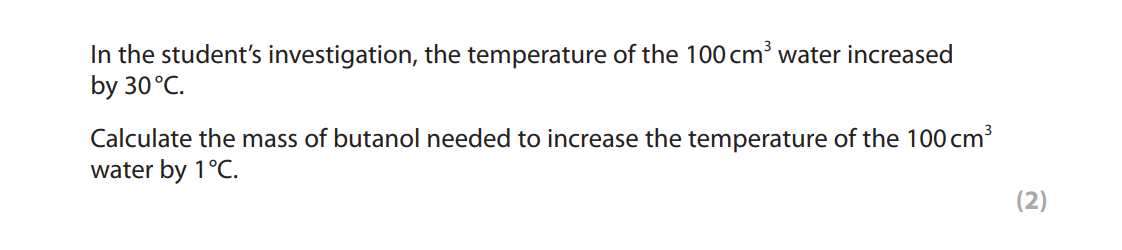
(1.08) = 0.036

volume of water

size of wick

place a lid on the beaker

insulate the sides of the beaker
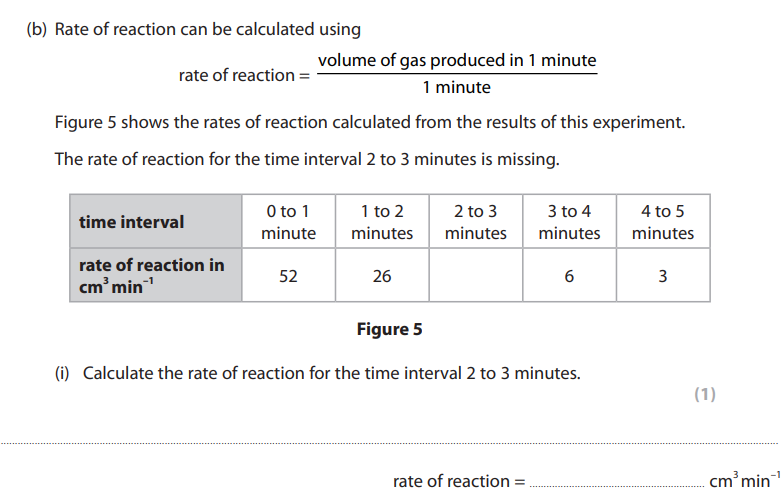
13

rate of reaction decreases
as marble chips are used up
so less frequent collisions
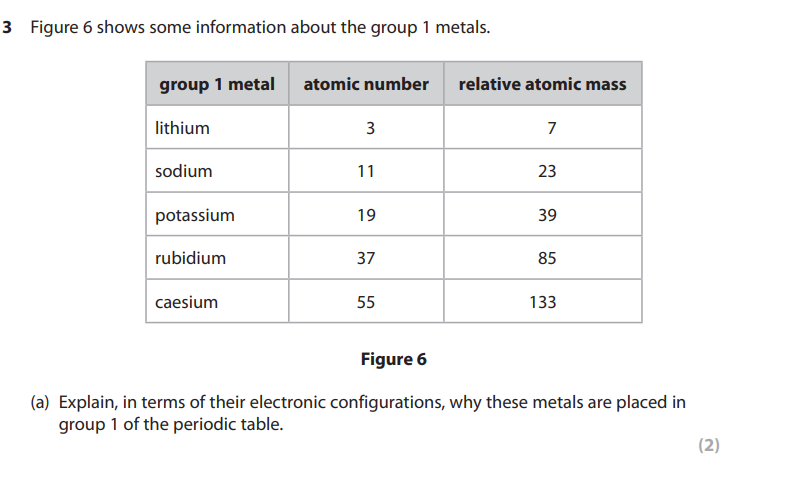
1 electron in outer shell

C

2 K ( s ) + Br2(g) → 2 KBr(s)

Isotopes are atoms of the same element that have the same number of protons [1]
but a different number of neutrons [1]
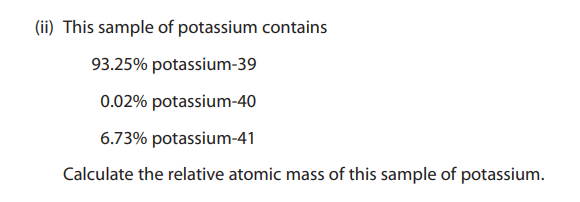
3913.48 / 100 = 39.1348 (1)
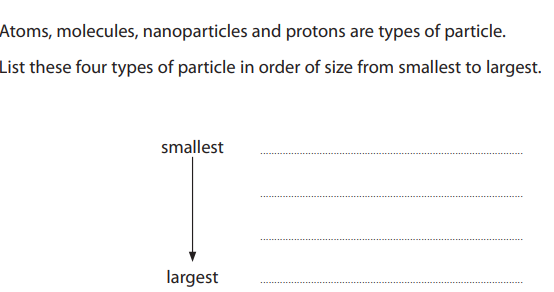
proton
atom
molecule
nanoparticle

C

1 : 15


food will not stick to the pan

it has a low friction surface

B

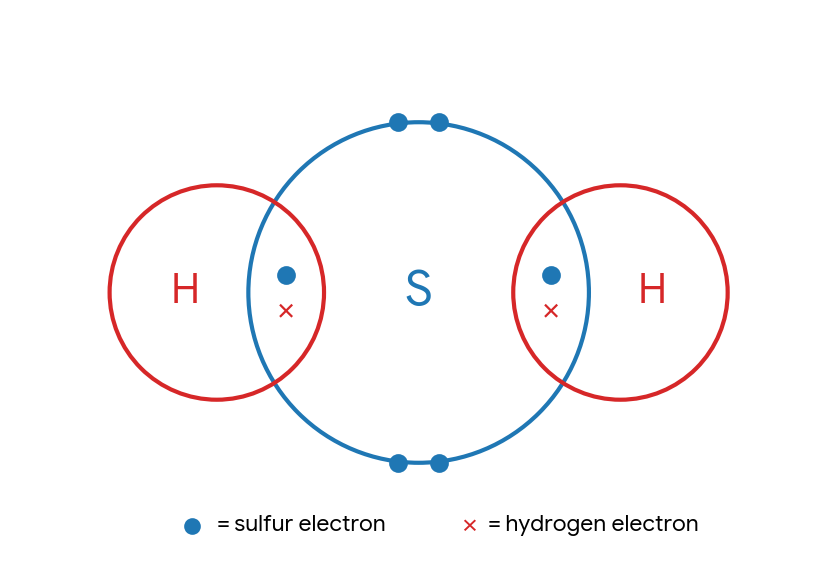

Fossil fuels contain sulfur impurities.
When the fuel is burned, the sulfur reacts with oxygen to form sulfur dioxide gas.
The sulfur dioxide dissolves in rainwater in the atmosphere to form acid rain.

pH meter

use rainwater rather than pure water (1)
because rainwater {does not have a pH of 7} (1)

C
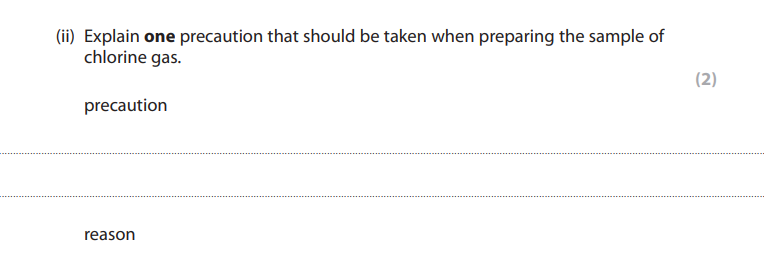
wear goggles (1)
because the acid can burn skin (1)

so chlorine moves (from flask) to gas jar

chlorine will turn the damp litmus paper white / bleached (1)
so that you can see when the jar is full (1)

2KMnO4 + 16HCl → 2MnCl2 + 2KCl + 5Cl2 + 8H2O

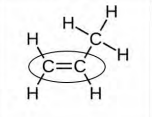


carbon dioxide
water

Dissolve glucose in water and add yeast
Keep the mixture warm (around 30C –40C ) and in anaerobic conditions (no oxygen).
glucose → ethanol + carbon dioxide
Remove the solid yeast from the ethanol by filtration.
Heat the remaining liquid in a fractional distillation apparatus.
Ethanol has a lower boiling point than water ; so ethanol evaporates first, travels through the condenser to cool back into a liquid, and is collected separately.