Lab 1 — Laboratory Equipment
 Call Kai
 Learn
 Practice Test
 Spaced Repetition
 Match
 Flashcards
 Knowt Play
1/99

There's no tags or description
Looks like no tags are added yet.
100 Terms

Volumetric Flask
A flask calibrated to contain or deliver a definite amount of liquid.

Erlenmeyer Flask
A glass container with a narrow cylindrical mouth and a cone-shaped body ending in a wide, flat bottom.

Florence Flask
A globular, long-necked bottle of thin glass used for holding water or other liquid in laboratory work.

Volumetric Pipette
A pipette used to measure a particular volume to high accuracy; the last drop should NOT be blown out (touch the tip to the beaker and rotate a half twist).

Serologic Pipette
A plain, narrow tube drawn out to a tip and graduated uniformly along its length, with calibration marks extending to the tip.

Ostwald Pipette
Similar to a volumetric transfer pipette, except the last drop SHOULD be blown out.

Mohr Pipette
A plain, narrow tube drawn out to a tip and graduated uniformly along its length, with calibration marks confined to the stem.

Plastic Pipette
A small pipette with a plastic bulb at the top, used to transfer small amounts of substances; not very accurate.

Pasteur Pipette
A tapered glass pipette commonly used in laboratories.

Beaker
A thin glass vessel with a lip (beak) for pouring, used as a container for liquids.

Graduated Cylinder
A measuring instrument for fluid volume; a glass container whose sides are marked or divided into amounts.

Reagent Bottle
A bottle used to mix or store reagents.

Test Tube Rack
A rack used to hold test tubes upright.

Petri Dish
A shallow circular dish with a loose-fitting cover, used to culture bacteria or other microorganisms.
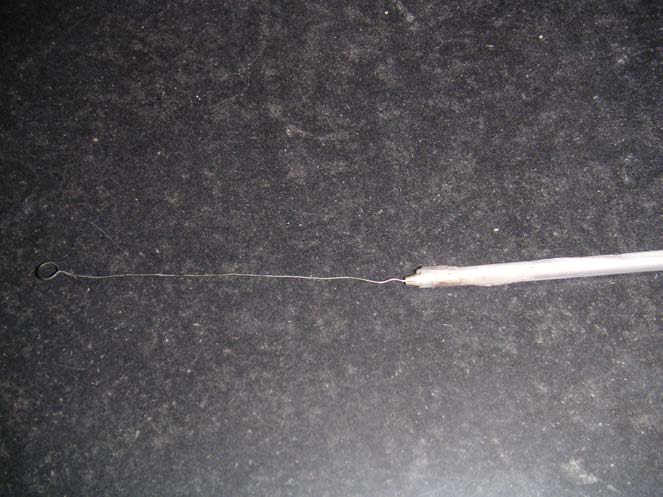
Wire Loop
A small loop made from wire protruding from a small stick, used to hold small items over a flame.

Disposable Loop
A small plastic loop used to hold small items over a flame; disposable.

Pipette Bulb
A device that provides suction to draw liquid up into a pipette.

Forceps
A hand-held instrument used for grasping and holding objects.

Funnel
A conically shaped pipe used to channel liquid or fine-grained substances into containers with a small opening.

Blood Typing Slide
A slide that holds blood when mixed with other substances to determine blood type.

Test Tubes
A clear, cylindrical glass tube, usually open at one end and rounded at the other, used in laboratory experimentation.

Kimwipe
A type of paper towel designed to remove liquids and dust from delicate surfaces; finely textured, single-ply, highly absorbent and non-abrasive.

Triple Beam Balance
A single-pan weighing instrument with three beams (0-100 in multiples of 10; 0-500 in multiples of 50 or 100; 0.00-10.00), used manually.

Double Pan Balance
A double-pan weighing instrument used to determine the difference in mass between two objects; used manually.

Analytical Balance
An electronic balance of great precision used in quantitative chemical analysis.

Weighing Paper
Paper that is moisture-resistant and non-absorbent.

Weighing Container
A container that is moisture-resistant and non-absorbent.

Spatula
A device, such as a small wooden paddle, used to press down the tongue during an examination of the mouth or throat.

Parafilm
Flexible film commonly used for sealing or protecting vessels.

Safety Glasses
Shatter-resistant glasses (a composite of two sheets of glass with a transparent plastic layer) used to protect the eyes from harmful chemicals.

Urine Cup With Lid
A cup with a lid for placing urine for testing.

Refractometer
An instrument used to measure the index of refraction of a substance.

Centrifuge
An apparatus with a compartment spun about a central axis to separate materials of different specific gravities, or colloidal particles suspended in a liquid.

Centrifuge Tube
A calibrated, tube-shaped glass container used with laboratory centrifuges for volumetric analysis of separable (solid-liquid or immiscible liquid) samples.

Microscope Slide
A small flat rectangular piece of glass on which specimens can be mounted for microscopic study.

Microscope Slide Cover Slip
Cover slips give a better view of small objects under a microscope or magnifying glass, and allow few air bubbles.

Dual-View Microscope
A monocular microscope with a second, vertical viewing port for a second person (such as an instructor) to view the specimen, or for use with a video or still camera adapter.

Monocular Microscope
A microscope having one eyepiece.

Binocular Microscope
A microscope having two eyepieces, one for each eye, so the object can be viewed with both eyes.

Vacutainer Tubes (red/lavender)
Tubes used for the collection and storage of blood.

21 Gauge Vacutainer Needle
Needles used for vacuum blood extraction.

Tourniquet
A tightly encircling bandage used to check bleeding by temporarily stopping the flow of blood through a large artery in a limb.

Wintrobe Tube
A tube to collect blood for the Wintrobe method.

Applicator Sticks
An instrument for applying something, such as medicine or glue.
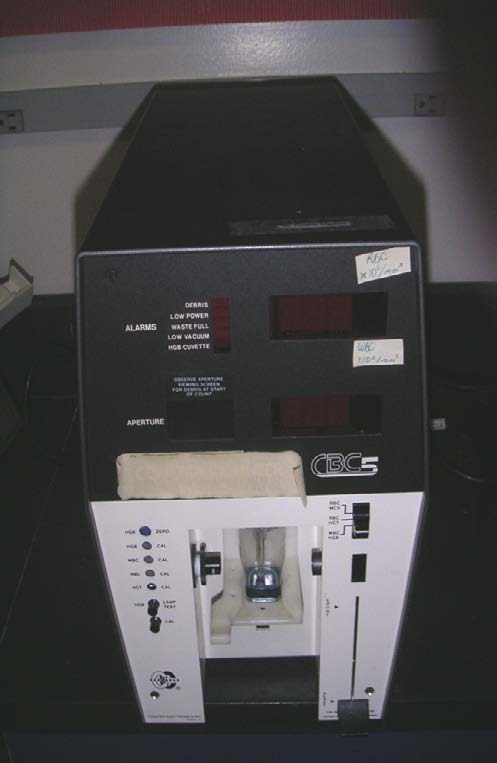
Coulter Machine
Measures hemoglobin as well as the white cell count, red cell count, hematocrit, and red cell indices.

Coulter Blood Mixer
A machine that mixes blood.

Unopette Kit
A kit used to accurately dilute a sample before loading it into the hemacytometer for counting.

Hemacytometer
An instrument for counting the number of blood cells in a measured volume of blood.

Lab Counter
A small counter with a button used to count things seen in a specimen.

Capillary Tubes
Tubes sufficiently fine that capillary attraction of a liquid into the tube is significant.

Microhematocrit Centrifuge
An instrument used to determine the ratio of packed red blood cell volume to whole blood volume.

Micro-capillary Reader
A small instrument used to read capillary tubes.

Critoseal
Seals capillary tubes without heat and very quickly.

Plastic Container With Lid
Used to store blood mixed with saline.

Lancet
Used to draw blood from the finger for tests.

RPR Test Card
A test card used for the serological detection of syphilis.

RPR Dispensing Bottle (with cardiolipin antigen suspension)
A dispensing bottle used in conjunction with RPR test cards.

Rotator
A device with a platform used to rotate up to four standard test cards.

Timer
A device used to accurately time periods for when samples must be rotated or otherwise.

Disposable Card
A disposable, single-use RPR test card.

Dispenstir (Dispensing / Spreading Pipette)
A stick used with RPR cards to dispense and spread antigen emulsion and/or buffered saline solutions; used for serological detection of syphilis.

Stirring Rods
Glass rods used to stir solutions.

Hot Plate
Equipment used to heat solutions without an open flame.

Safety Gloves
Gloves used when harm can come to the hands.

Autoclave
Sterilizes equipment with steam.
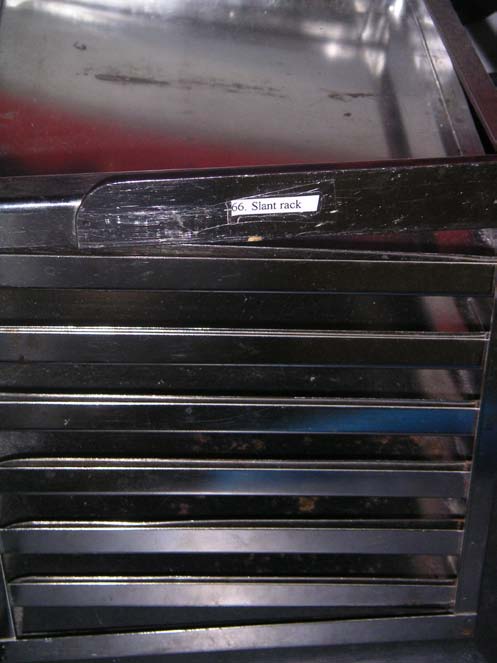
Slant Rack
A rack that is slanted to use gravity to your advantage.

Wax Pencil
A pencil used to mark glassware.

Bacti-Cinerator
Sterilizes microorganisms with infrared heat.
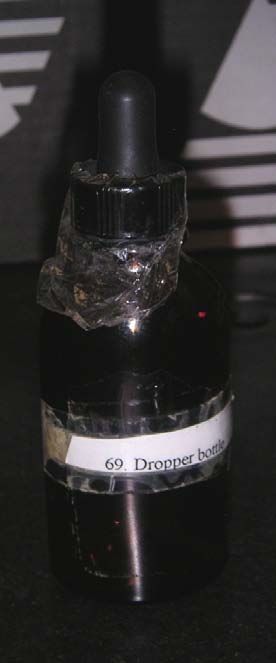
Dropper Bottle
A bottle with a dropper attached to the cap, used to dispense small amounts of liquid.

Staining Rack
A tray used for staining specimens.

Wire Needle
A needle used to transfer microorganisms.

Sterile Swab
A swab free from living organisms, used to transfer microbes to another surface.

WBC Differential Lab Counter
A counter used to count WBCs (white blood cells).

Vacutainer Holder
A cylinder-shaped holder that accepts a Vacutainer tube and needle.

Fixed Volume Pipette
An instrument used for pipetting a single volume.

Fixed Volume Pipette Tips
Small cone-shaped tips used to attach to pipettes of a fixed volume.

Sedirak (sedimentation tube rack)
A device used to measure the sedimentation rate of RBCs (red blood cells).

Lens Paper
Sheets of paper used for cleaning microscope eyepieces and objectives.
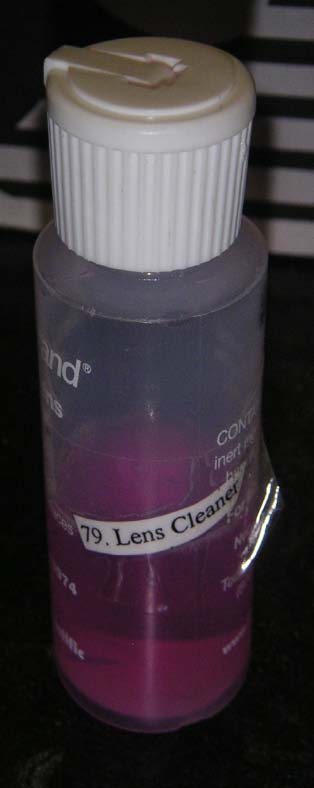
Lens Cleaner
A liquid solution used for optical maintenance of microscopic lenses.

Bibulous Paper
Paper used to absorb excess liquid on microscope slides after being stained (prevents blots).

Incubator
A box designed to maintain a constant temperature by the use of a thermostat.

Pipette Washer
A tube used for pipette washing.

Clinitek 100
A device used to automatically analyze urine.

Serofuge II Centrifuge
A small desktop centrifuge used to separate small amounts of sample.

Petri Dish Carrying Rack
A rack for carrying stacked Petri dishes.

Rh View Box
A box with a light in it used to determine blood type (helps better see the result of clotting).

Syringe
Consists of a plunger fitted to a tube with a small opening at the end; operates on suction by filling the barrel.

Cannula
A flexible tube inserted into the body to withdraw fluid or insert medication.

Spectrophotometer
A photometer for comparing two light radiations wavelength by wavelength.

pH Meter
Measures the degree of acidity or alkalinity of a solution.

Vortex
Mixes test tubes simultaneously.

Antibiotic Disc Dispenser
Positions antibiotic discs on the agar surface.

Dri Bath
Holds test tubes together to dry or heat.

Beckman Chemistry Analyzer
A diagnostic analyzer for in vitro quantitation of components in biological fluids by rate.

Stain Jar / Container
A clear glass container used for dispensing stains.

Butterfly Needle
A small needle attached to flexible tubing, used to collect blood (venipuncture).
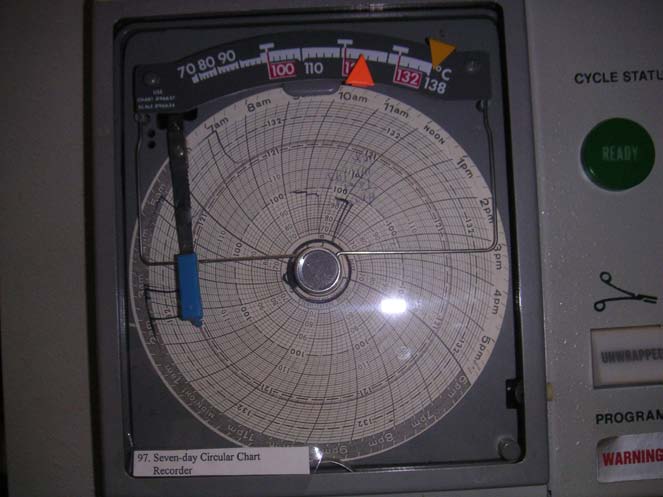
Seven-Day Circular Chart Recorder
Shows the status of an item being contained for up to seven days.

24 Hour Urine Collection Container
A sealed collection container with a non-venting spout that permits liquid to be poured from the container when inverted.

Dispensers (Dispensing Bottle)
A device that releases its contents in measured quantities.

Biohazard Sharps Container
A rigid container labeled with a biohazard logo; holds needles, syringes, razors, scalpel blades, and any sharp objects that might be contaminated with biohazard substances.