Medical Botany Exam 3
 Call Kai
 Learn
 Practice Test
 Spaced Repetition
 Match
 Flashcards
 Knowt Play
1/80

There's no tags or description
Looks like no tags are added yet.
81 Terms
types of heart toxins
aconite alkaloids, taxus alkaloids, cardiac glycosides
family of aconite alkaloids
ranunculaceae
family of taxus alkaloids
taxaceae
family of cardiac glycosides
many families
role of sodium potassium pump
make the gradients of sodium and potassium
which nerves control the heart
sympatetic nerves, parasympathetic nerves
sympathetic nerves…
releases norepinephrine on heart tissue
increased heart rate and force of contraction
norepinephrine receptor on heart cells is beta-1 adrenergic receptor, works on ion channels to bring the above effects
The force driving simple diffusion is ________, while the energy source for active transport is ________.
a concentration gradient, ATP hydrolysis
parasympathetic nerves…
releases acetycholine on heart tissue
decreases heart rate
receptor for acetylcholine on heart cells is muscarinic, binding can lead to opening of K+ channels causing hyperpolarization

which plant and family is this plant heart toxin from
ranunculaceae- buttercup family (aconite alkaloids)
three types of aconite alkaloids
aconitine, atisine, veatchine
main symptom of acontine
arrhythmias
main symptom of atisine
numbness and tingling
main symptom of veatchine
scant knowledge

which plant is this
aconitum spp. aka: monkshood, wolfsmane

which toxin is this
aconitine
facts about species aconitum
350 species worldwide
used by many cultures
known as a poison (arrow)
common causes of aconitum toxicity
contamination, adulteration, inadequate processing of roots, large doses, mistakenly consumed instead of edible wild plant
aconitine is agonist of…
voltage-gated Na+ channels
keeping them open longer and delaying repolarization
symptoms: weakness, numbness, vomiting, dizziness, arrhythmia, coma, death
plant and technique used in traditional chinese medicine
spirea japonica
pao zhi technique

what plant is this
spirea japonica

taxus spp. (yew) characteristics
common ornamental shrub/tree
often highly manicured
non-flowering conifer
which family are taxus alkaloids from
taxaceae

what plant do these belong to
taxus baccata
fruit, seed, aril, male cone
all aspect of taxus are poisonous except for
aril, the seed inside is toxic but it is big enough to avoid
definition of aril
accessory covering of certain seeds that commonly develop from seed stalk, found in angiosperms and gymnosperms

what plant is this
Juniperus L. (juniper berries)
family: cupressaceae
what is juniper used for
not a true berry, used as a spice in european cuisine, gives gin its flavor. is the only spice derived from conifers
history og yew trees
slow growing
oldest in europe in wales church is 5,000 years old
all parts are toxic except aril (even after drying)
deer can browse on it, not live stock

which toxin is this
taxin b

which plant is this and which toxin affects it
taxus baccata L. (taxine b toxin)
in plant parts (leaves and seeds)
red aril is edible
what does taxine do molecularly? symptoms of the body?
antagonist- inhibits calcium and sodium channels
symptoms: hypotension, cardiac arrest, death
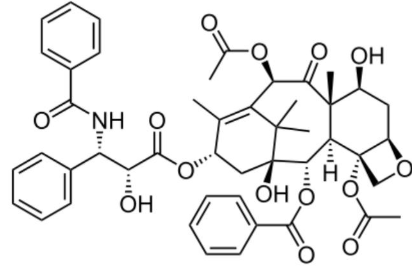
which drug is this
paclitaxel (from taxus spp.)
often used with oter drugs
paclitaxel binds ___ to prevent break down, and induceses ___
tubulin, apoptosis
taxus alkaloids are useful in…
anti-cancer agents

which drug is this
docetaxel (from taxus spp.)
cancer drug
two cardiac glycosides
cardenolide, bufadienolides (not discussed in this class)

which toxin is this
cardenolide
MAIN plant families that carry cardiac glycodies
apocynaceae (dogmane)
plantaginaceae
aspargaceae
ranunculaceae
components of a glycoside
sugar
glycosidic bond
aglycone
major target of cardiac glycosides
sodium potassium pump- aims to block it
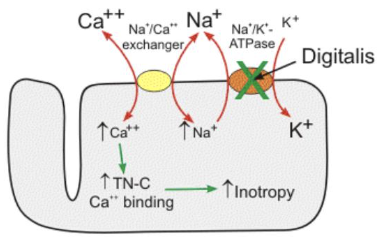
how to cardiac glycodies affect the sodium potassium pump
disables cardiac Na/K pump
Na increases causing Ca to increase
causes intense muscle contractions (troponin) and death
what treats symptoms caused by blocking the Na/K pump by cardiac glycosides
atropine, stimulates heart
apocynaceae (dogbane)
5000 spp.
most toxic (cardiac glycosides)
produce cardioactive steroids
others produce monoterpene indole alkaloids that affect CNS
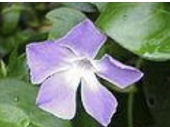
what plant is this
apocynaceae (dogbane)
caterpillars feasts on ___ and stores toxin to adult stages
asclepias spp. (milkweed)

what toxin is this, and what plant/family is it from
digoxin
digitalis lanata
plantaginaceae family

what toxin is this, and what plant/family is it from
ouabin toxin
strophantus kombe (arrow poison)
apocynaceae famiily
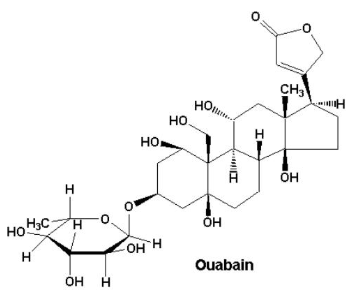
effects of this toxin
ouabin: increases cardiac output, rapidly eliminated

what is this toxin and its affects
digoxin is used in systolic heart failure, increases cardiac output, reduces hospitalizations
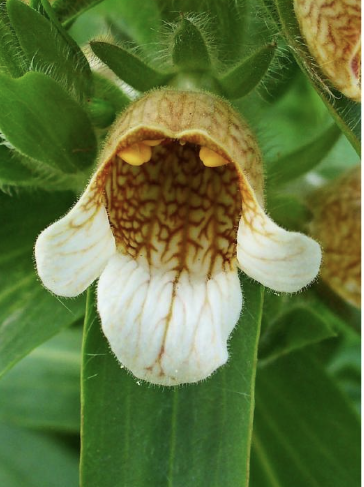
what plant is this and its family and toxin
digitallis spp. (foxglove)
plantaginaceae, contains digitoxin

what toxin is this
DIGItoxin

what plant is tis and its toxin
nerium oleander (oleander), apocynaceae family
oleandrin

whic toxin is this
oleandrin
toxicity of nerium oleander
whole plant is toxic whether it is fresh or dried

which plant is this, its family, and toxin?
adonis spp. (pheasants eye), ranunculaceae
cardiac glycosides
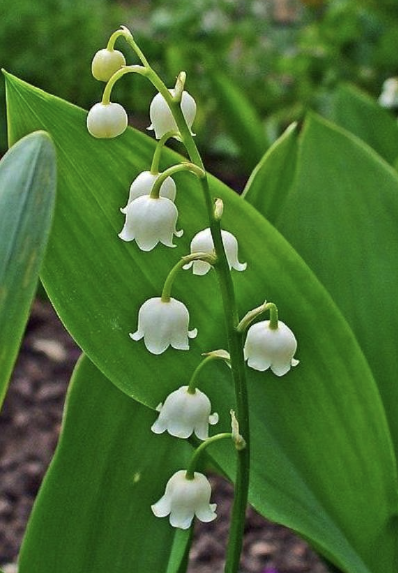
which plant is tis, its family, and toxin?
convallaria majalis, aspagaceae family, convallotoxin

which toxin is this
conballotoxin (cardiac glycoside)
plant families affecting muscles
menispermaceae, loganiaceae, fabaceae, solanaceae, apiaceae
types of muscles
skeletal, smooth, cardiac
muscles under voluntary control
skeletal muscles
muscles under autonomic NS and hormones from blood
smooth muscles
muscle autonomous activity but also influenced by autonomic NS
heart, cardiac muscles
rest and digest is…
parasympatetic NS (stimulates)
flight and fight…
sympathetic NS (inhibits)
nicotinic acetylcholine receptors are in
all neuromusclar junctions
muscarinic acetylcholine receptors
produce PNS effects

which pathway is this
neuromusclar junction
smooth muscles respond to signals from
blood and hormones
muscle contraction depends on ___ that depends on ___ and ___
depolarization, acetycholine, calcium
muscle paralyzing toxins (paralyzihng curares)
menispermaceae, loganiaceae, fabaceae
what plant and family is this
chondrodendron tomentosum, menispermaceae
paralyzing curares toxin

which toxin is this and which plant is it from
tubocurarine
chondrodendron tomentosum
how was curare used
arrow poison by sout american natives to hunt animals
hunters could eat infected flesh with no effects
poison is effective parenterally
tubocurarine is an ___ of nicotinic type of ____
antagonist, acetycholine receptors

which toxic alkaloid is this
strychnine
which plant contains strychnine
strychnos nux vomica
glycine receptors agonize ___ channel, causing ____
chloride, hyperpolarization
where are glycine receptors mainly found
spinal cord