Lec 4: Blood administration
 Call Kai
 Learn
Learn Practice Test
 Spaced Repetition
 Match
Match Flashcards
 Knowt Play
1/63

There's no tags or description
Looks like no tags are added yet.
Name | Mastery | Learn | Test | Matching | Spaced | Call with Kai | Chat |
|---|
No analytics yet
Send a link to your students to track their progress
64 Terms
what are the blood components
RBC
plasma
platelets
cryoprecipitate aka cyro

how are RBO groups determined
type of antigen present on RBC


what antigens attack a type O carrier? (what blood can they not recieve)
A or B blood


who is the universal PLASMA donor
type AB
only can recieve AB plasma

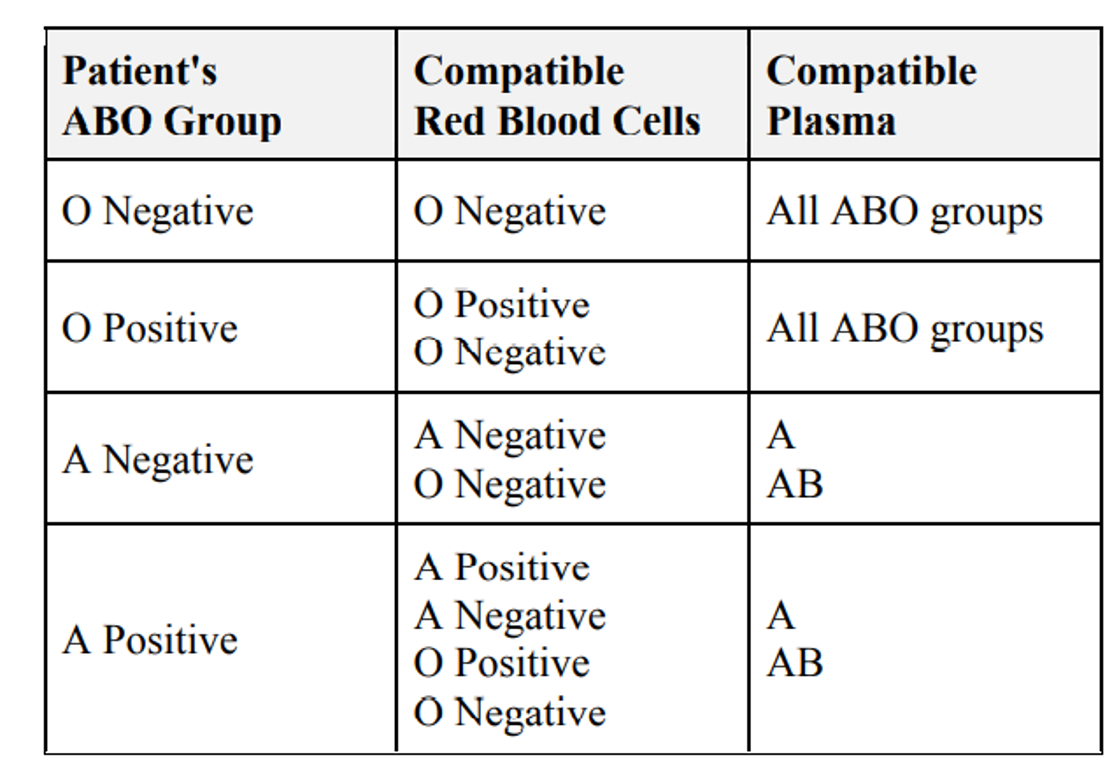
who is the universal PLASMA receiver
O = can receive any plasma


O and A blood compatibility pic
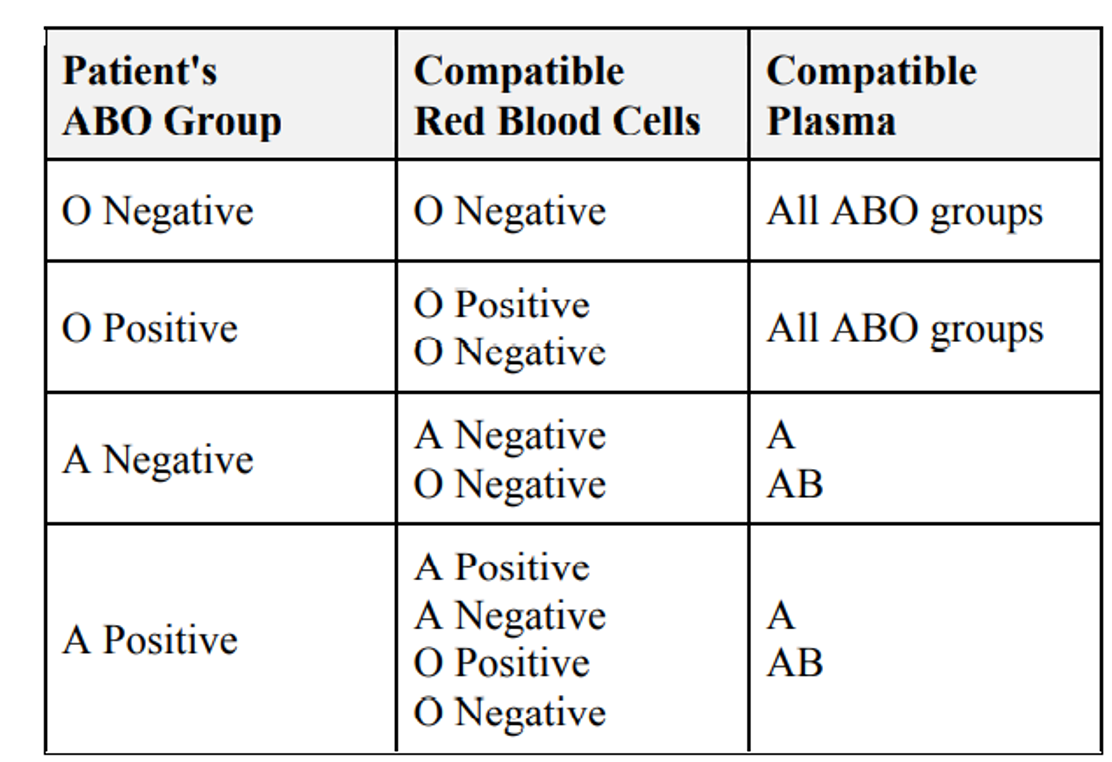

B blood compatibility pic

what are the indications for packed red blood cells (PRBCs)
use for chronic symptomatic anemia (have fatigue, impeding daily life, SOB)
restoration of blood volume
how much does PRBCs raise blood volume by
raises Hgb 1 g/dL and Hct 3%
typical volume of bag is approx 250 mL
tx when hgb is 70
PRBCS & Key Admin Guidelines (gauge)
catheter size= 22-14 gauge with 20-18 gauge appropriate for general populations
larger = greater chance of cells bursting/lyse
use only 0.9% NaCl as primer
use 170-μm filter
administer within 4 hrs (usually 2 hrs)
do we always have to give plasma as the same type as the patient?
yes unless not available, use any ABO group
what are the indications for platelets
control bleeding in platelet deficiency
thrombocytopenia
hemorrhage with platelet count <50,000
surgery with platelet count <100,000
nonbleeding pt with rapidly dropping platelets <15,000
Platelets & Key Admin Guidelines
admin= 1 unit (30-50 mL) over 5 to 10 mins
use Y set iv line
ABO compatible
1 unit raises platelet count 5 to 10,000
usually administer 6 to 8 units at one time
Indications: for FFP
procoagulant deficiencies
disseminated intravascular coagulation (DIC)
massive transfusions in trauma
how is plasma usually stored
frozen than thawed for use
plasma characteristics
liquid portion of blood
does not contain RBCs/platelets
FFP characteristics
prepared from whole blood separating and freezing plasma within 8 hrs of collection
FFP may be stored up to 1 year
does not provide platelets
typical volume is 200 - 250 mL
what material is high in concentration with cyroprecipitate
fibrinogen
use same ABO type as pt for 1st choice, usually only A and B available on unit
what doe blood products require before admin?
informed consent
Blood products: aka plasma protein products list, dont memorize
Albumin, 5 or 25%
comes in glass bottle, needs a vented IV set
Factor VII Concentrate
Factor VIII Concentrate
Factor IX Concentrate
Antithrombin III (ATIII) Concentrate
Intravenous Immune Globulin Immunoglobulins (e.g. Rh Immune Globulin (RhIG)
Hepatitis B Immune Globulin (HBIG)
Varicella Zoster Immune Globulin (VZIG)
Prothrombin Complex Concentrates (PCCs)
what must we assess with the pt before preparing to admin blood products
VS baseline
assessment of lungs and kidneys
lab values
pt history of transfusions
why do we care about a patients history of transfusions
the more transfusions = higher likelihood of adverse event from time to create antibodies
1st transfusion = be extra careful in 15-30 min
what are the steps to administrating a blood product
confirm informed written (signed) consent has been obtained
confirm pt is wearing a transfusion service Identification number (TSIN) when required
check the order
gather required equipment
obtain and verify blood component or product
have a 2nd HCP verify pt identity and blood component or product
pre-transfusion assessment
tell pt to report any side effects where possible and admin the blood component or product
monitor the transfusion as required
report any adverse reaction
complete the required documentation
what must be confirmed for informed consent to be valid
must be obtained for transfusion
must be documented in pts chart
consent obtained by the most responsible health care provider (MRHP)
what happens if the pt is not able to give consent and its an emergency?
2 physicians will independently decide the need
How long does consent last for? when should we get new consent?
no specific timeframe, new consent if…
pt condition has changed
pt knowledge has changed
refusal to adhere

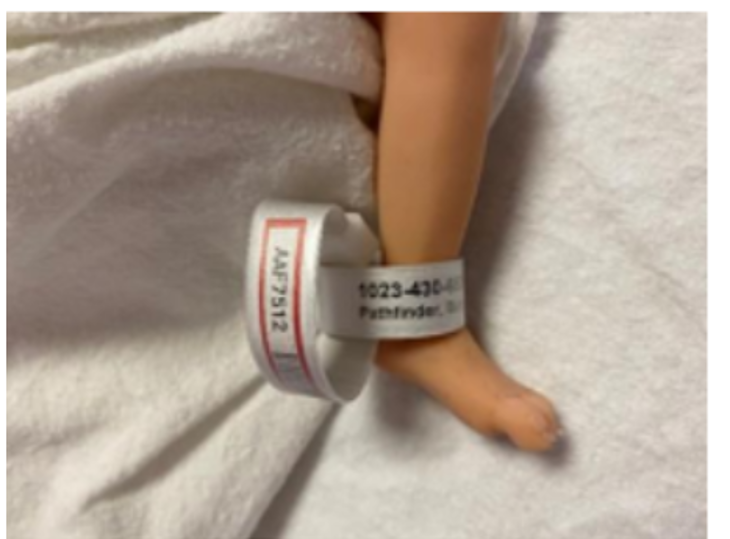
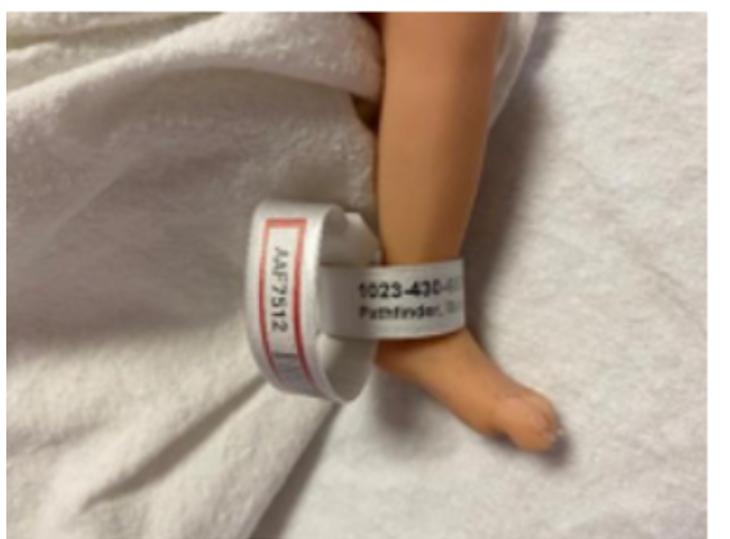
what is the Transfusion Service Identification Number (TSIN) used for
used to determine blood group, screens for antibodies


Adult TSIN Band pic

Neonatal/Small Child TSIN Band

what must be in the order for a blood infusion
does an order exist = must have pt name, DOB, ULI number, date, allergies
type and amount of blood component to be infused
rate and duration of infusion
any special requirements for that infusion
sequence of infusion
any pre/post transfusion meds or lab testing
recipients ID and indication for transfusion
route of admin

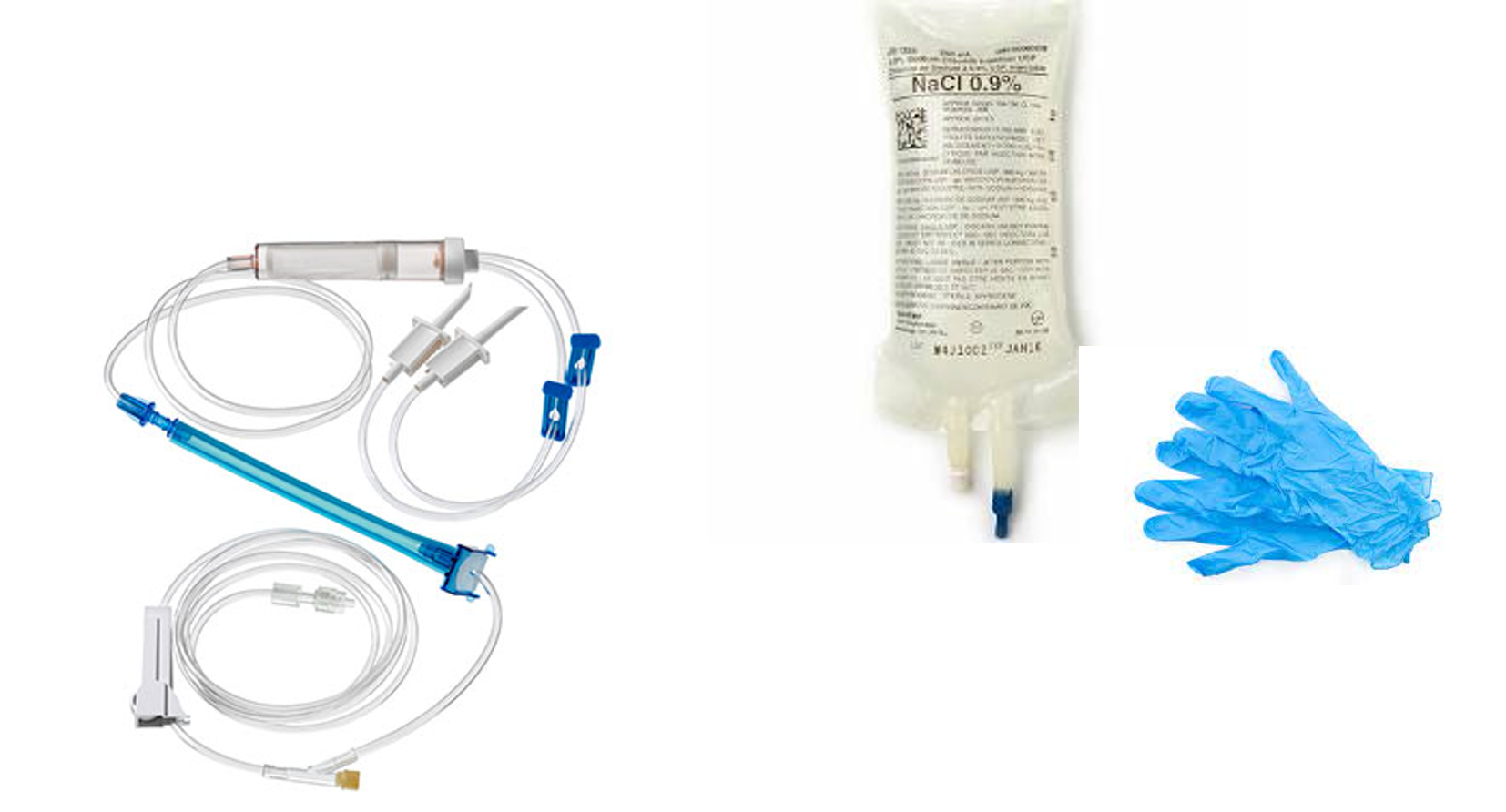
what equipment is needed for a blood transfusion
gloves, NS, tubing with 170 mc filter, one line goes to blood other goes to NS
prime with NS first than clamp, spike blood bag

how does Obtaining Blood Component From Blood Bank work
sign for blood, checking: carried out by 2 people = blood bank person + health professional
name, identification number of pt
transfusion donor number
expiration date of component
ABO and Rh compatibility
transfusion tag
how many units can we pick up from the blood bank at a time
pick up only one unit at a time
needs specialized fridges

Transfusion Tag RBCs
attached to blood components (red cells, plasma, platelets)
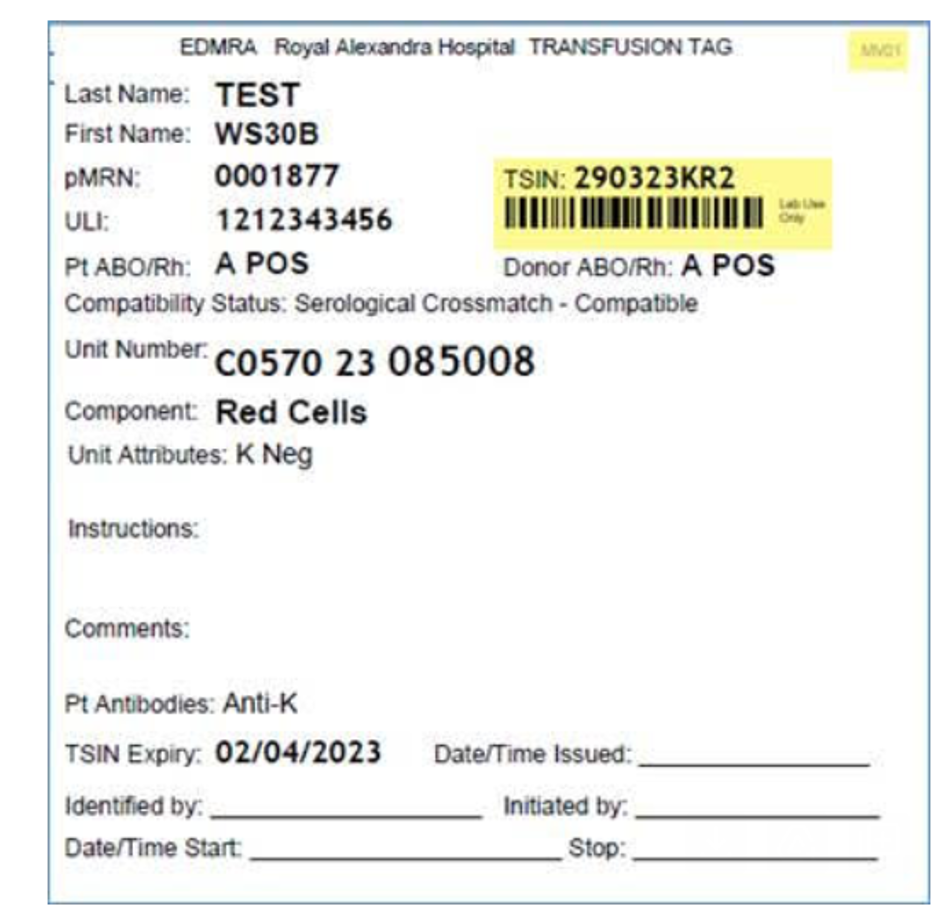

what checks must we do prior to or at the bedside before giving blood products
pt id on transfusion order matches pt id on blood bag
blood bag consistent with order
blood bag product number matches product number on tag
blood bag not expired
no abnormalities exist ex leaks


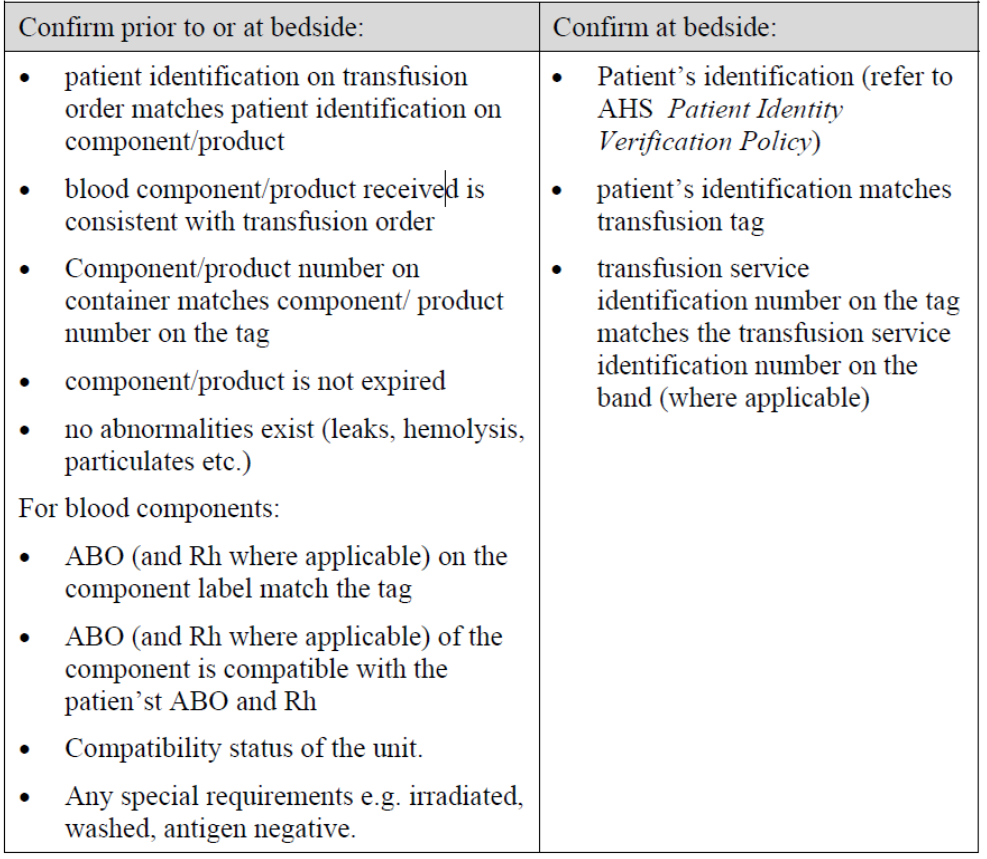
what checks must we do prior to or at the bedside before giving blood products for the blood components
ABO (+ Rh) on blood bag label match tag
ABO (+ Rh) is compatible with pts ABO and Rh
compatibility status of unit
any special requirements ex washed, irrigated
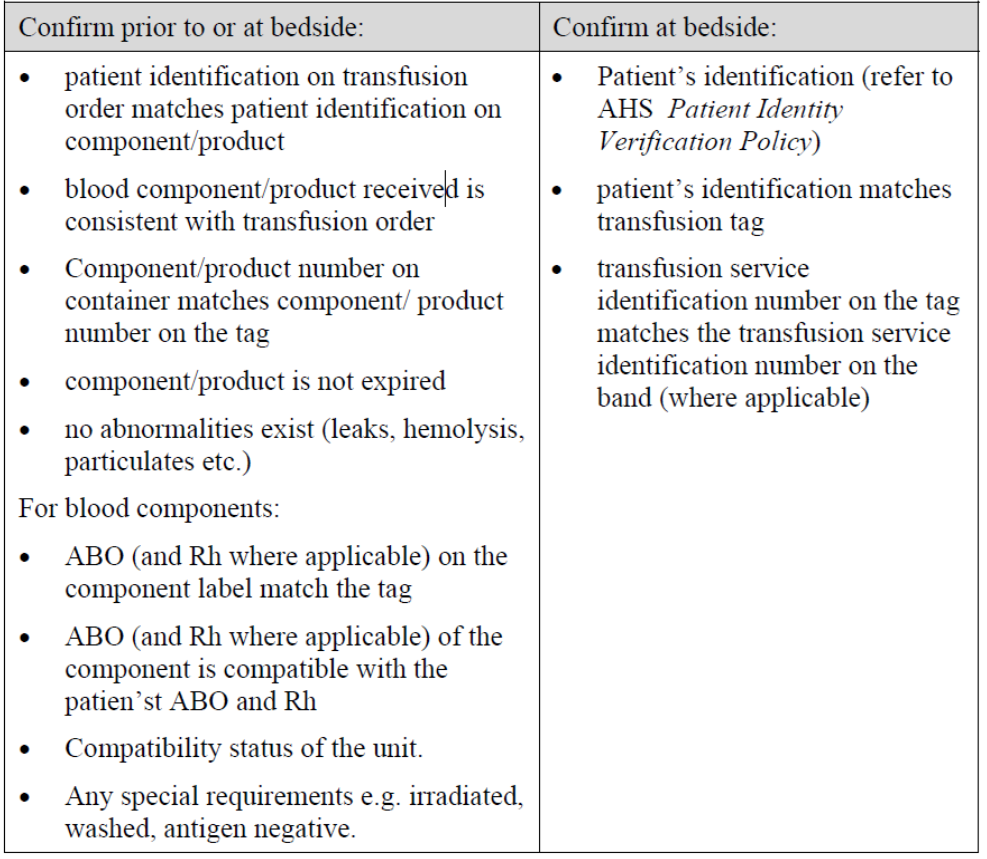

what checks must we confirm at the bedside before giving blood products
pts id
pts id matches transfusion tag
transfusion service id number matches tsin on the band

what are the steps to assessment after giving blood on the pt
pre transfusion vitals
stay at pt bedside for 1st 5 min
be immediately available (pt in sight) for 1st 10-15 min
vital signs during transfusion after 15 min, than q1h
post transfusion monitoring VS, and monitor for 15 min

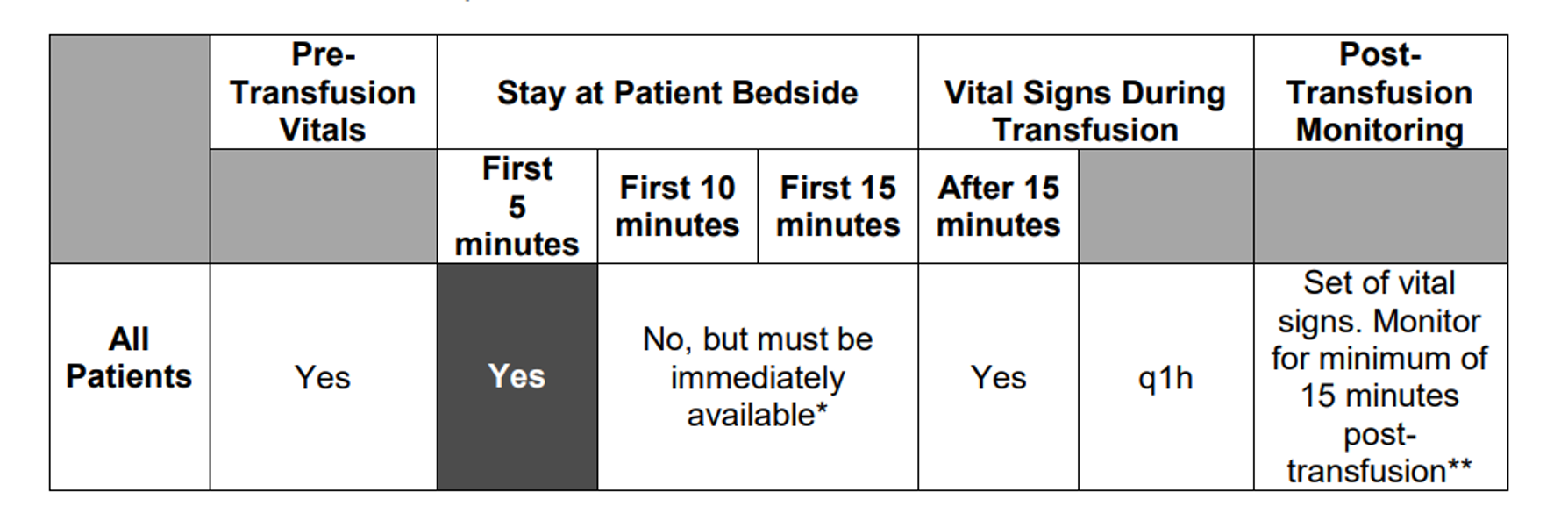
if a pt has had a previous or 1st time rxn to blood transfusion, how long do we monitor them for post transfusion
if pt has had previous rxn = 60, before or 1st time =30
monitor for 30-60 min
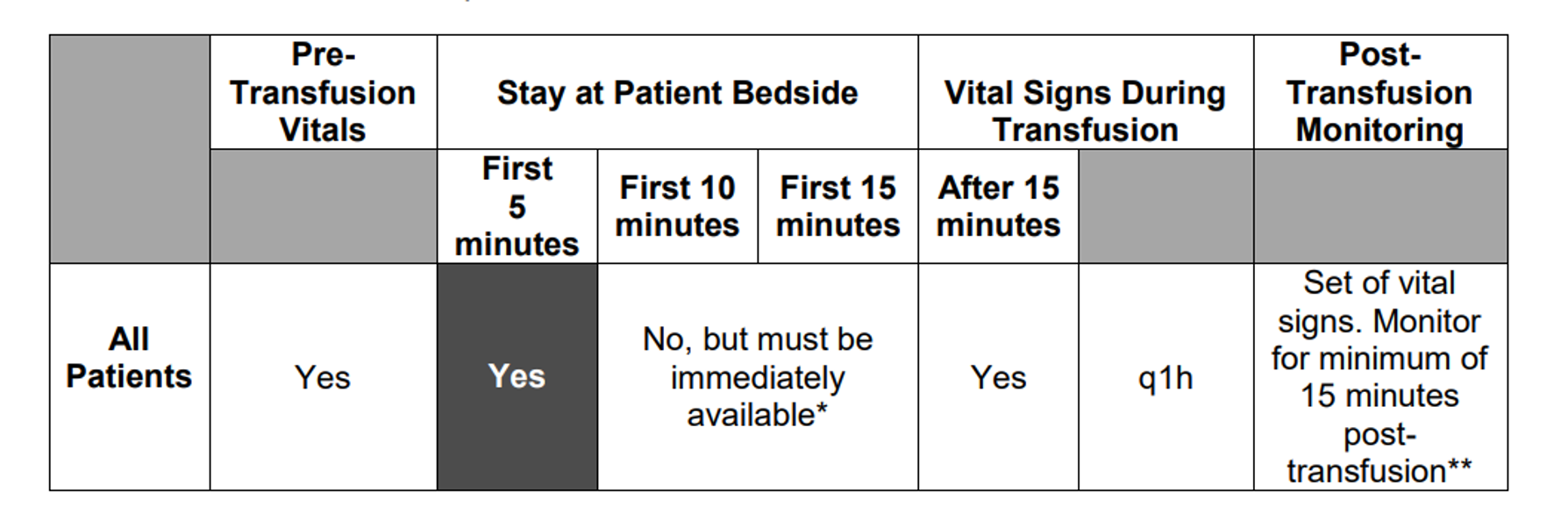
do we do vitals before blood admin
yes always
what allergy signs should we look out for when transfusing blood
stop infusion if =
hives
difficulty breathing
pain at site
back pain
feeling diff than usual
how to administer PRBCs
ensure clamps are locked
prime line with NS
hang blood = take bag and hold in hand, take line without NS, remove protective covering over port, insert spike slowly by twisting a quarter turn DONT PUT ON POLE
ensure NS turned off, clamp locked, open up blood bag clamp
infuse slowly - follow 15 min rule = start the transfusion at 50 ml/h for the first 15 min (12.5ml of blood)
stay for 15 min to monitor, than set rate to prescribed rate, max infusion time is 4 hrs
how much time do we have to start the infusion after picking up the blood from the blood bank
within 30 mins
if you went over 4 hrs you have to stop infusion and return the blood
how to discontinue an infusion steps
flush line to ensure all blood is cleared from line
take pts VS
documentation tag = one stays on pt chart, one goes to blood bank
bag and tubing are discarded in biohazard container
if another unit is to be transfused, keep vein open (KVO) by infusing NS
how often do we change the equipment/lines for blood transfusion
changed q8h at least
changed whenever you switch from one product to another = brand new line
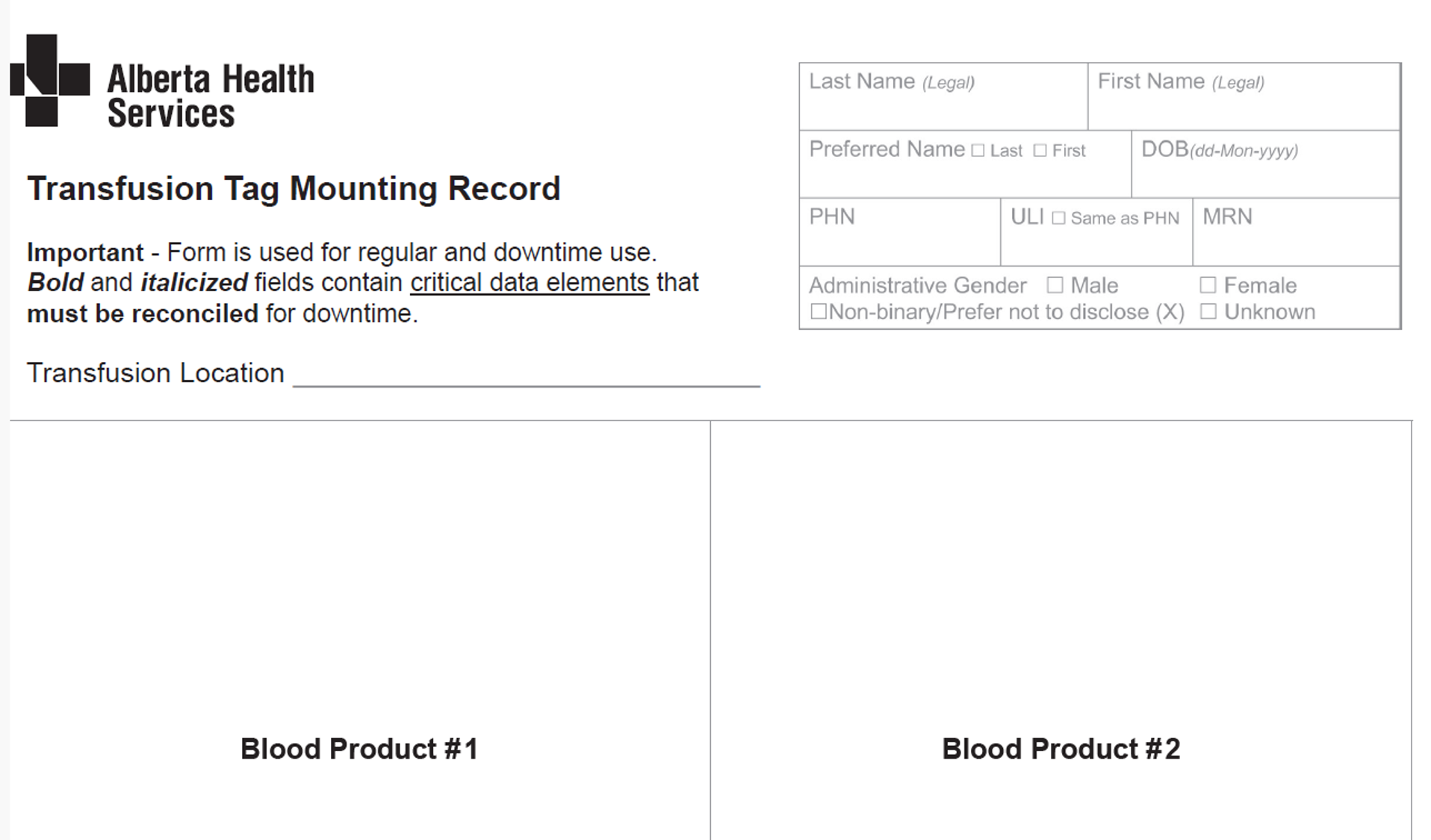
Transfusion Tag Mounting Record pic
once transfusion complete, place sticker on to mounting record

what are the most common symptoms of transfusion reactions
= stop infusion, keep line open with NS, notify doctor if..
fever
chills
dyspnea
lightheadedness
urticaria
itching
flank pain
what emergency equipment is required to be on hand when giving blood
pre primed line of NS aka rxn line (if rxn occurs, discontinue that line and attach to this backup line)
oxygen = nasal cannula or mask
medications
what are the emergency medications?
epinephrine= adult or pediatric 1 mg/ml, neonate 0.1 mg/ml
diphenhydramine= 50 mg/ml injectable
hydrocortisone, injectable
Acute rxns: acute hemolytic transfusion rxns S&S
discomfort/anxiety
dyspnea
fever/chills
facial flushing
severe pain
shock (rapid pulse, low BP, clammy skin, N/V)
what to do if acute hemolytic transfusion rxns
stop transfusion
begin supportive tx = maintain a good BP by using IV fluids, Lasix (renal blood flow)
try to promote urine output of 100 mls/hr for 24 hrs
how do acute hemolytic transfusion rxns happen
from giving wrong blood to wrong pt
can lead to DIC, death
Acute rxns: febrile rxn S&S
aka a fever
increase in baseline by 1C
pt shows fever + chills
how do febrile rxns happen
caused by reaction to antibodies
how do we tx febrile rxns
stop blood
notify physician
tx with antipyretic med
use leukocyte filter
acute rxns: allergic reactions characteristics
cause = antibody formation
s&s = hives, itching, resp distress
tx = stop transfusion, notify doctor, prepare for histamines
what is the most common complication of blood transfusions
infection
complications: transfusion related acute lung injury S&S
resp distress
hypoxia
pulmonary edema (crackles)
hypotension
fever
what to do if transfusion related acute lung injury aka tx
oxygen support
mechanical ventilation = ICU
complications: transfusion related circulatory overload cause
from high osmolarity draws fluid into intravascular space = overload
look at kidney fx
transfusion related circulatory overload S&S and tx
S&S = HF, dyspnea, crackles
stop transfusion, consider lasix
complications: citrate toxicity cause and S&S
citrate = anticoagulation of choice from blood clotting in bag
rapid admin of blood = hypoglycemia and hypomagensia
complications: transfusion associated graft - versus - host disease cause
lymphocytes from blood components attack recipients tissues (bone marrow, GI tract)
recognition hard from nonspecificity
fatal
complications: delayed hemolytic transfusion rxn description + S&S
present asymptomatically
can happen 4 weeks after transfusion
higher risk if they had other blood product transfusions before
S&S = slight fever