WHII Unit 3: Colonization and Resistance
 Call Kai
 Learn
 Practice Test
 Spaced Repetition
 Match
 Flashcards
1/34

Earn XP
Description and Tags
Essential vocabulary covering global trade routes, colonial labor systems, Indigenous societies, and patterns of resistance from the World History II unit on Colonization and Resistance.
35 Terms

Caravel
A light, fast sailing ship equipped with triangular sails that allowed it to sail close to the wind.

Encomienda
A Spanish colonial system in which colonists were granted Indigenous labor and tribute under the expectation of protecting and teaching them, but which resulted in forced hard labor.

Mercantilism
The economic philosophy that world wealth is fixed and that colonies exist primarily to generate wealth for the mother country.

Joint-stock company
A business that sold shares to multiple investors to pool capital and distribute the cost and risk of an expedition.

Syncretism
The blending of two distinct religions or cultures into a new combined practice.

Quipu
A system of knotted cords used by the Inca civilization to record information and numerical data.

Tenochtitlán
The capital of the Aztec Empire, built on an island and featuring advanced causeways, canals, large markets, and religious temples.
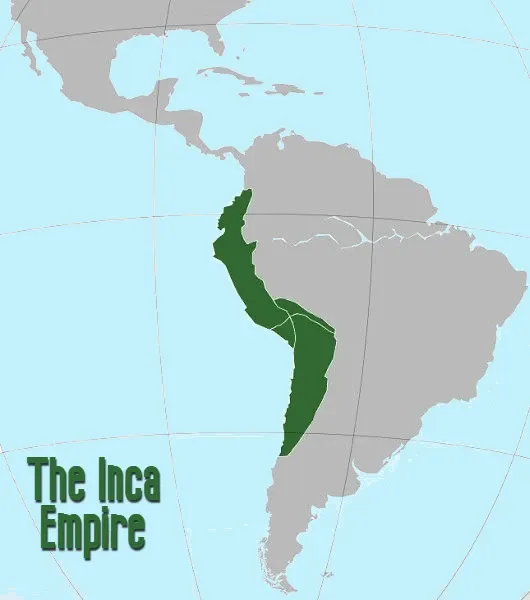
Inca Empire
An Andean empire stretching approximately 2,500 miles, held together and governed via an extensive network of paved roads and rope suspension bridges.

Taíno
An Indigenous Caribbean society existing prior to 1492 that cultivated crops like cassava and maize under the leadership of chiefs, leaving behind no written records.

Treaty of Tordesillas (1494)
An agreement that drew a boundary line dividing newly claimed lands between Spain and Portugal, placing the eastern portion of South America (modern Brazil) under Portuguese control.

Vasco da Gama
The Portuguese navigator who sailed around Africa to reach India in 1498, opening an all-water sea route connecting Europe to Asia.
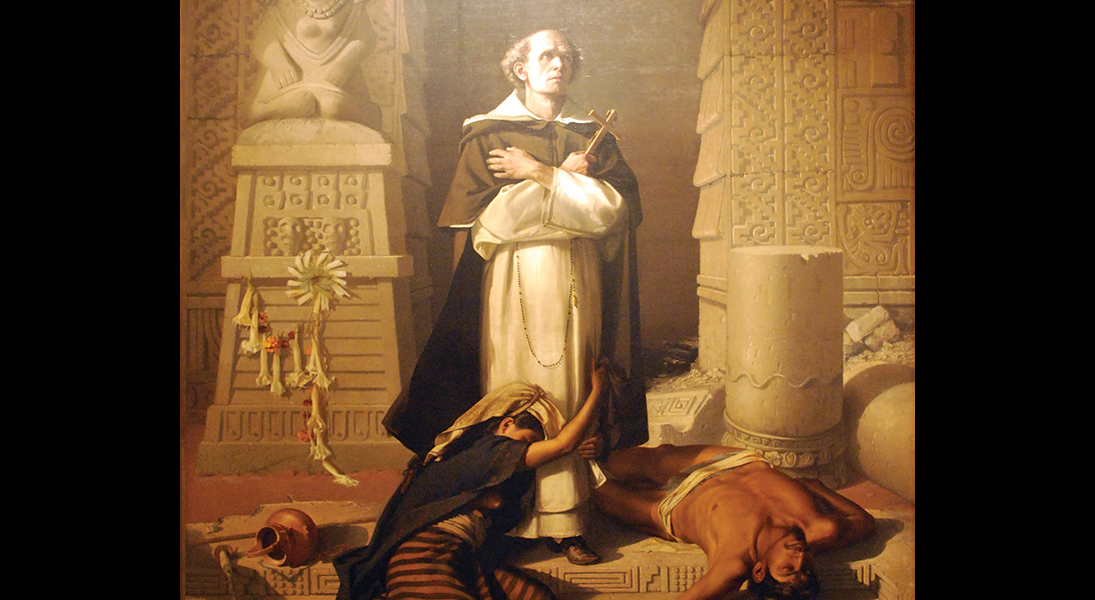
Bartolomé de las Casas
A Spanish Catholic priest who openly condemned the cruel treatment and forced exploitation of Indigenous peoples in the Americas.

King Afonso I of Kongo
The ruler of the Kingdom of Kongo who, after initially working closely with Portugal, protested against the slave trade in 1526 and enacted rules to restrict it.

Middle Passage
The forced sea voyage of enslaved Africans across the Atlantic, where roughly 1.8 to 2 million of the 12.5 million forced captives died from brutal conditions and disease.

Mossi kingdoms
West African states recognized for actively resisting the transatlantic slave trade and defending their populations against outside slave raiding.
Gun-slave cycle
The destabilizing trade dynamic in Africa where states acquired European firearms by trading captives, compelling neighboring states to acquire guns for their own security.
Herd animal immunity
The acquired biological defense developed by European, African, and Asian populations from prolonged contact with domesticated livestock, absent among Indigenous American populations.
Cultural persistence
A strategy of non-violent resistance characterized by preserving traditional languages, customs, and religious practices under colonial rule.
Expulsion of Christian missionaries (Japan)
The decrees issued by Japanese rulers in 1587 and 1610 banishing European missionaries due to concerns that Christian converts would follow the authority of the Pope over Japan's leaders.
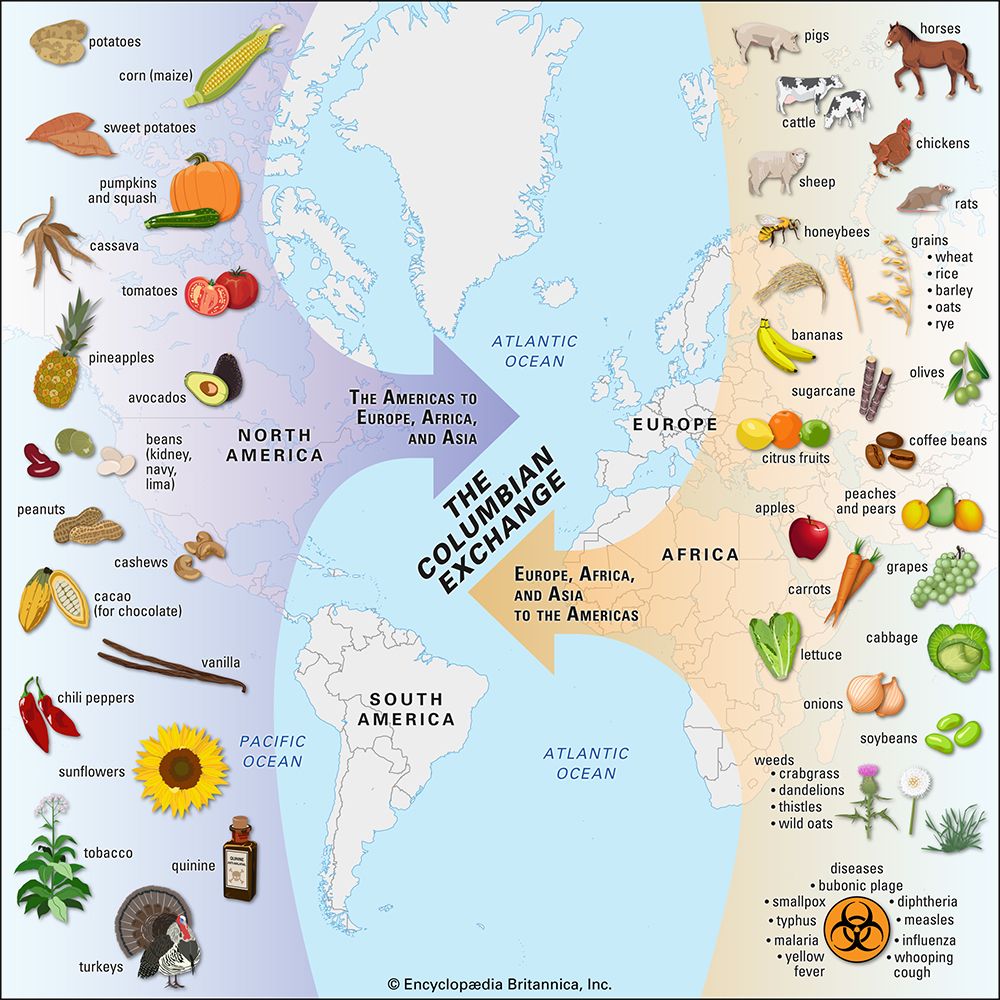
Columbian Exchange
The transatlantic transfer of crops, livestock, communicable diseases, and populations between the Old World and the New World following European contact in 1492.
Be able to locate, Brazil, Peru, Mexico, Spain, Portugal, Netherlands, India, Ghana, Japan and Philippines
How did enslaved Africans resist during the Middle Passage?
refusing to eat, and other acts of defiance against their captors.

Why did Europeans want a new sea route to Asia?
To access spices, silk, and other valuable trade goods more directly. Avoid middlemen

Political Motive
A king pays for a voyage mainly so his kingdom can claim new land before a rival kingdom does
Caravel, Astrolabe and compass all borrowed from
Arab and Asian sources
Portuguese reason for stopping raiding the African coast and began trading.
Raiding was too dangerous, agreements work better.

European effect seen today
Mexico City still stands on top of the ruins of Tenochitlan, showing the lasting impact of European colonization on indigenous civilizations.
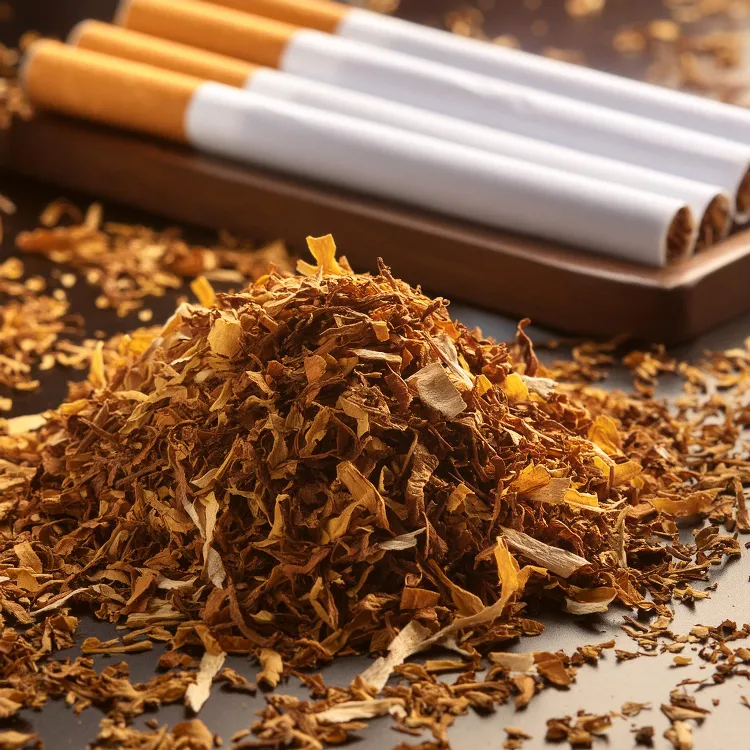
North America to Europe
tobacco

Europe to South America
Sugar Cane

Central America to Europe
Silver

Africa to Brazil
enslaved Africans

South America to Europe
cacao

Europe to North America
horses

South America to Africa
maize

Europe to Central America
Smallpox