4 GI System
 Call Kai
 Learn
 Practice Test
 Spaced Repetition
 Match
 Flashcards
 Knowt Play
1/90

There's no tags or description
Looks like no tags are added yet.
91 Terms
We are not diagnosticians of GI disorders
The world does not revolve around the ____ system
These techniques are not appropriate/necessary for all patients
Systems that are important need to be protected by ____ mechanisms
_____ structures can be direct and indirect sources of pain
MSK
pain
Visceral
What are Common symptoms related to GI system?
Abdominal pain, acute and chronic
Indigestion, nausea, vomiting including blood
Loss of appetite
Early satiety
Dysphagia and /or odynophagia (painful swallowing)
Change in bowel function
Diarrhea, constipation
Jaundice
What does the Mouth and esophagus pierces through?
diaphragm
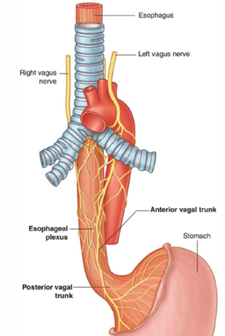
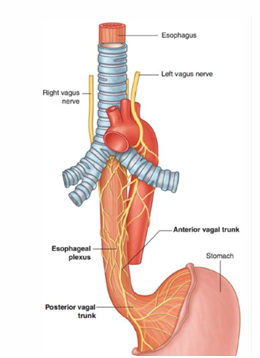
What is the nerve that innervates the Mouth and esophagus?
vagus nerve
What is the next organ after the esophagus in the GI tract?
stomach
What is the next organ after the stomach in the GI tract?
Duodenum
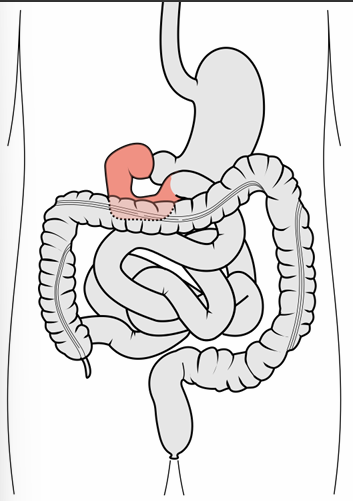
What is the next organ after the duodenum in the GI tract?
small intestine
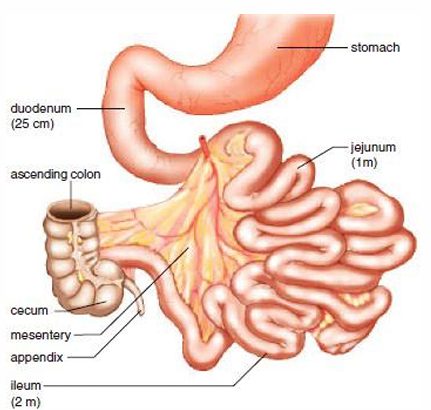
The small intestine is composed of what 2 parts? and connected by what?
Jejunum (top) and Ileum (bottom) ; Connected to mesenteric root (around L4, umbilical)
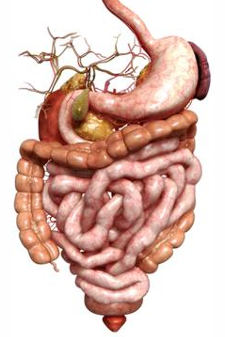
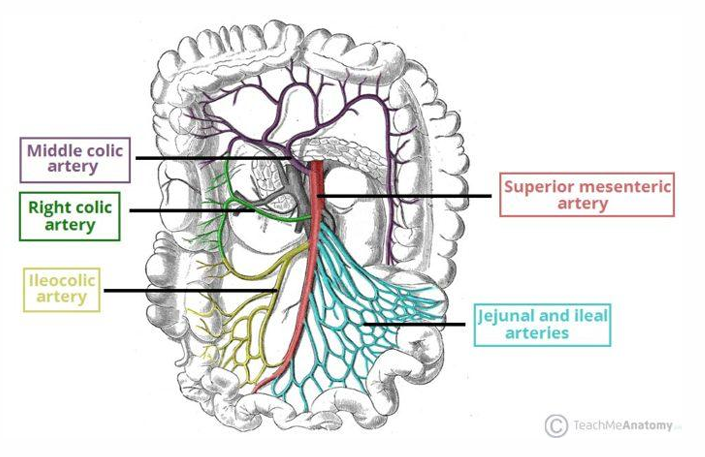
What happens to our blood after eating?
2L of blood is shunt to allow for digestion
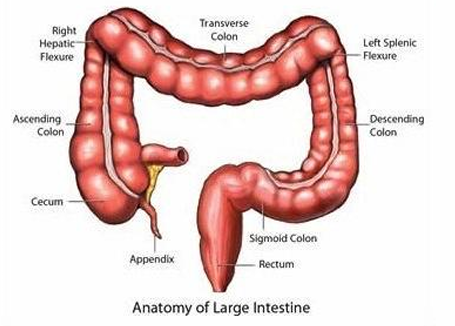
What are important anatomical features of the large intestine?
ICV (ileocecal valve)
Cecum
Ascending
Transverse
Descending
What is the last section of large intestine?
sigmoid and rectum
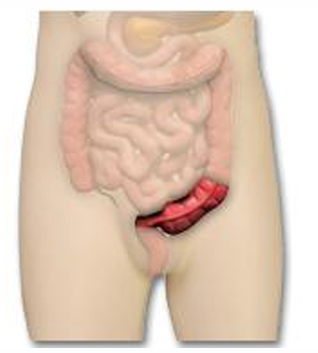
Sigmoid and rectum is
(Anterior/Posterior) to bladder and uterus in women
(Anterior/Posterior) to bladder and prostate in men
Posterior
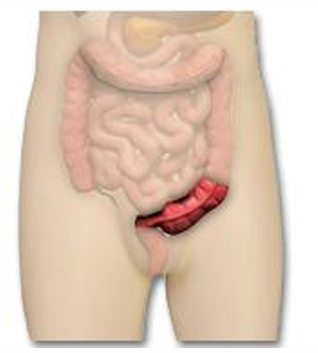
What can you use to identify areas of pain?
Imaginary lines crossing at umbilicus
Can give clues about which structures are involved
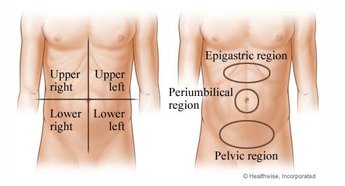
Visceral pain in abdomen
Occurs when the abdominal organs, such as the intestine, ______ in a forceful manner
Occurs when organs are ______ or ______
Tissue inflammation
Prolonged pain causes _____ changes
Often difficult to _______
contract
stretched or distended
CNS
localize
What is Interoception?
involves the conscious and unconscious awareness of internal signals, such as the feeling of a full stomach, the sensation of a racing heart, or the understanding of breathing patterns
How does Interoception work?
The brain receives and processes these internal signals from various organs and tissues, integrating them to comprehensively understand the body's internal state
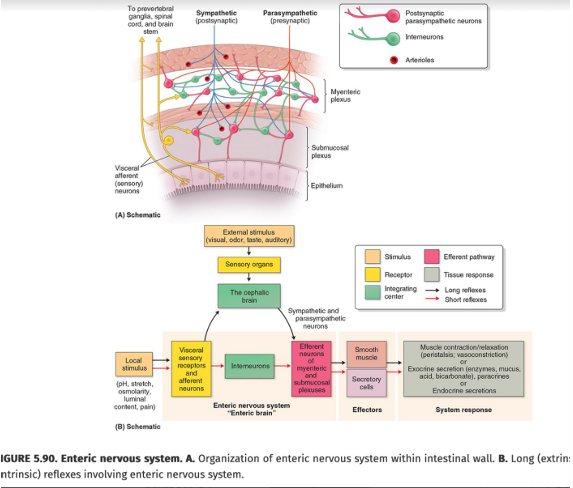
How does enteric Nervous system work?
more nerve endings in ENS than spinal system
digestive system is important or other bodily systems, hence abdominal pain
not a sensory nerve but less direct (referred pain)
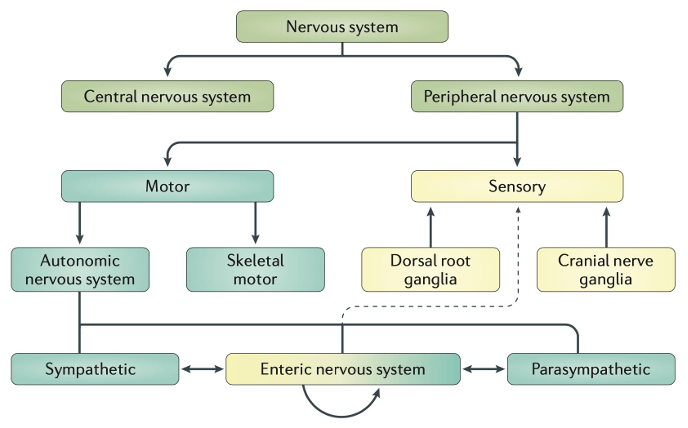
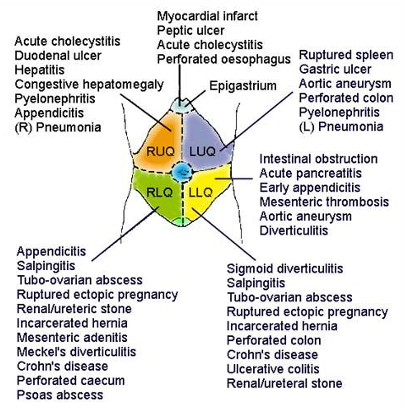
Referred pain in abdomen
Usually felt in more distant sites which are innervated at approximately the ____ level as the dysfunctional structures
Often not the same as the initial site of pain but becomes ____ intense and _____ as the original site gets worse
May be referred to the abdomen from the ______, _______, _______
same
more; travels
chest, spine, pelvis
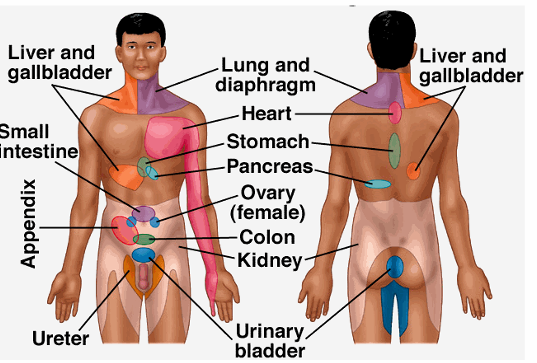
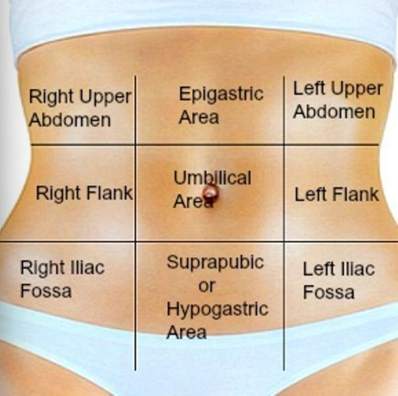
What are the 9 abdominal divisions/areas?
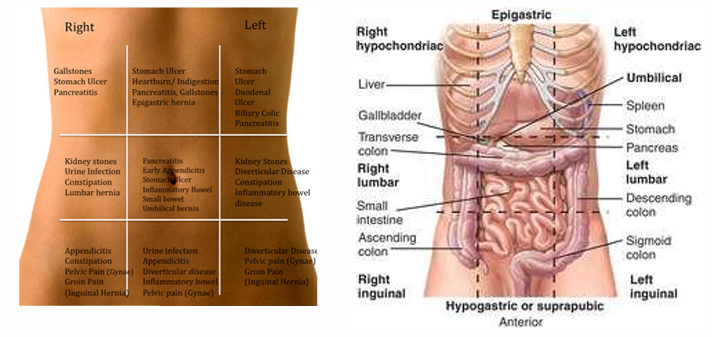
What are subjective questions to ask a pt about GI system?
Describe the pain in your own words?
Where is it?
Where did it start?
Where did it travel to?
Timing of the pain?
How did it begin?
How gradually did it come on?
24-hour pattern?
Are you acutely ill?
Is this a chronic problem and something that you have had before?
What are different types of pain descriptors?
Cramping
Sharp
Colicky
Knifelike
Burning
What is Esophageal- hiatal hernia?
Occurs when cardiac (lower esophageal) sphincter becomes weak allowing the stomach to pass through the diaphragm into the thoracic cavity
Prevalence ~20%
Increases with age 50% in those over 50 y/o, 60% over 60, 70% over 70
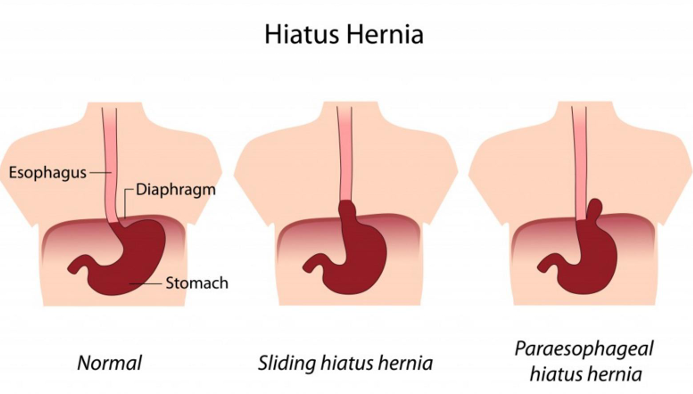
What causes Esophageal- hiatal hernia?
Weakening of the diaphragm
Increased intra-abdominal pressure (tight clothing, pregnancy)
What are symptoms of Esophageal- hiatal hernia?
Burning pain in chest/throat
Belching
Nausea/vomiting
Back pain/chest tightness
What is Gastroesophageal reflux disease (GERD)?
Consequences from backward flow of the gastric contents into the esophagus.
Occurs due to transient relaxation of the Lower Esophageal Sphincter (LES) not related to swallowing that allows the stomach acid to pass into the esophagus.
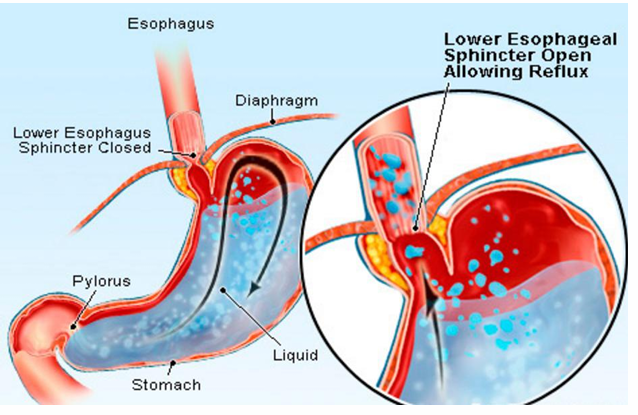
What are complications with Gastroesophageal reflux disease (GERD)?
Esophagitis - necrosis of the esophageal epithelial lining that leads to erosions and ulcers
Strictures that narrow the esophagus secondary to scar tissue formation
Barrett esophagus – precancerous condition
Adenocarcinoma
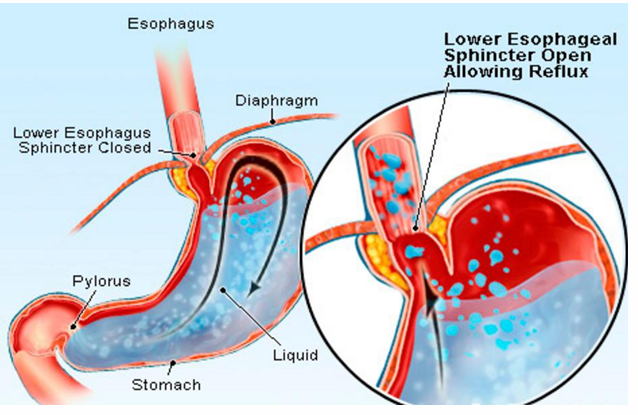
What are Clinical Manifestations with Gastroesophageal reflux disease (GERD)?
Heartburn that may irradiate to the stomach, chest or back
Esophageal symptoms can include cough, asthma, laryngitis
Patient may demonstrate decreased mobility of L lower rib cage
L shoulder mobility may be affected
What are Things to consider when treating a patient with upper GI diagnosis
Timing treatments away from meals
Avoid lying flat after meals
Avoid exercises that increase intra abdominal pressure in supine position
Assess diaphragm mobility (L side especially)
What are Musculoskeletal considerations for GERD?
Diaphragm
Shoulder mobility/strength
Thoracic spine
Cervical spine
research
309 articles screened
Top 15 chosen (only 1 was poor quality)
Of those assessing neck pain, 80% did not screen for pain from visceral origin
Radiating symptoms from acute MI occur in 65% of cases
80% of colonoscopy-induced splenic injury c/o pain along C3-4 dermatome
GERD and hiatal hernia can also refer to ______ spine
cervical
How do you palpate LES?
Just left of the sternum on 6-7th costal cartilage
What is Gastritis?
Condition affecting the mucosa of the stomach
What is considered acute gastritis?
Hemorrhagic or Erosive
What is considered acute gastritis?
H Pylori gastritis
Multifocal atrophic gastritis
Autoimmune metaplastic gastritis
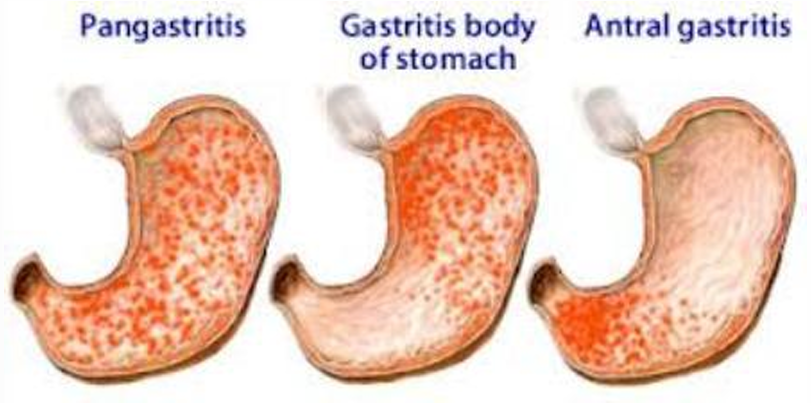
What are symptoms of gastritis?
Feeling of abdominal distention, loss of appetite, nausea
How can you diagnose gastritis?
endoscopy
What can gastritis be caused by?
long term use of NSAIDs
What is Peptic Ulcer Disease?
Erosion (do not extend through the muscularis mucosae) or ulcer of the stomach or duodenum
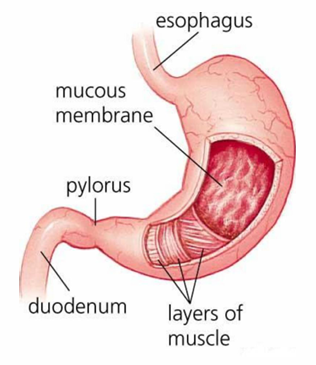
Why is a Peptic ulcer bad?
Extends to muscle layer Replaces with scar tissue
Potential for damage to blood vessels
could lead to bleeding risk (hemorrhage)
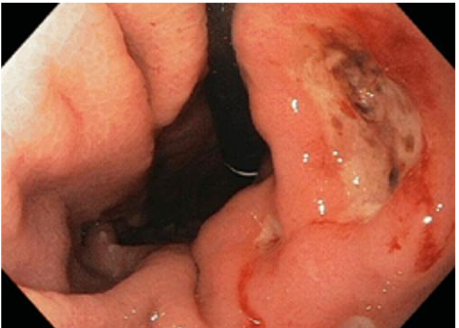
peptic ulcer disease is a ____ ulcer, response to _______ stress
stress; physiologics
What are the common causes of peptic ulcer disease?
NSAIDS
Low dose aspirin
H. pylori bacteria infection
What complications may arise from peptic ulcers?
Bleeding – requires hospitalization
Perforation of stomach or duodenum may occur presenting with severe sudden pain
(T spine from T6-T10 with radiation to right upper quadrant)
What are the treatment options for peptic ulcers?
Reduce H. pylori bacteria
Stop use of NSAIDS
Bleeding can be treated endoscopically
What are Patient considerations for stomach pathology?
Acute changes in fatigue level
Discuss changes in stool
Monitor for signs of bleeding
How do you palpate the pyloric sphincter?
6-7cm above umbilicus
May be slightly R or L of midline
Size of quarter
At the level of L1
How do you palpate the stomach?
Thumb abducted at sternum
Thenar eminence lesser curvature
Hypothenar greater curvature
What organ?
Can also show symptoms of gastritis
Will also refer to back (mid-thoracic area) or RUQ and R shoulder
Finishes chemical digestion
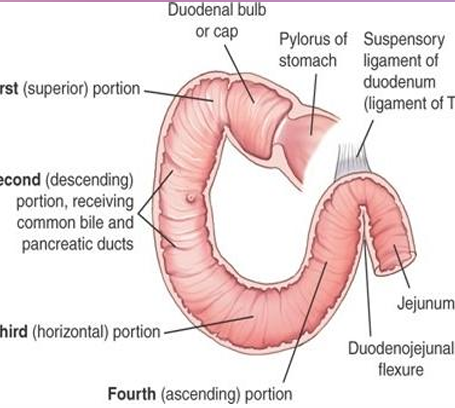
duodenum
Where is the duodenum located?
Retroperitoneal
Curves around the head of the pancreas
Both bile and pancreatic juice enter the GI tract
Divided into 4 parts
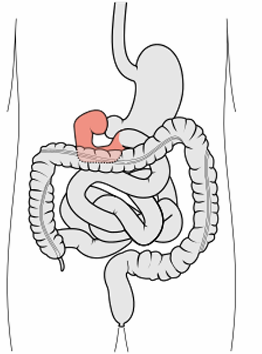
How do you palpate Sphincter of Oddi?
2-3 cm up from umbilicus on the R side
Size of a pea
Lines up with spinal level L2
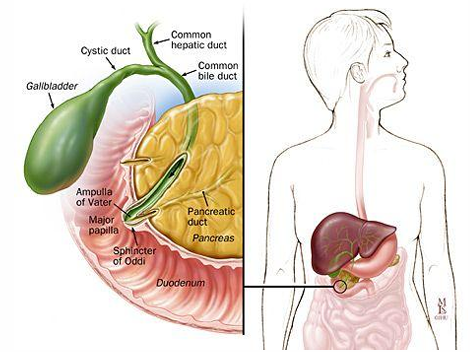
How do you palpate DJ junction?
2-3 cm above umbilicus on L side
Size of a quarter
At spinal level L2
What are Malabsorption disorders?
Group of pathologies that contribute to reduced intestinal absorption
Celiac, cystic fibrosis, AIDS, Crohn’s disease
What are Malabsorption symptoms?
Diarrhea
Bloating
Indigestion
Anemia
Weight loss
Abdominal cramping
What are Patient considerations for malabsorption?
Decreased exercise tolerance
Potentially decreased bone density
Spasms/muscle cramps due to decreased electrolyte balance
What is irritable bowel syndrome (IBS)?
Recurrent symptoms of upper and lower GI system that interfere with normal functioning of the colon
How do you determine IBS?
Rome IV criteria
Uses Bristol Stool Scale
Associated with recurrent abdominal pain >1 day/wk in last 3 months
defecation increases or decreases pain
associate with change in stool frequency
associated with change in stool form (appearance)
What is the cause of IBS? How do you diagnose and treat it?
Unknown etiology
Diagnosis of exclusion
Often not identified with tests
Usually treated with diet changes, lifestyle (stress management), pharmacology when necessary
What sex tends to have IBS more?
women
What diagnoses co-occurs with IBS frequently?
Fibromyalgia
Chronic fatigue syndrome
Chronic pelvic pain
TMJ
What are Patient considerations for IBS?
Stress management
Sleep habits
Diet
CNS processing
What are the Two Inflammatory Conditions (Inflammatory Bowel Disease) of unknown cause involving genetic and immunologic influences on the GI tract ?
Crohn’s Disease
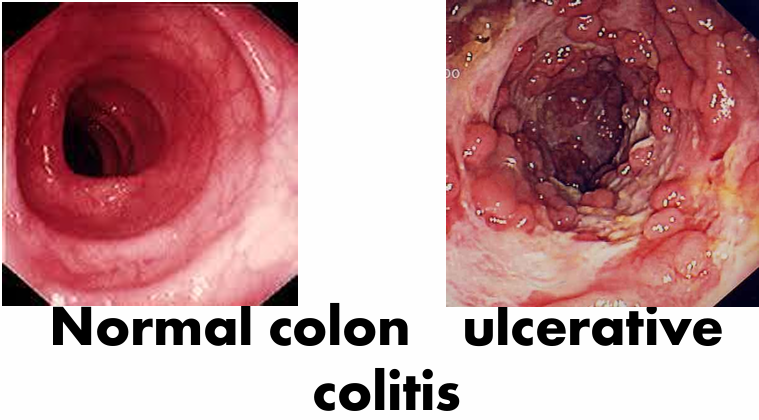
Ulcerative colitis
What is the cause and etiology of Inflammatory Bowel Disease?
Higher production of inflammatory cytokine
Etiology is between the gut and microorganisms
What is the Hallmark sign of Inflammatory Bowel Disease?
bloody diarrhea (abdominal pain, GI bleed, weight loss)
What is Chron’s disease?
Inflammation of full thickness of bowel wall
Where can Crohn’s disease occur?
Can happen in any part of the digestive tract
What is Ulcerative colitis?
Inflammation of inner lining of LARGE intestine
Causes inflammation and ulcers in lining of large intestine
Where does Ulcerative colitis occur?
Usually, colon and rectum
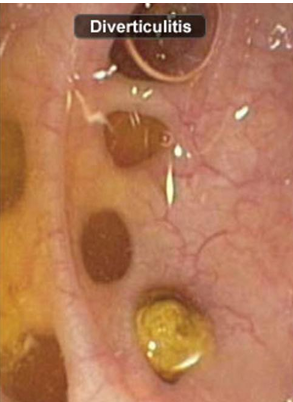
What is Diverticulitis?
Infection or inflammation of the diverticula
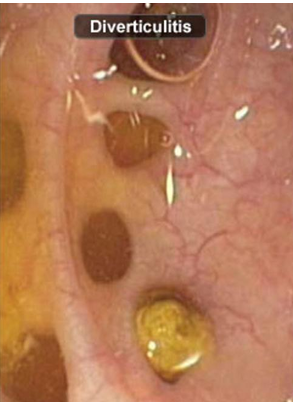
Diverticulitis, a Multi-factorial disease related to what?
diet, structural changes in the colonic wall and changes in functional motility
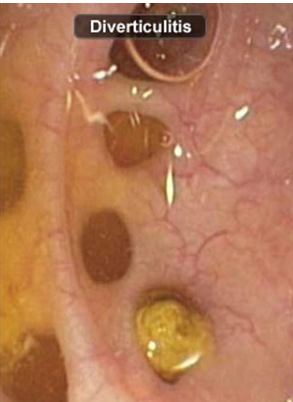
Where can Diverticulitis refer pain to?
Can refer to low back hip (L>R)
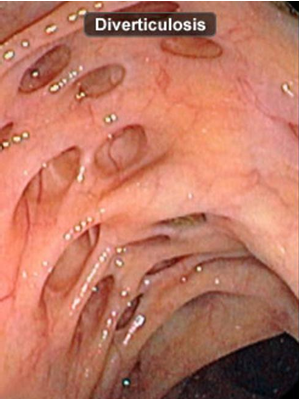
What is Diverticulosis?
Presence of outpouchings in the walls of the small intestine of colon
Outpouchings herniate from the mucosa and submucosa through the muscular layers of the colon
More chronic form can be seen on imaging
What are Patient considerations for diverticulitis?
Don’t Eat seeds!
Eat fiber
Stay hydrated
Don’t smoke
Physical activity improve bowel function
Breathing techniques for stress reduction
What are musculoskeletal considerations for diverticulitis?
Anterior hips/ hip flexors
Lumbar spine (L4)
SIJ’s
Pelvic floor
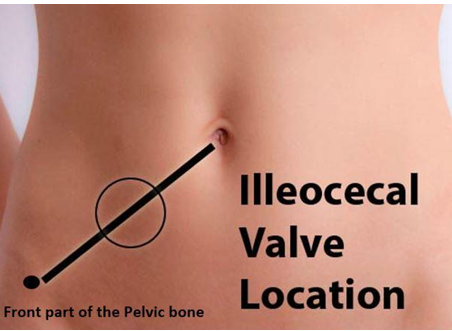
How do you palpate ICV (ileocecal valve)?
1/3 of the way from the R ASIS to umbilicus ( just above McBurney’s point)
Size of a dime
Aligns with L5/SIJ spinal level
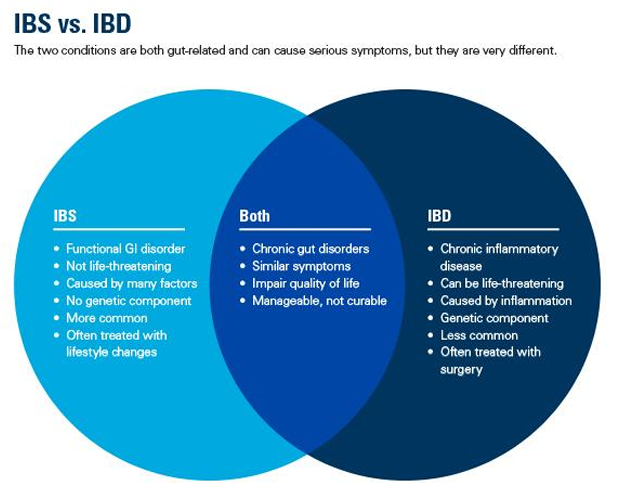
What are the similarities between IBS and IBD?
They are both gut related and can cause serious symptoms
chronic gut disorders
similar symptoms
impair QOL
manageable, not curable
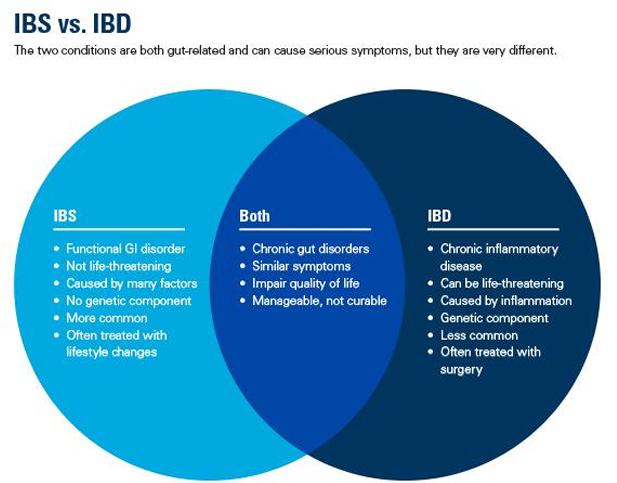
What are the differences between IBS and IBD?
IBS
functional GI disorder
not life-threatening
caused by many factors
no genetic component
more common
often treated with lifestyle changes
IBD
chronic inflammatory disease
can be life0threatening
caused by inflammation
genetic component
less common
often treated with surgery
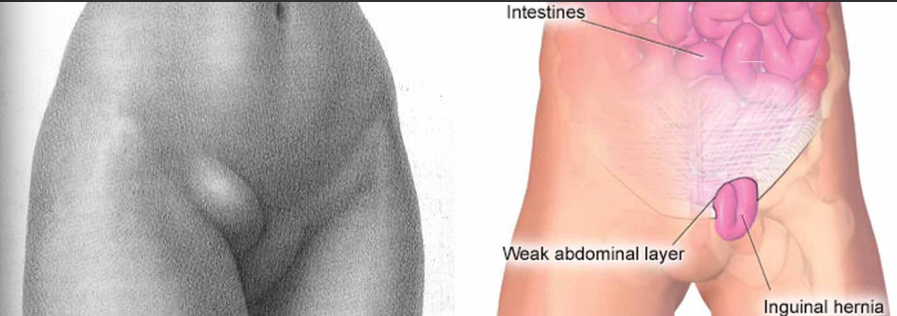
What is Inguinal Hernia?
Outpouching of abdominal contents through weak area in lower abdominal wall
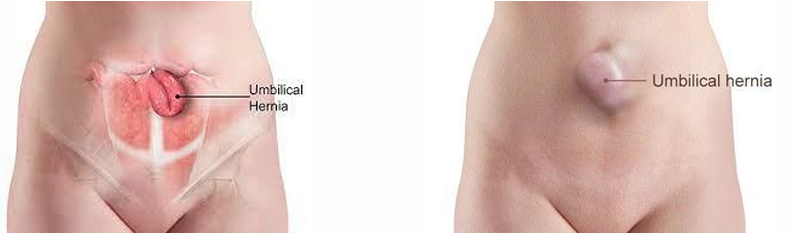
What is Umbilical hernia?
Outpouching of abdominal contents through weak area in abdominal wall near the belly button
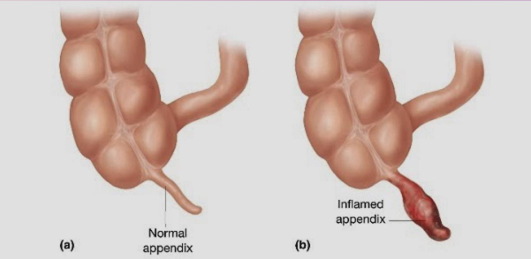
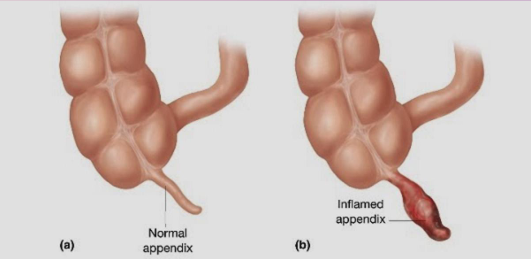
What is Appendicitis?
Inflammation of the appendix that can lead to rupture and necrosis
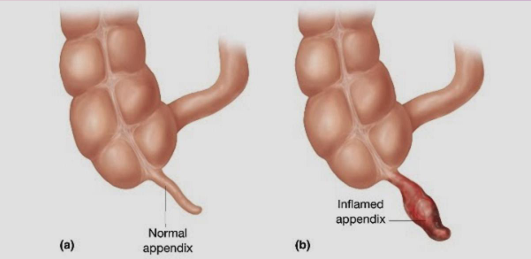
What is the appendix most composed of?
lymphatic tissue
What is the cause of Appendicitis?
Cause unknown, at least one third are accompanied by obstruction and improper drainage
What are the treatment options for Appendicitis
Emergent referral
Treatment
Surgical removal
Antibiotics after surgery
How can you palpated the appendix?
McBurney’s point
How do you ask about bowel function?
How often do they go?
Volume, consistency?
Do you have difficulty?
Do you have excessive gas?
Are you constipated?
Do you have diarrhea?
What is ideal bowel movement?
Medium brown, the color of plain cardboard
It leaves the body easily with no straining or discomfort
It should have the consistency of toothpaste and be approximately 4 to 8 inches long
Stool should enter the water smoothly and slowly fall once it reaches the water
There should be minimal gas or odor
What are the types of Bowel movements?
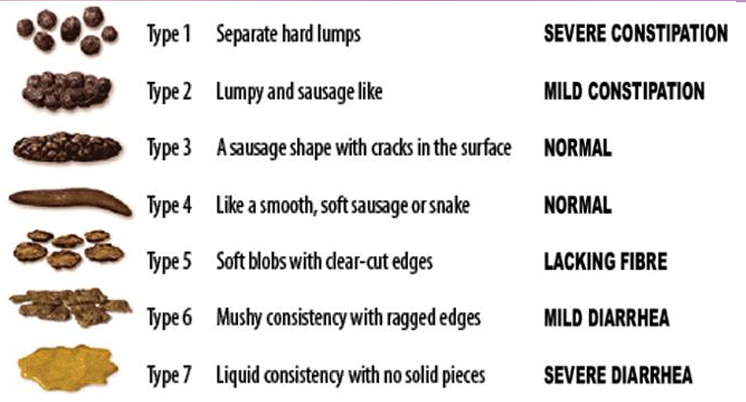
Why do you ask “Is there mucus, pus or blood?” in bowel function?
Mucus can be caused by inflammation in intestines Blood, ulcers, cancer
Why do you ask “Are stools greasy, frothy or foul smelling?“ in bowel function?
High fat content called steatorrhea. Lipase needed to break down fat. Causes pancreatic insufficiency, chronic pancreatitis, obstruction of bile duct, bacterial growth, celiac disease. Frothy - malabsorption
Why do you ask “Does it float on the surface?“ in bowel function?
Sinking stool, not enough fiber, color may also be dark from sitting for a while, or may be due to an infection
What does Dark blood indicate? What may it look like?
bleed farther up the GI tract
Tarry black stools, coffee grounds
What does Light blood indicate?
may be due to hemorrhoids
Lower GI bleeding (not as a bigger issue compared to dark)
The digestive system is important
Organs necessary for survival convey _____ messages
Pain changes ______
Pain can change _______
______ gives information about overall health
It’s ok to ask about it
pain
movement
postures
Digestion