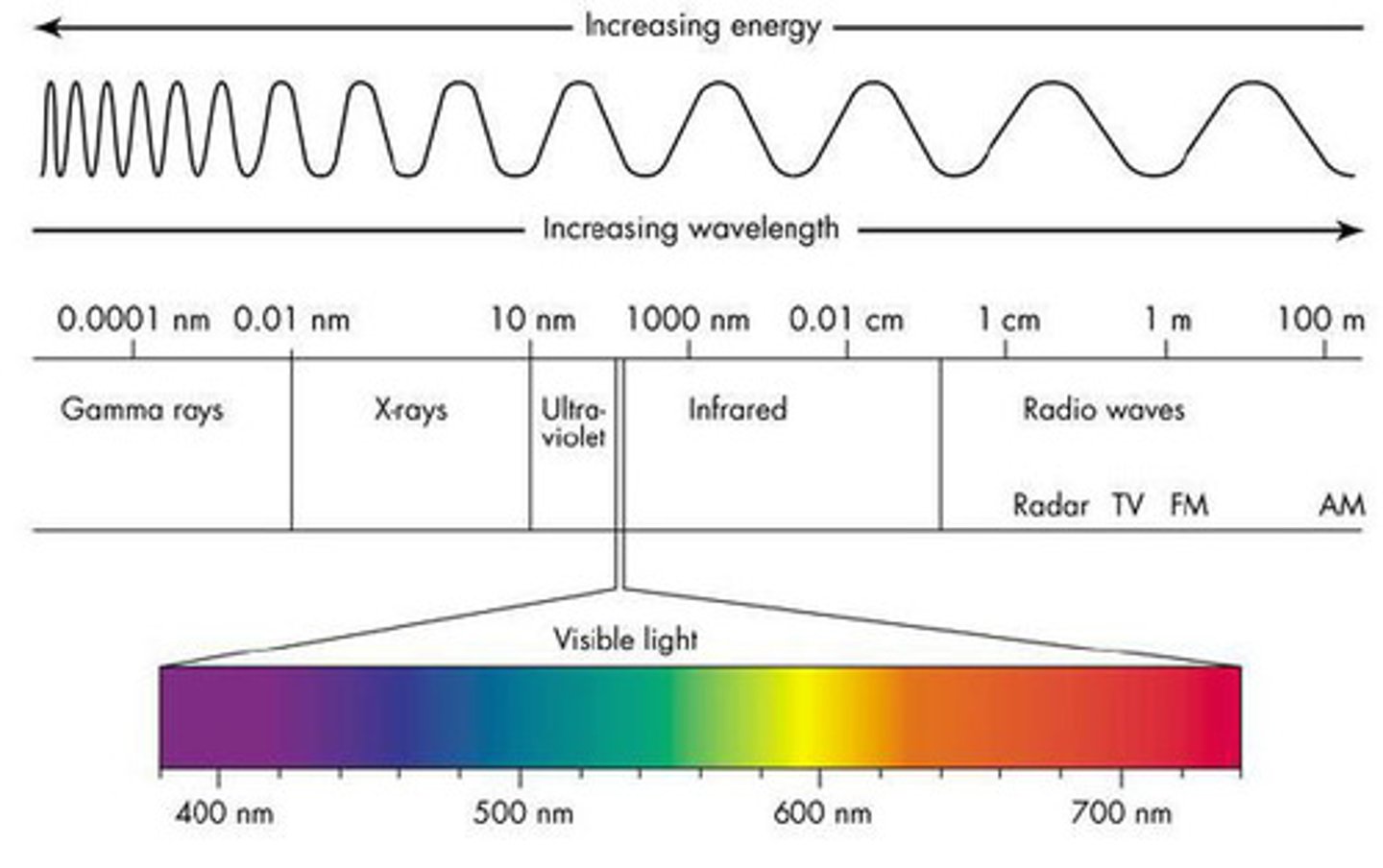
Waves Vocab
 Call Kai
 Learn
Learn Practice Test
 Spaced Repetition
 Match
Match Flashcards
1/25

There's no tags or description
Looks like no tags are added yet.
Name | Mastery | Learn | Test | Matching | Spaced | Call with Kai | Chat |
|---|

26 Terms
Medium
a material that carries a wave
Wave
a disruption that transfers energy from place to place
wave speed
the distance a wave travels over time
Vibration
a repeated back and forth or up and down motion
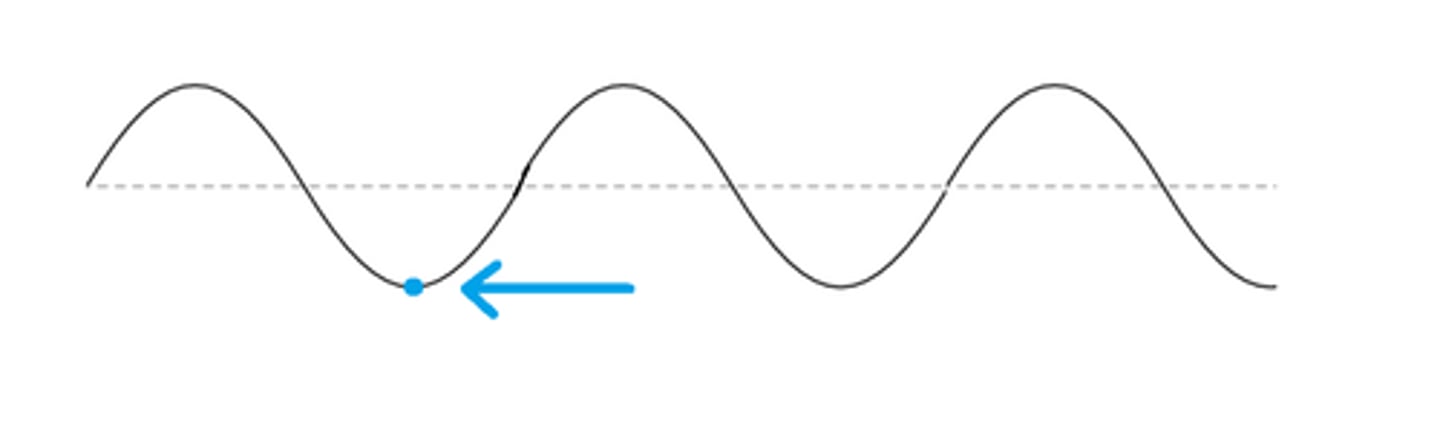
Transverse wave
a wave that moves the medium in a perpendicular (at right angles) motion to the direction the wave travels
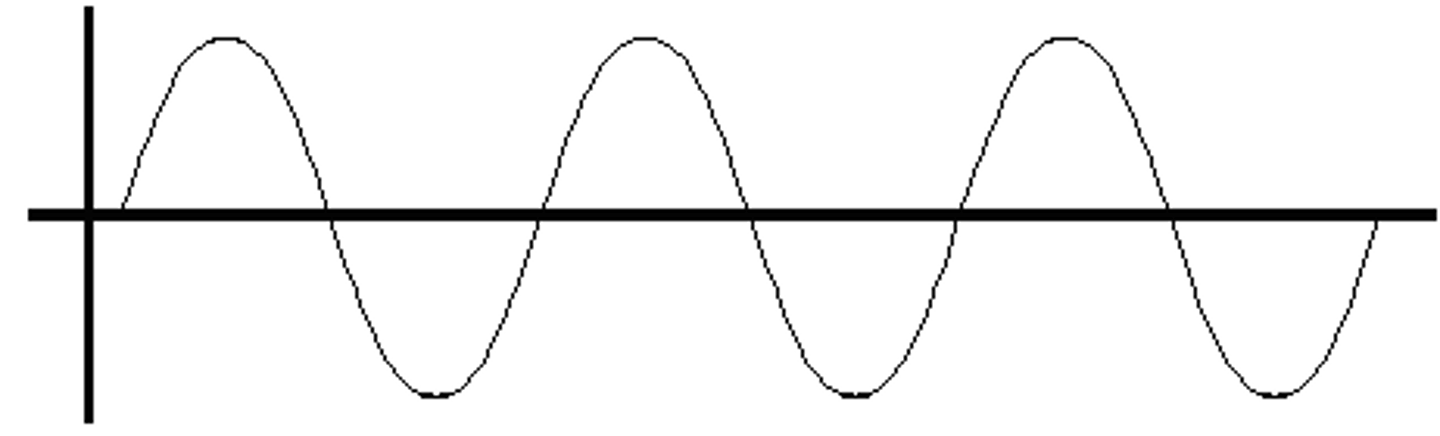
crest
the highest part of a transverse wave
Trough
the lowest part of a transverse wave
Longitudinal wave
a wave that moves the medium the same direction the wave is traveling
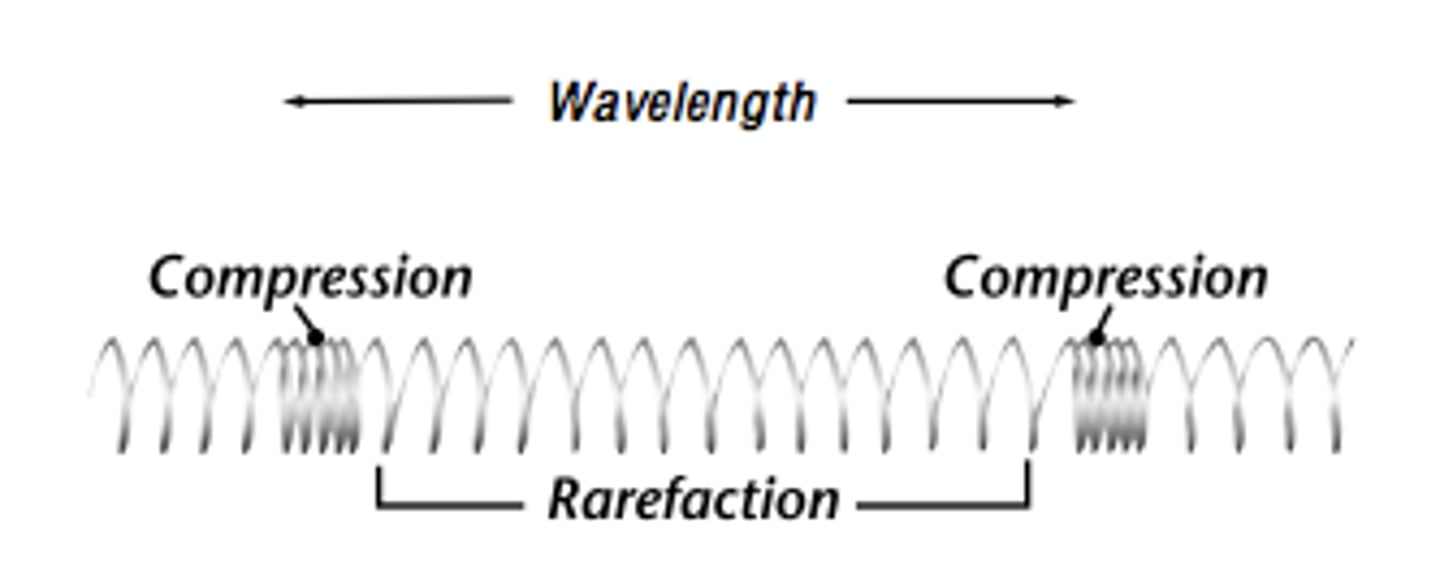
Compression
the part of the longitudinal wave that is squished together
Rarefaction
the part of the longitudinal wave that is stretched apart
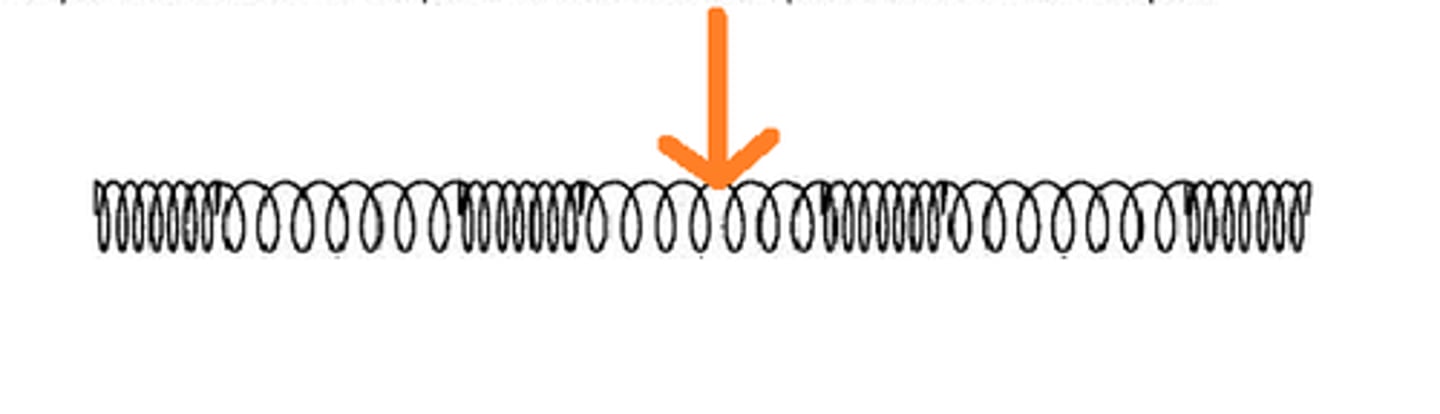
Amplitude
the height from the rest line to the crest on a transverse wave or how squished the compression is on a longitudinal wave
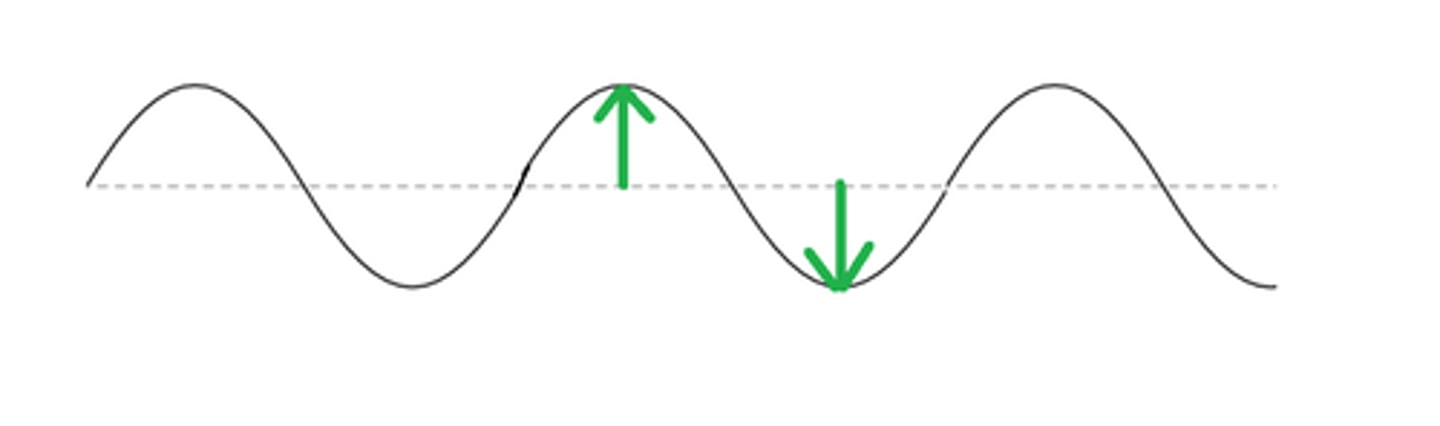
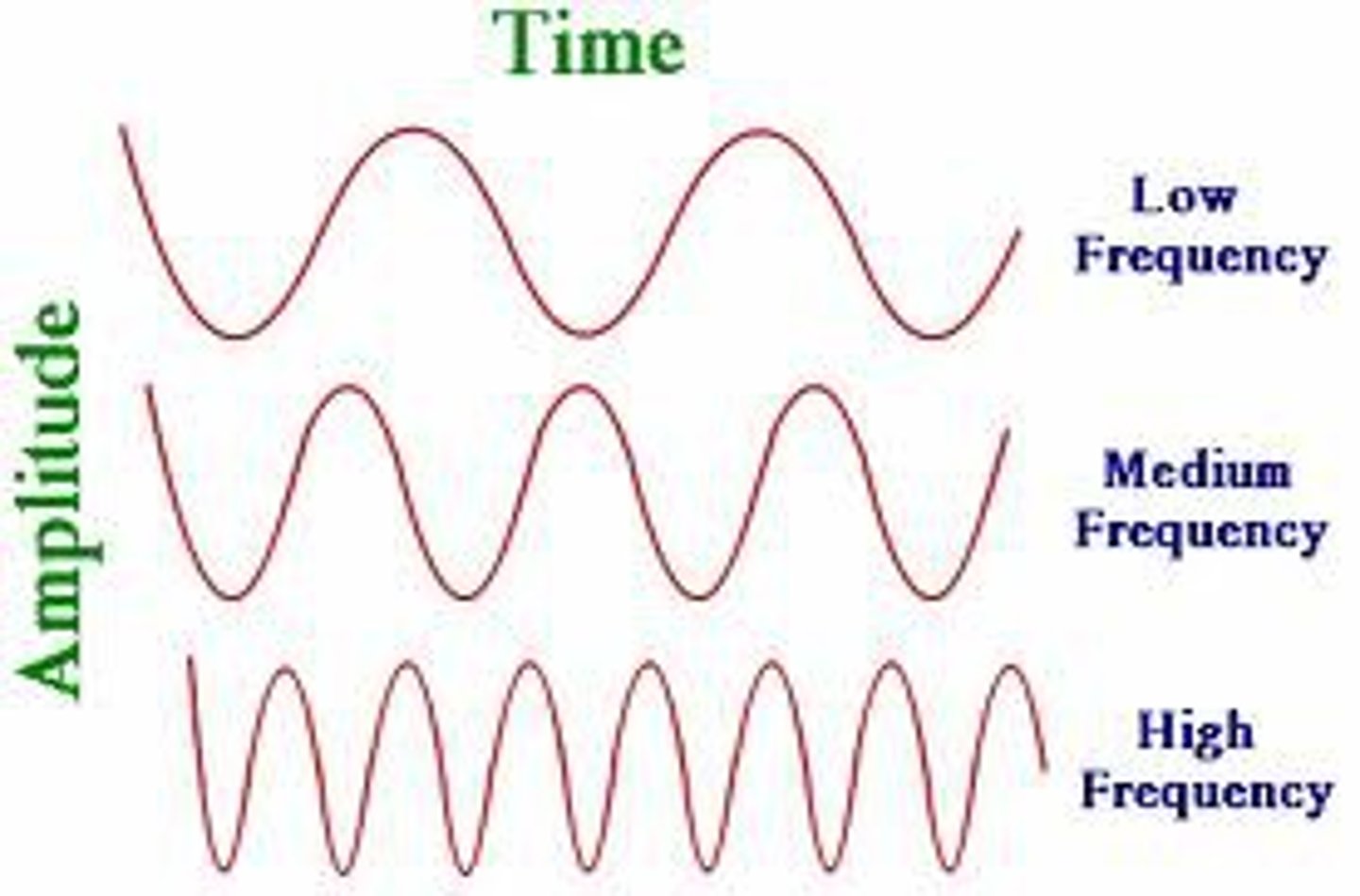
Frequency
how many complete waves pass a given point over time
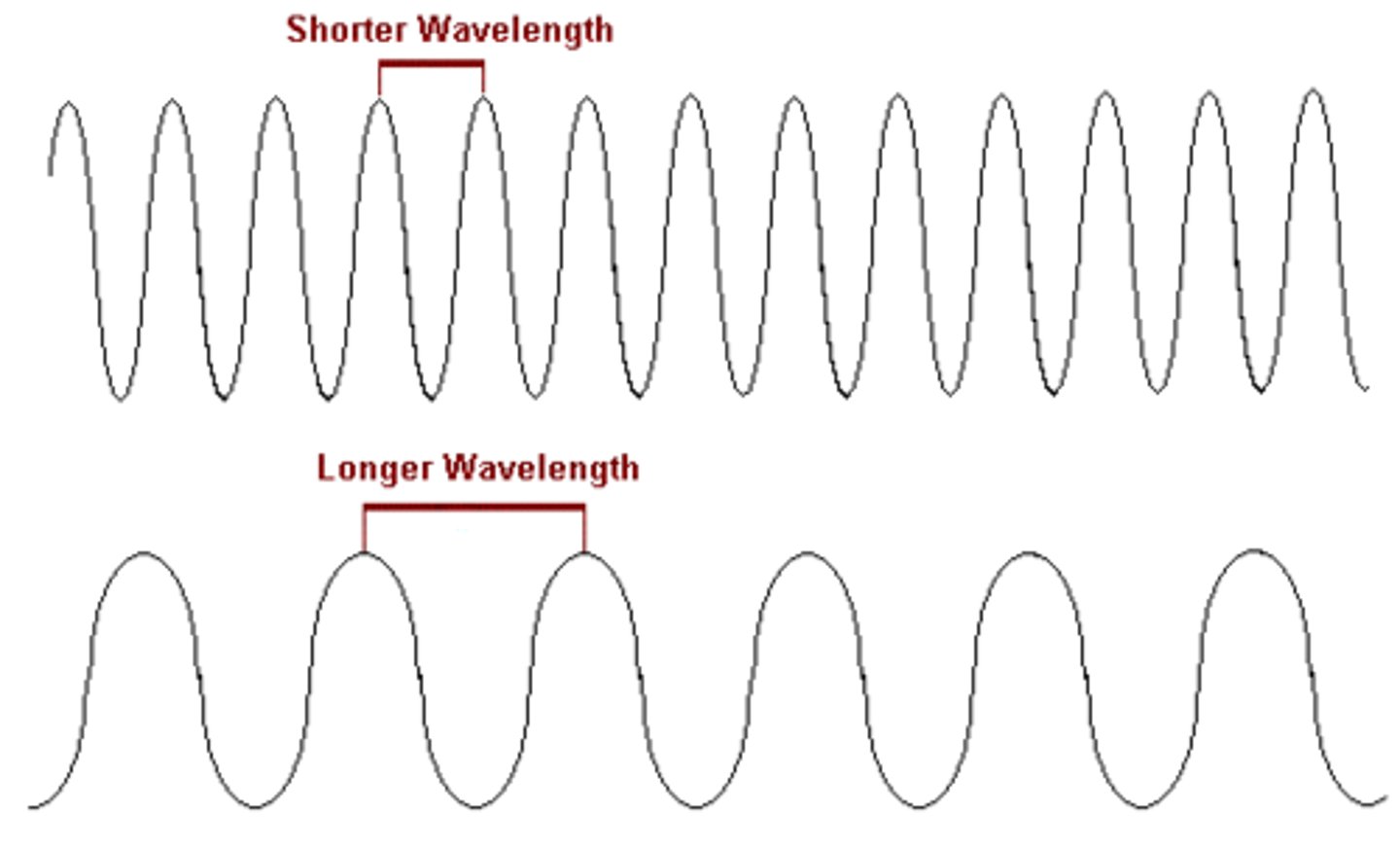
Wavelength
distance between the same part on two waves (crest to crest or compression to compression)
Hertz
unit for frequency
Reflection
when a wave hits a surface and bounces back

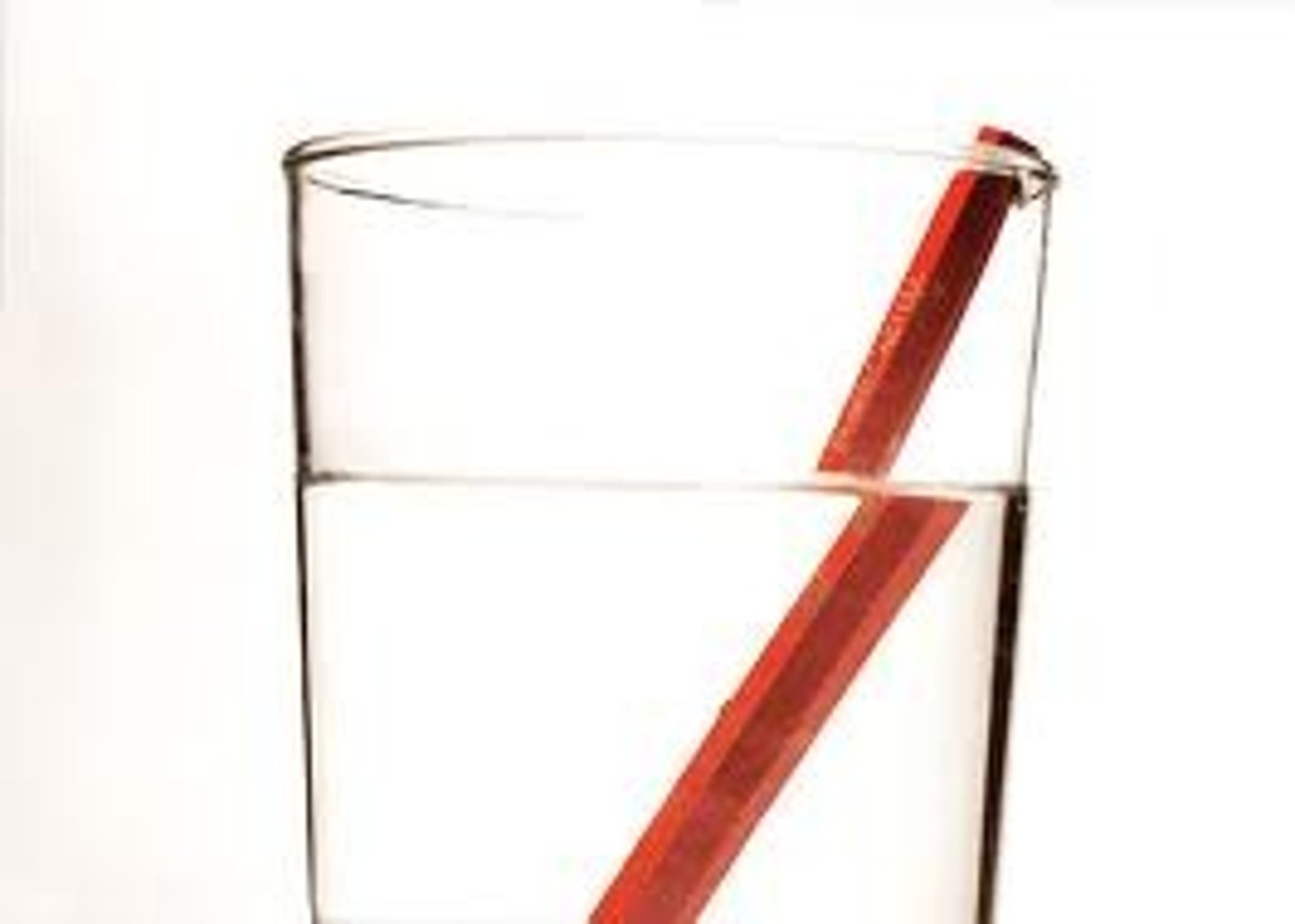
Refraction
when a wave bends because of a change in speed (usually because it entered a new medium)
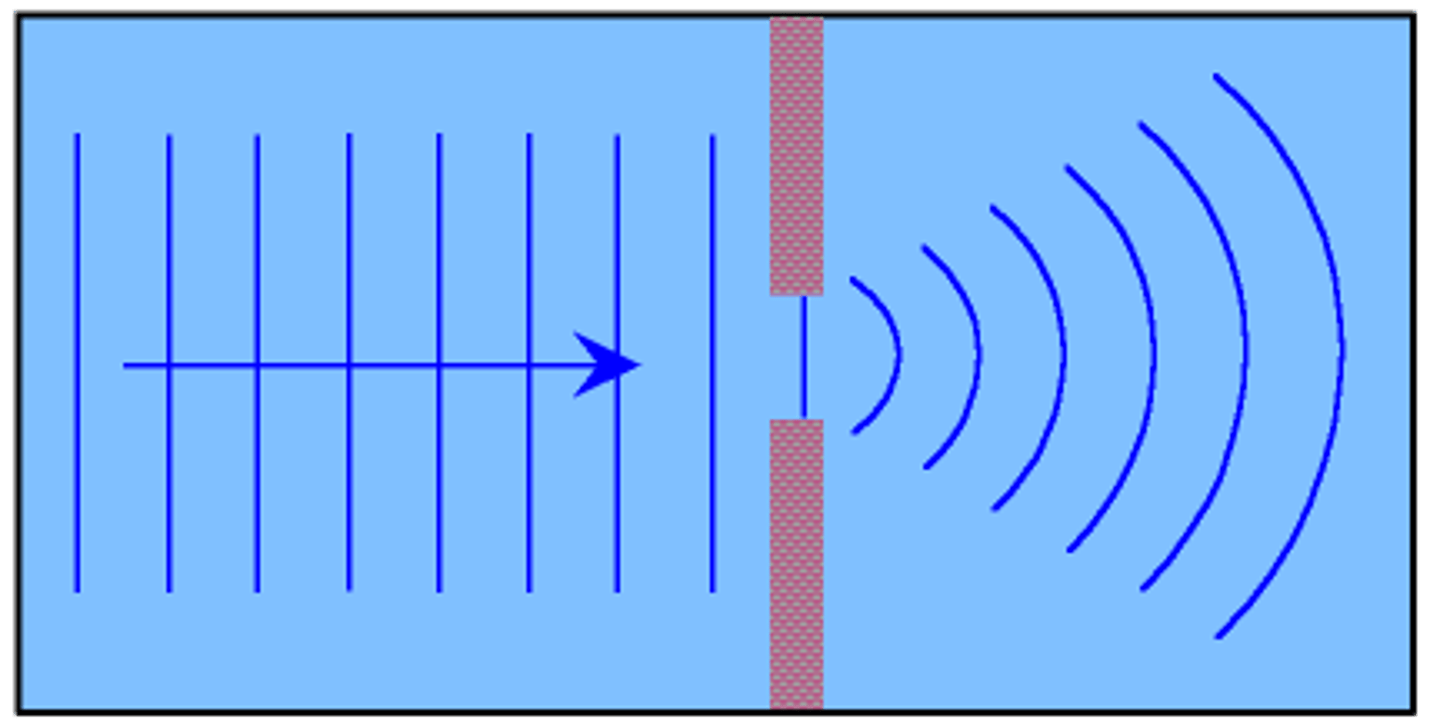
Diffraction
when a wave bends and spreads out around or through a barrier
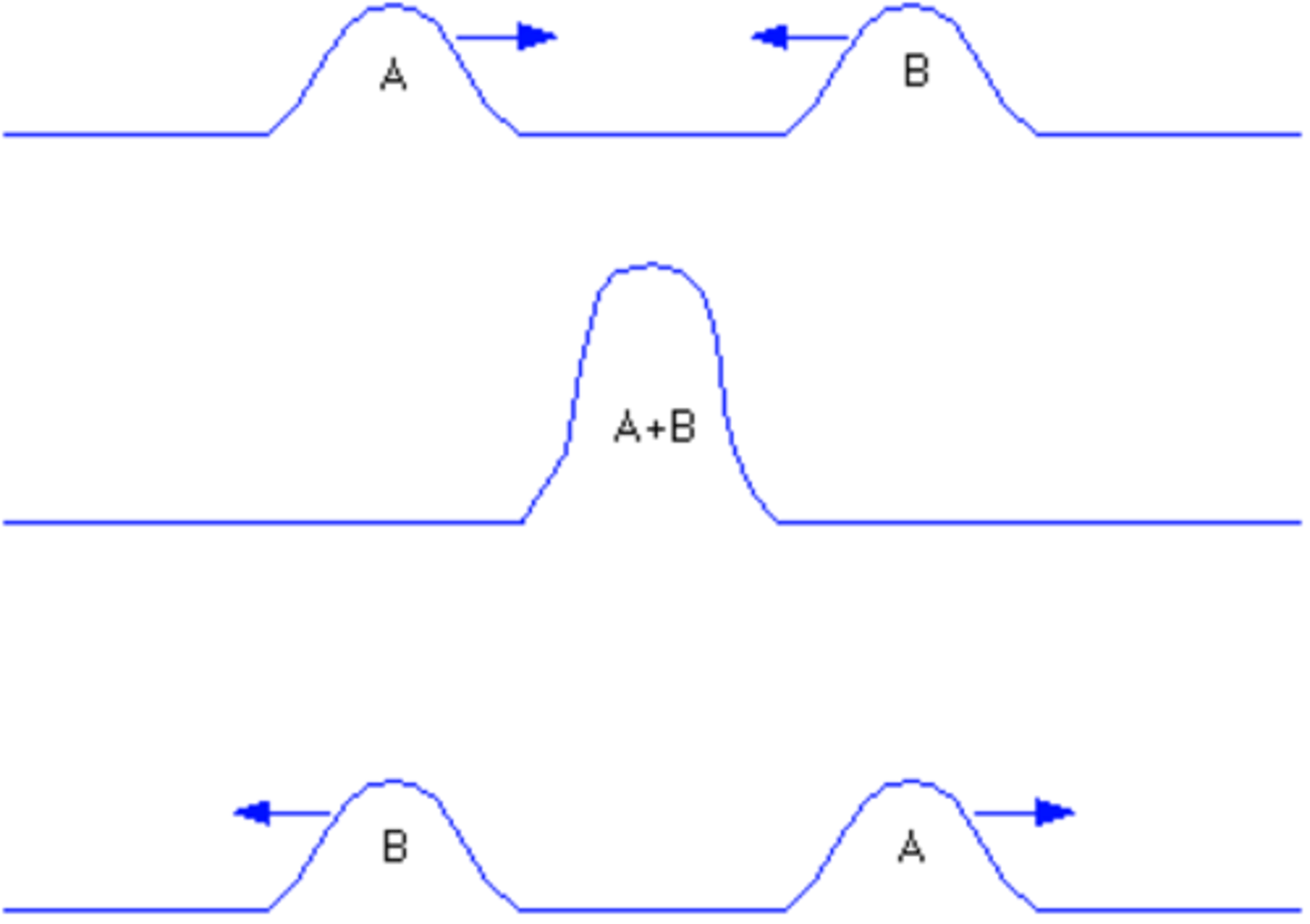
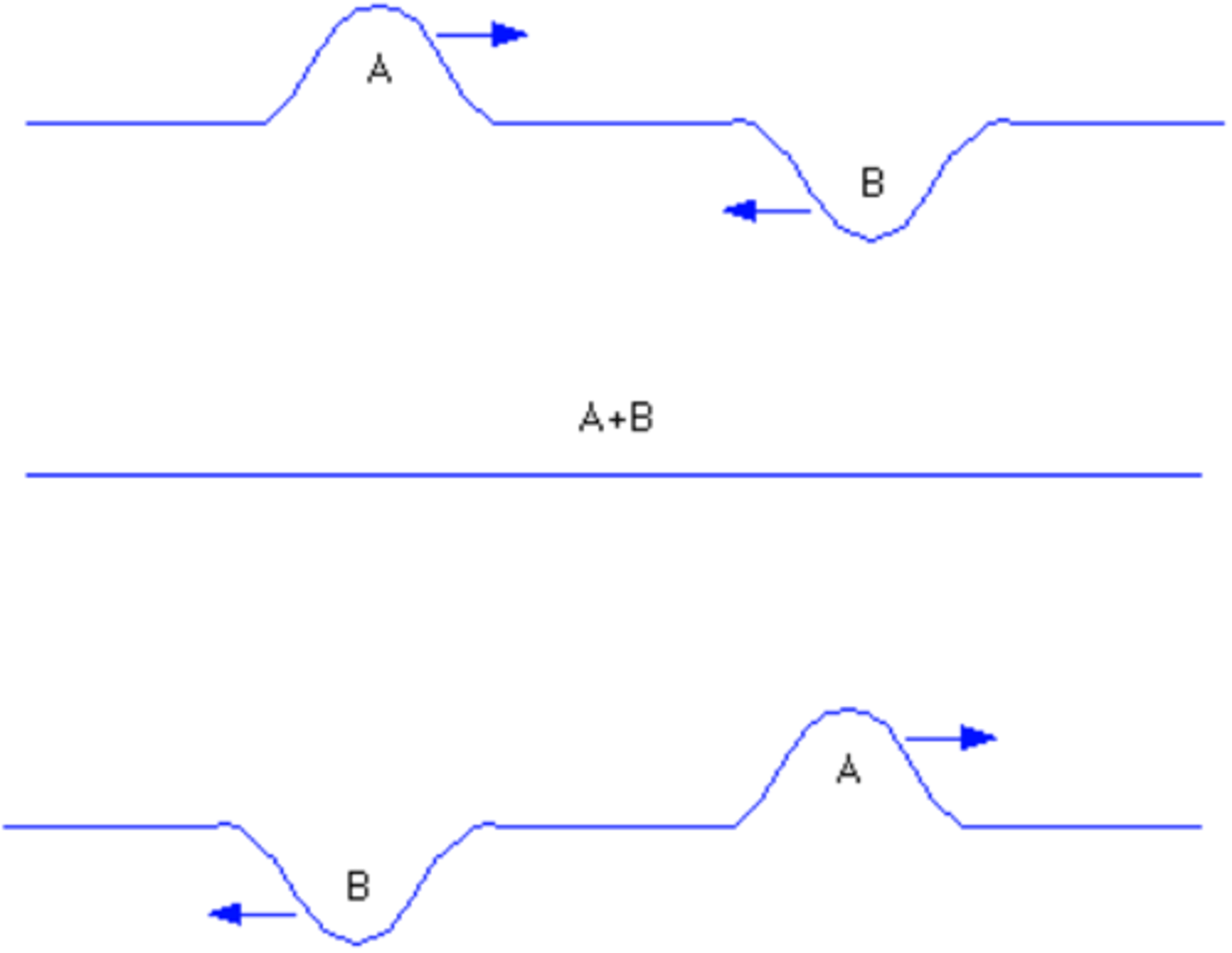
Interference
when two waves meet and interact
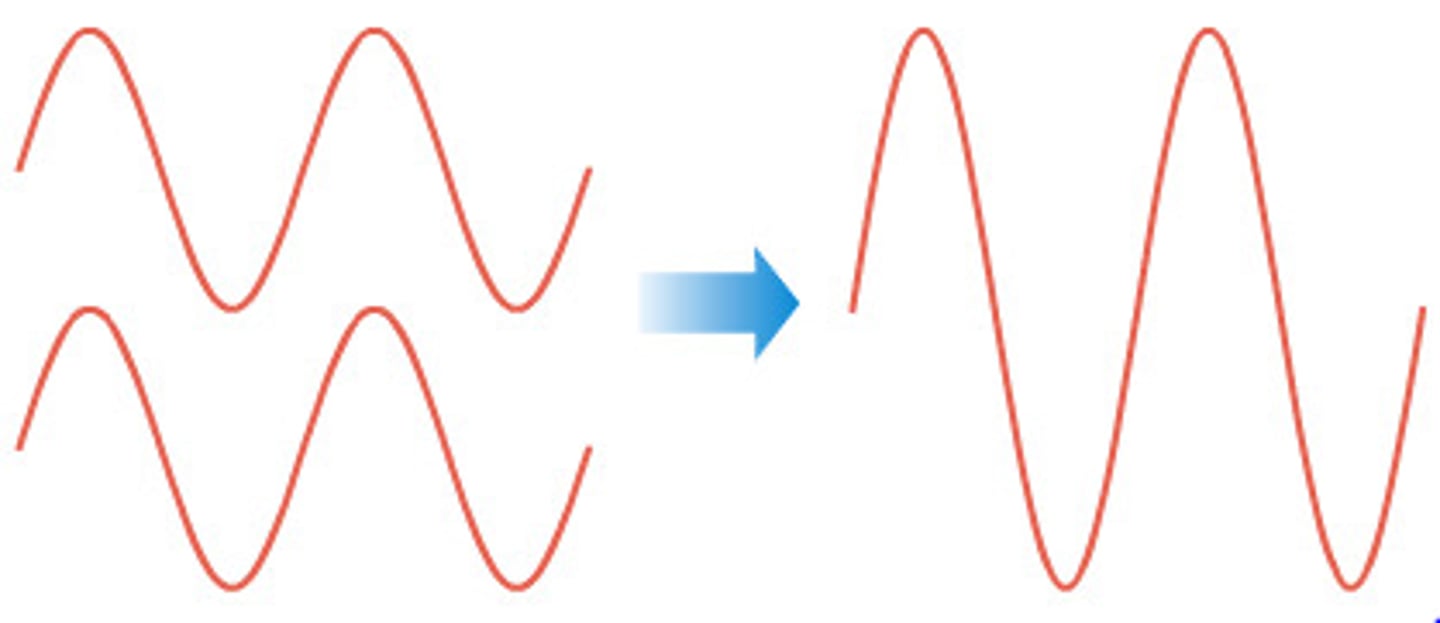
Constructive interference
when two waves meet and make a wave with a larger amplitude
Destructive interference
when two wave meet and make a wave with a smaller amplitude
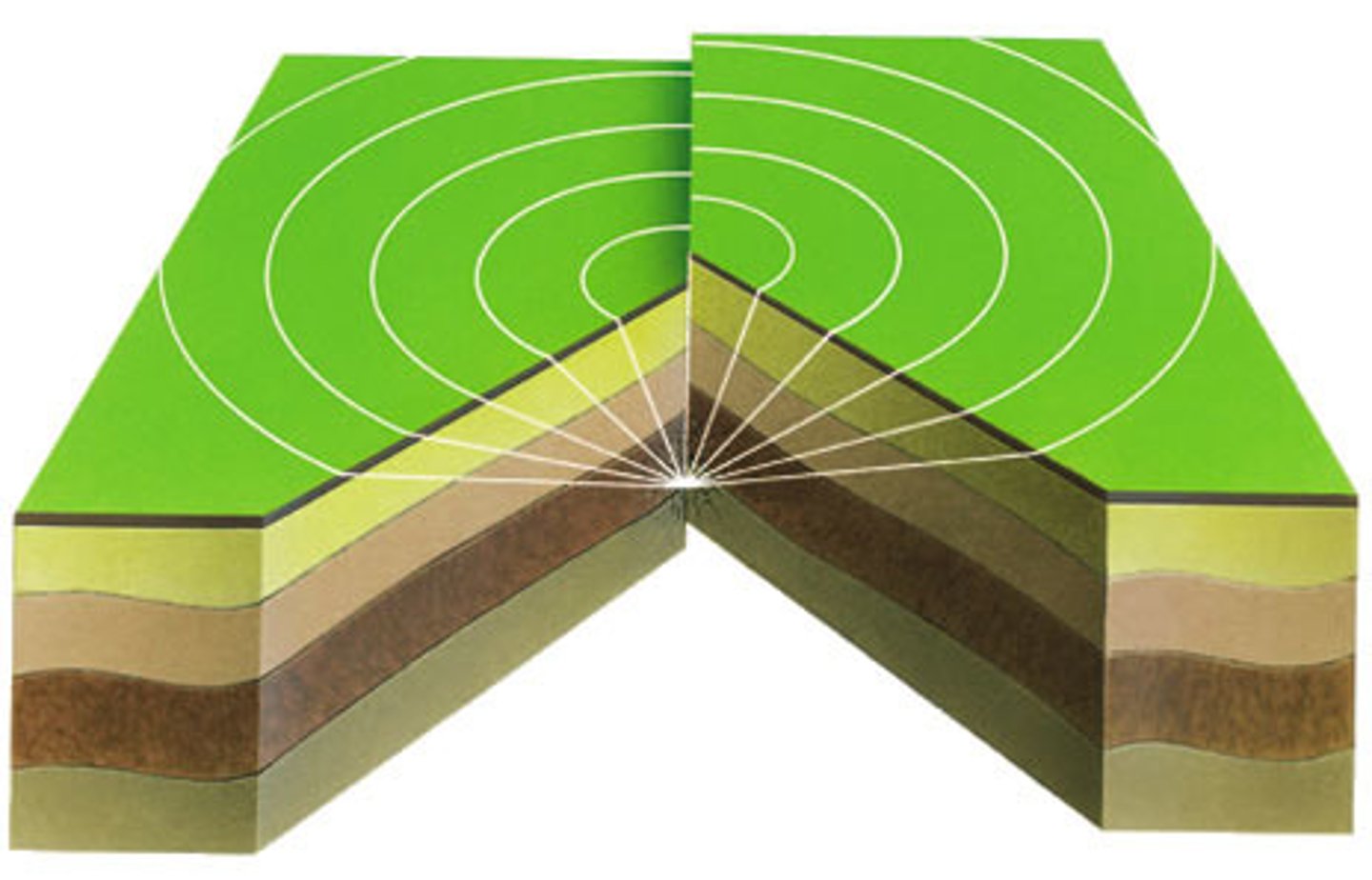
Seismic waves
earthquake waves
P waves
also called primary waves, longitudinal seismic waves
S waves
also called secondary waves, transverse seismic waves
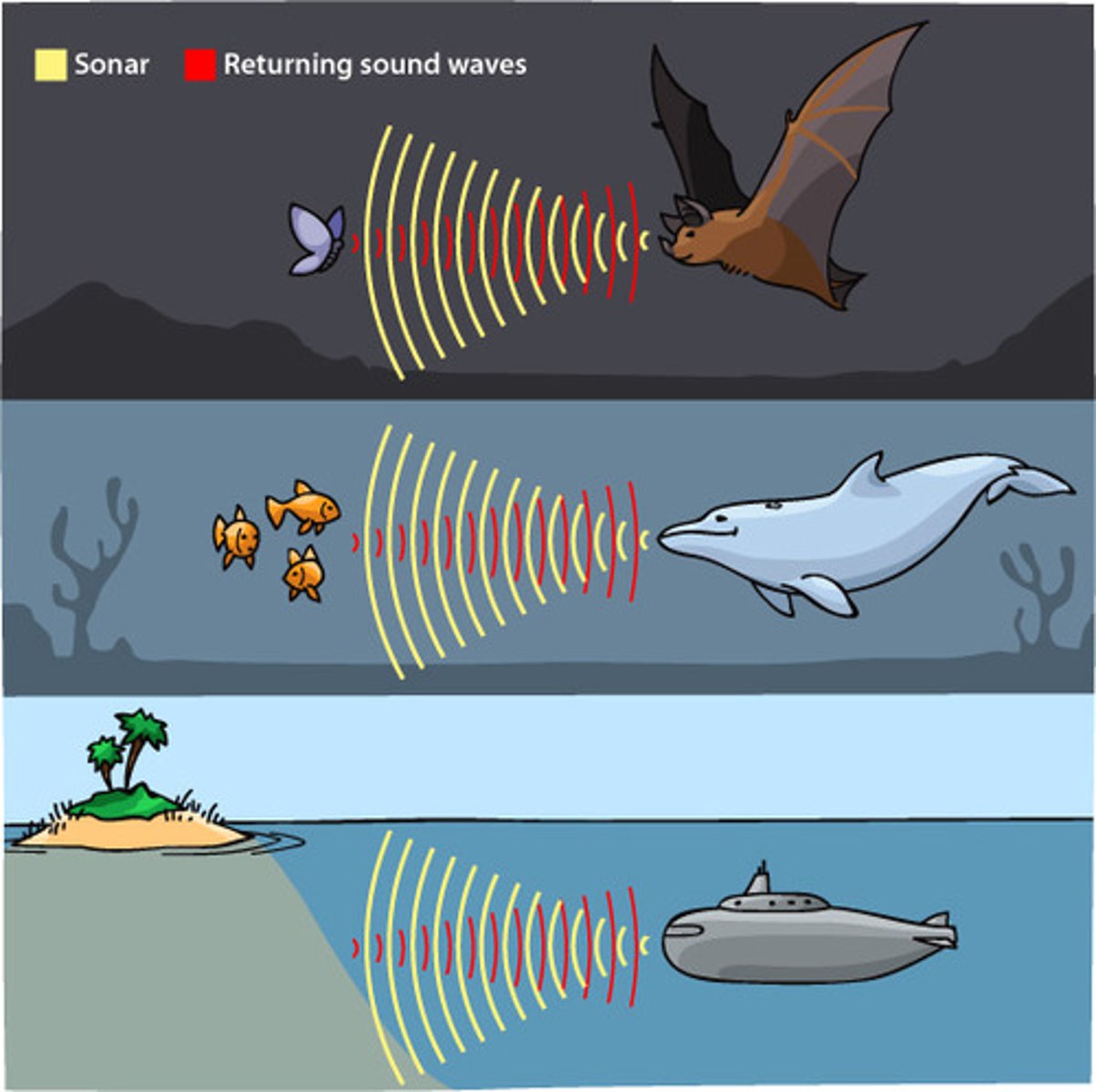
ecolocation
when animals use reflected sound waves to find things or communicate
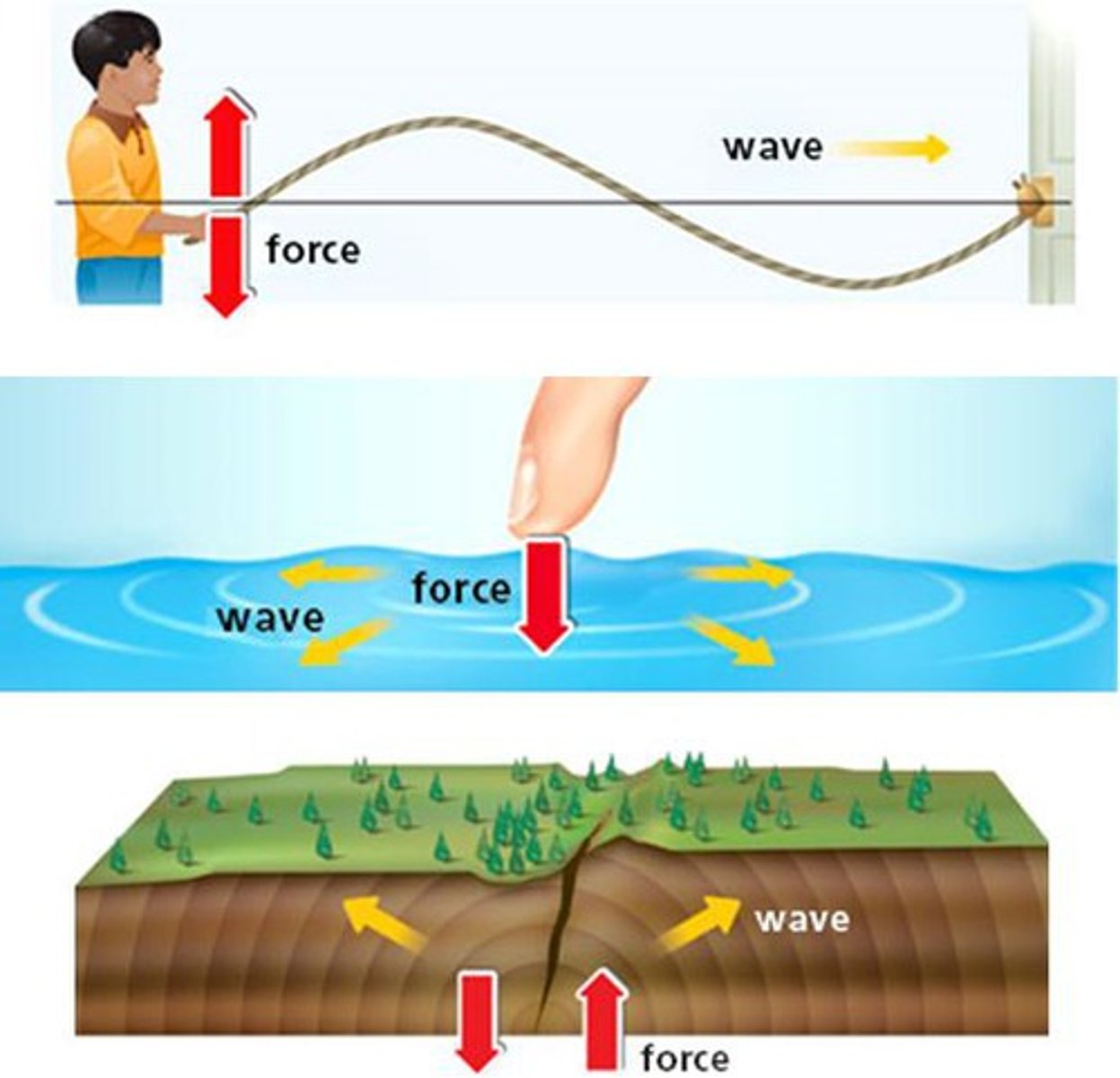
mechanical wave
a wave that requires a medium to travel
electromagnetic wave
a wave that does not require a medium to travel, can travel through empty space