Ch 14 HW CNS
 Call Kai
 Learn
 Practice Test
 Spaced Repetition
 Match
 Flashcards
 Knowt Play
1/268

269 Terms

Identify the function region of the cerebral cortex.
Primary motor cortex
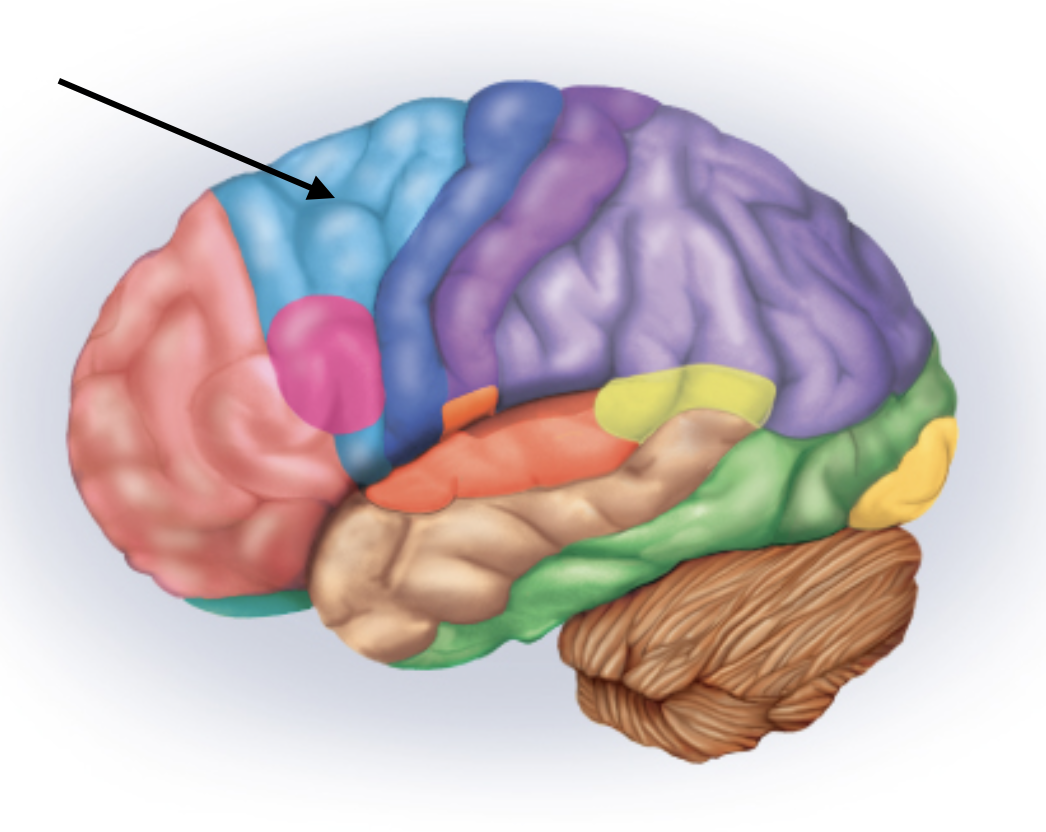
Identify the functional region of the cerebral cortex.
Motor association area

Identify the functional region of the cerebral cortex.
Broca area

Identify the functional region of the cerebral cortex.
Olfactory association area

Identify the functional region of the cerebral cortex.
Primary somesthetic cortex
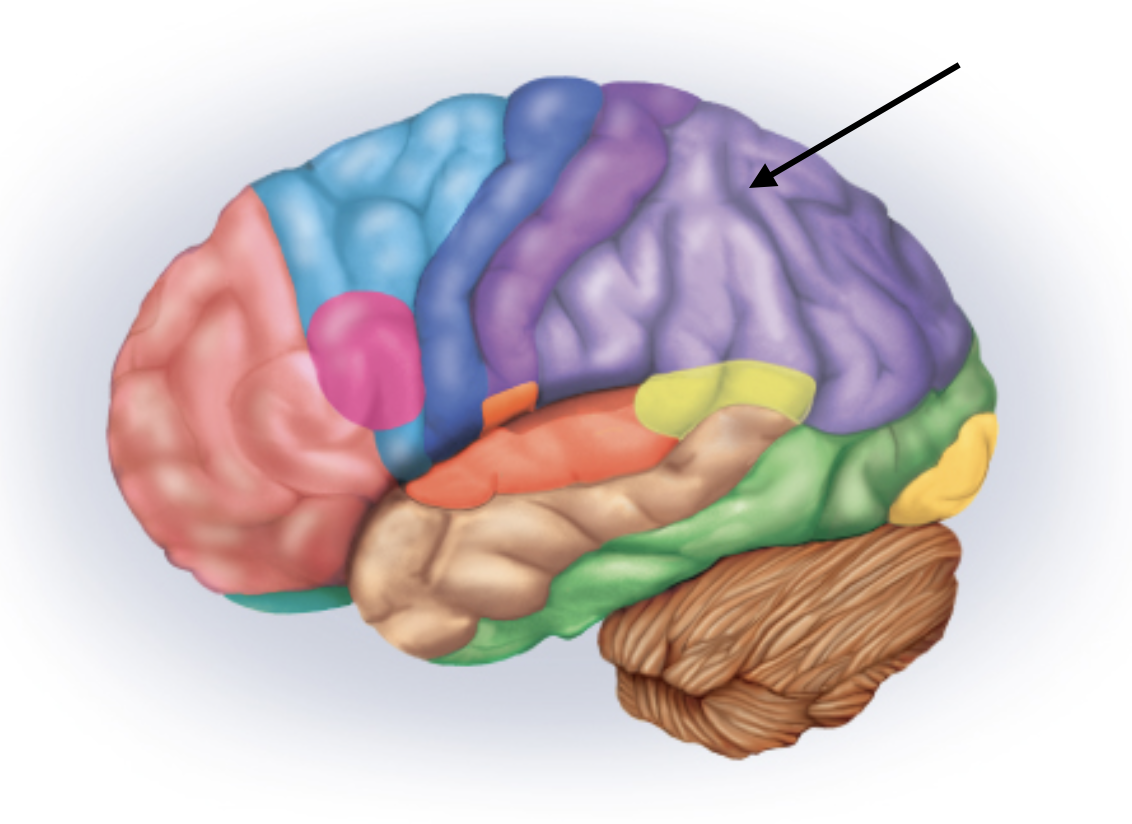
Identify the functional region of the cerebral cortex.
Somesthetic association area
Which of the following is a true statement regarding the organization of the human neocortex?
Both A and B are correct.
Which of the following is NOT a general (aka somatosensory or somatic) sense?
Smell

Identify the ventricle or associated structure.
Superior sagittal sinus

Identify the ventricle or associated structure.
Lateral ventricle
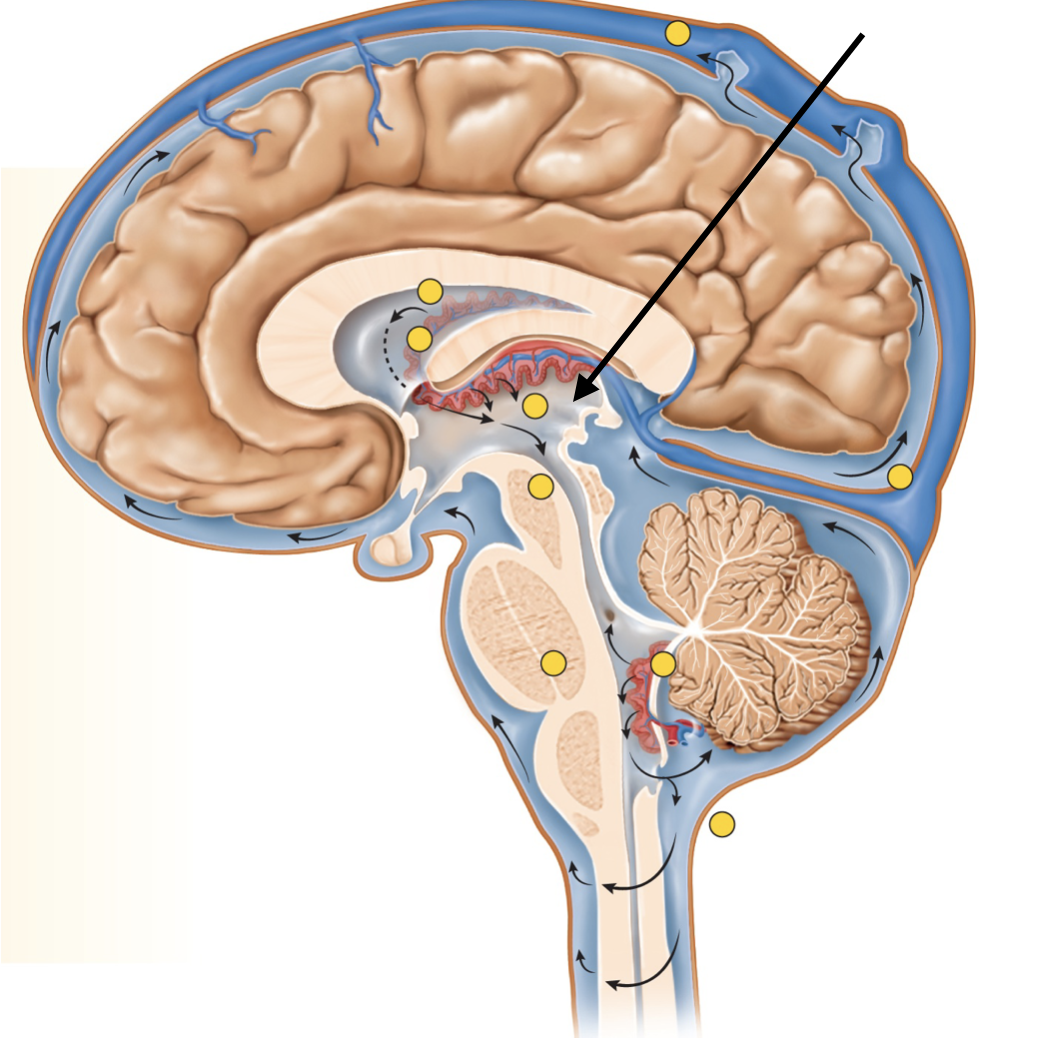
Identify the ventricle or associated structure.
Third ventricle

Identify the ventricle or associated structure.
Subarachnoid space
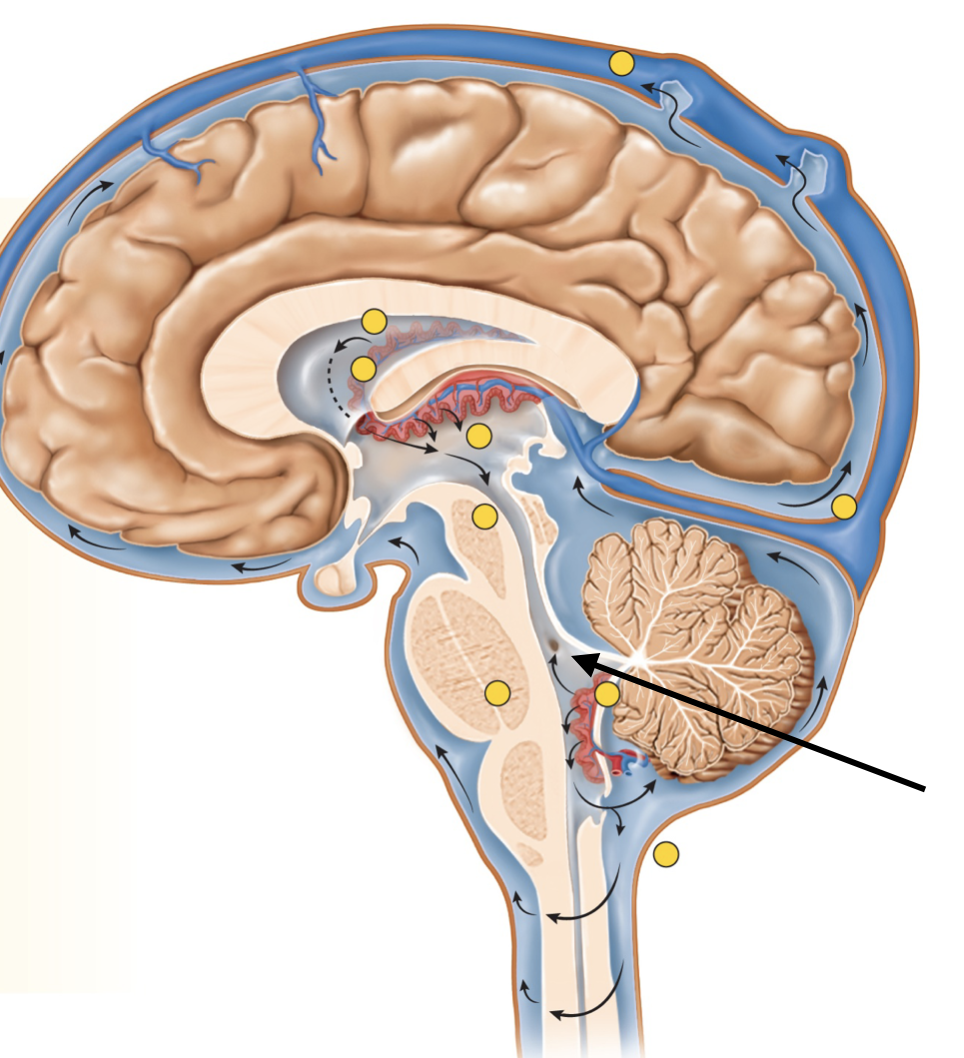
Identify the ventricle or associated structure.
Fourth ventricle

Identify the ventricle or associated structure.
Cerebral aqueduct

Identify the structure of the thalamus.
Medial geniculate nucleus
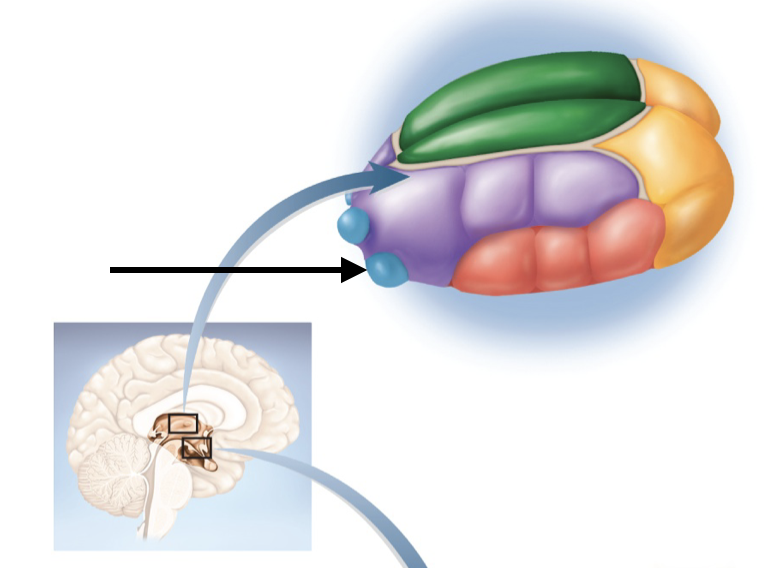
Identify the structure of the thalamus.
Lateral geniculate nucleus

Identify the structure.
Superior colliculus
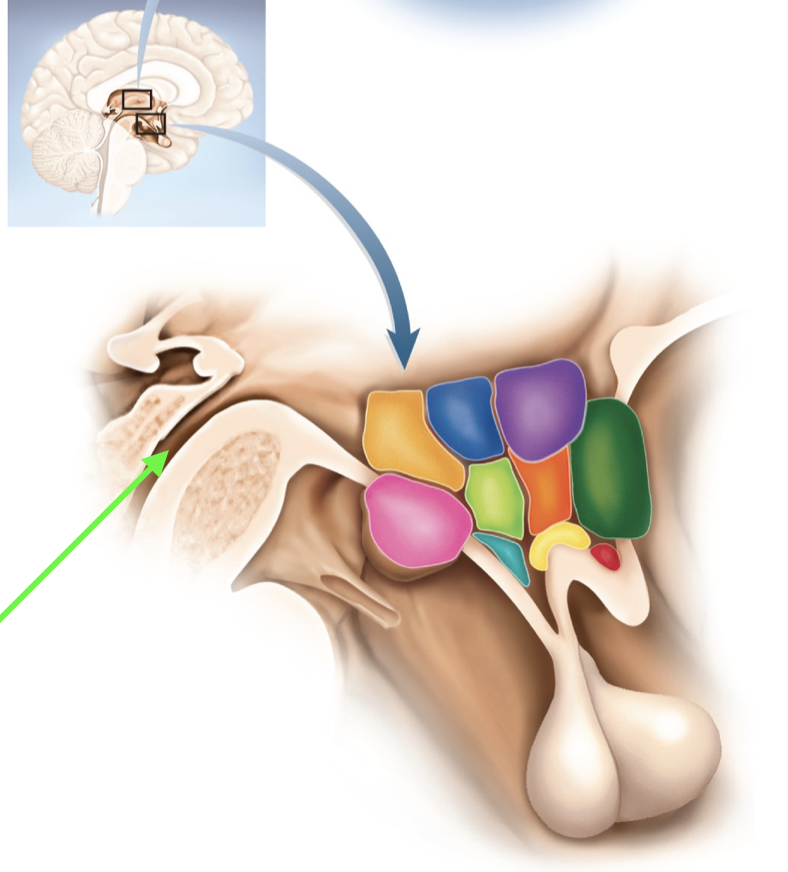
Identify the structure.
Cerebral aqueduct

Identify the structure.
Mammillary body

Identify the structure.
Pituitary gland

Identify the structure.
Infundibulum

Identify the functional region of the cerebral cortex.
Primary gustatory cortex

Identify the functional region of the cerebral cortex.
Wernicke area
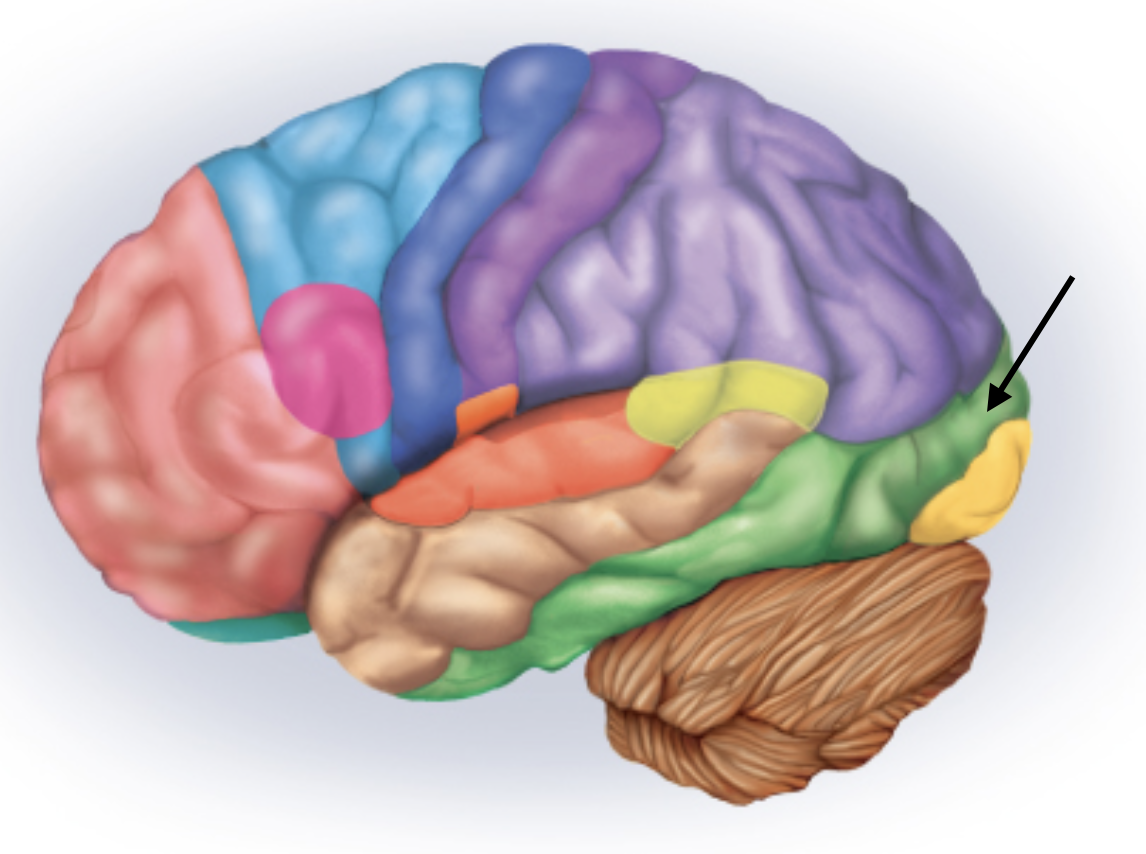
Identify the functional region of the cerebral cortex.
Visual association area
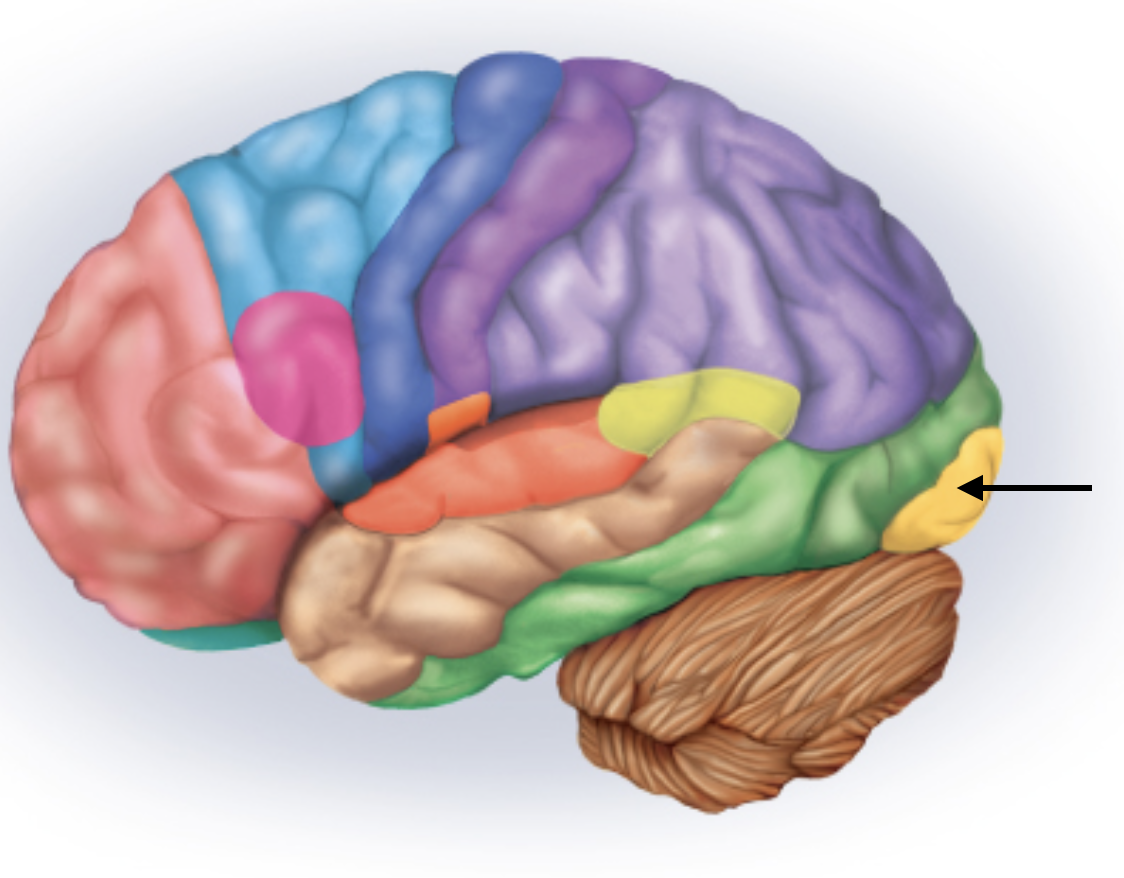
Identify the functional region of the cerebral cortex.
Primary visual cortex

Identify the functional region of the cerebral cortex.
Primary auditory cortex
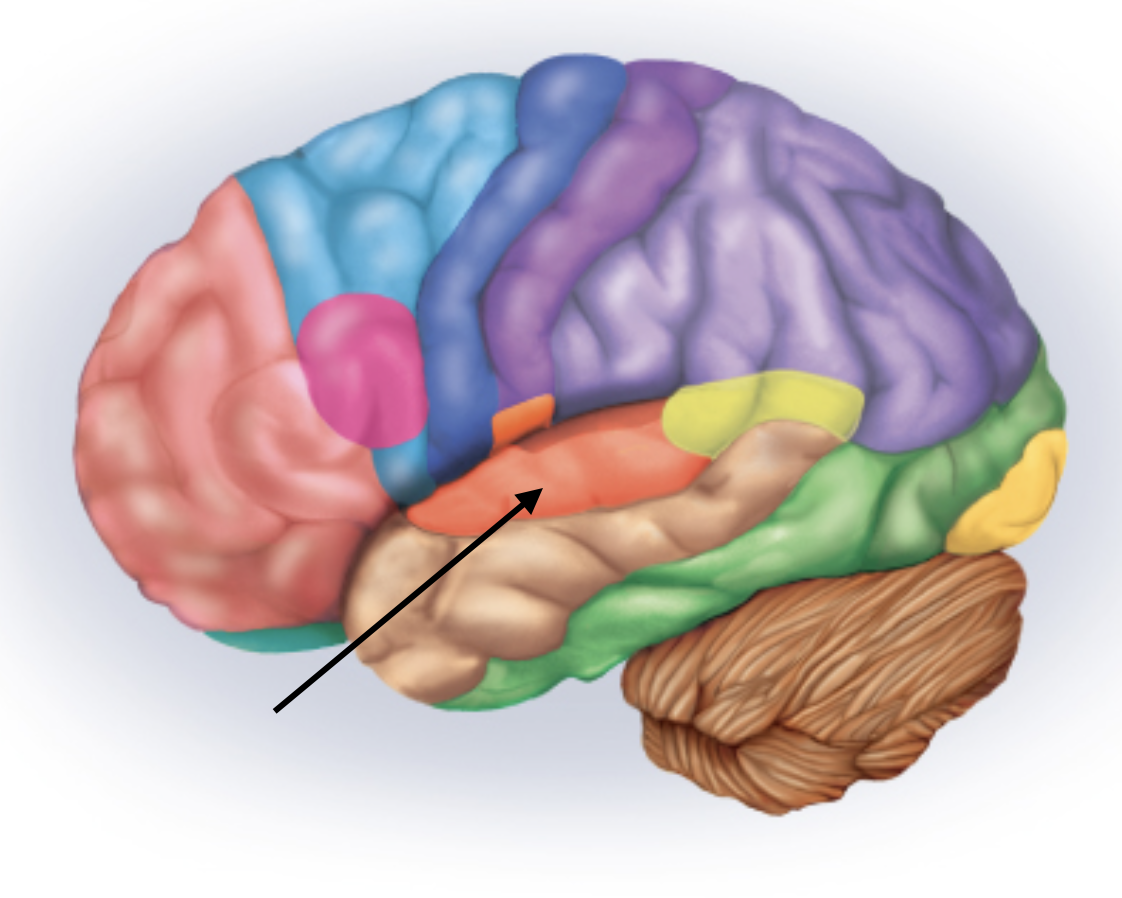
Identify the functional region of the cerebral cortex.
Auditory association area
Which of the statements regarding reflexes is false?
Reflexes involve efferent nerve fibers.
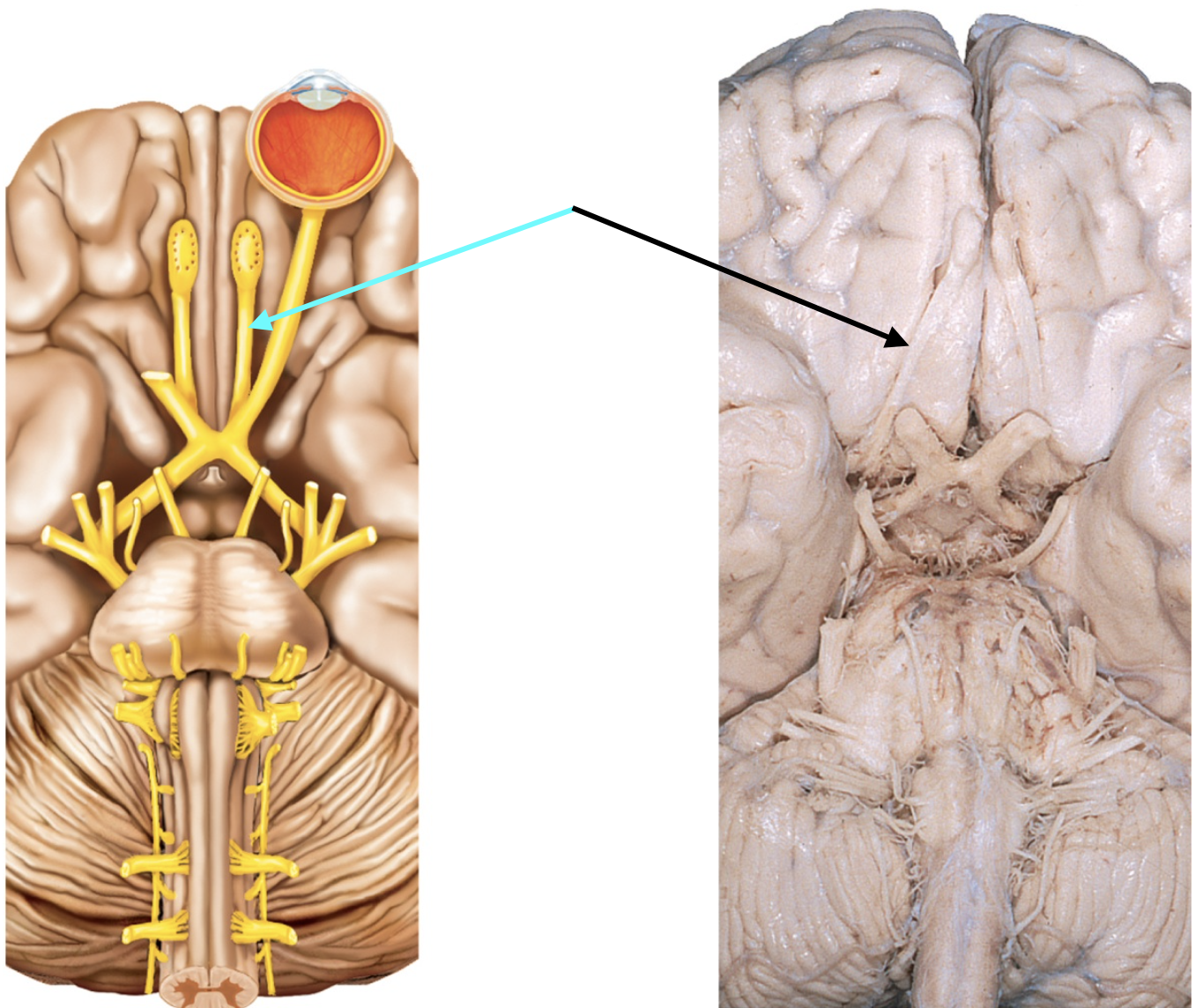
Identify the cranial nerve.
Olfactory tract

Identify the cranial nerve.
Oculomotor nerve
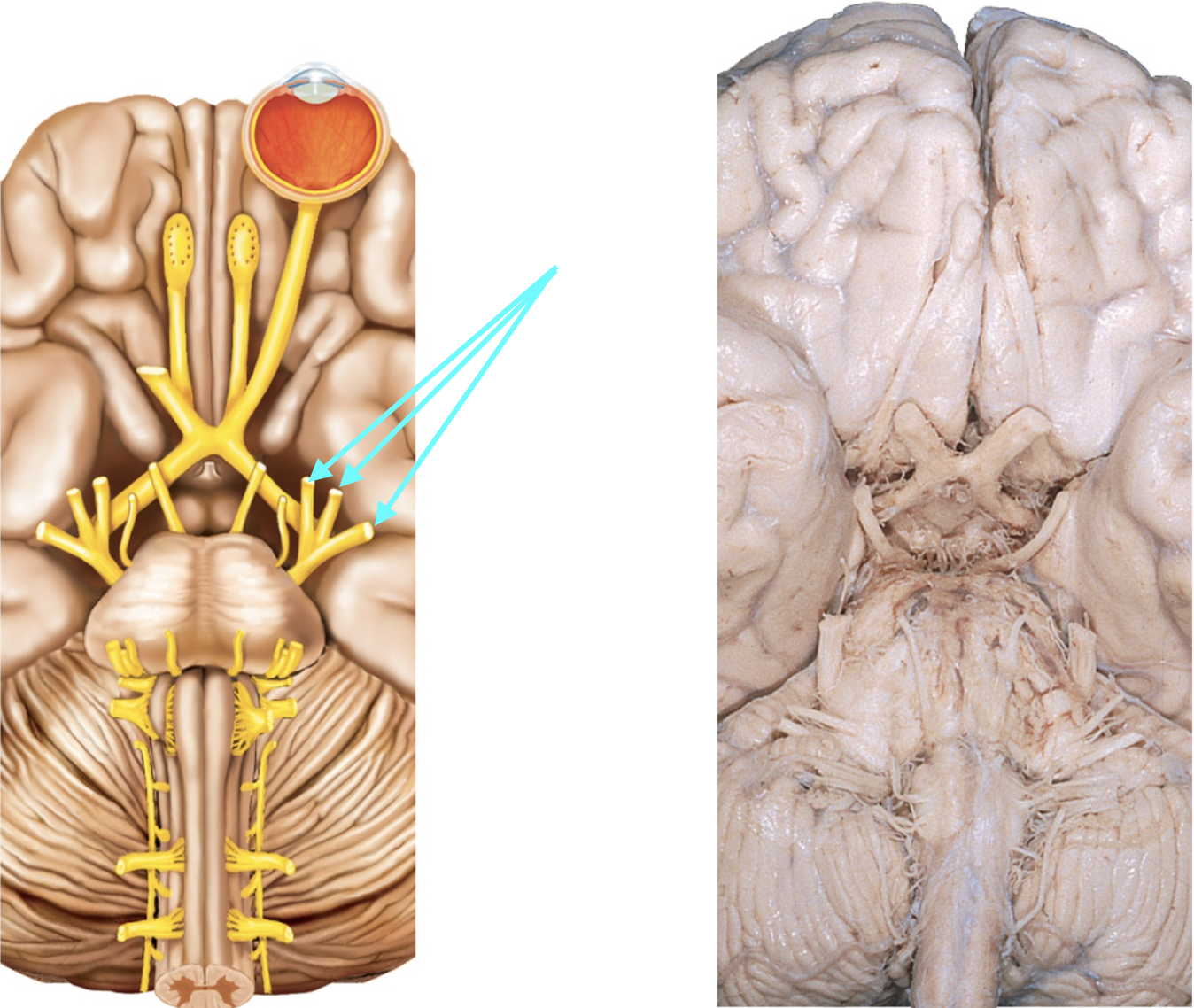
Identify the cranial nerve.
Trigeminal nerve

Identify the cranial nerve.
Abducens nerve

Identify the cranial nerve.
Facial nerve

Identify the cranial nerve.
Glossopharyngeal nerve

Identify the cranial nerve.
Accessory nerve

Identify the cranial nerve.
Optic nerve

Identify the cranial nerve.
Trochlear nerve

Identify the cranial nerve.
Vestibulocochlear nerve

Identify the cranial nerve.
Vagus nerve

Identify the cranial nerve.
Hypoglossal nerve

Identify the structure associated with the anatomy of a ganglion.
Posterior root ganglion
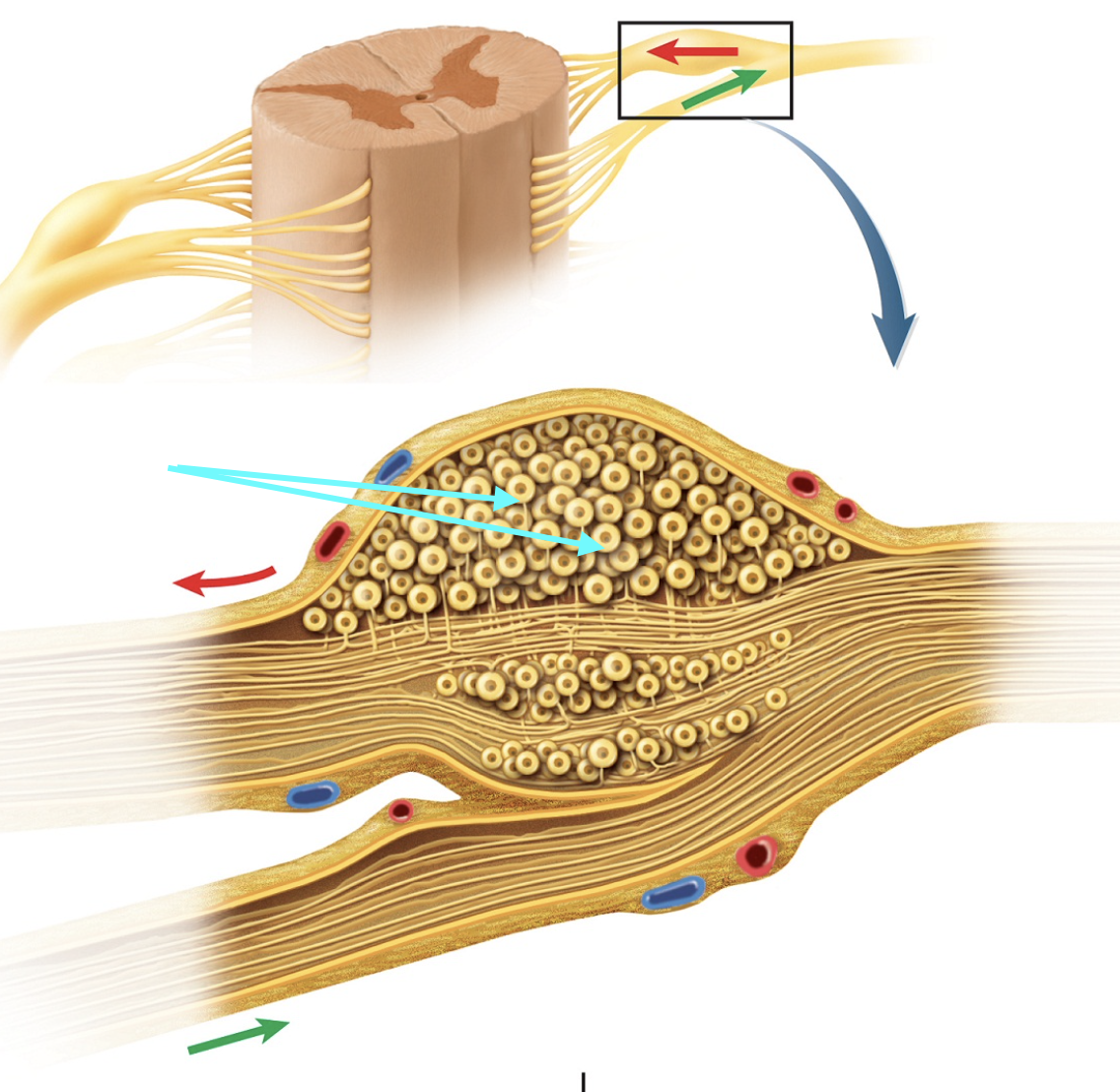
Identify the structure associated with the anatomy of a ganglion.
Somatosensory neurons

Identify the structure associated with the anatomy of a ganglion.
Sensory nerve fibers

Identify the structure associated with the anatomy of a ganglion.
Motor nerve fibers
The reflex that results in one quickly removing one's hand from a hot stove is the _______ reflex.
flexor (withdrawal)
Regarding a flexor/withdrawal reflex, the hot stove is the stimulus that triggers the _______.
receptor
Regarding the flexor/withdrawal reflex, the afferent neuron synapses with a(n) ________, which then synapses with the efferent neuron.
interneuron
Regarding the flexor/withdrawal reflex, the elbow extensors are inhibited to allow the response. These muscles are the _______.
reciprocal inhibition

Identify the GREEN structure associated with the rami of the spinal nerves.
Posterior ramus

Identify the GREEN structure associated with the rami of the spinal nerves.
Anterior ramus
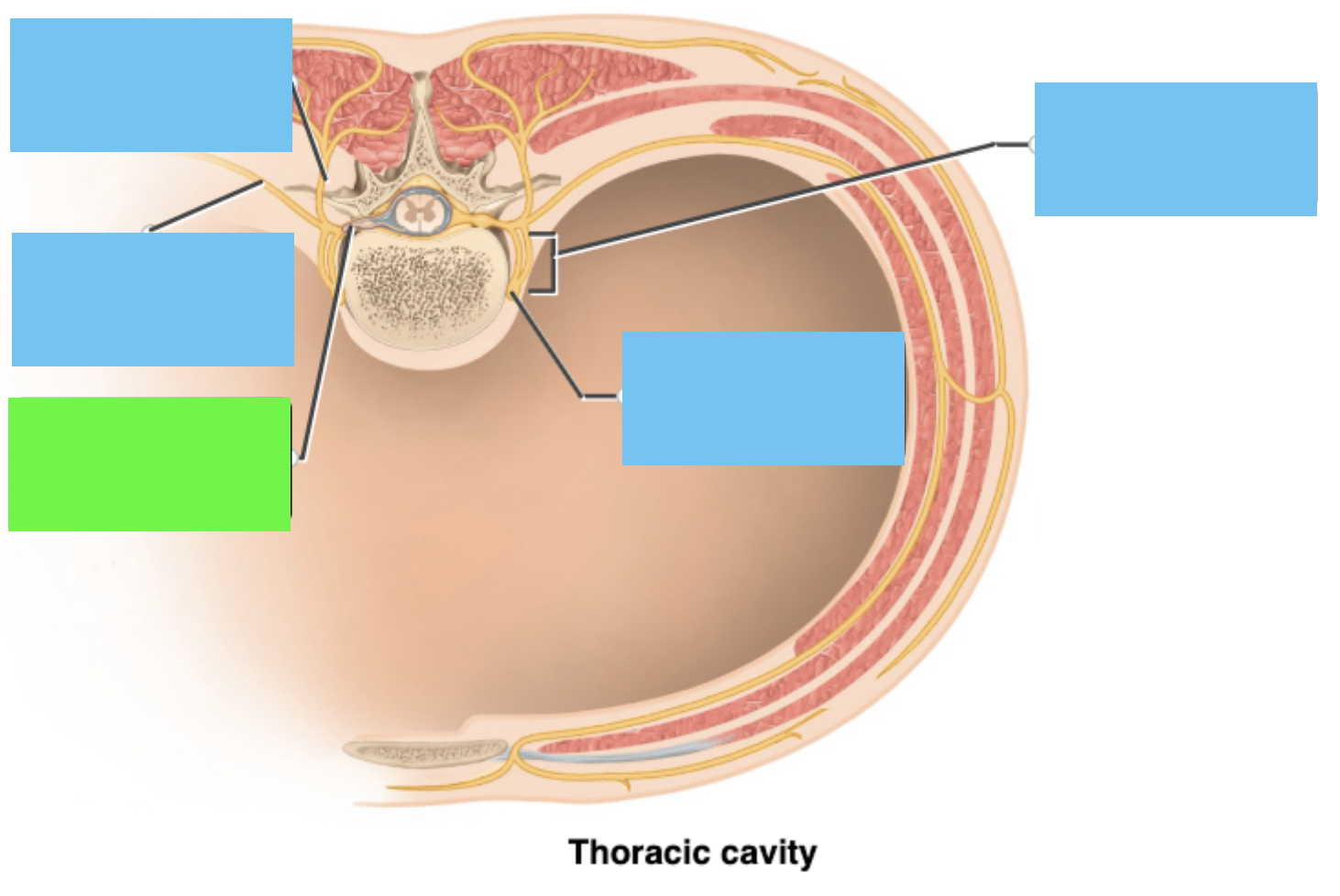
Identify the GREEN structure associated with the rami of the spinal nerves.
Spinal nerve

Identify the GREEN structure associated with the rami of the spinal nerves.
Sympathetic chain ganglion

Identify the GREEN structure associated with the rami of the spinal nerves.
Communicating rami

Identify the anatomical feature of the cerebellum and nearby structures.
White matter
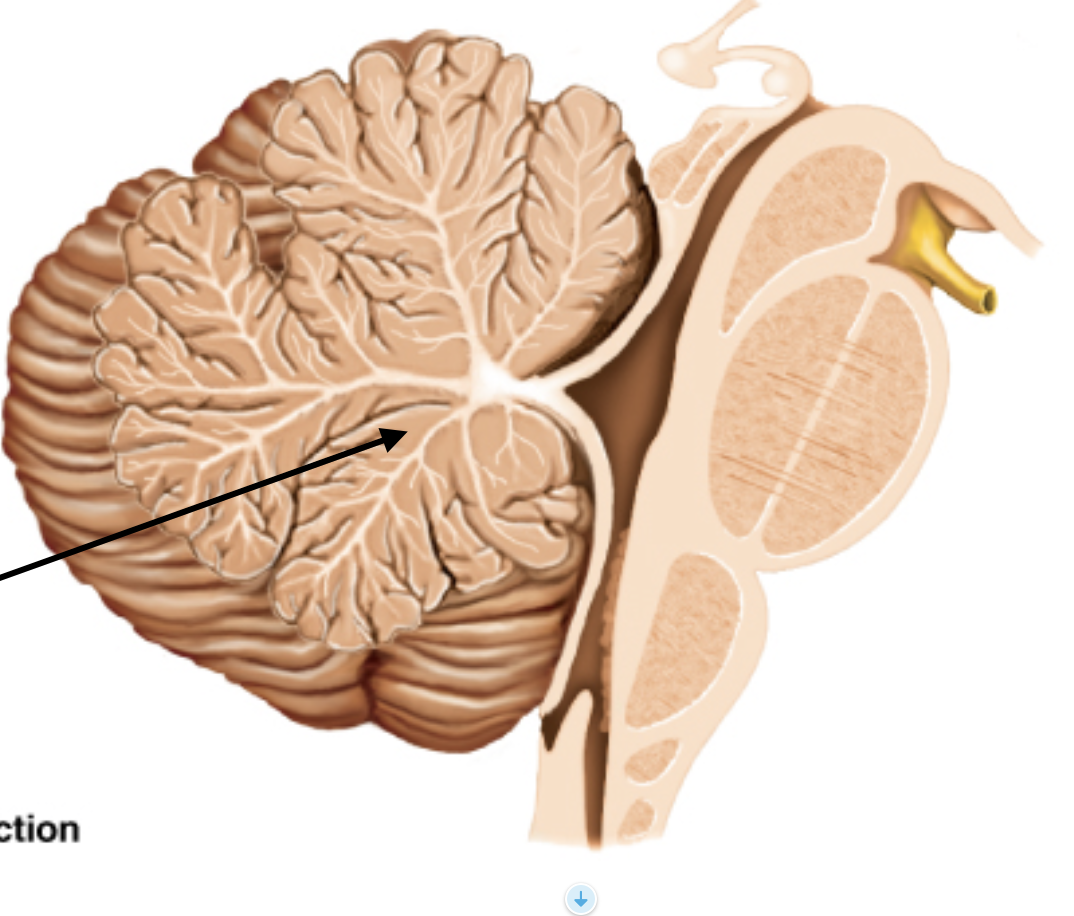
Identify the anatomical feature of the cerebellum and nearby structures.
Gray matter

Identify the anatomical feature of the cerebellum and nearby structures.
Superior colliculus

Identify the anatomical structure of the cerebellum and nearby structures.
Inferior colliculus

Identify the anatomical feature of the cerebellum and nearby structures.
Mammillary body
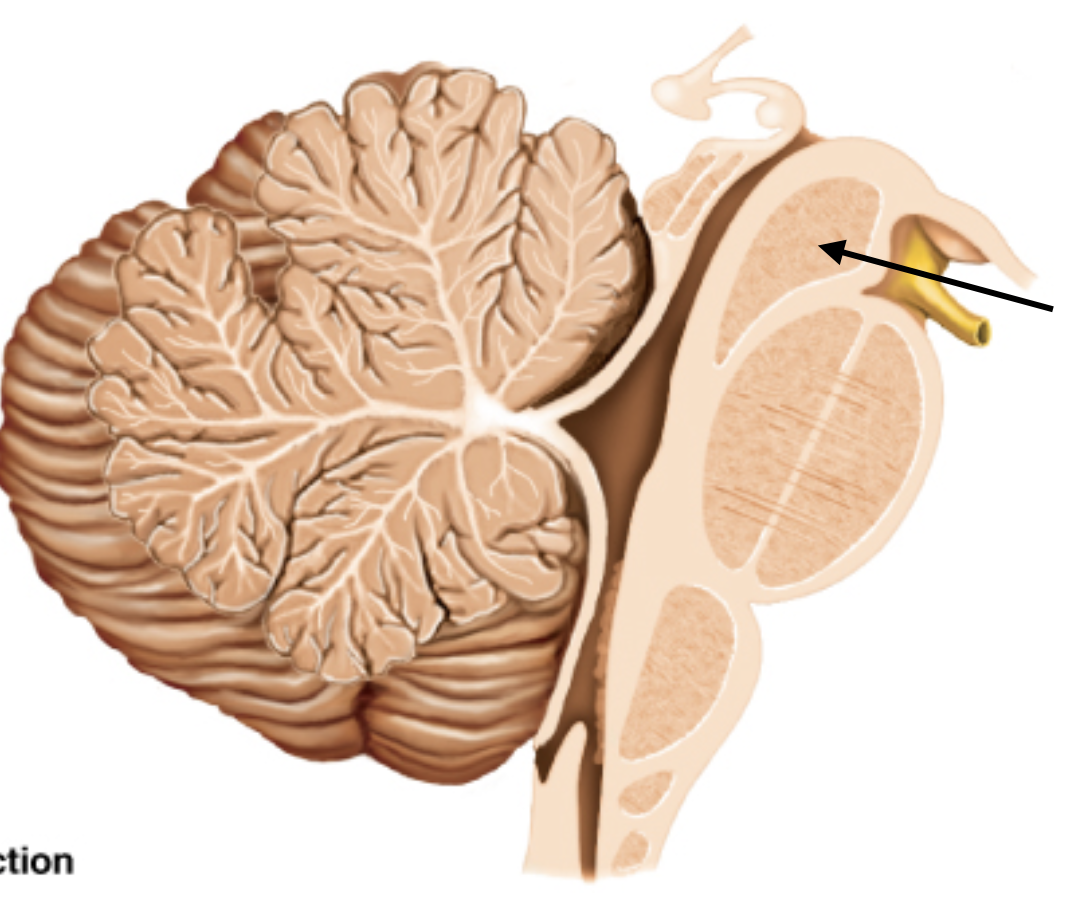
Identify the anatomical feature of the cerebellum and nearby structures.
Midbrain

Identify the anatomical feature of the cerebellum and nearby structures.
Fourth ventricle

Identify the anatomical feature of the cerebellum and nearby structures.
Pons

Identify the anatomical feature of the cerebellum and nearby structures.
Medulla oblongata
Which of the following statements regarding cerebral lateralization is FALSE?
One hemisphere is usually dominant over the other.

Identify the anatomical feature of a nerve.
Posterior root ganglion

Identify the anatomical feature of a nerve.
Fascicle

Identify the anatomical feature of a nerve.
Perineurium
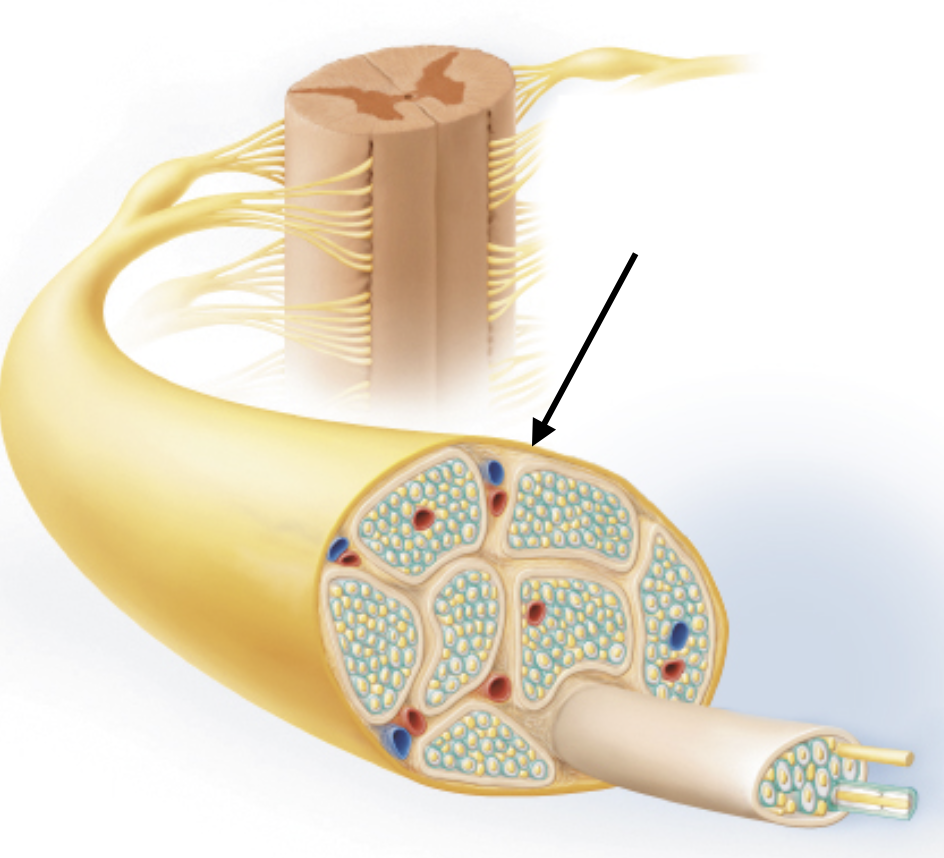
Identify the anatomical feature of a nerve.
Epineurium

Identify the anatomical feature of a nerve.
Endoneurium

Consider a stroke or mechanical trauma has resulted in damage to the indicated area. What would be the most likely effect?
Visual disturbances not associated with the eye
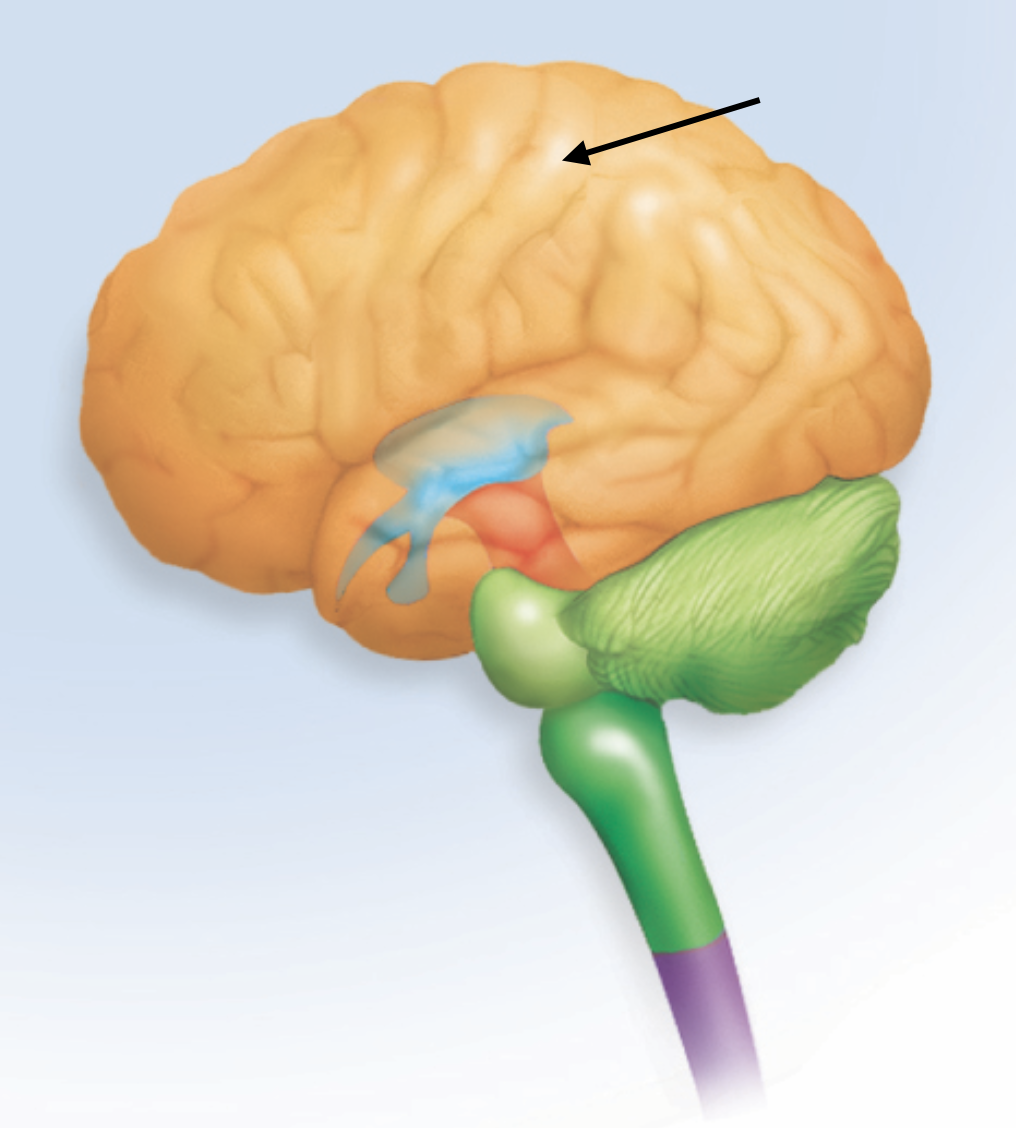
Consider a stroke or mechanical trauma has resulted in damage to the indicated area. What would be the most likely effect?
General lack of sensation in the hand

Consider a stroke or mechanical trauma has resulted in damage to the indicated area. What would be the most likely effect?
Dysfunction in generating movements of the upper arm and shoulder

Consider a stroke or mechanical trauma has resulted in damage to the indicated area. What would be the most likely effect?
Motor dysfunction of the facial musculature

Consider a stroke or mechanical trauma has resulted in damage to the indicated area. What would be the most likely effect?
Altered judgment, reasoning, and emotions

Consider a stroke or mechanical trauma has resulted in damage to the indicated area. What would be the most likely effect?
Loss of the sense of smell

Consider a stroke or mechanical trauma has resulted in damage to the indicated area. What would be the most likely effect?
Loss of taste

Consider a stroke or mechanical trauma has resulted in damage to the indicated area. What would be the most likely effect?
Inability to hear

Consider a stroke or mechanical trauma has resulted in damage to the indicated area. What would be the most likely effect?
Respiratory and cardiovascular disturbances

Consider a stroke or mechanical trauma has resulted in damage to the indicated area. What would be the most likely effect?
Altered coordination of gross muscular movements and balance
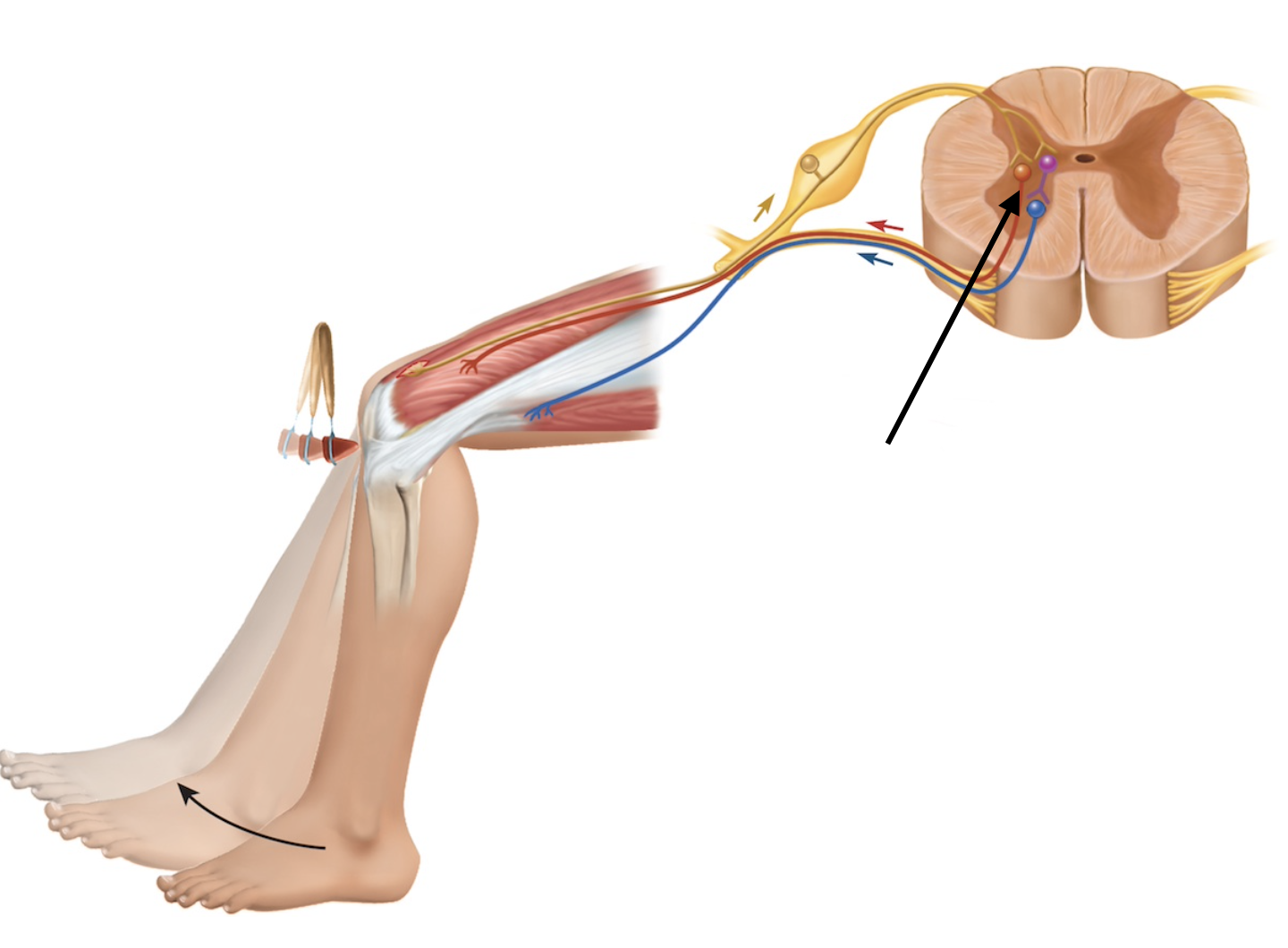
Identify the component of a reflex arc.
Integrating center

Identify the component of a reflex arc.
Efferent nerve fiber

Identify the component of a reflex arc.
Reciprocal innervation

Identify the component of a reflex arc.
Sensory neuron
Gray commissure is part of the ________.
spinal cord
The anterior and posterior columns are part of the ______.
spinal cord
The posterior horn is part of the ______.
spinal cord
The lateral spinothalamic tract is part of the ______.
spinal cord
The sacral plexus is part of the _____.
peripheral nervous system
The ventral ramus is part of the _____.
peripheral nervous system
The posterior root and its ganglion are part of the ______.
peripheral nervous system
The cerebral aqueduct passes CSF down the core of the midbrain and into which of the following?
Fourth ventricle
Choose the incorrect statement.
The sacral plexus is formed from the anterior rami of nerves S1-S5.

Identify the feature of the reticular formation.
Radiations to cerebral cortex
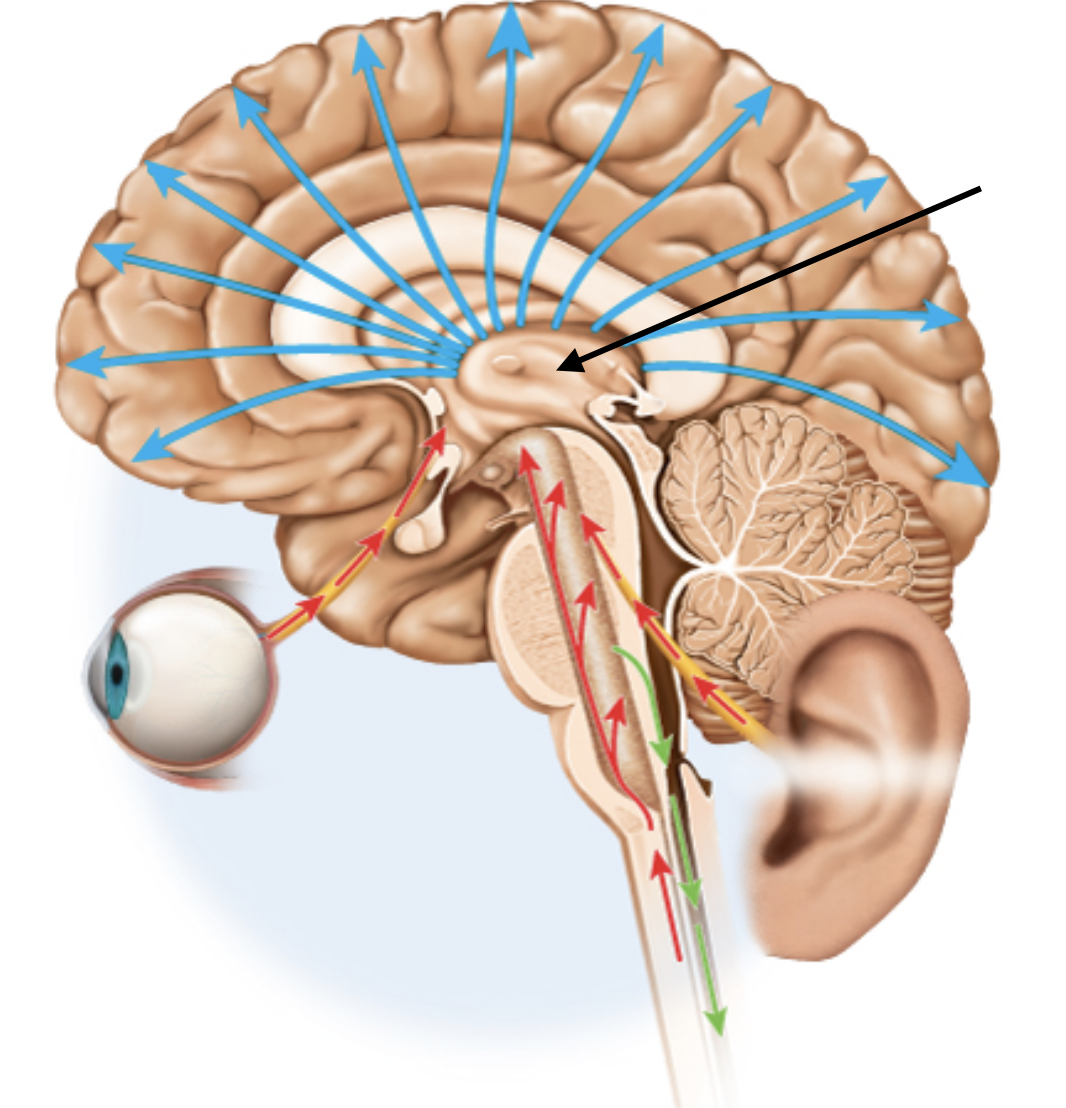
Identify the feature of the reticular formation.
Thalamus
Action potentials traveling in the posterior root reach the synapse with second order neurons located in the _____ of the spinal cord.
posterior horn
The transfer of electrical signals between first and second order neurons occurs ______.
prior to decussation
Second order neurons ascend the spinal cord in the _______.
spinothalamic tract
Arriving on the ______ side of the thalamus, action potentials are transferred to third order neurons.
contralateral
Third order neurons arrive in the ______ cortex, where conscious comprehension occurs.
primary somatosensory
Which of the following are made of gray matter?
Anterior, posterior, and lateral horns
Which of the following is NOT located in the diencephalon?
Pons