Thursday 11/19 Quiz 33: Causes of Anxiety Disorders and PTSD (p664-669)
 Call Kai
 Learn
 Practice Test
 Spaced Repetition
 Match
 Flashcards
 Knowt Play
1/7

There's no tags or description
Looks like no tags are added yet.
8 Terms
How to manage anxiety
-Exposure therapy
-Sleep regularly
-Meditation
-Relaxed breathing (box breathing)
-Lower caffeine
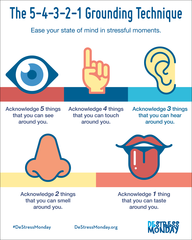
-Grounding: 5,4,3,2,1 technique during a panic attack
Biological causes of anxiety
Caused by the too active and overly sensitive amygdala - "Amygdala Hijack"- The amygdala activates the sympathetic nervous system "fight or flight" response too often and the prefrontal cortex can't keep the amygdala in check

Genetic causes of anxiety
If you have a biological mom or dad with anxiety, you are more likely to have anxiety yourself

maladaptive thinking
any type of thinking that does not allow a person to function within or adapt to the stresses and everyday demands of life
people with anxiety have a tendency to overthink and have racing thoughts
meditation is helpful for calming the mind from these racing thoughts

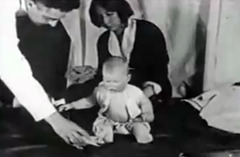
Little Albert Experiment
BEHAVIORIST cause of anxiety
In 1920, JOHN WATSON did a famous experiment with a 9 month old infant.
Little Albert was not previously afraid of any animal. However, Watson conditioned him to be afraid of a white rat.
He then generalized this fear to other furry objects, like a rabbit, a fur coat, and even a Santa Claus mask.
IMPORTANT FINDINGS: This experiment was done before APA ethical guidelines, but the findings were important: WE CAN LEARN ANXIETY. Which is important because it means we can UN-LEARN anxiety.
Biological Preparedness for Anxiety
EVOLUTIONARY cause of anxiety (specifically phobias)
Martin Seligman came up with the idea that many of our phobias like spiders, snakes, enclosed spaces, and heights, have come from evolution.
We are more "prepared" to be afraid of things that may have killed our ancestors thousands of years ago. "Survival of the Fittest" - those ancestors that were afraid of them, did not go near them, so they weren't killed by those fears. Those survivors reproduced.

Post-Traumatic Stress Disorder (PTSD)
Symptoms include mood swings, nightmares, flashbacks,
Involves flashbacks or nightmares following a person's involvement in or observation of an extremely troubling event such as a war or a natural disaster
Symptoms also include hypervigilance, severe anxiety, insomnia, emotional detachment, and hostility
Often, military veterans with THIS struggle with addiction and homelessness
Includes anxiety but is not categorized as an anxiety disorder

posttraumatic growth
positive psychological changes as a result of struggling with extremely challenging circumstances and life crises
