Linguistics (Conquest and Power) - Viking/Norse Influence
 Call Kai
 Learn
Learn Practice Test
 Spaced Repetition
 Match
Match Flashcards
 Knowt Play
1/33

Earn XP
Description and Tags
Week 3 Lecture - Rune info, viking raids, King Alfred, Old Norse influence
Name | Mastery | Learn | Test | Matching | Spaced | Call with Kai | Chat |
|---|
No analytics yet
Send a link to your students to track their progress
34 Terms
What is the downside of runic carvings and aging?
Since they are typically carved on hard surfaces, many inscriptions become lost due to wear, and natural decay.
Many runic letters are very similar to each other, this also does not help
Runic inscriptions only run left to right - True or False?
False - Runic inscriptions do not run left to right, they can go in every direction which makes translation extremely difficult.
Runic writings do not have word separation - True or False?
True - Most Runic writings do not have word separation, which makes translation very difficult.
Runes are easily interpretable - True or False
False - Runes are notoriously very difficult to interpret and translate due to:
Age of the surface
Similar lettering
word separation
Direction of writing/reading
Many writings don’t say anything in particular (more or less doodles)

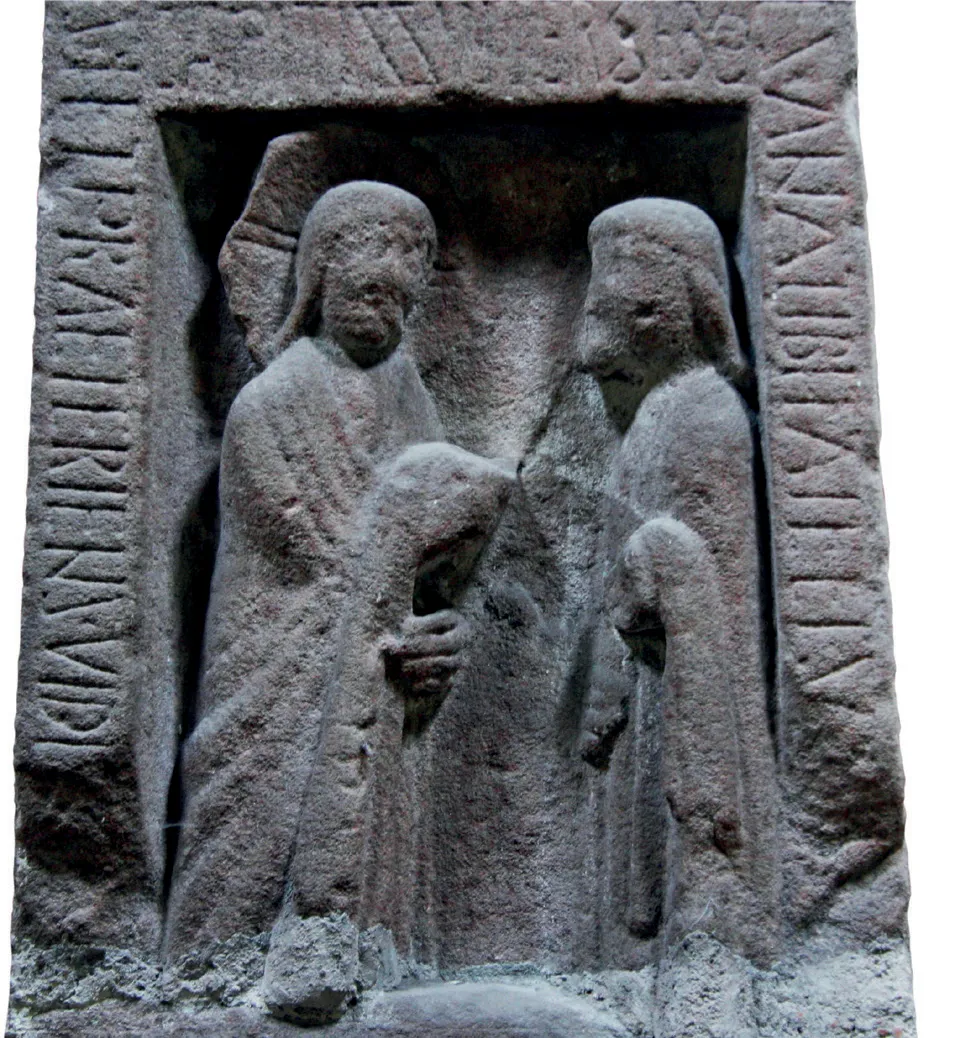
The Ruthwell Cross and The Dream of the Rood - Significance?
The Ruthwell Cross is a sculpture that contains excerpts of the christian poem The Dream of the Rood (rood meaning cross) written in runes
Debunks the idea that runes are sorcery or unchristian, they are simply an ancient alphabet
What old language had the biggest impact on the English language?
Old Norse
When did Viking Raids begin?
780 AD
Who ran the viking raids and what did they speak?
They were undertaken largely by the Danes and Norweigans
They spoke Old Norse
Where did the Danes focus geographically?
East and North of England
Where did the Norweigans focus geographically?
north and the west of England and Scotland too
The Vikings brought Christianity - True or False
False - Christianity was already settled in England, the vikings were Pagan and there was immense religious discourse

Lindisfarne - Dates, Significance, Geography ?
Date: There was a massive attack in 793
Significance - It was a monastery, and the viking attack sent a shockwave through Europe because of its ferocity
Geography - North of England

Why did the vikings attack monasteries? (3)
Wealth (looting gold, silver,etc)
Religious differences (attacking Christian facilities as they are Pagan)
Land (they are looking to conquest)
Why were Danes and Norweigans so powerful and dangerous in this era?
well above everyone else in Europe in terms of seafaring technology

How long was King Alfred’s reign and what was his territory?
He reigned from 871 - 899 and he was King of Wessex and its dependencies.
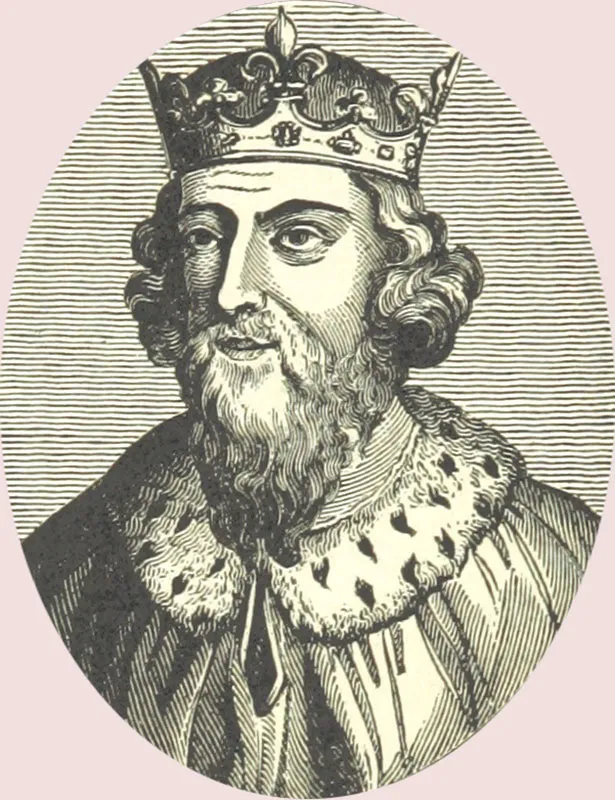
What was King Alfred’s relationship with vikings?
He stood in their way of gaining Wessex and its dependencies
The Heptarchy’s Seven Kingdoms Prior to 500AD
Northumbria
Mercia
East Anglia
Essex
Kent
Sussex
Wessex

Which of the seven kingdoms were absorbed and dependent to Wessex? (3)
Essex
Sussex
Kent
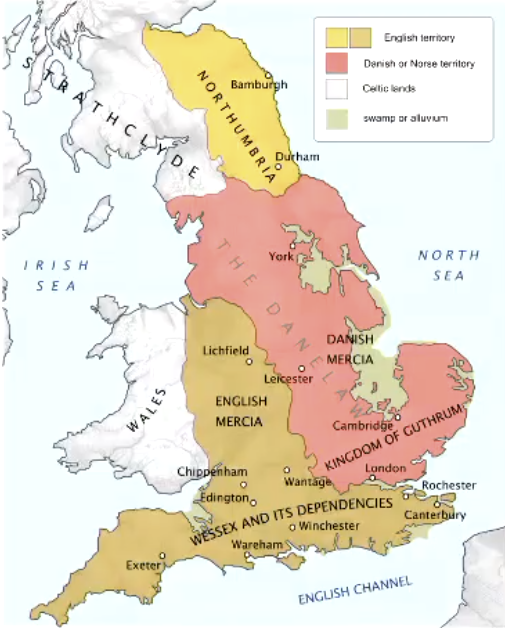
What was the name of King Alfred’s treaty and what did it do?
He signed Daneslaw in 873 with Danish leader Guthrum which separated territories of England

What did King Alfred’s son do?
Began to tackle and regain some of the lost viking territories

Who was King Athelstan and what was his significance?
He was King Alfred’s grandson and he becomes the first king of a united England in 924
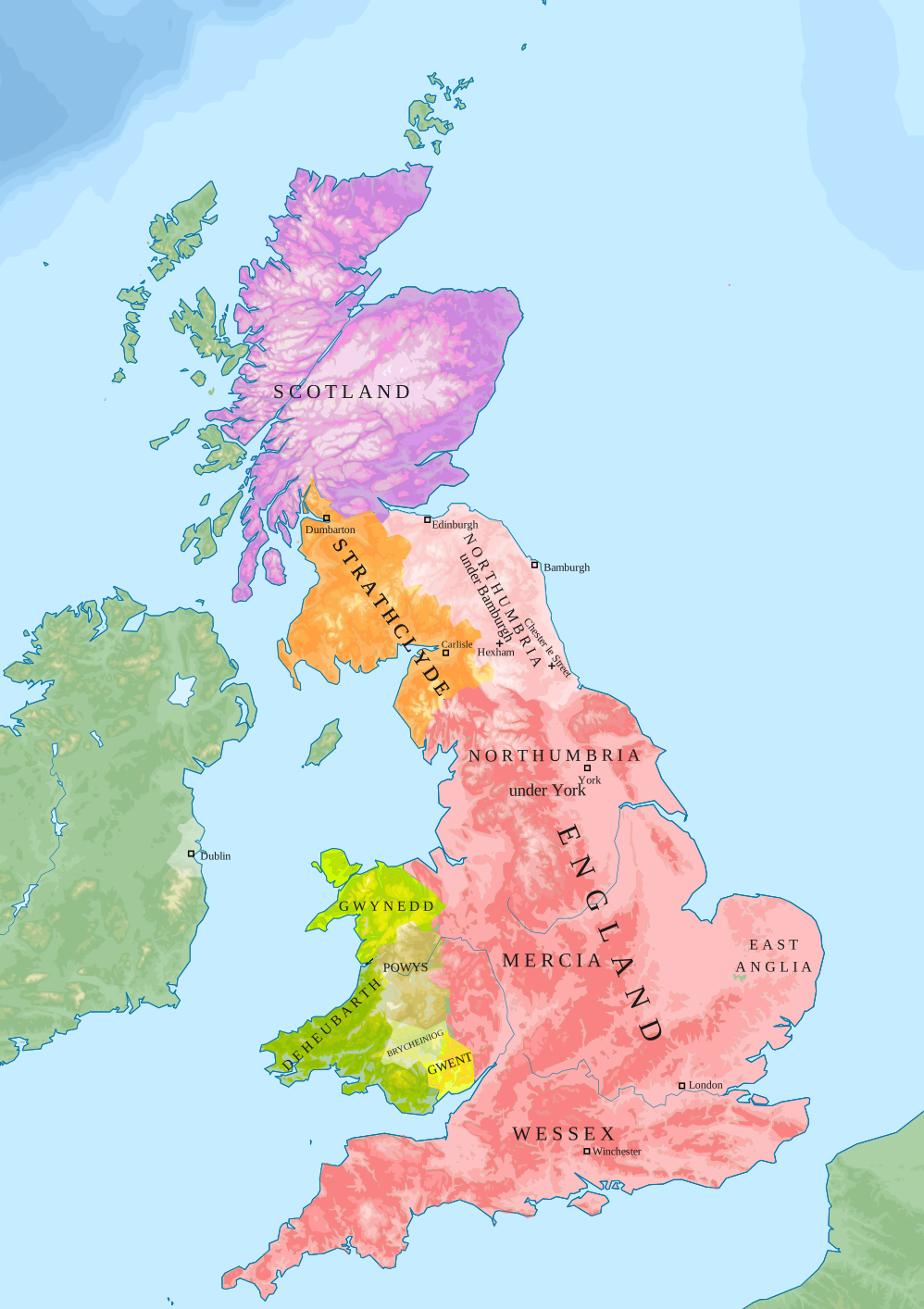
What major territories did Athelstan gain? (2)
Strathclyde’s allegiance
York (centre of viking resistance)
When do viking raids pick up?
990s
What is the result of the 10th century viking raids?
England falls under very weak rulership and it falls under Danish rule
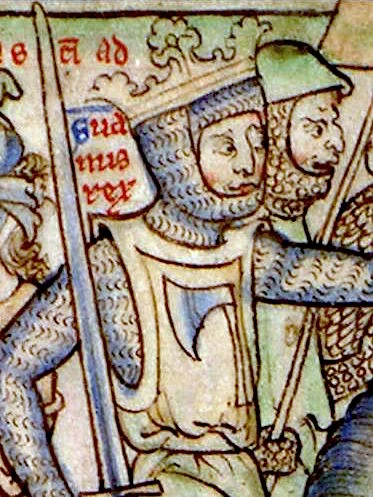
King Sweyn Forkbeard - Date of Rule, Significance?
Date - becomes ruler of england in 1013
Significance - becomes King of England yet he is a Dane, shifting the power dynamic and rulers
Who was Old Norse spoken by?
Scandinavian people prior to 1000 AD
Why are the pronouns “they, them, their” interesting?
They are derived from Old Norse, but typically language influences appear in open word classes rather than closed ones, like pronouns.
Location affix -by
meaning village or homestead
Scandinavian settled area
Location affix -toft
meaning homestead
Scandinavian settled area
Location affix -thwaite
meaning meadow
Scandinavian settled area
Location affix -thorp
meaning new settlement or farm
Scandinavian settled area
Norwegian/Danish language influence is spread across England - True or False?
False - They are more likely to have impact in the areas where they settled and had larger population concentrations. (consider Daneslaw and initial settlement locations)
What is Old Norse and Old English’s relationship ? (2)
They are cognate languages (both Germanic)
They were likely mutually intelligible in 1000AD and prior, which made borrowing between languages more straightforward
When were most norse words first recorded in english?
Around 12th-14th century, strikingly late from their initial settlement or even rule