Parasitology life cycle
 Call Kai
 Learn
Learn Practice Test
 Spaced Repetition
 Match
Match Flashcards
1/28

Earn XP
Description and Tags
the life cycle of a parasite
Name | Mastery | Learn | Test | Matching | Spaced | Call with Kai | Chat |
|---|
No analytics yet
Send a link to your students to track their progress
29 Terms
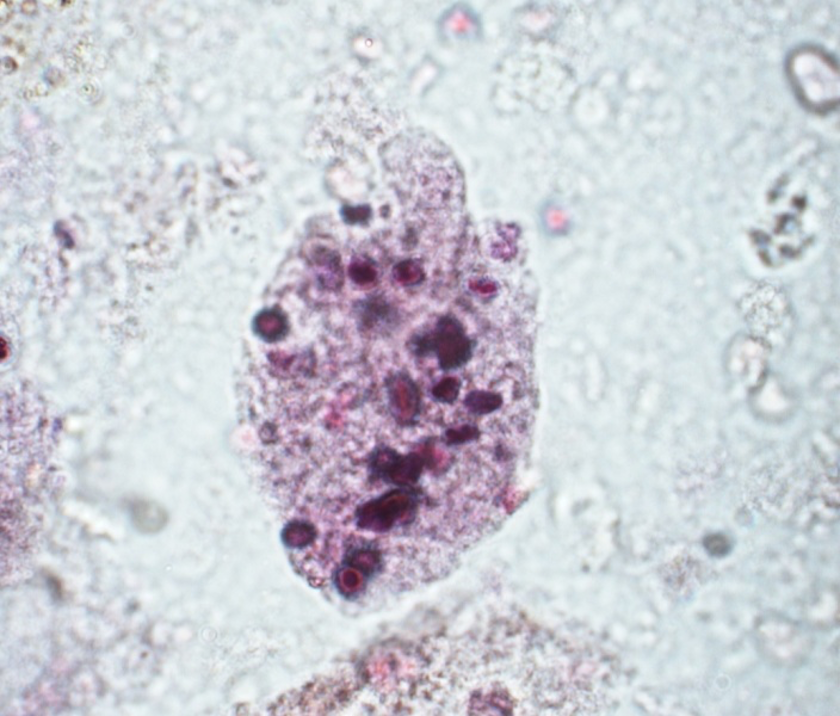
What stage is this?
In Inside of this stage you can see starch because of this it would be in a fecal smear.
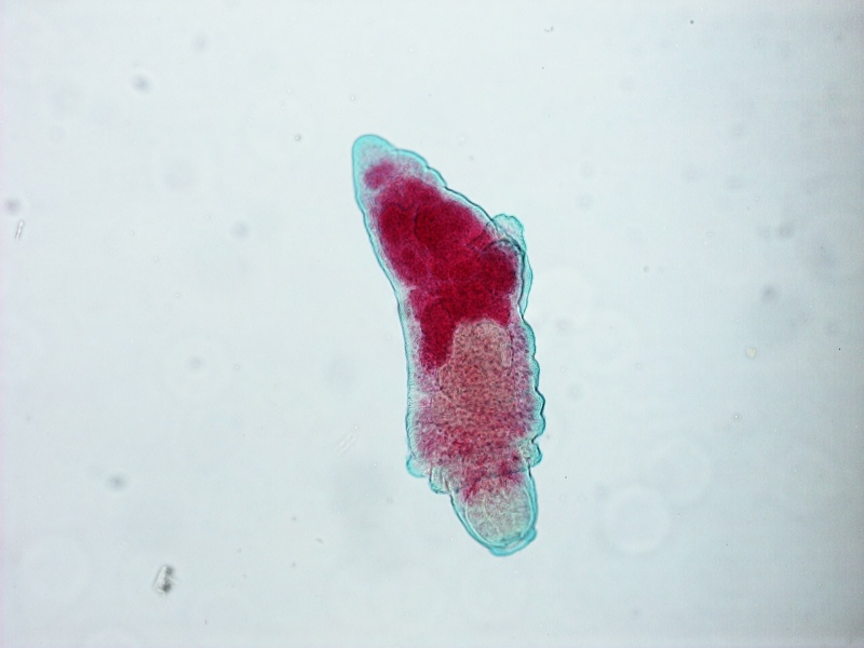
What stage is this?
The life cycle of Malaria
Malaria is a parasite that gets in to the blood cells of a human. It is also a Protozoans.

life cycle of Protozoans
In this picture it shows a human getting the parasite from a kissing bug.

The parasite can re-infect the same type of host with offspring
Protozoan reproduction may be asexual or sexual
The two types or perform one or the other reproductive function in response to environmental conditions
Evolution of the parasitic flatworms (Neodermata) and the distribution of conspicuous biological traits characteristic of individual groups

The parasite requires some type of intermediate host (or hosts) for 1 or more stages
of its life cycle.
Amoebas Life Cycle

Trematodes

Trematodes

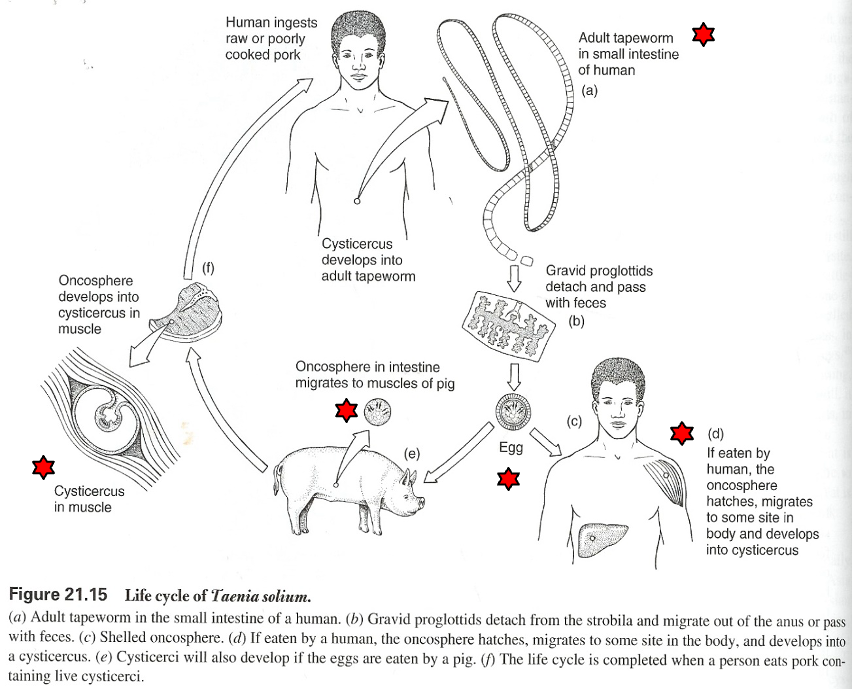
Cestodes
1. Eggs are released from an adult tapeworm.
2. The larva (Oncosphere) develops in the egg
casing.
3. The oncosphere hatches and penetrates a
parenteral (Extraintestinal) site of the next
host.
4. Metamorphosis occurs and the oncosphere
becomes a juvenile Metacestode (often called
a Cysticercus metacestode).
5. The metacestode develops into an Adult in the
intestinal site of the same or another host.
Cestodes
Nematodes
1. Eggs develop into First-Stage Juveniles
which may or may not remain in the egg
casing.
2. Juveniles continue to develop through
Second, Third, and Fourth-Stages.
3. Fourth-stage juveniles develop into Adult in
the host.
Nematodes

Nematodes

Arthropods
1. Egg develops into a Larva (sometimes called
a Nymph).
2. Larva metamorphoses into the Adult.
3. In some groups, larva develop into a Pupa
stage which undergo a complete
metamorphosis.
Arthropods

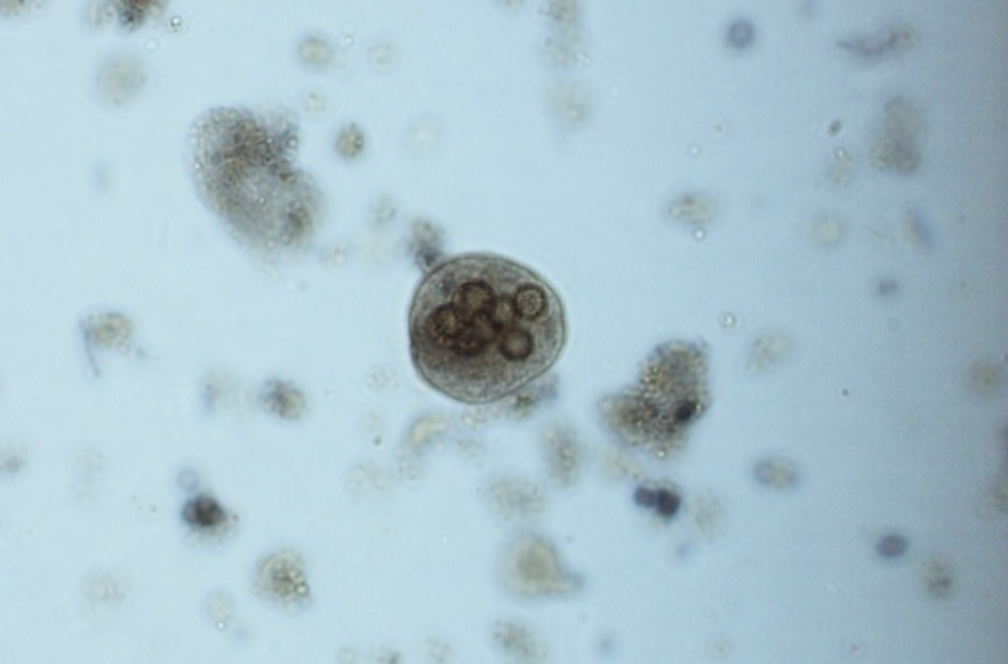
What stage is this?
Cyst

What stage is this?
Egg

What stage is this?
Larvae
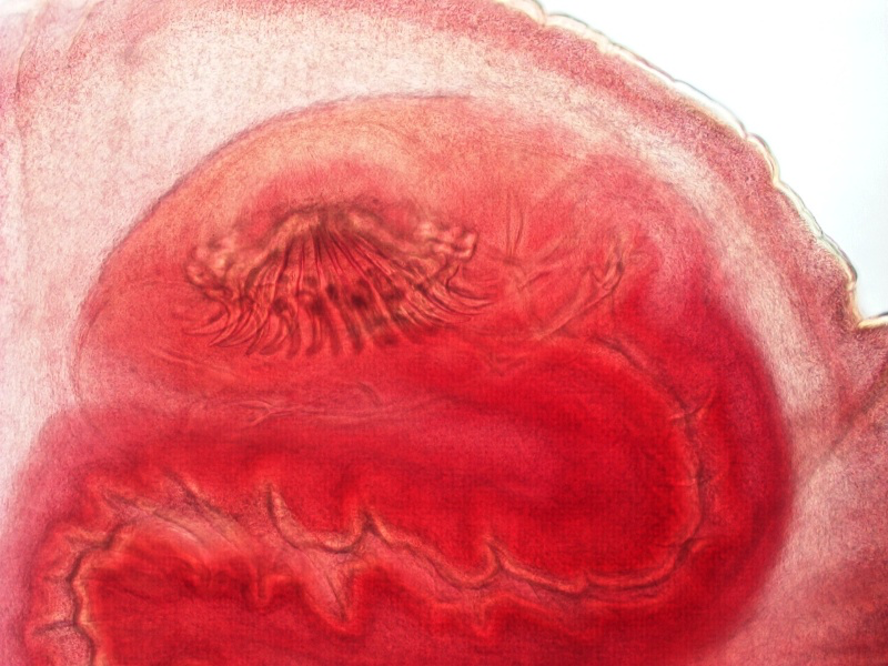
What stage is this?
Cysticercus

(pic only) What stage is this?
Microfilaria

What stage is this?
Encysted

What stage is this?
Cercariae

What stage is this?
Trypomastigote

(pic only) What stage is this?
Amastigotes
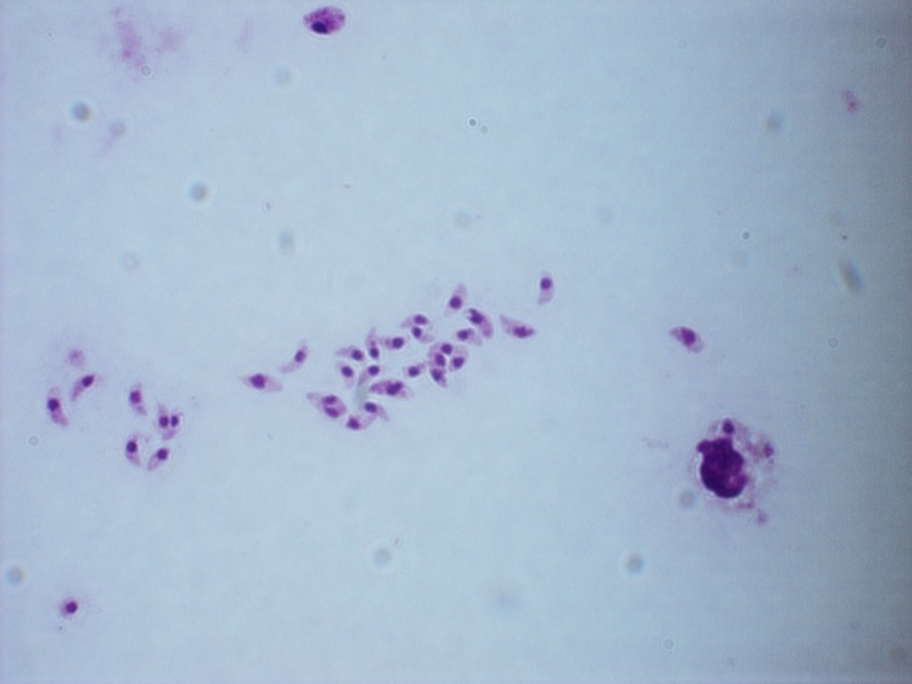
What stage is this?
Tachyzoites

What stage is this?
Egg