SDC 250 Exam 2 Study Images
 Call Kai
 Learn
 Practice Test
 Spaced Repetition
 Match
 Flashcards
 Knowt Play
1/32

There's no tags or description
Looks like no tags are added yet.
33 Terms

Moche Earflare, Peru
gold and silver
high status warrior at center
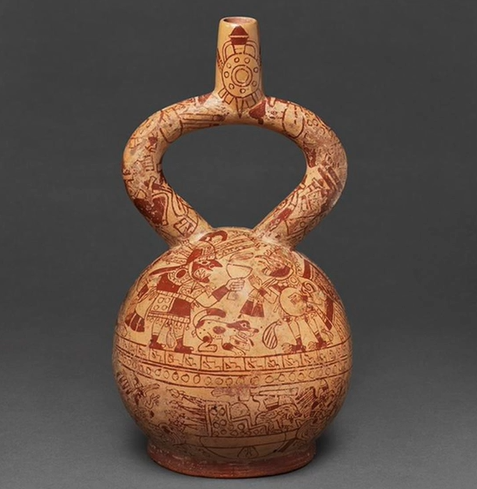
Sacrifice ceremony, Peru
sacrifice to multiple gods
depiction of elaborate rituals

Chan Chan, Peru
adobe fortresses
separated into blocks with artificial lakes

Ciudadela in Chan Chan, Peru
adobe building
elites lived here, and they were surrounded with very tall walls

Tschudi Palace in Chan Chan, Peru
housed the elites of the city - high walls with maritime depictions
entrance which we could imagine being manned by Qemu guards

U-shaped rooms, Tschudi Palace in Chan Chan, Peru
often had elite buried under them
U-shaped rooms were administrative centers

Inca road, Peru
lots of sacred meanings into the topography and the natural rock outcroppings
practiced spatial control over their empire was by limiting the movement along the Inca superhighway

Colcas, Inca Empire, Peru
flagstone and thatch roofs
storage building for the food distribution system

Tampu, Inca Empire, Peru
temporary lodging for travelers
low status architecture, one room

Machu Picchu, Inca Empire, Peru
consists of over 200 structures
carefully designed path: restricts views of sacred mountaintops, special rocks and important spaces - reinforce rulers importance over everyone in Machu Picchu
adobe for low status, limestone for high
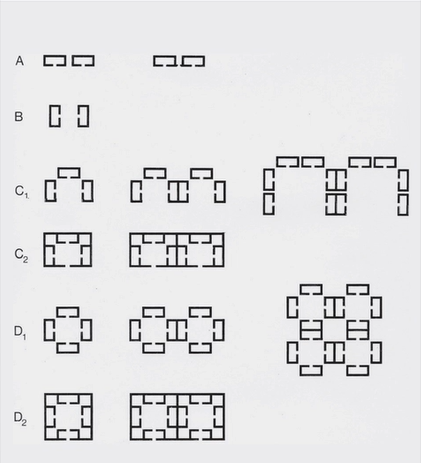
Cancha, Inca Empire, Peru
standard building kit for structures
most buildings were created by unskilled people

Polygonal masonry, Inca Empire, Peru
works without mortar
speaks to their ability to work with nature
ashlar was saved for sacred structures

Chinkana Stone Outcroppings, Inka Empire, Peru
marked the boundary → spiritual and space transition

Pampa at Chinchero, Inca Empire, Peru
air spaces were theaters of communication between the Inca rulers and the local inhabitants
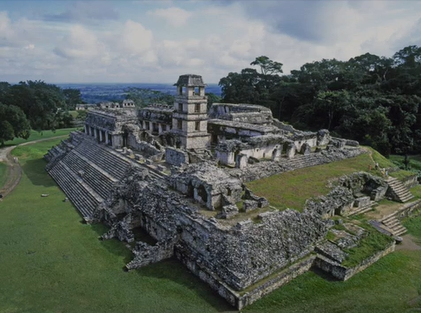
Palenque Palace, Mayan Civilization, Mexico
limited entrances, suggests restricted area → royal family, priests
expanded over 5 to 6 centuries

Temple of the Inscriptions, Palenque, Mexico
used as a tomb which wasn’t common
likely often accessed so people could pay respect to king percle

Royal audience reliefs, Palenque Palace, Mexico
different ancestral kings being worshipped
located at house A
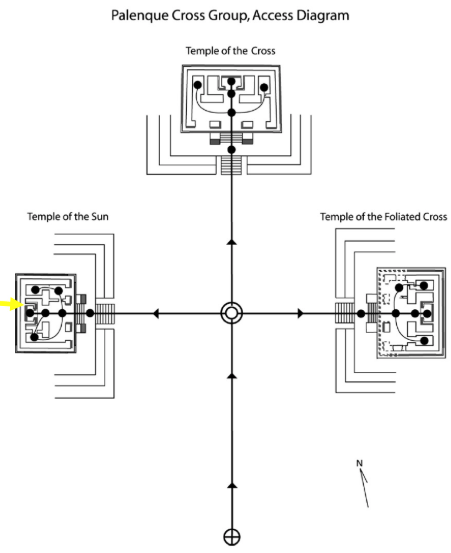
Palenque Cross Group of Temples, Mexico
exterior were intended for everyone to view, but inside access was restricted
roof combs for exterior “flair”

Frida Kahlo, Self-Portrait on the Border between Mexico and the United States, Mexico
uses objects of ancient past to identify with nationality
furthers communist avant garde beliefs

Anahuacalli, Mexico
holds Aztec and Teotihuacan artifacts
pulls strong influence from Teotihuacan temples

Central Library, UNAM, Mexico
embodied tradition but also represented Mexico’s ability to participate in 20th century
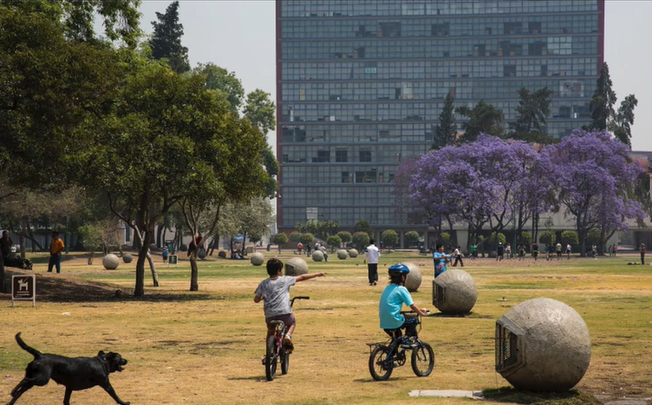
UNAM campus landscaping, Mexico
retains some geological features, reflecting cultural interest in landscape
emphasize importance of pre-Hispanic past

Rectory Building, UNAM, Mexico
dates were important times in Mexicos history
final date 19?? reflected artists Marxists beliefs
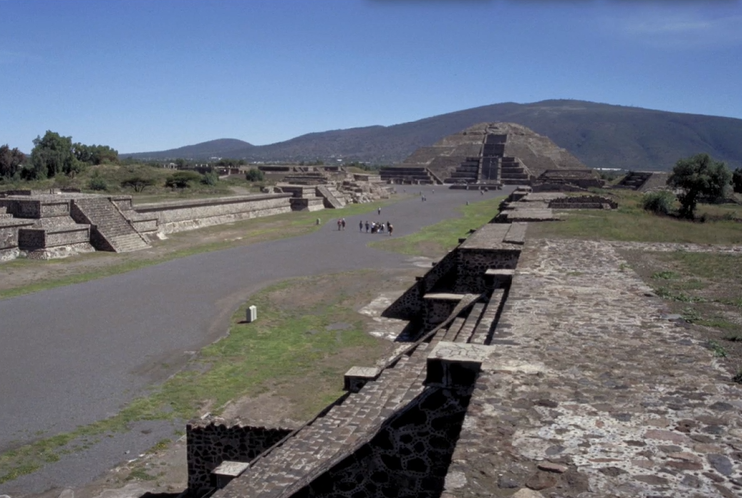
Avenue of the Dead, Teotihuacan, Mexico
central axis of this great ceremonial center of Teotihuacan

Pyramid of the Sun, Teotihuacan, Mexico
potentially related to creation mythology (built over cave)
served as a giant platform for temples

Ceremonial Platform, Teotihuacan, Mexico
alternates between talud (slope) and tablero (space for reliefs)
reliefs would be attached to temple

Chinampas, Tenochtitlan, Mexico
floating islands of fertile land to make up for the non-farmable environment

Templo Mayor, Tenochtitlan, Mexico
represents sacred mountain
serpent sculptures at base of temple = serpent mountain

Tlaloc in sculptural relief, Teotihuacan, Mexico
rain god
shares similarities with other Tlaloc depictions however each one was slightly different

Frida Kahlo, Roots: El Pedregal, Mexico
literally rooted in cultural homeland
affinity for prehistoric landscapes

Luis Barragán, Architect’s House and Studio, Mexico City
unassuming facade
uses volcanic rock in flooring: connection to important land
high, thick solid walls

Jardines del Pedregal, Mexico
relief from busy city space
carved steps and paths into the environment itself “preserving harmony”

Woven stools in Barragán’s House and Studio, Mexico City
incorporated traditional folk art (basket weaving) into interior and furniture