linguistics
 Call Kai
 Learn
 Practice Test
 Spaced Repetition
 Match
 Flashcards
 Knowt Play
1/130

There's no tags or description
Looks like no tags are added yet.
131 Terms
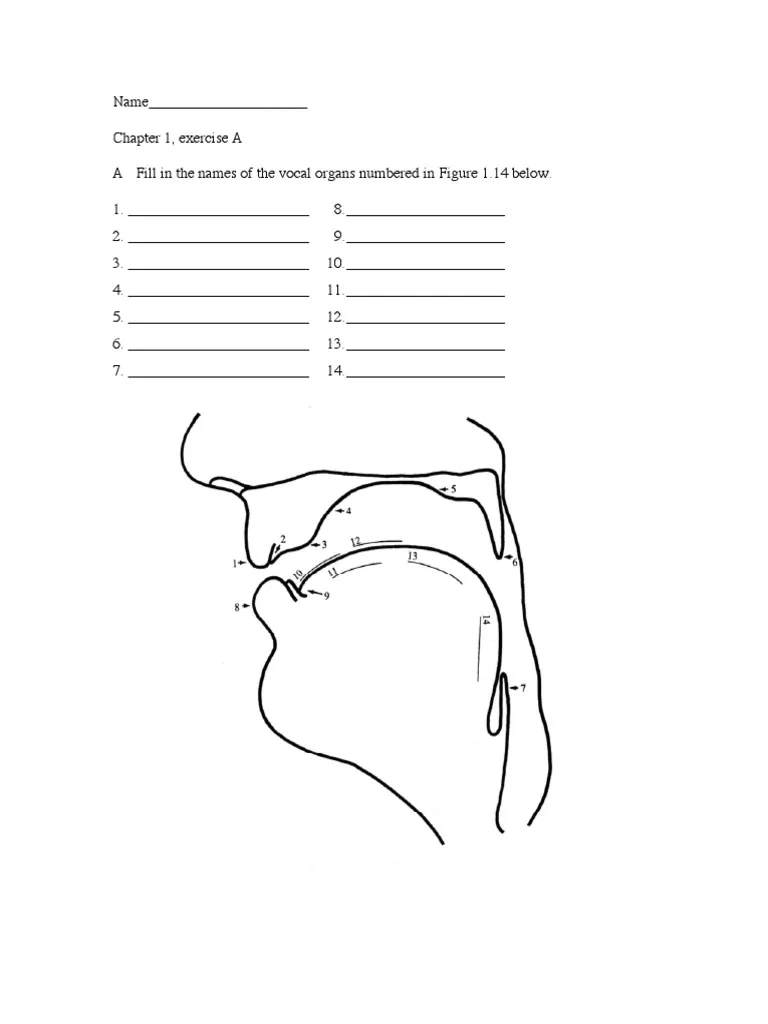
upper lip
1
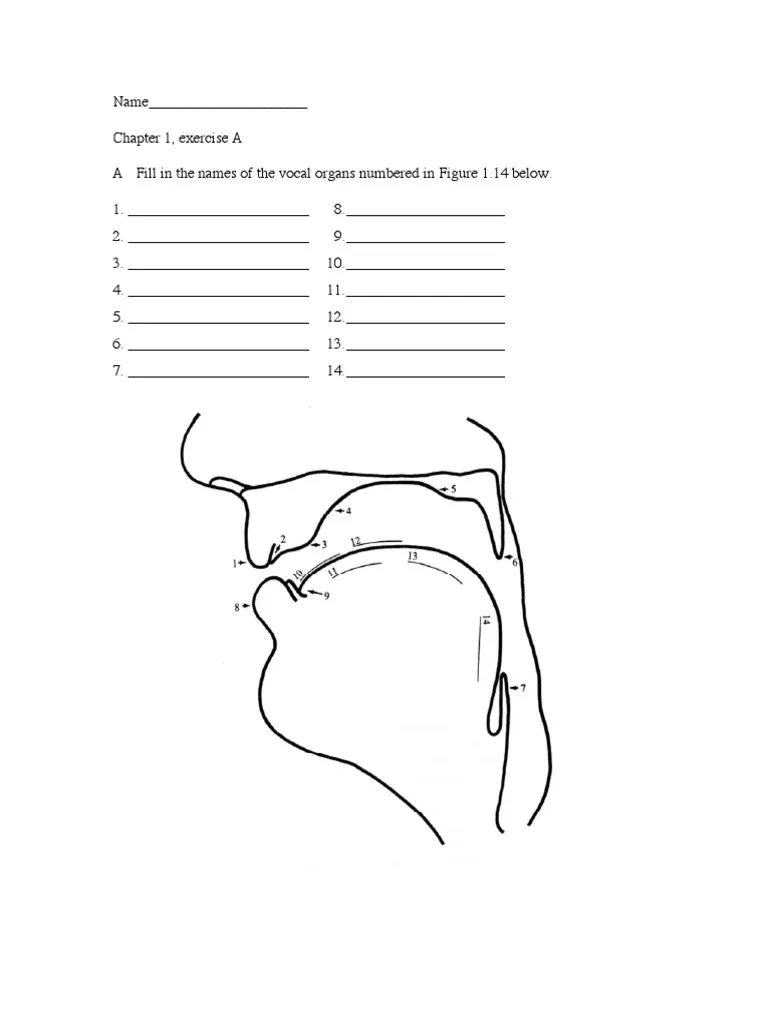
upper teeth
2
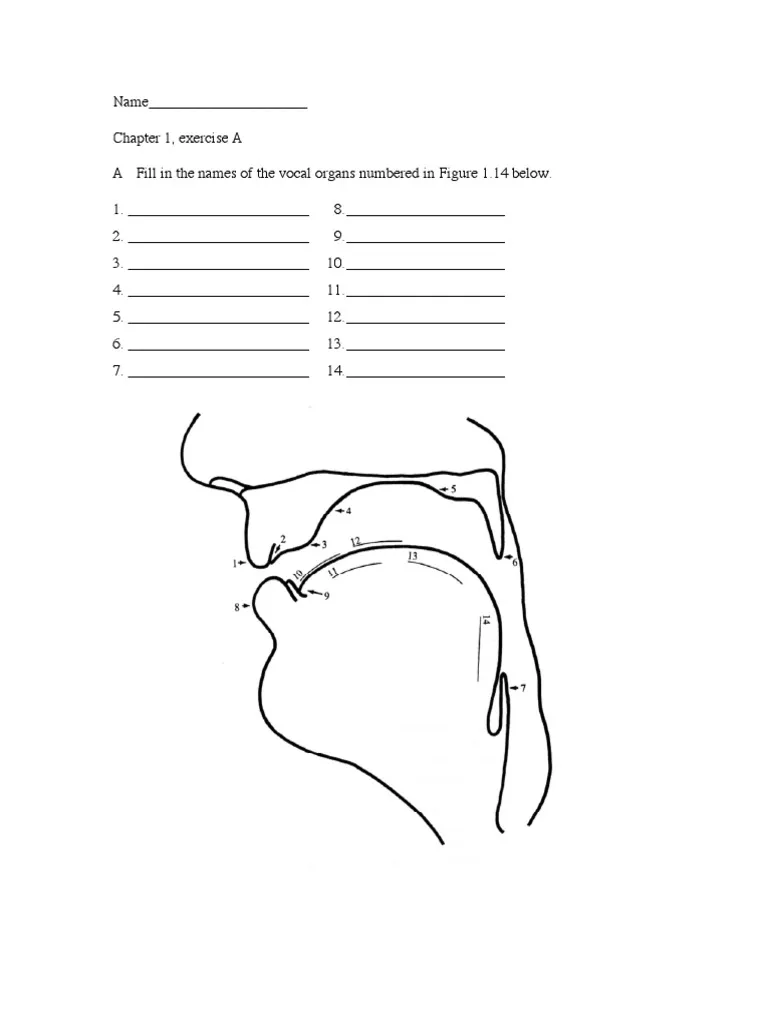
alveolar ridge
3
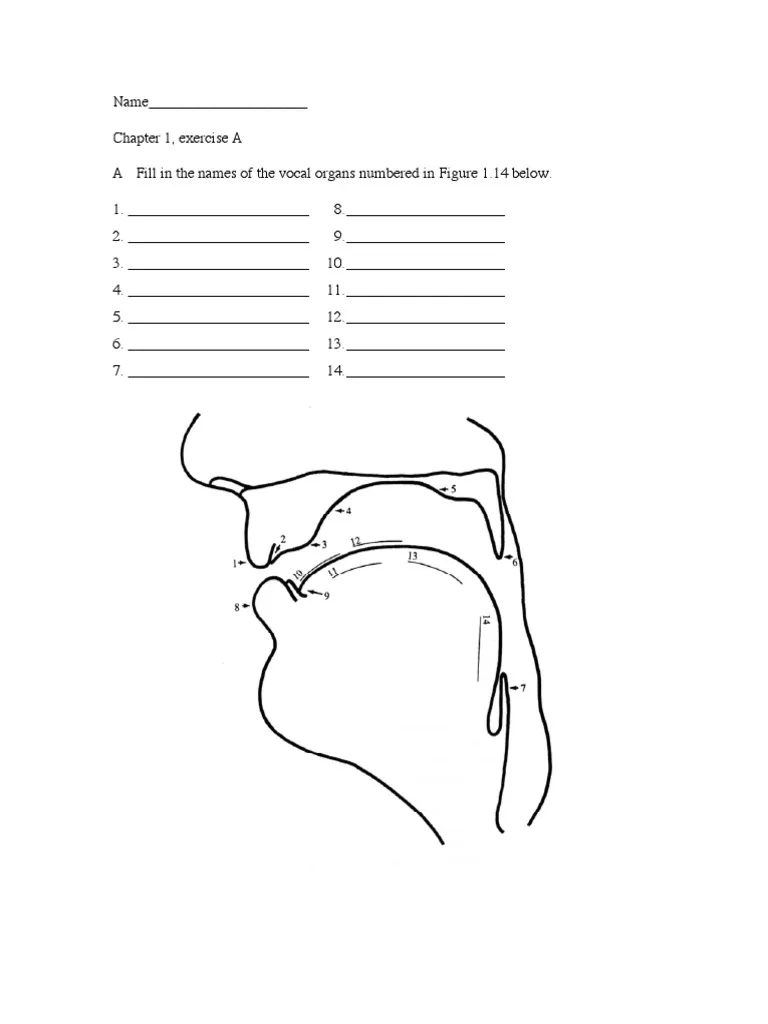
hard palate
4
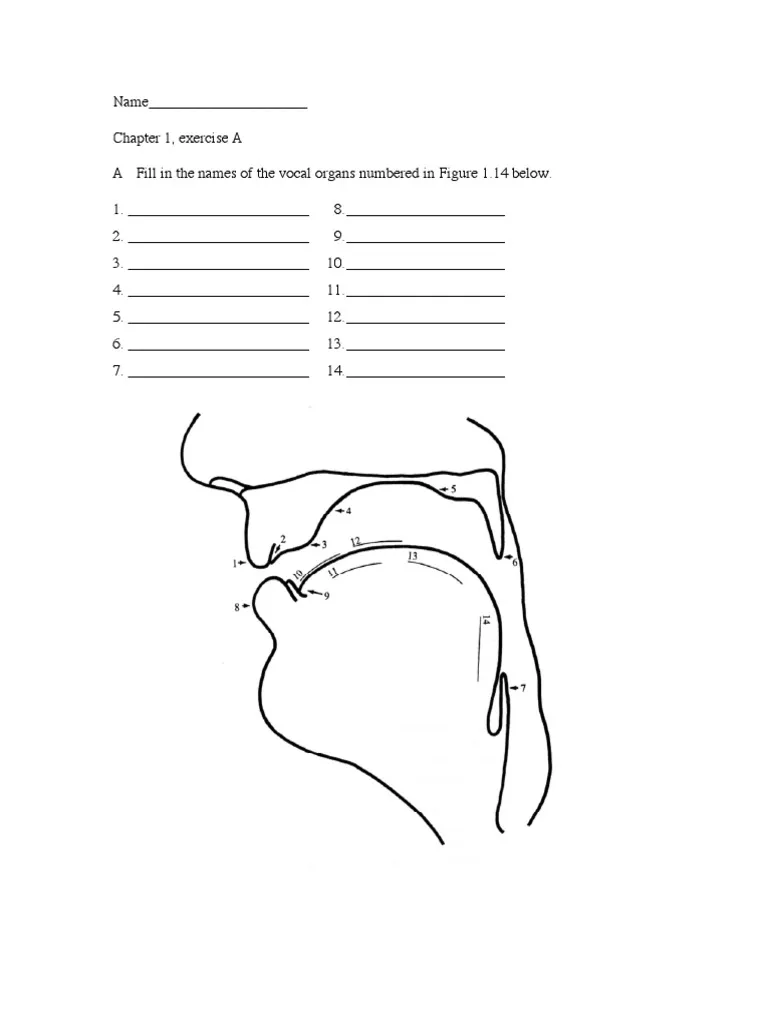
velum
5
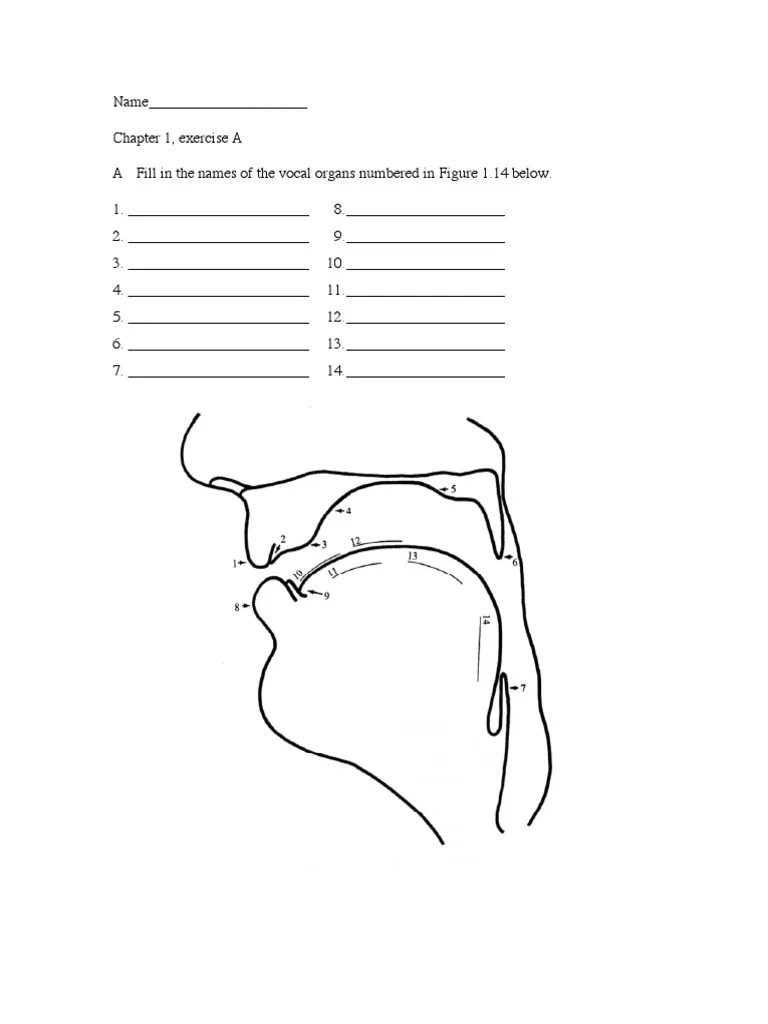
uvula
6
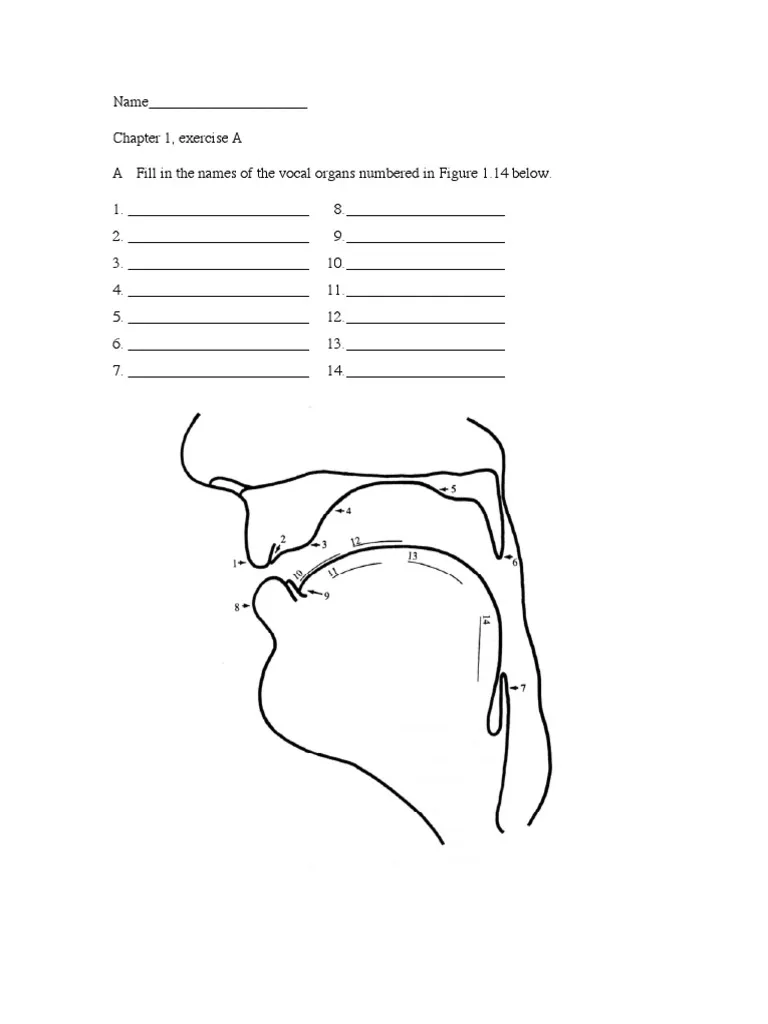
epiglottis
7
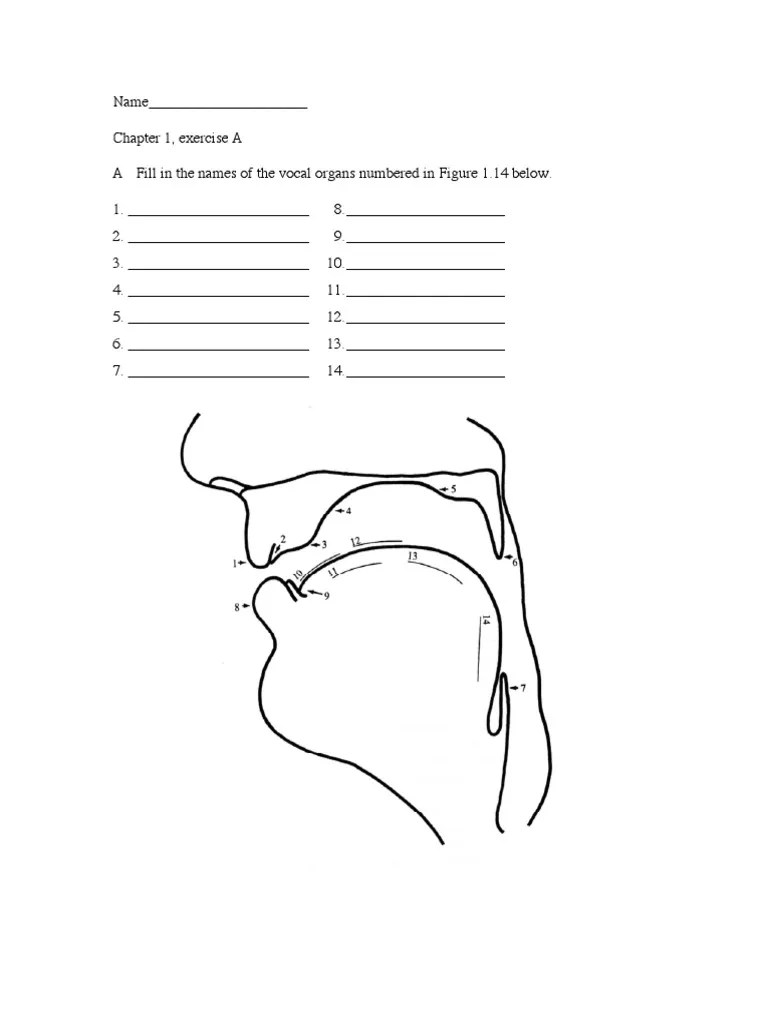
lower lip
8
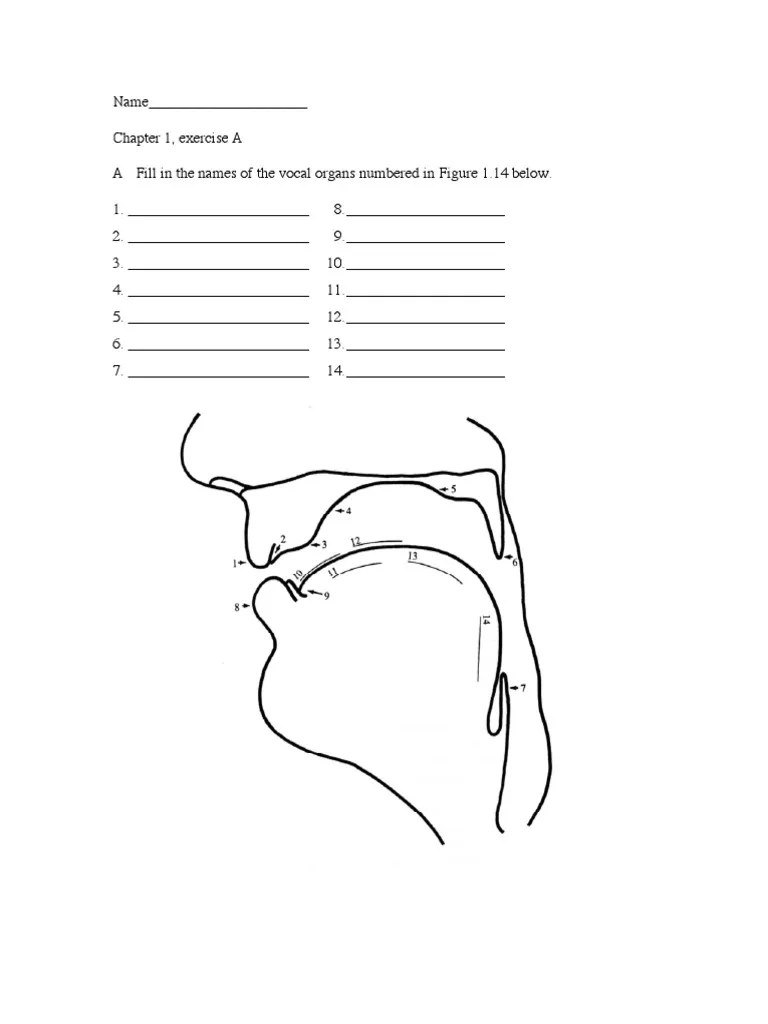
tip
9

blade
10
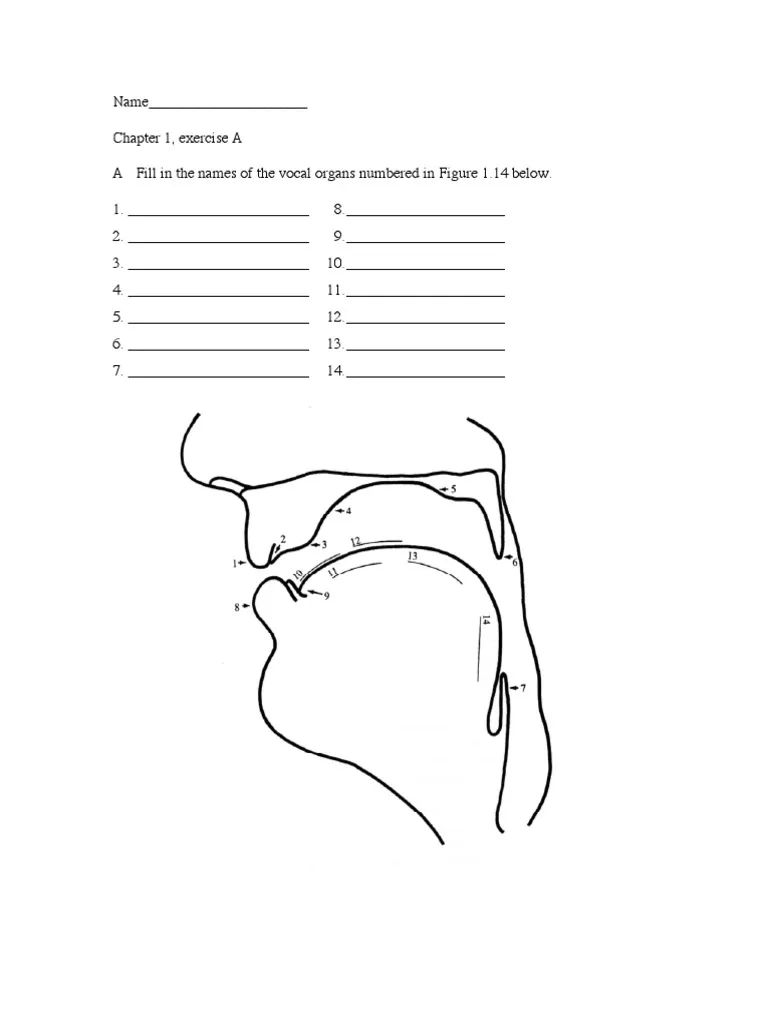
front
11
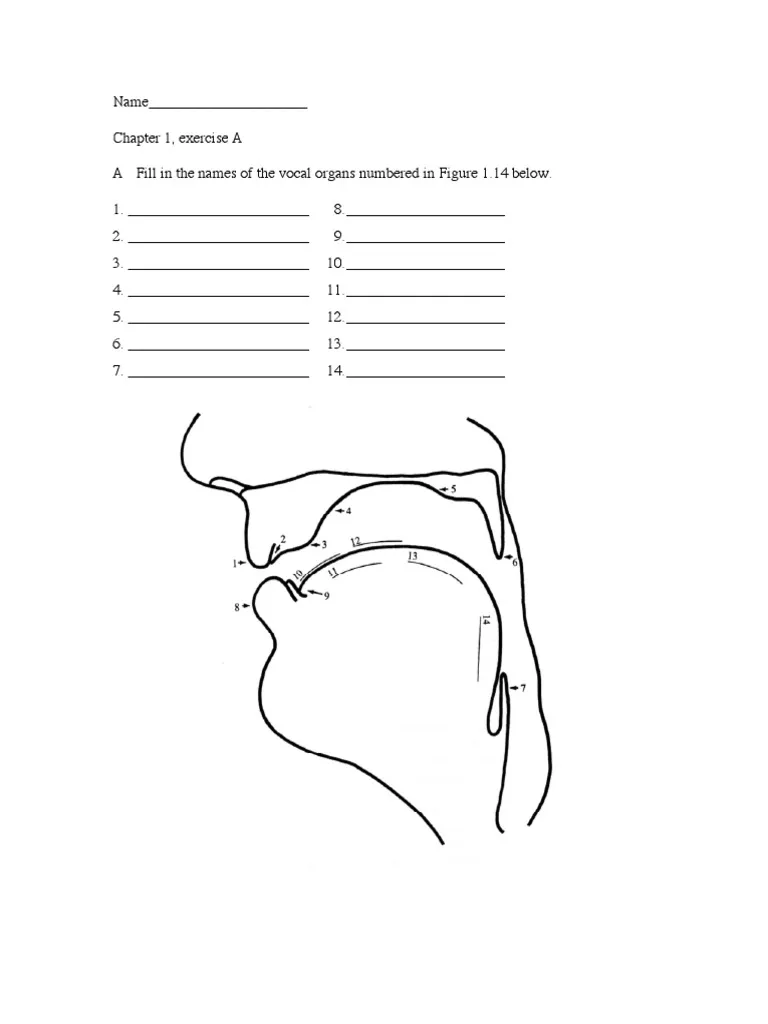
oral cavity
12
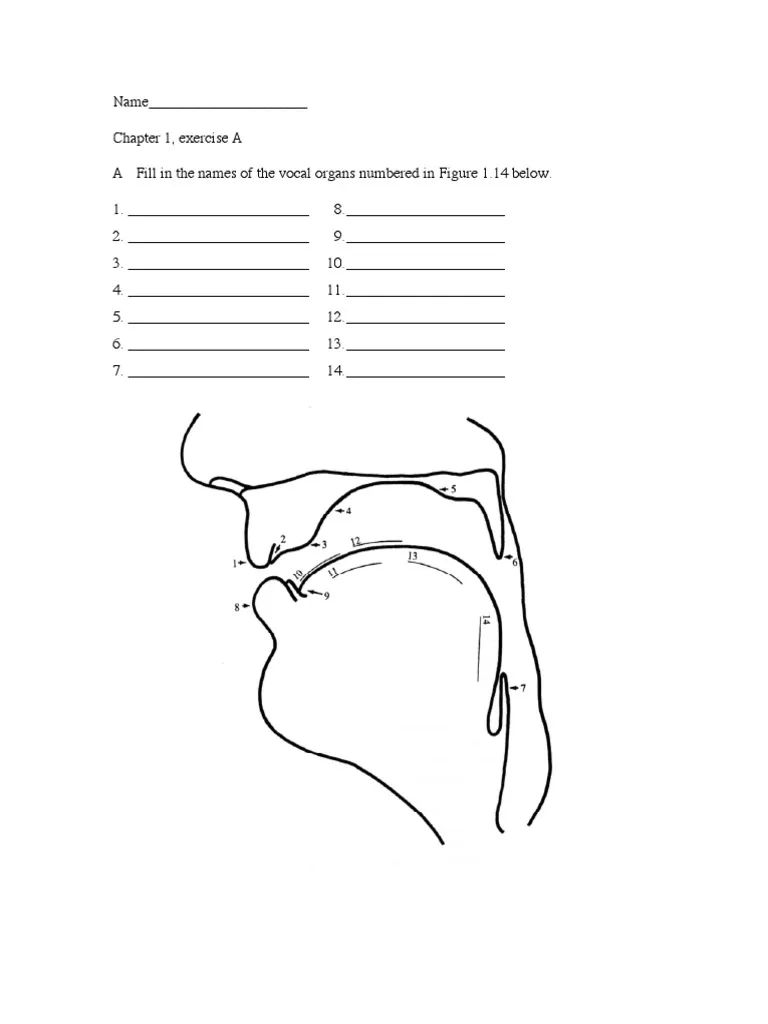
back
13
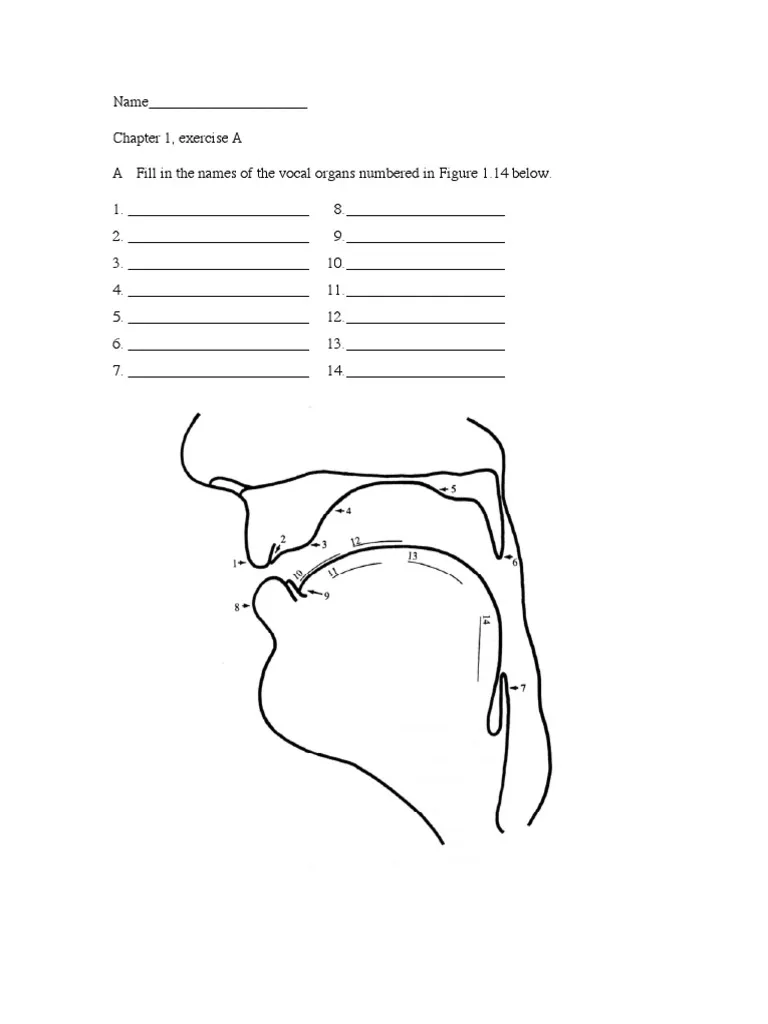
root
14

glottis
i
Where is the glottis located
in the larynx
Where are the vocal folds located
in the glottis
upper lip
labial ex: m in me
upper teeth
dental (ex: the f in fee)
alveolar ridge
alveolar (ex: t in tea)
postalveolar region
postalveolar region (ex: the ʃ in she)
hard palate
palatal (ex: ye in key)
velum/soft palate
velar (ex: g in go)
uvula
uvular (not used in english)
pharyngeal wall
pharyngeal (not used in english)
oral stop
Velum is raised, so airflow can’t escape, usually
leading a plosive
nasal stop
velum is lowered, air escapes through nose
fricative
considerable restriction of airflow (ex: gh in rough, ce in ice)
affricate
fricative followed by a stop (ex: dge in fudge and sch in kitsch)
approximant
restriction, but not enough to cause friction
examples of approximants
liquids: light and right glides: wake and yell
w
w in weep
tʃ
ch in church
d ʒ
j and dge in judge
θ
th in thesis (voiceless)
ð
th in these (voiced)
t
t in tea
ʒ
si in fusion
ʃ
sh in she
ŋ
ng in sing
ɹ
r in read
j
y in yes
aj
i in high
aw
ow in how
ɔj
oy in toy or oi in noise
ɚ
ear in heard
dipthongs
single syllables that contain a smooth glide from one vowel to another
aɪ/aj
i in bide
aʊ/aw
ou in loud
ə
a in about and a in comma
a
o in bot (rounded)
ae
a in bat
u
oo in boot
i
ee in beet
ʊ
oo in book
ɪ
i in bit
ɛ
e in bet
eɪ
ay in say
front high/closed vowel
i, ɪ
back high/closed
u, ʊ
front mid high/mid closed
ei/ej
central mid high/mid-closed
ə
back mid high/mid-closed
ow/oʊ
front mid-low/mid-open
ɛ
ʌ
u in but
mid-low/mid-open back
ʌ/ɔ
front low/open
æ
back low/open
a
voiced bilabial stop
b
bilabial nasal
m
labiodental fricative
f and v
interdental fricative
th
alveolar plosive
t and d
alveolar nasal
kn
alveolar fricative
s and z
alveolar apporixmant
ɹ
alveolar lateral approximant
l
postalveolar fricative
ʃ and ʒ
palatal approximant
j
velar plosived
k and gh
velar nasal
ŋ
glottal fricative
h in he
voiceless bilabial stop
p
rounded vowels
u, ʊ, o, oʊ
minimal pairs
pairs of words differing only in one segment (ex: sue - shoe)
different phonemes
change the meaning of the word
allophones of the same phoneme
don’t change the actual meaning of the word
contrastive distribution
two sounds appear in the same phonetic environment, and swapping one for the other changes the meaning of the word (seperate phonemes)
complementary distribution
appear in mutually exclusive environments - where one sound occurs, the other never can. they are allophones and can’t create minimal pairs (ex: aspirated t vs unaspirated t)
underlying representation
phonemic forms stored in the mind
surface representation
how they’re produced
onsent
constanants before nucleus
rhyme
nucleus and coda
nucleus
main part of vowel (usually a syllable)
coda
consonants after nucleus
sonority(least to most)
obstruent → nasal → liquid → glide → vowel
CVC syllable
simple onset, simple nucleus, simple coda
C(C)V(C) syllable
optionally complex onset, simple nucleus, optional simple coda
closed syllables
have a codaope
open syllables
don’t have a coda