CDC Exam 2
 Call Kai
 Learn
Learn Practice Test
 Spaced Repetition
 Match
Match Flashcards
 Knowt Play
1/63

There's no tags or description
Looks like no tags are added yet.
Name | Mastery | Learn | Test | Matching | Spaced | Call with Kai | Chat |
|---|
No analytics yet
Send a link to your students to track their progress
64 Terms
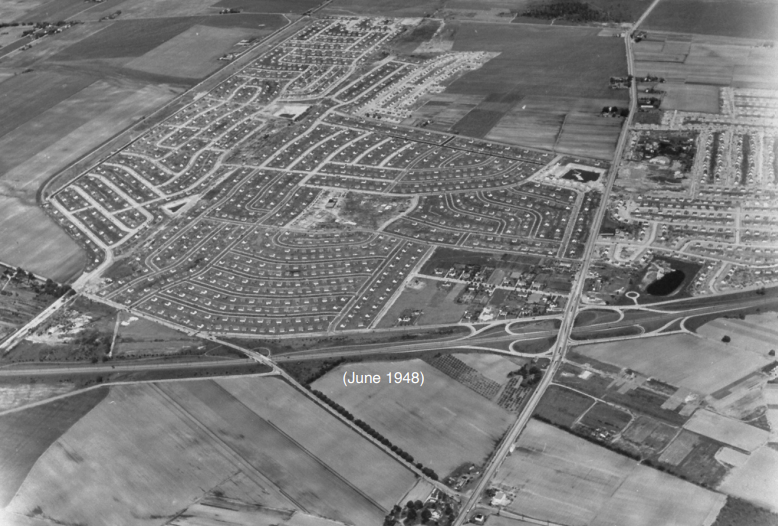
William and Alfred Levitt, “Levittown, New York
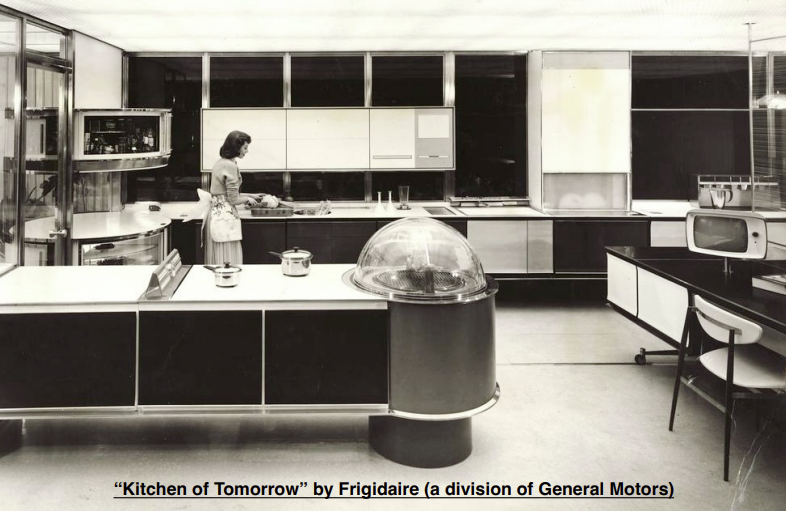
Frigidaire’s “Kitchen of Tomorrow”
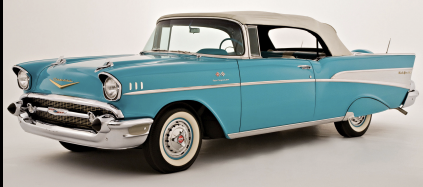
Harley Earl, “1957 Chevrolet Bel Air”
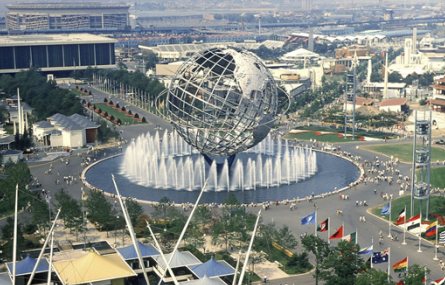
The Unisphere” at the 1964 New York World’s Fair

“Avenue of Progress” Exhibit in the General Motors Pavilion at the 1964 New York World’s Fair

Charles and Ray Eames, “Lounge Chair and Ottoman”

George Nelson, “Marshmallow Sofa”

Jacqueline Groag, “Pebbles” textil

Lucienne Day, “Miscellany” textile
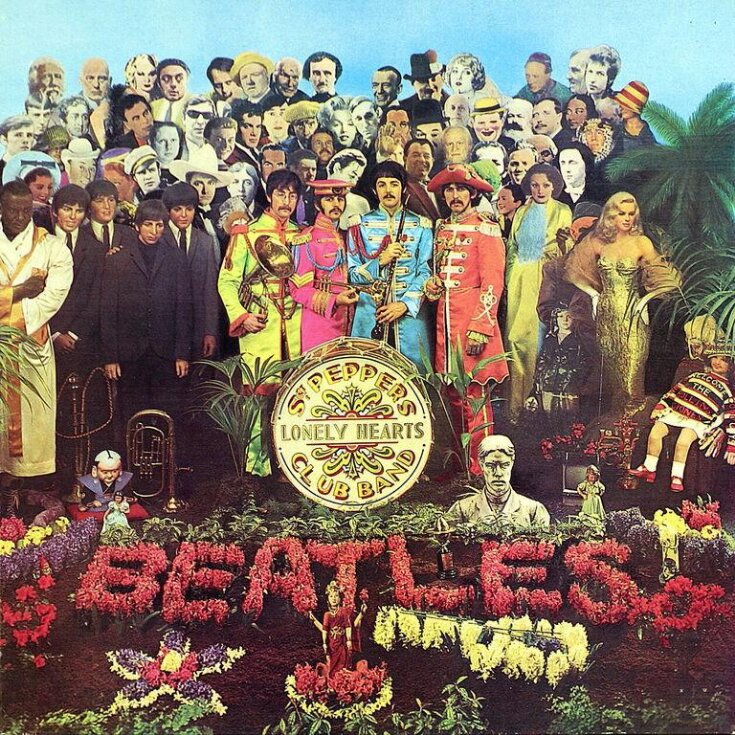
Peter Blake and Jann Haworth, “Sgt. Pepper's Lonely Hearts Club Band Album Cover” for The Beatles

Martin Sharp, “Jimi Hendrix Explosion Poster”

Robert Venturi and Denise Scott-Brown, “BASCO Showroom,” Philadelphia

Robert Venturi and Denise Scott-Brown, “Queen Anne Chair for Knoll”

Michael Graves, “Team Disney Building”

Michael Graves, “Tea Kettle for Alessi”

Ettore Sottsass, “Carlton Room Divider”

Peter Shire, “Bel Air Armchair”

Marco Zanini, “Colorado Teapot”

Vivienne Westwood, “Anarchy T-Shirts”
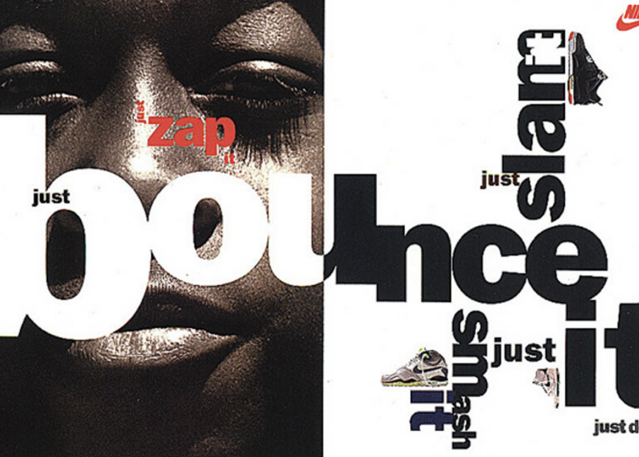
Neville Brody, “Nike Advertisement”
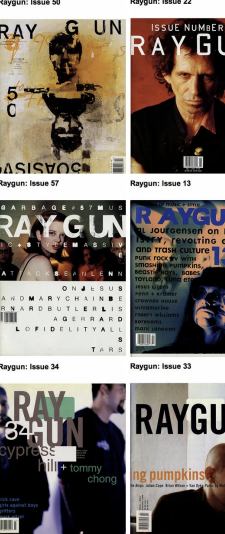
David Carson, “Bryan Ferry Article in RAYGUN”

“80 foot replica of The Liberty Bell” at the 1926 Sesquicentennial International Exposition, Philadelphia

“High Street of 1776” at the 1926 Sesquicentennial International Exposition, Philadelphia

Greenfield Village,” Dearborn, Michigan
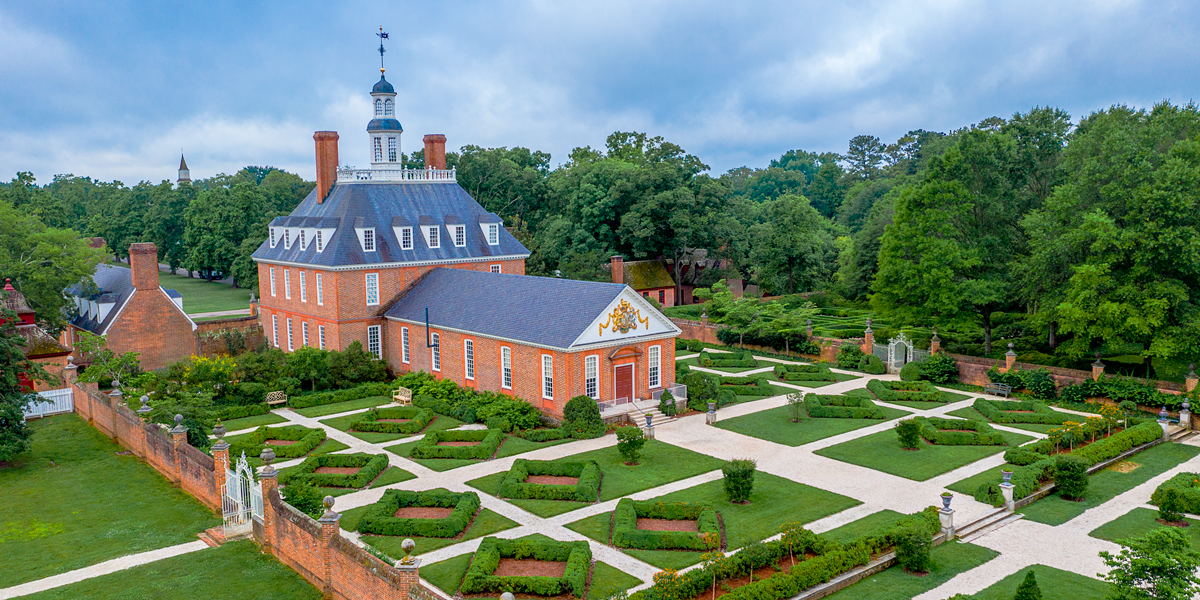
“Colonial Williamsburg,” Virginia

David Gentleman, “National Trust Logo”

Peter Windett, “Crabtree & Evelyn Logo”

Crabtree & Evelyn, Store Interior

Laura Ashley, Fabric from 1975

The Polaroid Corporation, “One Step SX-70”
The house building and property-developing firm of Levitt & Sons:
combined the traditional styling of the Cape Cod cottage with modern constructional techniques and offered a wide range of enticing all-inclusive features, such as refrigerators, washing machines, built-in televisions, and white picket fences.
The Frigidaire “Kitchen of Tomorrow”:
sought to seduce consumers with such futuristic equipment as a loudspeaker telephone able to be answered from anywhere in the kitchen, to record messages, and to send and receive written messages.
Examples of the “invention of tradition” in the designs of the Crabtree & Evelyn Company are:
The spirit of Olde England through the historicist design of its shops. A strong scent of the past was also given off by its products and packaging as well as the feeling of historical credibility afforded by the choice of names for the company’s fictitious London proprietors. In addition, Peter Windett’s design solution for their logo was based on a seventeenth-century woodcut of an apple tree.
Examples of the “marketing of lifestyle” or “the marketing of retrospection” in the designs of the Laura Ashley
Company include:
The rural imagery employed, evocative of the idyllic country cottage and its surroundings . . . ideas for complete interiors, retailing co-ordinating fabrics, wallpapers and paints . . . the coordinated orthodoxy of cotton and chintz . . . the literally rose-tinted visions evoked by catalogue texts.
Key characteristics of the “hippy movement,” which took off on the West Coast of the United States, included:
a distaste for consumer society and commitment to “doing one’s own thing,” resourcefulness, and creativity.
“The Body Shop,” founded by Anita Roddick in 1976:
has been a powerful advocate of ethical consumption in the High Street, with an emphasis on natural products and the use of re-fillable containers.
The authors define “immersion” as
to completely isolate the user from the real world, with the hope that this would contribute to the believability and efficiency of the simulation.
The authors define “presence” as:
when the multimodal simulations (images, sound, haptic feedback, etc.) are processed by the brain and understood as a coherent environment in which we can perform some activities and interact.
1. Explain the relevance of design to: POST-WORLD WAR 2 SUBURBANIZATION, AUTOMOBILES, and
JAPANESE COMPANIES.
SUBURBANIZATION - The design of the houses were replicas, critiquing Modernism, due to utilizing the assembly line and mass production. The irony is that while the designers were against Modernist ideology, the production of the houses were modernist.
AUTOMOBILES - More cars needed to be designed and produced because individual car ownership in America rose exponentially.
JAPANESE COMPANIES - Japanese companies became relevant in niche markets such as cameras, cars, and other new technologies. They tried to redesign the users relationship with those technologies to outdo the West.
Explain three reasons why the graphic design of the Beatles’ album covers (NOT just Sergeant Pepper’s
Lonely Hearts Club Band) can be described as “Questioning Modernism
They used chaotic layouts.
The Beatles used messy collages and distorted images instead of clean lines.
They mocked perfect corporate imagery.
Beatles used shocking and ironic images/design that went against the clean and structured designs of big companies..
They twisted the idea of mass production.
The Beatles made covers that were intentionally blank or uniquely numbered to look like limited-edition art instead of commercial goods.
. Explain three designed products by Robert Venturi and Denise Scott-Brown that utilize their design idea
of "both-and.”
1. Queen Anne Side Chair
The chair has a modern plywood body has a fancy, royal design.. It is both an historic design and a kitchen chair.
2. Alessi Tea Set
Each piece in this tableware set looks like a miniature historical building. It serves as both an art sculpture and a regular set of dishes.
3. Campidoglio Tray
This serving tray features a famous pattern by Michelangelo. It is both a high-art tribute to MIchelangelo and a plate for eating.
Explain three historically-accurate re-creations at Colonial Williamsburg, Virginia
The Governor's Palace was rebuilt using old drawings and original foundations to show how royal governors lived.
The Capitol was reconstructed on its exact 18th-century foundation to show where early Virginia lawmakers met.
The Raleigh Tavern was rebuilt on its original site to show how an 18th-century social and political hub operated.
Explain the nostalgia of Instagram’s FIRST ICON, FILTERS and SQUARE FORMAT
(NOTE: This question is NOT asking about Instagram’s logo).
The first icon looked exactly like a real Polaroid camera. The filters added faded and warmer colors to new pictures, giving the illusion that the photo is from an older time. The square format represents how polaroid’s print square photos.
Explain the nostalgia of Steampunk, Reminisce magazine and “Throwback Thursday”.
Steampunk blends modern technology with 19th century powered steam engines. It combines futuristic ideas with an old clockwork style of design.
Reminisce magazine publishes personal stories from older readers. It sparks nostalgia by allowing readers to relive fond, simple memories of American life from decades ago.
This weekly internet trend encourages people to share old personal photos and memories online. It creates a fun, collective sense of nostalgia by letting friends look back at how much they have grown and changed over time.
From Gary Hustwit’s “Helvetica” (2007), explain specifically why each designer does not use the Helvetica typeface
(that is, their attitude towards it): PAULA SCHER, STEFAN SAGMEISTER and DAVID CARSON
PAULA SCHER - associates it with sponsors of the Vietnam war since big corporations used it to get sponsors.
STEFAN SAGMEISTER - becomes very boring and removes visual interest from a design
DAVID CARSON - believes the type chosen should convey the word meaning. if everything uses helvetica, the meaning is the same for every word, when thats not how words work.
WHAT is so nostalgic about the television show “Pleasantville” for David (the brother) and Jennifer (the sister)?
David uses the show represents a safe, comforting escape from his parents' divorce.
Jennifer realizes that Pleasantville has a nice guy who are genuinely interested in her, in comparison to the rude guys who only want her for sex.