Gastrointestinal Disease in Avian and Exitic Species
 Call Kai
 Learn
 Practice Test
 Spaced Repetition
 Match
 Flashcards
 Knowt Play
1/103

There's no tags or description
Looks like no tags are added yet.
104 Terms
History questions
-diet
-faeces like quality and appearance
-any recent changes
-inside or outside
-stress? Pain?
-any new pets
Why can you palpate organs easy
-thin abdo muscles
-transillumination in geckos
Important points of examination in reptiles
-head and mouth exam
-faecal analysis
-metabolic bone disease signs
Birds clinical exam important points
-observe bird before handling
-careful handling, do not restrict rib cage (no diaphaprgm)
-look at droppings in travel cage
-limited coleomic palpation due to large rib cage
Clinical signs of GI disease similar to other animals
-reduced appetite/anorexia/dysphagia
-reduced faecal droppings/constipation
-diarrhoea/tenesmus/undigested faeces
-pain
-lethargy/deoression
-weight loss
-dehydration
-haematichezia
Clinical signs of GI disease common in birds
-enlarged crop
-fluffed up
Clinical signs of GI disease in reptiles
-heat seeking
-stomatitis
-prolapses
Clinical signs of GI disease in snakes
Body swelling
Vomiting common in what species
Ferrets
Vomiting and regurgitation not seen in
Omnivorous rodents
Regurgitation in reptiles related to
Husbandry
Regurgitation common in
Birds
-normal or indication of disease
-crop so short means short distance
Normal regurgitation in birds for what
-courtship behaviour
-physiological cast formation (raptors)
-crop milk feeding (pigeons)
-fear, excitement (vultures, penguins)
Stomatitis in tortoise
-yellow
-redness
-ulcers

Icterus in spur high tortoise
Very yellow

Common GI conditions in reptiles
-husbandry
-bacterial e.g. mycoplasma
-viral e.g. heroes, inclusion body disease, adenovirus
-Protozoa e.g. crypto, coccidiosis, trichomonS
-neoplasia
-impactions/obstructions e.g. dehydration, FB
-prolapses
Reptile husbandry causes of GI disease
-inappropriately temp ( too cold or incorrect bulb)
-dehydration
-inappropriately or excessive quantities of food
-excessive handling after a meal (snakes)
-ingestion of substrate and foreign material
-overcrowding/mixing of species
-poor hygiene
Ascarids

Oxyurids

Crypto affects where in body
Stomach and SI
Coccidiosis

What can distension of snakes body indicate
-Recent meal
-gravidity
-neoplasia
-abscess
-organomegaly
1.hypertrophic gastric due to crypto
2. Dystocia

Clinical signs of crypto in stomach
-vomiting
-weight loss
-hypertrophic gastritis
Clinical signs of crypto in SI
-diarrhoea
-passing undigested foods
-weight loss
Crypto in snakes and lizards
Very infectious and progressive
Hard to treat
Treatment for crypto
None
Herpes body systems
Multiple
Inclusion body disease
Arenavirus effecting snakes
Clinical signs of herpes
-necrotising stomatitis
-Enteritis

How is inclusion body disease spread
Mites
Boas inclusion body disease clinical signs
-regurgitation
-slow wasting
-neuro signs
Pythons inclusion body disease
More rapid and acute death
Adenovirus affects what species the most
Bearded dragons
Adenovirus in bearded dragons clinical signs
-anorexia
-diarrhoea
-wasting
-neuro signs
Foreign bodies
-substrate inoaction
-water gels fir feeder insects
-tortoise deliberately ingest white objects
Hepatitis caused by
-toxins
-fibrosis
-neoplasia
-viral
-bacterial
-fungal
-Protozoa
Mild hepatic lipidosis
Considered normal
Pathological hepatic lipidosis 2ry to
-poor husbandry and diet
-improper or lack of hibernation
-bacterial infection
-parasitism
-nshp
-Poos
Bird common GIT conditions
-crop imoactions and infection e.g sour crop
-FB or lower GI obstruction
-systemic infection
-endoparasites
-diet change or poor diet
-GIT infection or enteritis
-liver disease e.g. hepatic lipidosis 2nd
-neoplasia
-antibiotic overuse
Causes of abnormal regurgitation in birds
-iatrogenic
-organomegally
-infectious
-obstruction
-crop stasis +/- infection
-plants (yew, rhododendron)
-toxicity (e.g. lead, zinc, chocolate)
Crop stasis presents as
-regurgitation
-delayed crop emptying
-sour odour (due to stagnant fluid)
-inappetance, dehydration, lethargy
Sour crop
-primary crop infection
Or
-2ry bacterial and/or fungal infection
Normal crop fill
-overnight no eating
-early morning empty crop
-daytime eating
-Kate afternoon full crop
Diarrhoea in birds
-watery droppings normal
-affected by diet
-diet changes may induce diarrhoea
CONFIRM DIARRHOEA AND NOT POLYURIA
Common cause of diarrhoea in birds
Systemic not GI
What does coprodeum do
receives excrement from intestine
Three parts of cloaca
-coprodeum
-urodeum
-proctodeum

What does urodeum do
receives discharge from the kidneys and genital ducts
What does proctodeum do
Last storage before passed in faeces
Causes of haematochezia
From cloaca, GI, urinary tract or repro tract
-egg oay8ng probs
-cloacal papillomas or neoplasia or ulcers
-infectious enteritis
-heavy metal toxicity (kidneys)
Cloacal prolapses
-find cause
-common
Cause if rectal prolapses
-enteritis
-parasites etc.
Cause of oviductal prolapses
Egg laying females that strain excessively
Differentials for stomatitis
-candida (yeast)
-bacterial
-capillariasis (endoparasites)
-trichomoniasis (flagellated Protozoa)
-viral e.g. pox virus (wet form) pigeon herpes
Stomatitis
Inflam or irritation of mucous membranes of mouth

Proventricukis dilatation disease caused by
Bornavirus mainly affecting psittacine birds
clinical signs of proventricular dilatation disease
not always cause, birds can be carriers
what does PDD do
-inflam disease of GI and neuro systems
-damaged nervous system does not allow nutrients to be digested or absorbed
-causes increase in size of proventriculus
-progressive fatal condition
-no known treatment
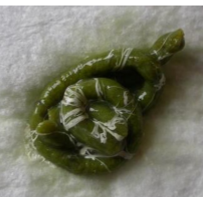
liver disease in birds
-non specific clin signs
-biliverdinia is strong indication (green colour of urate fractions of excreta)
-enlarged liver palpated below sternum
-polydypsia and com sometimes
common causes of liver disease in birds
-bacteria (myco, chlamydiosis, salmonella)
-viruses (polyomavirus, adenovirus)
-protozoa (atoxaplasmosis, coccidia)
-parasites (fluke, migrating nematodes)
-toxins (mycotoxins, plants, chemicals)
-amyloidosis
-neoplasia
common disease in obese birds
hepatic lipidosis as high fat diet
diagnostic plan trying to find out
-location (upper or lower GI, other organs involved)
-infectious?
-severity/prognosis
-diagnosis
diagnostic options
-haem and biochem
-imaging
-crop and faeca; cytology and bacteriology (c and s)
-PCR testing
-histology and FNAs
-ex lap/coeliotomy
-PM for flock/collection probs
imaging options
-raidography
-ct
-endoscopy
-US
radiography as diagnostic
-FBs, organ enlargement, tumours

radiogrpahy in birds and reptiles
-contrast medium useful
-identify obstructions and slow GI motility

haem and biochem used for
-detect things like inflam process, infection, organ damage
-normal despite pathology
-determine severity and help stabilise
-detect what organs or systems involved
-pre GA for imaging
what to always do with blood
fresh blood smear
faecal testing
-flotation parasitology for endoparasites
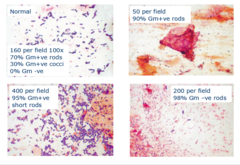
-gram stains +/- culture for bacterial causes

what is faecal PCR good for
specific pathogens like
-bornavirus (PDD)
-chlamydophilia (psittacosis, 3 day pooled)
-crypto
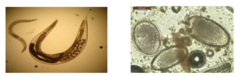
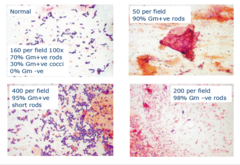
gram staining in birds
mouth and crop testing
-cytology or wet prep of oral lesions or crop fluid
trichomonas
-motile flagellated organism
-warming samples increases activity
candida
yeasts
-low levels normal
liver disease diagnostics
-faecal exam
-total body radiograph (enlarged liver?)
-haem exam
-biochem
biochem in birds liver disease
GLDH, bile acids (AST, LDH)
reptiles biochem for liver disease
-none
-LDH/ALT/ALP/GGT widely distributed
rabbits liver disease biochem
GGT more specific than ALT and ALP
husbandry correction
-temps
-UV provision
-ventilation
-humidity
-diet
-supplements
-good biosecurity
supportive care
-pain relief
-fluids
-warmth at POTZ
-tube feeding birds and reptiles
-liver supplements
pain relief for reptiles
morphine or buprenorphine
NSAID
birds pain relief
NSAID
butrophanol
small mammals pain relief
NSAID
buprenorphine
tube feeding what diet for birds and reptiles
high protein recovery diet
liver supplements for liver disease
-lactulose
-thyroxin
-SAMe
-sylmarin
-L cartinine
appetite stimulant in reptiles
vit b or c
antibiotics to use
-TMPS
-doxycycline
-metronidazole
-c and s recc
treatment for sour crop
oral nystatin
treatment for avian gastric yeast
oral amphotericin b
antifungal prevention
use apple cider vinegar in water
anthelminitics to usw
-fenbendazole
-ivermectin
antiprotozoal to use
-metronidazole (appetite stim in reptiles)
h2 antagonists
-ranitidine
-fomatidine for ferret stomach ulcers
ivermectin caution
-kills chelonia
-safe for other species
metronidazole caution
-used for protozoa and bacteria in snakes
-king snakes and indigo snakes very sensitive so lower dose if no alternative
salmonella in reptiles treatment
none
crypto tratment in reptiles
none
PDD treatment in birds
none
commensals of oral cavity ad cloaca in reptiles
-salmonella
-e coli
-pseudomonas
-klebsiella
-aeromonas
-citrobacter
can become pathogenic with poor husbandry
why no treatment for salmonella in reptiles
prevent resistant strains