Buda Academic Chemistry: CH 7- Ionic Compounds
 Call Kai
 Learn
 Practice Test
 Spaced Repetition
 Match
 Flashcards
1/15

There's no tags or description
Looks like no tags are added yet.
16 Terms
octet rule
atoms tend to gain, lose, or share electrons in order to acquire eight valence electrons
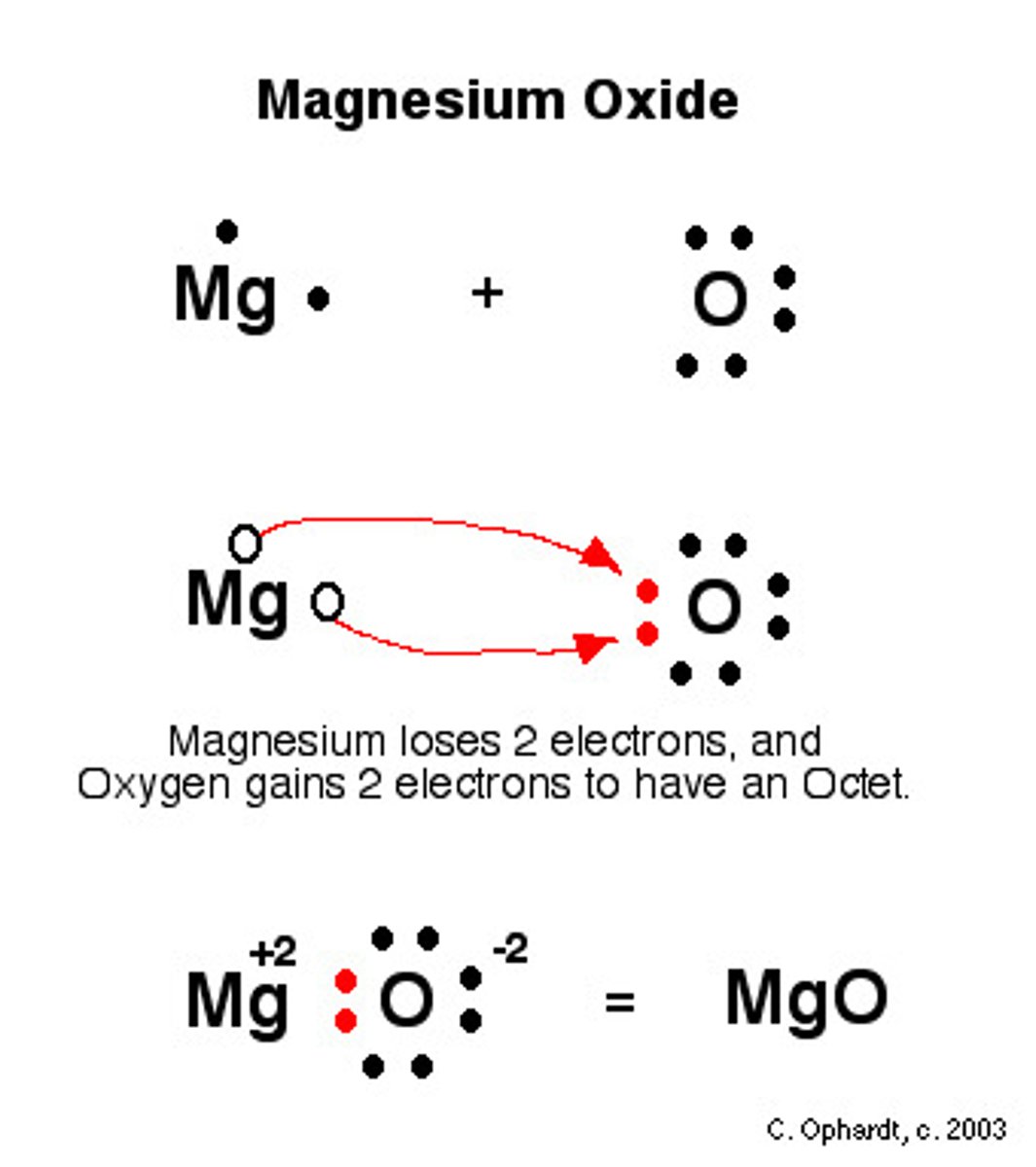
chemical bond
the force that holds two atoms together; may form by the attraction of a positive ion for a negative ion or by sharing electrons.
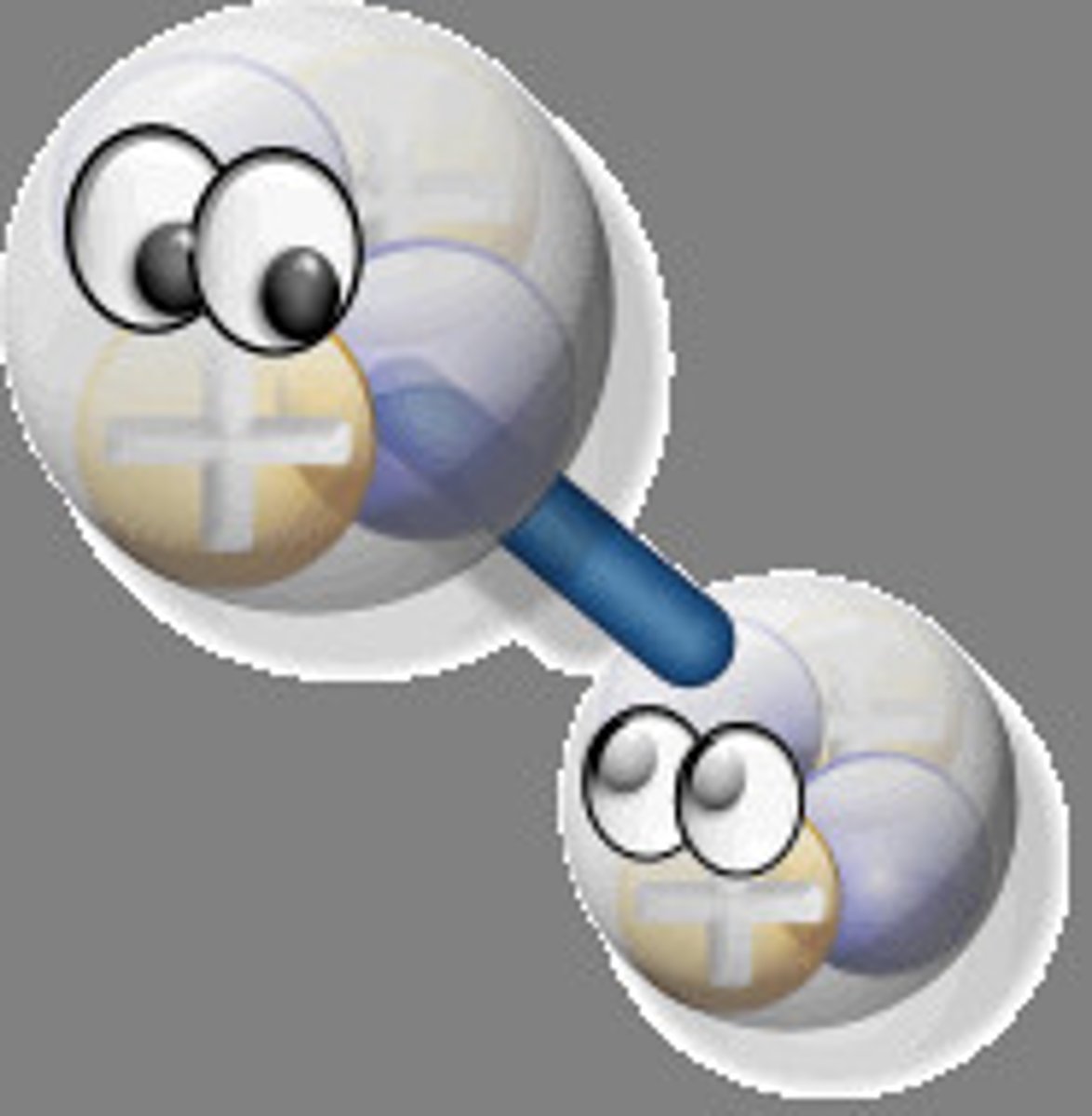
cation
positively charged ion
anion
negatively charged ion
compound
a chemical combination of two or more different elements
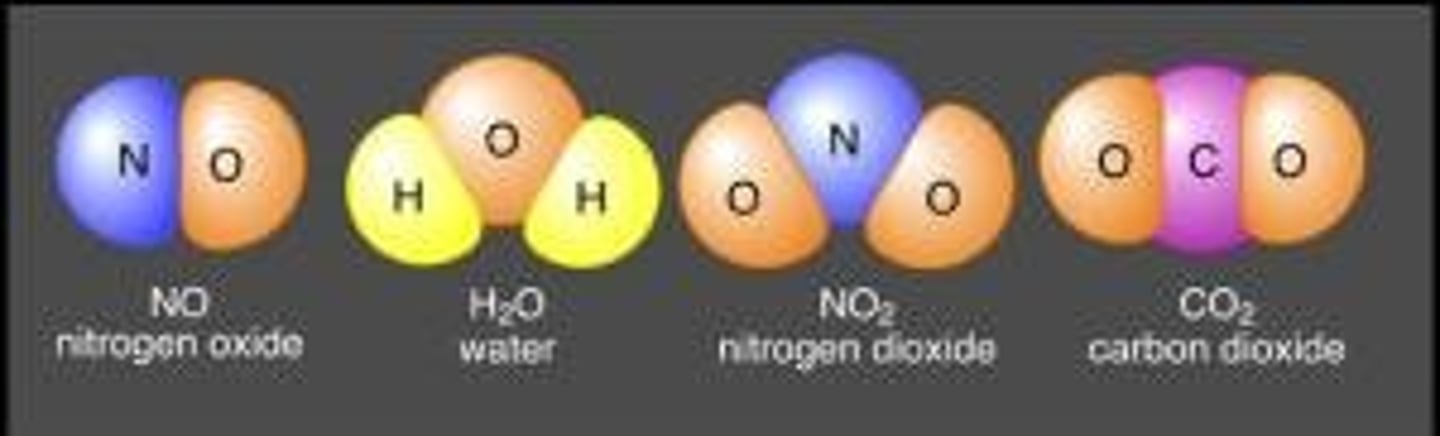
ionic bond
the electrostatic force that holds oppositely charged particles together in an ionic compound
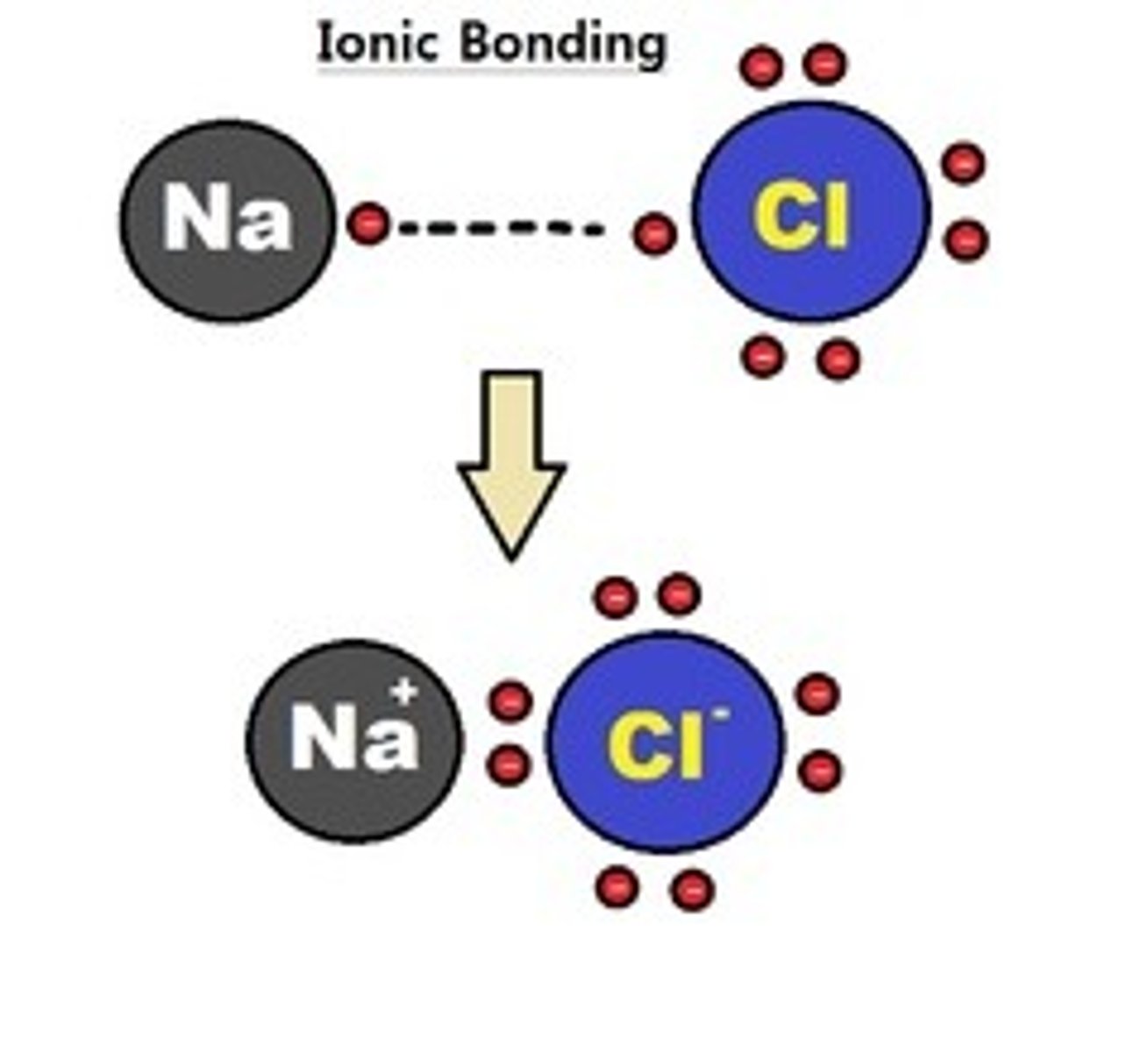
ionic compound
compounds that contain ionic bonds
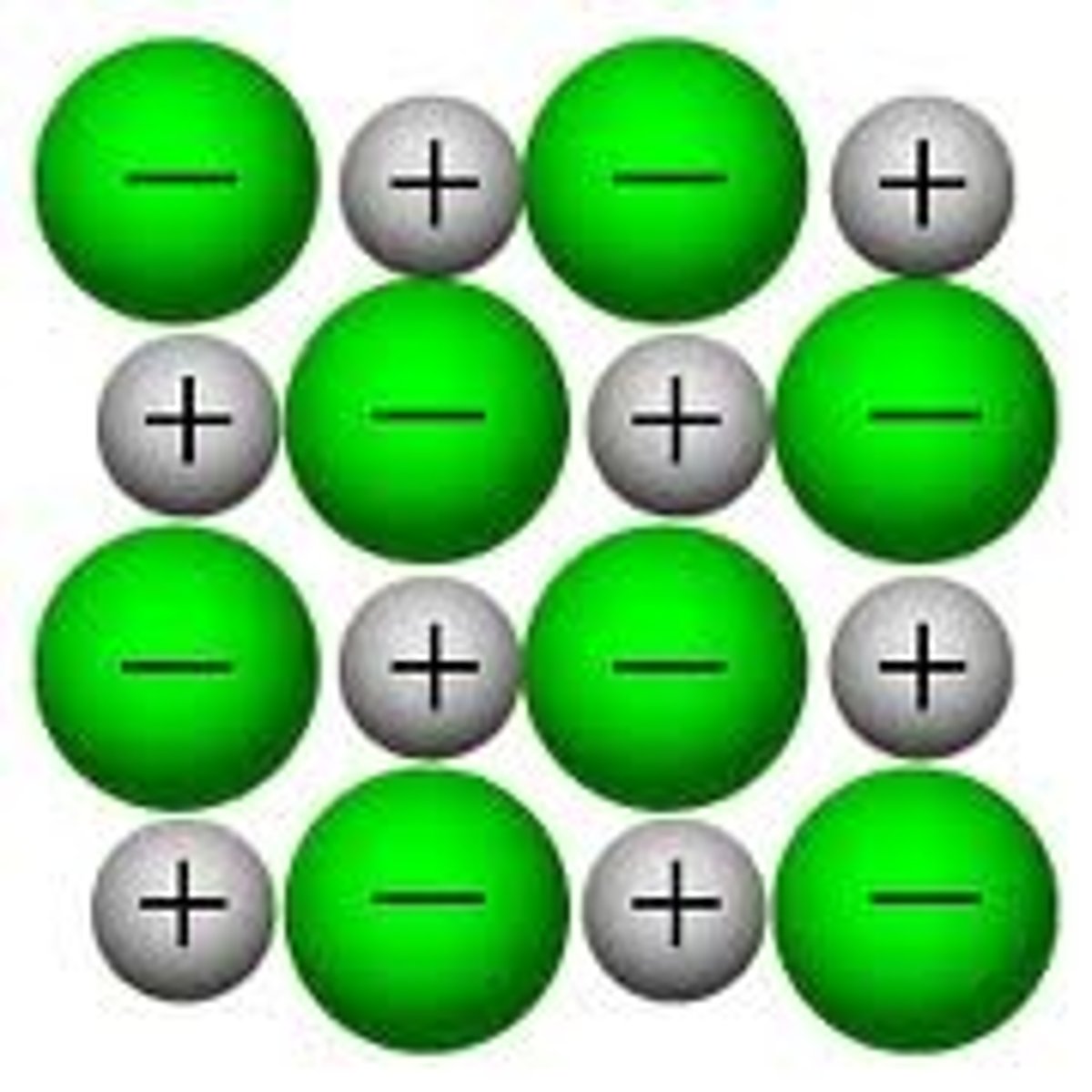
formula unit (empirical Formula)
The simplest ratio of ions represented in an ionic compound.
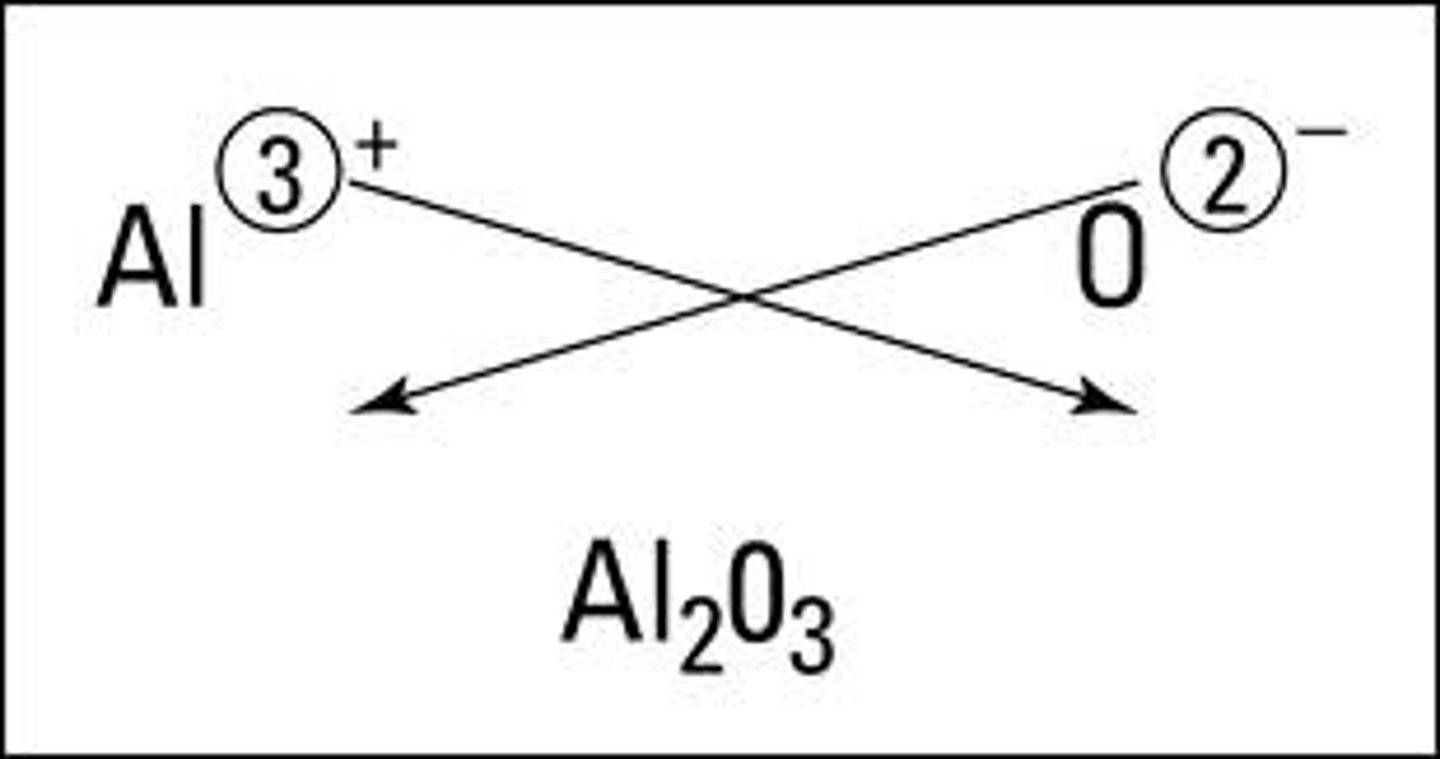
monatomic ion
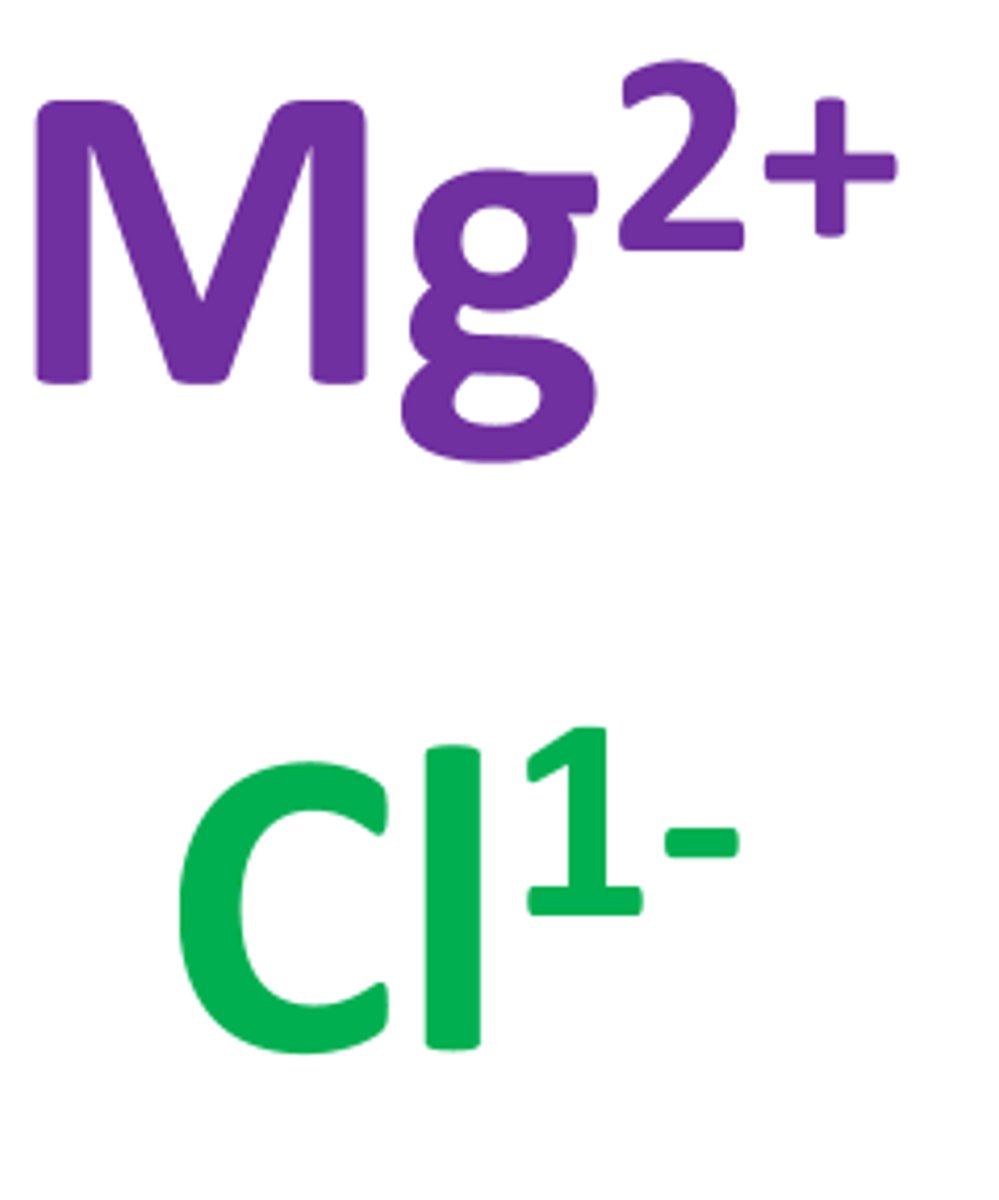
a one-atom ion, such as Mg^2 or Br^-
polyatomic ion
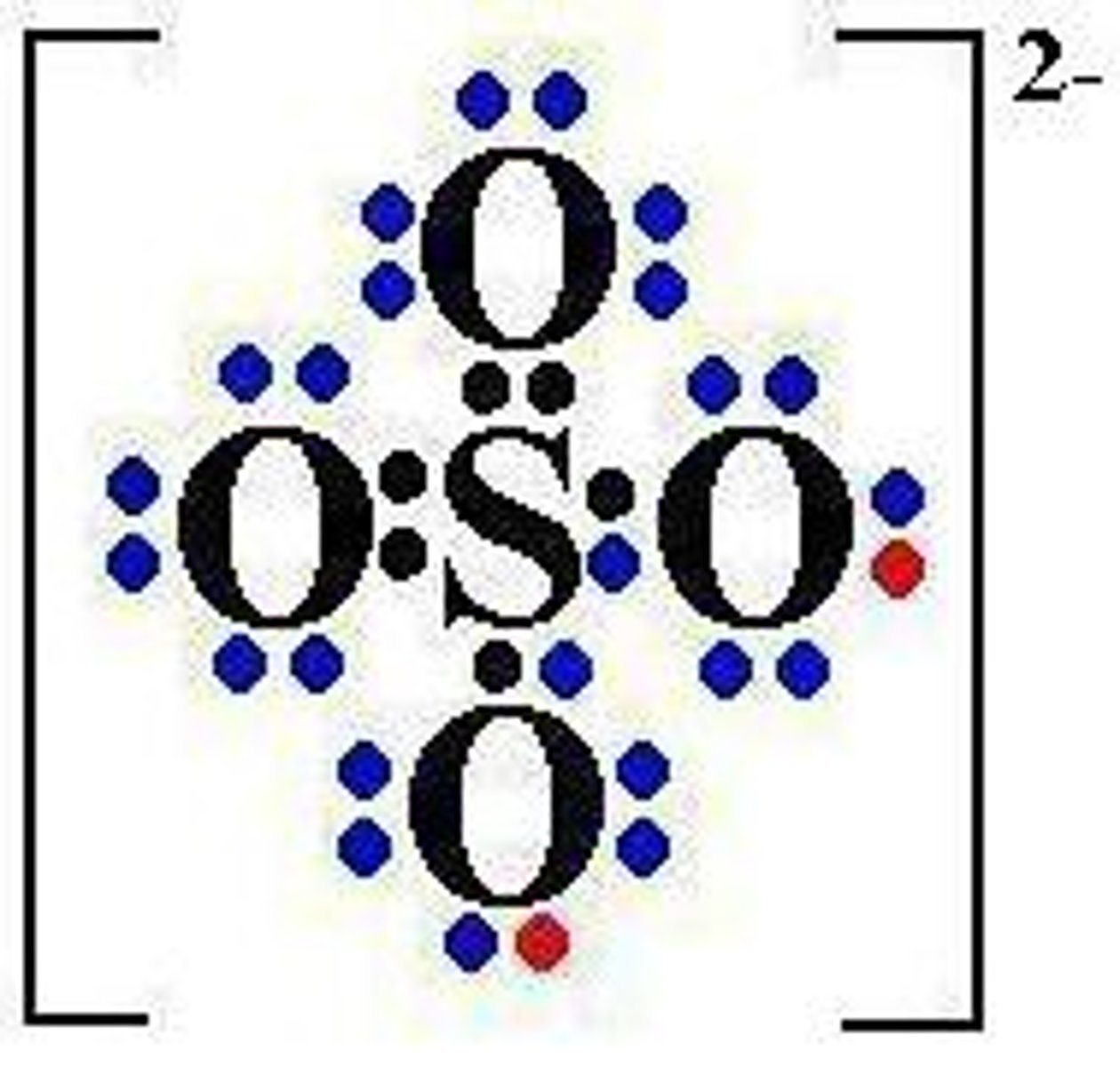
ions made up of more than one atom bonded together that acts as a single unit with a net charge.
oxyanion
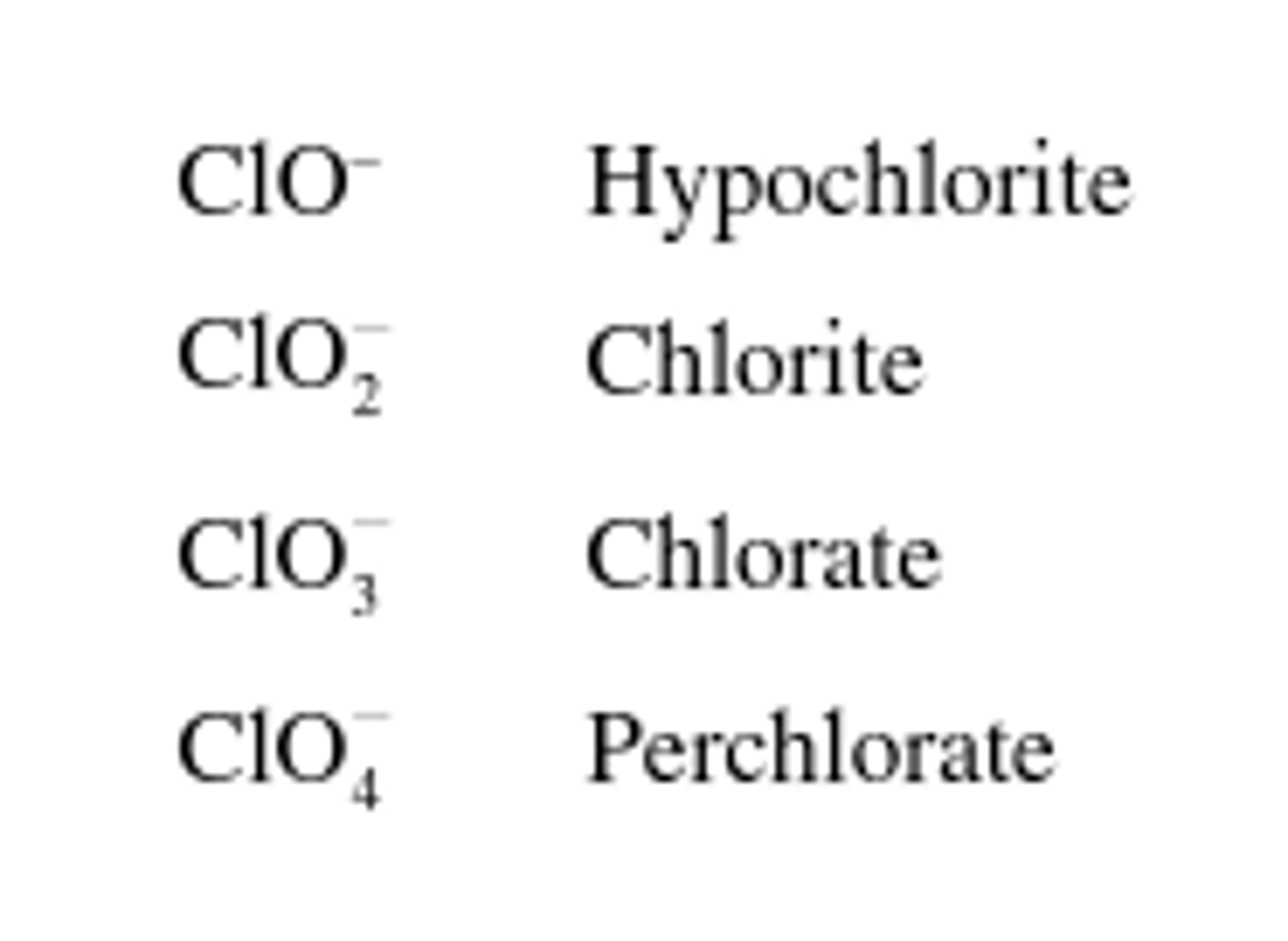
polyatomic ion composed of an element, usually a nonmetal, bonded to one or more oxygen atoms
covalent bond
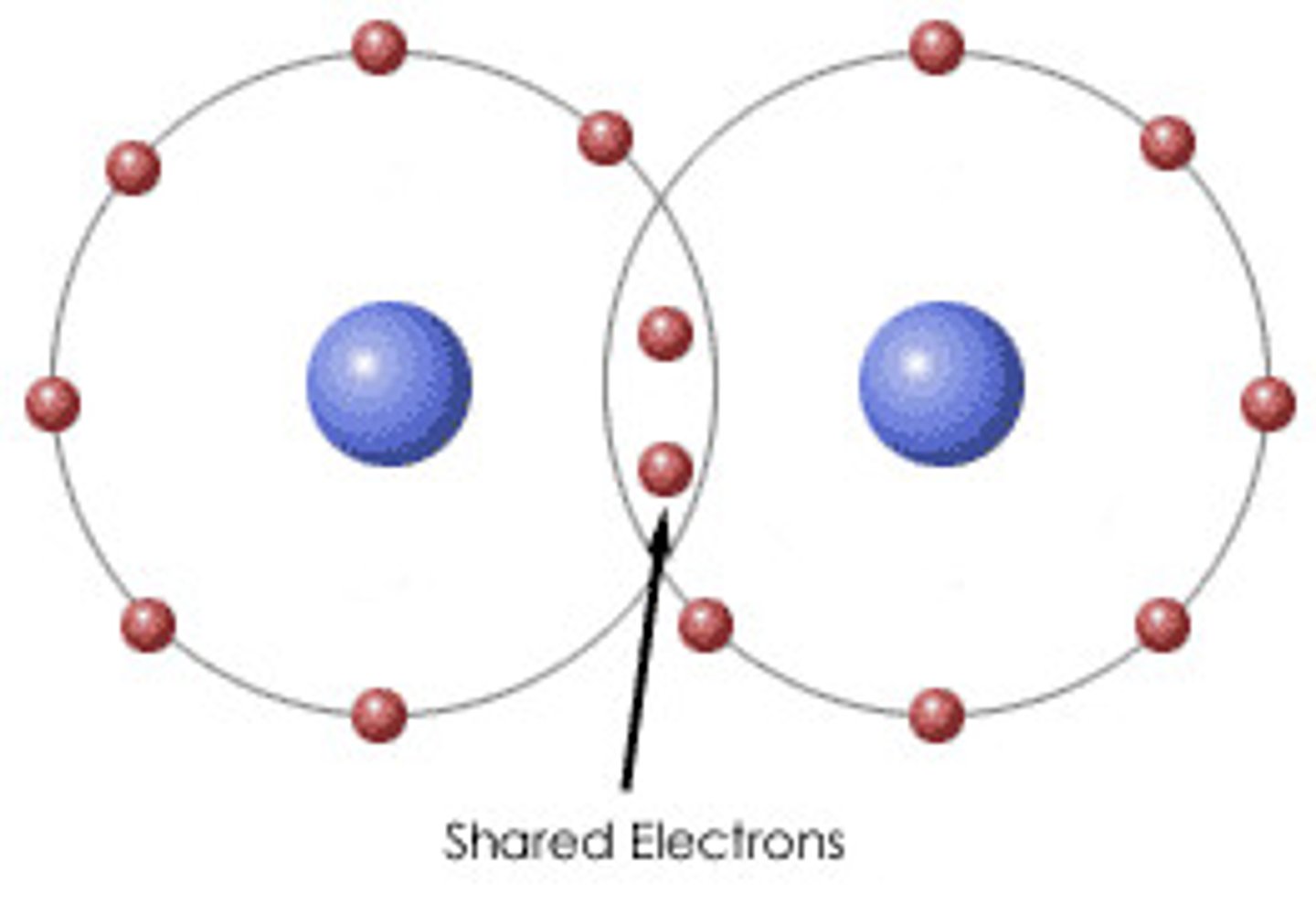
A chemical bond that involves sharing a pair of electrons between atoms in a molecule
oxide
a binary compound of oxygen with another element or group. (MgO)
salt
an ionic compound that forms when a metal atom bonds to nonmetal atom (CaCl2)
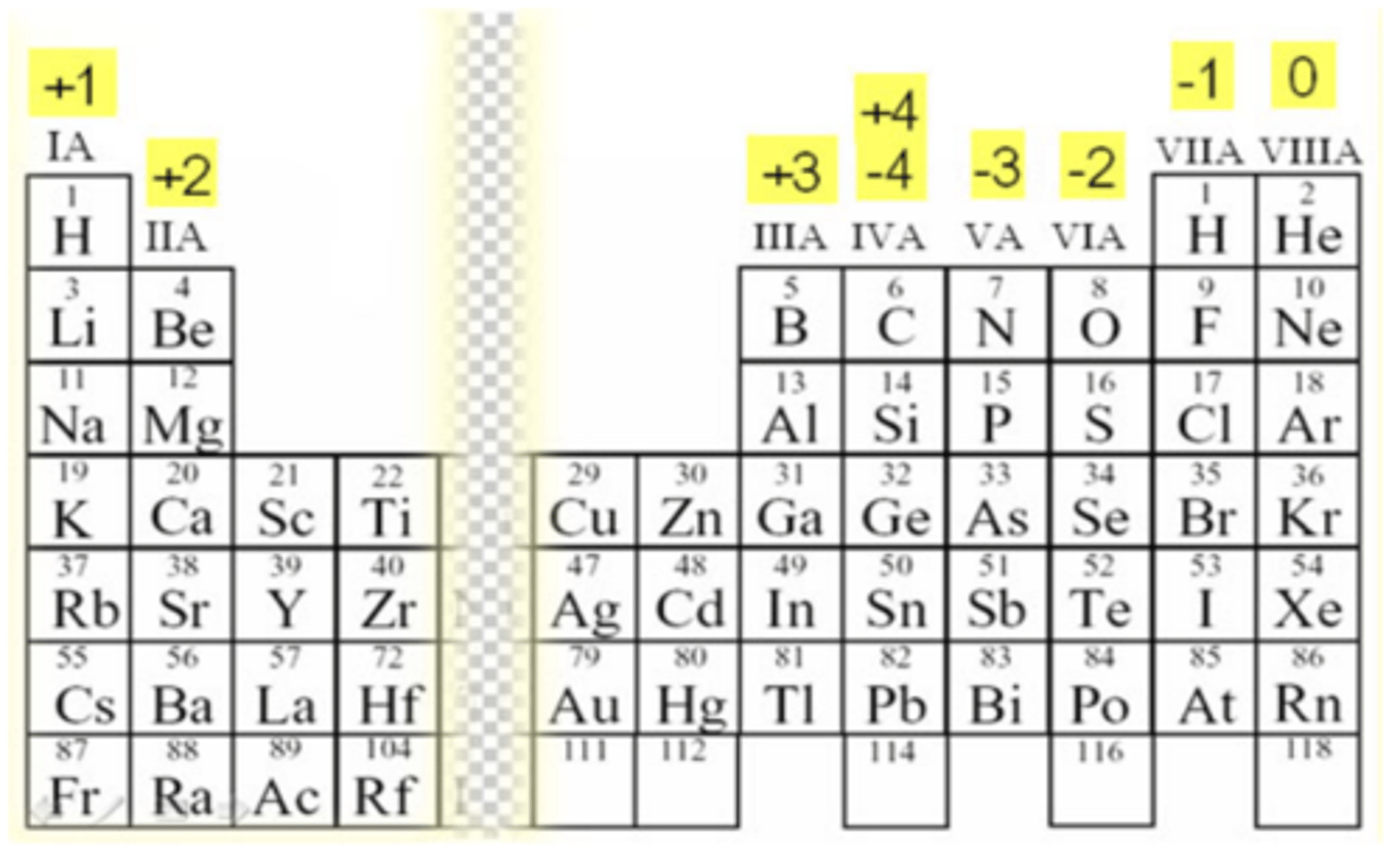
oxidation number
Positive or negative number that indicates how many electrons an atom has gained, lost, or shared to become stable
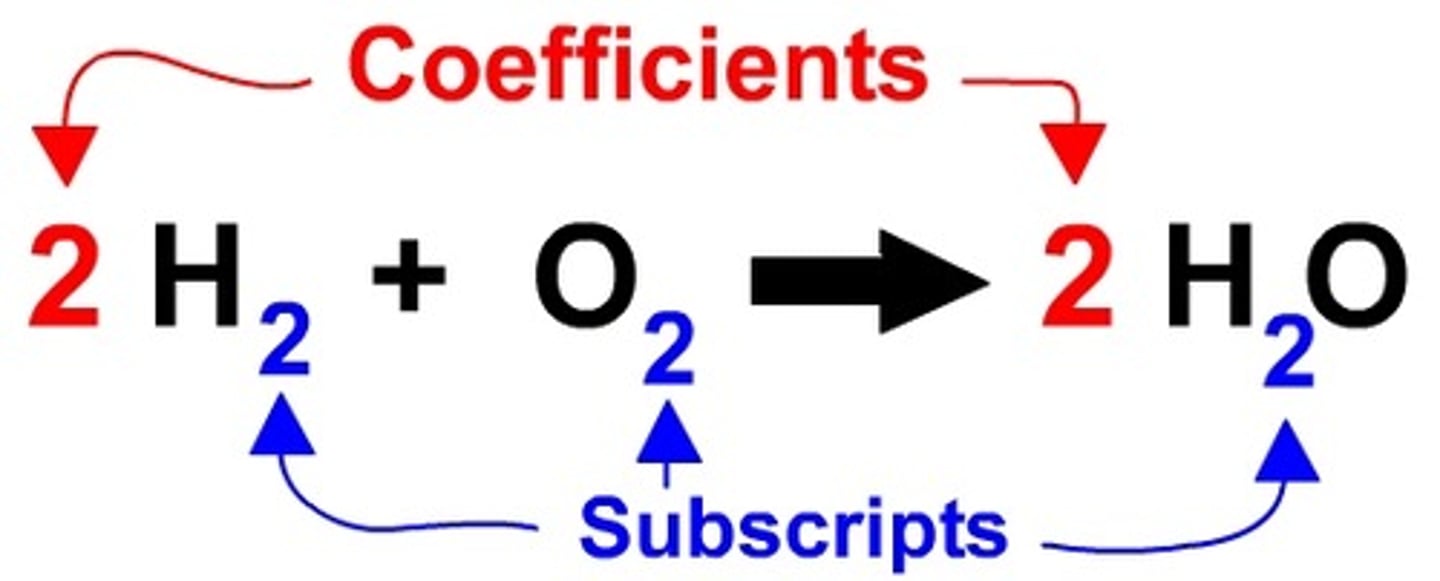
subscripts
tell the ratio of elements in a compound