Art Key Works - Second Half
 Call Kai
 Learn
 Practice Test
 Spaced Repetition
 Match
 Flashcards
 Knowt Play
1/73

There's no tags or description
Looks like no tags are added yet.
74 Terms
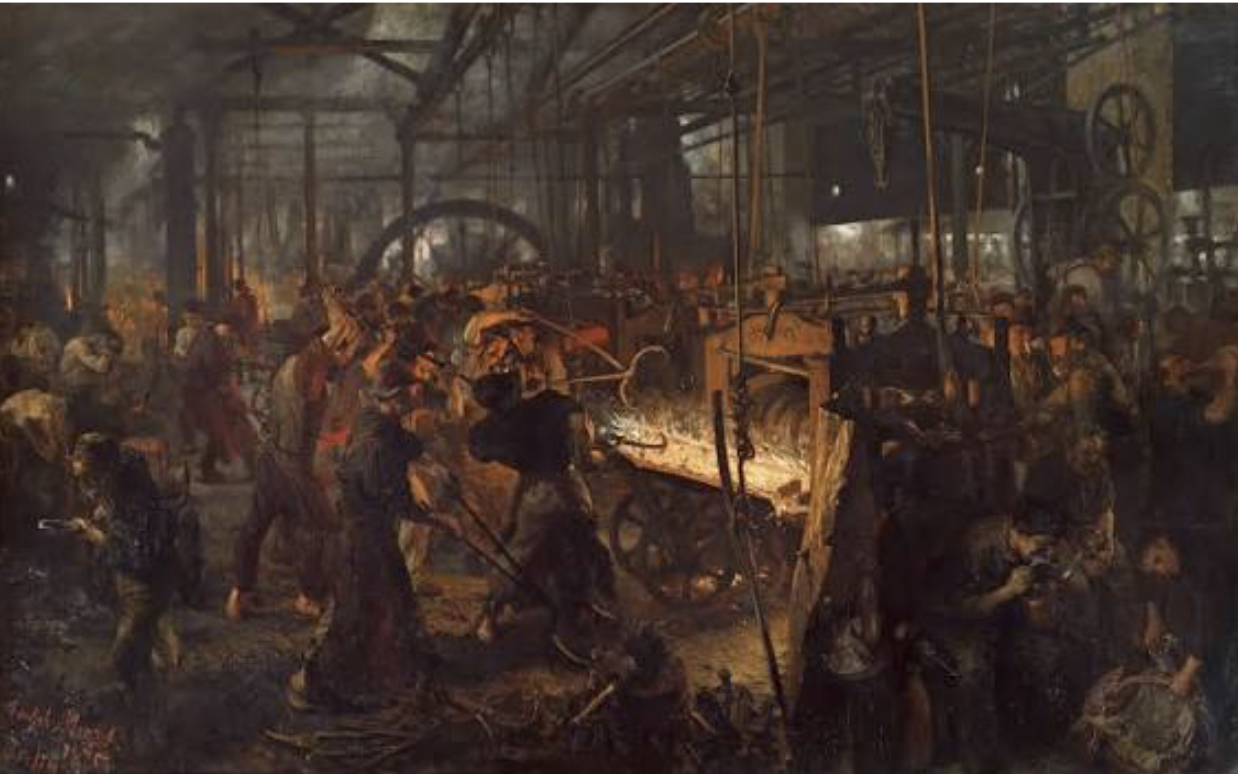
Adolp Menzel, The Iron Rolling Mill, Realism
Analysis of “The Iron Rolling Mill”
Depicts dirty and hardwork. Shows us the progress of technology and innovation
Illusion of mythological beings forming their tools

Claude Monet, Impression Sunrise, Impressionist, Industrial Revolution
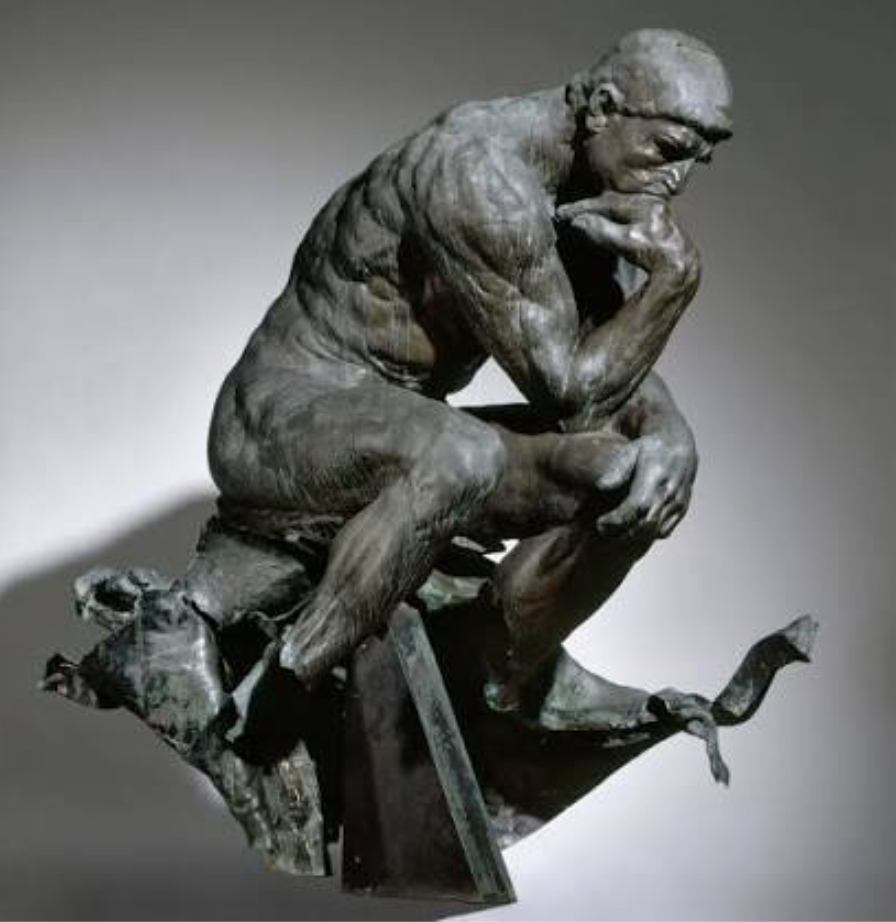
The Thinker, Auguste Rodin, Realist/Modern Sculpture. Light hits, making it almost feel alive

Woman Bathing, Mary Cassatt, Impressionist. Details of Japanese culture

Dans le lit, Lautrec, post-impressionist. Sex workers probably lesbian, unaware of the viewer.
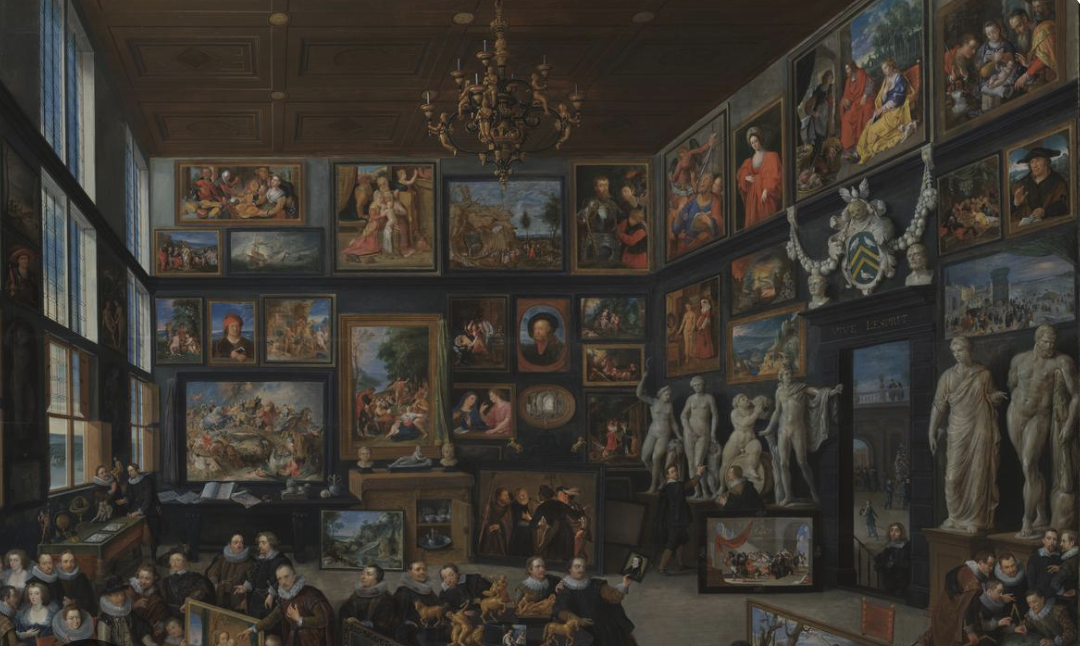
Kuntskamer of Cornelius van der Geest, van Haecht, Renaissance

The Gulf of Marseilles Seen from L’Estaque, Paul Cezanne, Post Impressionist. The strokes are visible and the way the light reflects off the water and mountains is impressionist. There are very few black lines. Theres not flatness like impressionist.

Starry Night over the Rhone, van Gogh, Post Impressionist - Brush strokes, light, water, time of day, blurry border, no layering- These are all impressionist styles in the post impressionist art

Le bonheur de vivre, Matisse, Fauvism
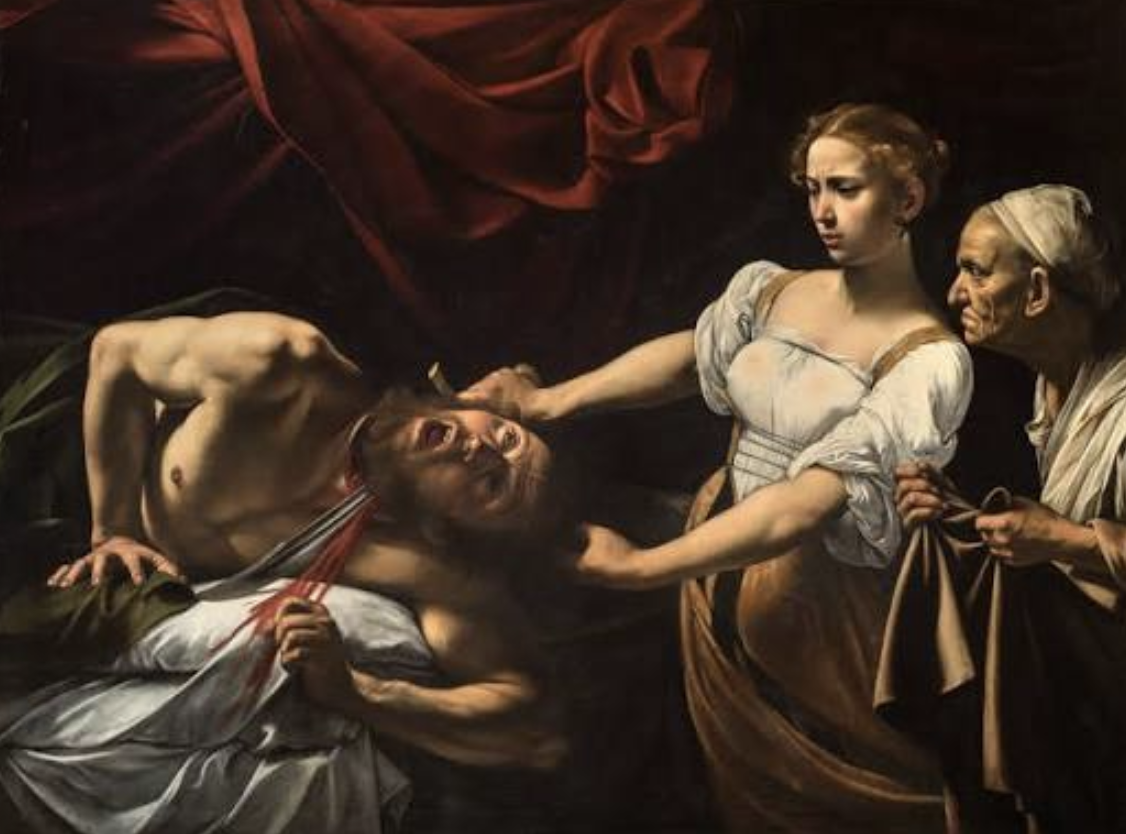
Judith Beheading Holofernes, Caravaggio, Baroque - This scene is not that realistic. The blood looks fake. Outlook is like string more than blood.

Judith and Holofernes, Gentileschi, Baroque -
Depicting the same scene as the artwork above.
It's more realistic. The blood looks more realistic, the emotion of struggle, is more realistic. The power levels are much better. Physical effort is more apparent

Apollo and Daphne, Bernini, Baroque - Idea of the action shot of the baroque. A moment frozen in time
Daphne is turning into a tree once Apollo catches up to her.
Apollo is depicted as surprised

Festoon with Flowers and Fruit, Ruysch, Baroque

Beware of Luxury, Jan Steen, Baroque -
The scene depicts chaos
There's a dog on the table eating, a duck on a man's shoulder, an overflowing basket on the wall, and the floor is dirty.
The woman holding wine over the man's crotch shows she is devious
Moral message is that too much wealth can lead to laziness and chaos
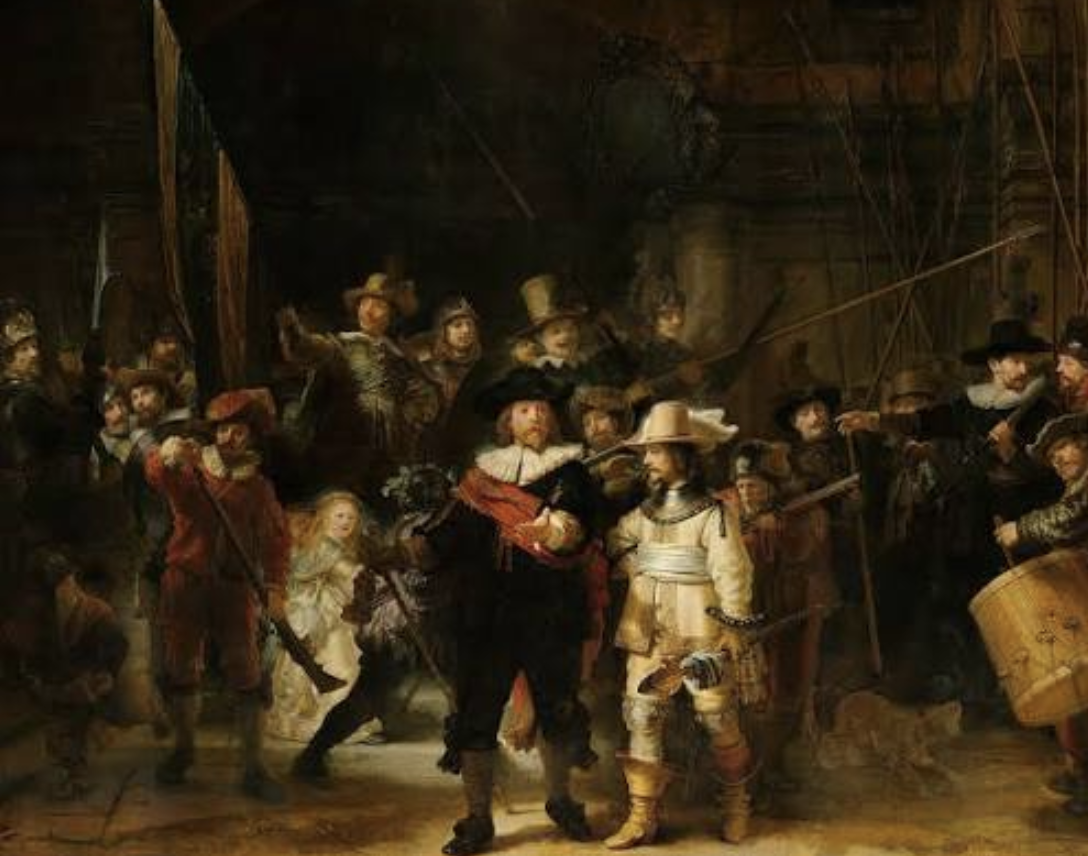
The Night Watch, van Rijn, Baroque -
A real genre scene
The men in this pic had to pay to be included
They are marching in a parade
The girl in the dress Is allegorical
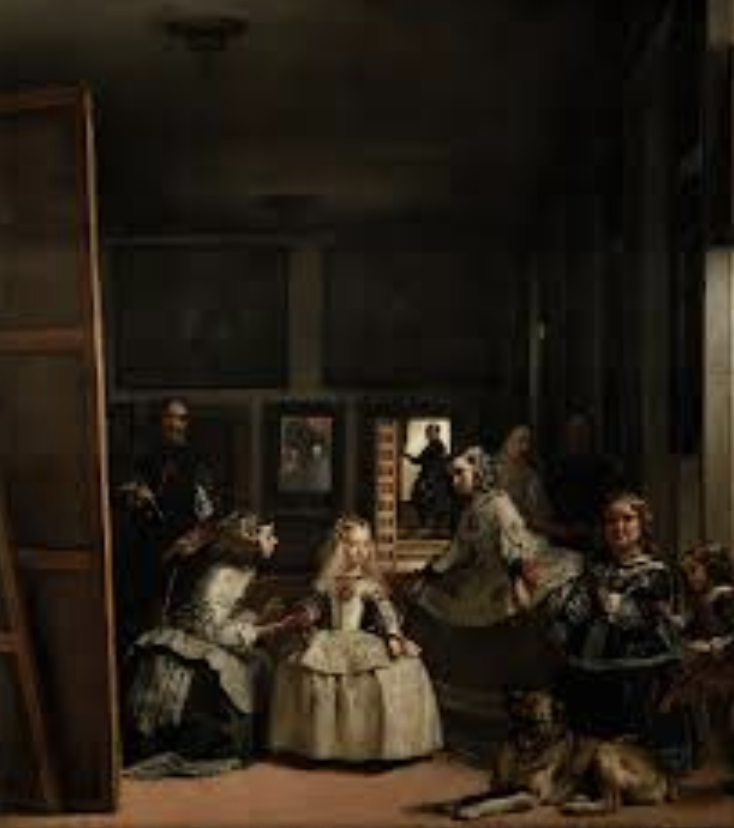
Las Meninas, Velazquez, Baroque -
The artist is in the picture. He's the man on the far right. He painted himself into a scene with the royal family which is risky. On his chest is a red cross which depicts a major award that he received. The award is for men with a great reputation. He got the award after this painting was finished so he added the red cross
You can see the king and queen in the mirror. Makes us question if we as the imaged spectator are king and queens
There people with dwarfism
There is a chamberlain in the deep background

Emphasis of Flowers, Boucher, Rococo -
Venus and Amor
Motif of sea shells
Shows love
Cupid has been disarmed

Roman Ruin, Norbert Grund, Rococo
Shows men on the Grand Tour
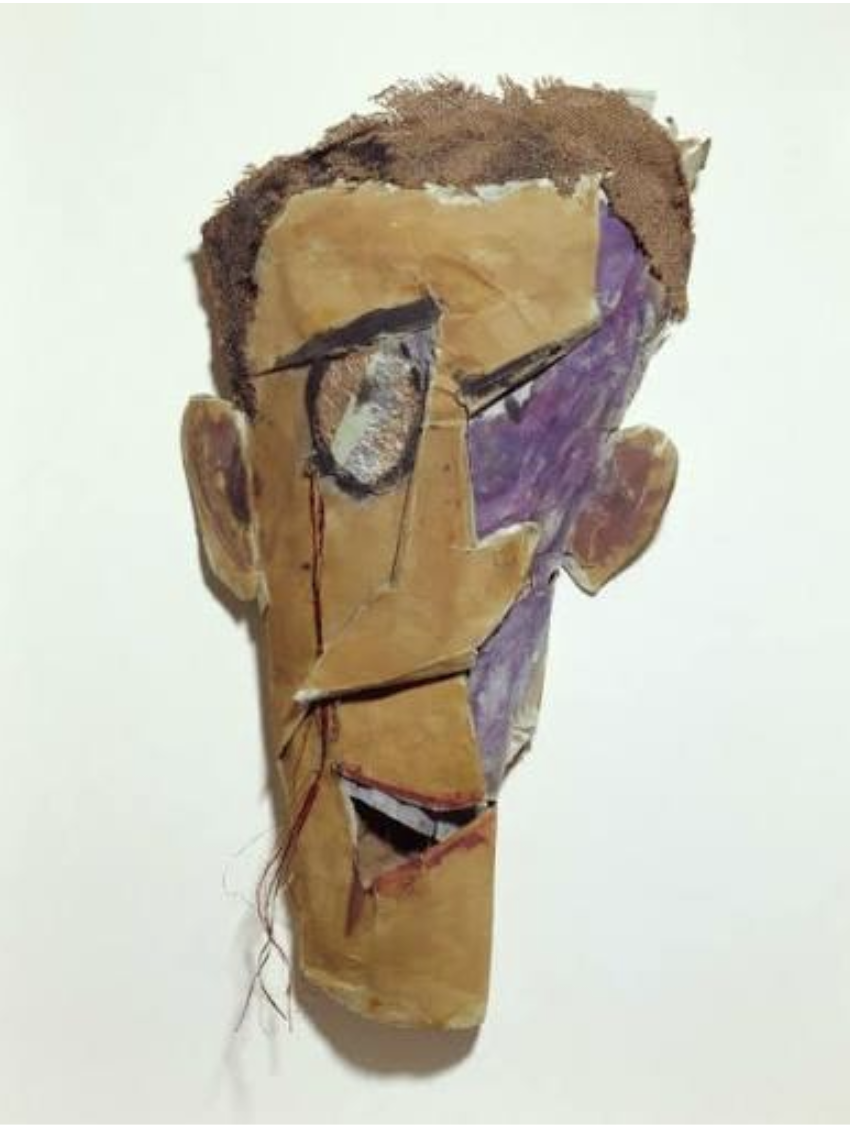
Portrait of Tristan Tzara, Marcel Janco, Dadaism
The artwork is a mask-like portrait of tzara(founder of dada) made from cardboard, burlap, ink, and gouache rather than a traditional painted portrait. There's a monster being exposed from the decaying and cracking of the mask

Dutch Interior II, Joan Miro, Surrealism
Miró takes an ordinary scene and transforms it into an imaginative, almost dreamlike world, reflecting Surrealism’s interest in fantasy and unconventional representations

Caravan, Hugo Ball, Dadaism
sound - uses invented, nonsensical syllables instead of ordinary language to challenge traditional poetry and the assumption that art must communicate a clear, logical meaning.

The Voice of Space, Magritte, Surrealism
places three large, floating spherical bells above a landscape, making an ordinary object appear mysterious and impossible. The painting challenges our expectations of reality and makes familiar things seem strange.
Main idea to remember: Magritte makes the familiar seem unfamiliar by changing an object's scale and setting. The floating bells evoke mystery and challenge the viewer's assumptions about reality. The title also suggests an imagined sound carried through the air.
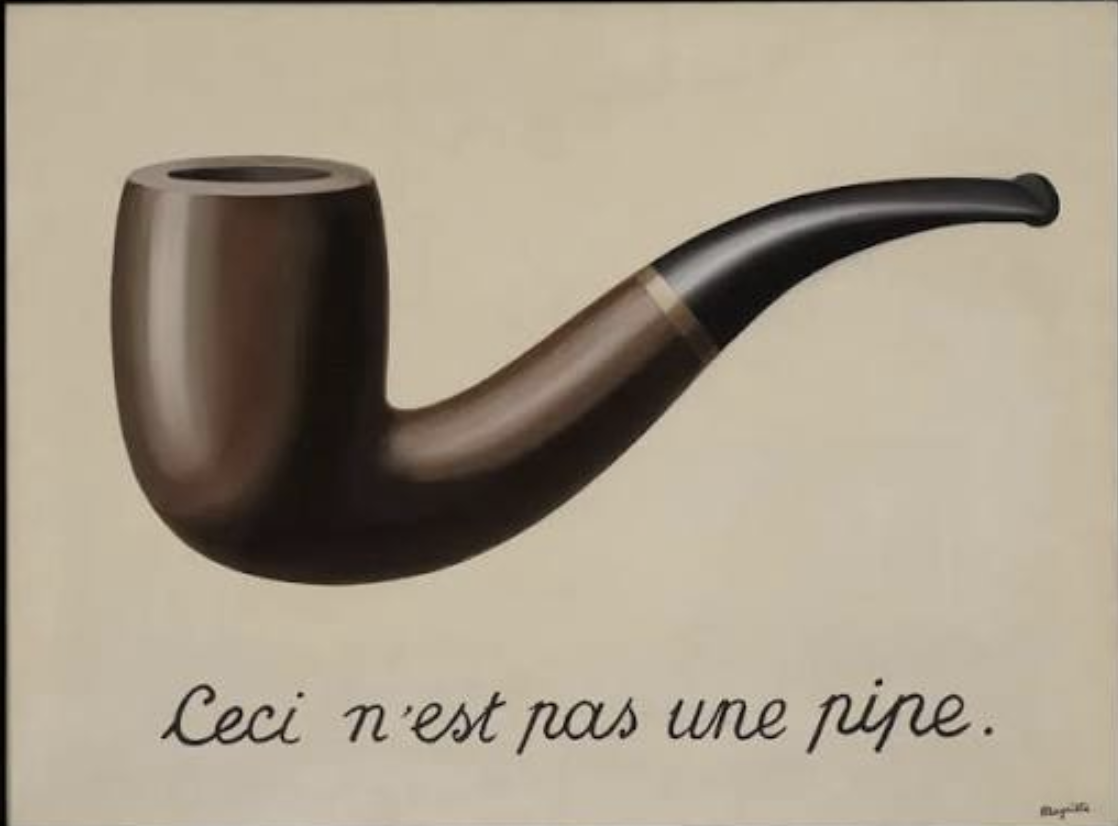
The Treachery of Images, Rene Magritte, Surrealism
challenges the relationship between images, words, and reality. It depicts a pipe with the French phrase “Ceci n’est pas une pipe” (“This is not a pipe”) underneath it. Magritte reminds viewers that a painting of an object is only a representation of that object, not the actual object itself.

Birth of Liquid Desires, Salvador Dali, Surrealism
explores the unconscious mind, desire, fear, and psychological conflict through dreamlike and distorted imagery. Dalí combines recognizable objects with bizarre, unsettling forms to express hidden emotions and desires that may not make sense logically.

Object(Breakfast in Fur), Meret Oppenheim, Surrealism
transforms ordinary everyday objects into something strange and unsettling by covering a teacup, saucer, and spoon with animal fur. Oppenheim challenges expectations about familiar objects by combining the comfort of drinking tea with the unpleasant sensation of fur in the mouth.

The Antipope, Max Ernst, Surrealism
explores the unconscious mind, transformation, and the instability of identity through strange, dreamlike figures. Ernst combines human and animal-like forms in an unsettling scene, challenging traditional ideas of reality, religion, and authority.

Still Life on the Table, Nicolaeus Gillis, Dutch Golden Age(Baroque)
depicts an elaborate display of food, drinks, and tableware, showcasing the wealth and prosperity of Dutch society. It demonstrates the skill of Dutch artists in realistically representing everyday objects while highlighting themes of abundance, material wealth, and the pleasures of dining.

Les Demoiselles d'Avignon, Picasso, Early Cubism
depicts five nude women in a brothel, challenging traditional ideals of beauty and conventional ways of representing the human body. Picasso breaks down figures into sharp, angular geometric shapes and draws inspiration from Iberian sculpture and African masks. The work rejects traditional perspective and naturalistic representation, helping pave the way for Cubism.

The Poet, Picasso, Cubism
breaks down a human figure into fragmented geometric shapes, challenging traditional ways of representing reality. Picasso makes the figure difficult to distinguish from the surrounding space, encouraging viewers to reconstruct the subject from multiple overlapping perspectives.

Guitar, Sheet Music, and Wine Glass, Picasso, Cubism
combines fragmented shapes, simplified forms, and real-world references to represent objects in an abstract way. Picasso incorporates elements of collage and emphasizes how images can be constructed from different materials and perspectives rather than realistically reproduced.

The Clarinet, Georges Braque, Cubism
breaks away from traditional realistic representation by combining simplified shapes, overlapping planes, and recognizable musical imagery. Braque challenges the distinction between reality and representation, using abstract forms and visual clues to suggest a clarinet rather than depicting it realistically.
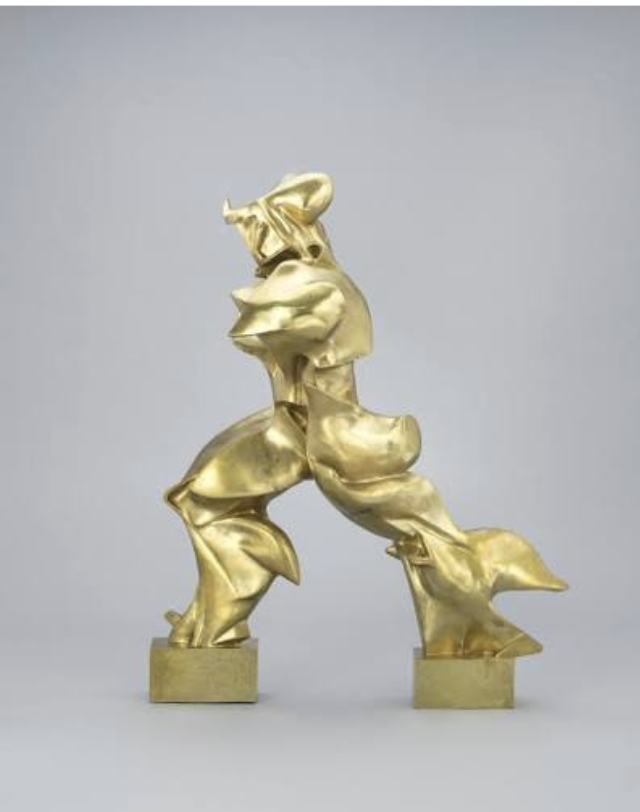
Unique Forms of Continuity in Space, Boccioni, Futurism
represents the energy, speed, and movement of modern life. Boccioni depicts a human figure striding forward with flowing, aerodynamic forms that make the body appear to move through space. Rather than presenting a static, realistic figure, he emphasizes motion, dynamism, and the relationship between the body and its surrounding environment.

Armored Train in Action, Severini, Futurism
depicts soldiers firing weapons from an armored train during World War I, celebrating the speed, power, and technological advancement of modern warfare. Severini uses fragmented geometric shapes, diagonal lines, and dynamic composition to convey movement, energy, and the chaos of battle.

Landscape with Red Spots, No. 2, Kadinsky, Abstract Expressionism
moves away from realistic representation and uses color, shape, and line to express emotion and spiritual experience. Kandinsky transforms landscape elements into abstract forms, emphasizing the emotional impact of color and composition rather than accurately depicting the natural world.

Untitled, Malevich, Suprematism
emphasizes pure geometric shapes and color rather than recognizable objects or realistic representation. Malevich believed art should move beyond depicting the physical world and instead express feeling through basic forms, such as squares, rectangles, and lines

Tableu I, Piet Mondrian, Neoplasticism
reduces art to basic geometric forms and primary colors to express universal harmony and balance. Mondrian uses vertical and horizontal black lines, rectangular areas of red, blue, yellow, white, and gray, and an asymmetrical composition.

Alchemy, Jackson Pollock, Abstract Expressionism
emphasizes the physical process of creating art through spontaneous movements, splattered paint, and layered materials. Rather than depicting a recognizable subject, Pollock creates an energetic web of lines and textures that expresses emotion and movement.

3/No. 13, Mark Rothko, Abstract Expressionism
large areas of color to evoke emotions and create an intense experience for the viewer. Rather than representing recognizable objects, Rothko emphasizes the emotional and psychological effects of color, encouraging viewers to respond personally

Piazza, Giacometti, Surrealism/Modernism
depicts elongated, thin human figures moving through an open urban space, emphasizing isolation, distance, and the difficulty of human connection. The figures appear small and separated within the surrounding space, reflecting the loneliness and uncertainty of human existence in the aftermath of World War II.

Study after Velázquez's Portrait of Pope Innocent X, Francis Bacon, Expressionism
transforms Diego Velázquez’s traditional portrait of Pope Innocent X into a disturbing image of psychological anguish and fear. The distorted face, open mouth, and dark, cage-like lines convey suffering, isolation, and the vulnerability of human authority.

Just what is it that makes today’s homes so different, so appealing?, Richard Hamilton, Pop Art
critiques and celebrates modern consumer culture by combining images from advertisements, magazines, and popular media. Hamilton depicts a modern home filled with consumer products, technology, and idealized bodies, highlighting how advertising shapes people's desires and ideas of success.

Look Mickey!, Roy Lichtenstein, Pop Art
imagery from comic books to challenge the distinction between fine art and popular culture. Lichtenstein imitates commercial printing techniques, including bold outlines, flat colors, and Ben-Day dots. The work demonstrates how ordinary mass-media images can become subjects of fine art while questioning originality and the role of the artist.

Campbell’s Soup Cans, Andy Warhol, Pop Art
transforms an ordinary commercial product into fine art, challenging traditional ideas about artistic originality and value. By repeating images of Campbell’s soup cans, Warhol emphasizes mass production, consumerism, and the growing influence of advertising in American society.

Untitled, Donald Judd, Minimalism
encourages viewers to experience the artwork directly rather than search for a hidden meaning or symbolic subject.

Spring, Bottacelli, Italian Renaissance
celebrates spring, fertility, love, and the renewal of nature through figures from classical mythology. It reflects the Renaissance revival of ancient Greek and Roman culture and humanist interest in mythology, beauty, and human experience.

Lamentation of Christ, Mantegna, Italian Renaissance
depicts the dead body of Jesus Christ laid out for mourning, emphasizing his human suffering and death. Mantegna uses dramatic foreshortening, making Christ’s feet appear closer to the viewer and his body extend into the background. The composition creates a powerful sense of depth and draws viewers into the emotional reality of Christ’s death.

Vitruvian Man, Da Vinci, Italian Renaissance
explores the ideal proportions of the human body by placing a male figure within a circle and a square. Inspired by the writings of the ancient Roman architect Vitruvius, Leonardo connects human anatomy, mathematics, geometry, and architecture.

Pieta, Michelangelo, Renaissance
depicts the Virgin Mary holding the dead body of Jesus Christ after his crucifixion. It emphasizes Christ’s sacrifice and Mary’s sorrow while presenting idealized beauty, balance, and harmony.

The School of Athens, Raphael, Renaissance
celebrates classical Greek philosophy and the pursuit of knowledge by depicting famous philosophers, including Plato and Aristotle, gathered in an idealized architectural setting.

Venus of Urbino, Titian, Renaissance(venetian)
depicts a nude Venus reclining on a bed, exploring themes of beauty, love, sensuality, and marriage. Titian uses rich colors, soft lighting, and realistic textures to emphasize the female figure. The contrast between Venus in the foreground and the domestic activities in the background connects idealized beauty with everyday life

Madonna with the Long Neck, Parmigianino, Mannerism(Late Renaissance)
depicts the Virgin Mary holding the Christ Child using exaggerated proportions, including an elongated neck, unusually long fingers, and an unnaturally large body. These distortions reject the balanced proportions of the High Renaissance and emphasize elegance, artificial beauty, and complexity

Feast in the House of Levi, Veronese, Renaissance
depicts a grand banquet filled with numerous figures, elaborate architecture, and everyday activities. It emphasizes the richness of Venetian society through detailed clothing, vibrant colors, and a lively composition. The work explores religious themes within a lavish social setting
Key Features of Renaissance
The Renaissance revived Greek and Roman ideas, emphasizing humanism, individual achievement, and human potential. Artists used perspective, realistic anatomy, and light and shadow to create lifelike works, often funded by wealthy patrons and the Catholic Church.
Key Features of Italian Renaissance
The Italian Renaissance primarily depicted Christian religious scenes, biblical figures, and stories from classical Greek and Roman mythology, often portraying sacred figures with greater human emotion and physical realism. Its main themes included religious devotion, human dignity, idealized beauty, and the revival of classical ideals, with increasing interest in the natural world and the human experience.
Key Features of Mannerism
Mannerism emphasized artificial elegance, exaggerated proportions, elongated bodies, unusual poses, and distorted perspectives, moving away from the balance and harmony of the High Renaissance. Paintings often depicted religious and mythological scenes with dramatic compositions, unusual colors, and complex arrangements that prioritized sophistication and emotional tension over naturalism.
Key Features of Baroque
Baroque art emphasized drama, intense emotion, movement, and striking contrasts of light and shadow, often depicting moments of action or heightened psychological tension. Common subjects included biblical stories, religious miracles, martyrdom, and powerful rulers, presented through theatrical compositions designed to inspire religious devotion and impress viewers.
Key Features of Rococo
Rococo art emphasized elegance, playfulness, romance, and decorative beauty, often depicting aristocratic leisure, flirtation, courtship, and outdoor gatherings. It featured pastel colors, delicate details, ornate decoration, and lighthearted themes, moving away from the dramatic religious intensity of Baroque art.
Key Features of Romanticism
Romanticism emphasized intense emotion, individual freedom, imagination, and the power of nature, often depicting dramatic landscapes, revolutions, heroic struggles, and terrifying or sublime scenes. It prioritized personal feeling and the awe-inspiring power of nature over the order, reason, and restraint associated with Neoclassicism.
Key Features of Realism
Realism depicted ordinary people, everyday life, and contemporary social conditions without idealizing or romanticizing them. Common subjects included laborers, peasants, poverty, and working-class life, emphasizing truthful representation over beauty, heroism, or emotional drama.
Key Features of Neoclassicism
Neoclassicism emphasized order, balance, restraint, and moral virtue, drawing inspiration from ancient Greek and Roman art and history. Common subjects included classical heroes, civic duty, sacrifice, and patriotic ideals, depicted through clear compositions, idealized figures, and controlled emotion.
Key Features of Impressionism
Impressionism captured fleeting moments, changing light, and the visual effects of color and atmosphere, often depicting landscapes, city streets, leisure activities, and everyday life. Artists used loose, visible brushstrokes, bright colors, and outdoor painting to convey an immediate visual impression rather than precise detail.
Key Features of Post-Impressionism
Post-Impressionism built on Impressionism but emphasized personal expression, symbolic meaning, and more structured or exaggerated forms rather than simply capturing light and fleeting moments. Common subjects included landscapes, still lifes, and everyday people, using bold colors, distinctive brushstrokes, and simplified shapes to communicate emotion or ideas.
Key Features of Fauvism
Fauvism emphasized bold, unnatural colors, simplified forms, and expressive brushstrokes, using color to convey emotion rather than accurately represent reality. Common subjects included landscapes, portraits, and everyday scenes, characterized by vivid contrasts and loose, spontaneous painting.
Key features of Northern Renaissance
The Northern Renaissance emphasized highly detailed realism, symbolic imagery, and religious scenes, often depicting biblical stories, domestic life, and ordinary people. Artists used oil paints to achieve rich colors, fine textures, and precise details, frequently embedding hidden religious meanings in everyday objects and settings.
Key Features of Cubism
Cubism broke objects and figures into geometric shapes and fragmented forms, showing multiple viewpoints of the same subject within a single image. Common subjects included still lifes, portraits, and musical instruments, with muted colors and abstracted forms challenging traditional perspective and realistic representation.
Key Features of Modernism
Modernism rejected traditional artistic conventions, emphasizing experimentation, abstraction, and new ways of representing reality in response to a rapidly changing modern world. Artists explored subjects such as urban life, industrialization, identity, and psychological experience through distorted forms, unconventional compositions, and innovative techniques.
Key Features of Dadaism
Dadaism rejected traditional artistic values, logic, and conventional beauty, using absurdity, chance, humor, and nonsense to challenge what society considered art. Common works included collages, found objects, and unconventional compositions that protested war, questioned authority, and mocked established cultural norms.
Key Features of Surrealism
Surrealism explored dreams, the unconscious mind, and irrational or fantastical imagery, combining unrelated objects and impossible situations. Art often placed realistic figures and objects in bizarre, dreamlike settings to challenge logic and reveal hidden desires, fears, and psychological experiences.
Key Features of Pop Art
Pop Art used images from popular culture, advertising, comic books, celebrities, and consumer products as artistic subjects. It featured bold colors, repetition, mass-production techniques, and familiar commercial imagery to blur the boundary between fine art and everyday consumer culture.
Key Features of Minimalism
Minimalism emphasized simplicity, geometric shapes, clean lines, and the elimination of personal expression and unnecessary detail. Art often featured basic forms, repetitive patterns, industrial materials, and limited colors, directing attention to the artwork’s physical form rather than symbolic meaning or emotional narrative.
Key Features of Expressionism
Expressionism emphasized subjective emotion and inner psychological experiences over realistic representation, often depicting anxiety, alienation, fear, and human suffering. Artists used distorted figures, exaggerated forms, and intense, unnatural colors to communicate emotional states rather than accurately portray the visible world.