(1) Netherlands: Political History and Notable Figures
 Call Kai
 Learn
 Practice Test
 Spaced Repetition
 Match
 Flashcards
 Knowt Play
1/15

There's no tags or description
Looks like no tags are added yet.
16 Terms

1544 - 1584 - William (All Facts)
Leader of the Dutch Revolt and Eighty Years’ War against Spain and Founder and First “Stadtholder” of the Netherlands and First “Stadtholder” of the House of Orange-Nassau
He was nicknamed “The Silent”
He was initially “Stadtholder” (governor) of Holland, Zeeland, and Utrecht under Spanish rule
He was a shrewd negotiator
He became a Protestant 11 years prior to his death, and from there established himself as the leader od the Dutch Revolt
He was initially appointed to the Council of State by King Philip II of Spain but soon resigned, along with Lamoral, Count of Egmont and Philip de Montmorency Horn, whom all resigned and protested at Spain’s growing influence over the Netherlands as each members of the emerging “Sea Beggars”
He made an accord which Margaret of Parma, which guaranteed suspension of persecution of Dutch Calvinists in the (Spanish) Netherlands, provided that the people laid down down their arms and allowed Catholics to worship unmolested
This was a fragile peace, however, as Margaret of Parma used newly-arrived funds from Spain to build up an army
After trying to secure this agreement with Margaret of Parma to ensure the Dutch Calvinist’s religious freedom, he was deprived of his office of stadtholder of Holland, Zeeland, and Utrecht
He later returned to the province of Holland, where he was acknowledged as “stadtholder” (local official)
He counted on the support from the artisan classes in their resentment at the hated “tenth penny” tax that was imposed on the (Spanish) Netherlands / Low Countries by Fernando Álvarez de Toledo
He founded the University of Leyden / Leiden University
He led the negotiations with the states of Brabant that led to the Pacification of Ghent
He made a triumphant entry into Brussels, where he was appointed lieutenant
For this brief period of time, he even won over the southern Catholic provinces
He appointed Francis, Duke of Anjou, “Protector of the Liberty of the Netherlands” (King of the Netherlands in place of King Philip II of Spain)
However, Francis eventually deserted him and the Protestants thereafter preferred to stand alone
He was assassinated by an agent of King Philip II of Spain, shot dead by Balthazar Gerard, a Frenchman posing as a Calvinist refugee
He was succeeded as Governor (stadtholder) of Holland, Zeeland, and Utrecht by his son

1585 - 1625 - Maurice of Nassau (All Facts)
2nd Stadtholder of the Netherlands and of the House of Orange-Nassau
He succeeded his father who was his predecessor
Prior to becoming Prince of Orange, he belonged to the House of Nassau, hence his name
He was Stadtholder of all the Provinces except Friesland
Upon assuming Stadtholder, he became governor of Holland, Zeeland, and Utrecht
During his reign,
The Dutch Republic was established
He tried to invade Spanish possessions in the South (southern Low Countries / Netherlands)
He and his forces defeated Albert VII of Austria and his Spanish forces during the Eighty Years’ War / Dutch Revolt
He declared a public war on Arminianism and banished Arminians
Under his reign,
The Dutch
began to trade with and colonize the East Indies, competing with the Portuguese via explorers and merchants such as Cornelius de Houtman
took possession of Mauritius via the Admiral Wybrand van Warwijck
found a settlement near the estuary of the Essequibo River, which eventually became the Guianas (not to be confused with Dutch Guiana)
sent their ships “Tiger” and “Fortune” to trade with natives on Hudson’s River in North America, where they built huts and established a settlement
settled in Paramaribo on the coast of Guiana in South America
found the colony of Essequibo (Guianas)
bought Goree Island, off Cape Verde, from the natives there
The Dutch took from the Portuguese
Amboina
the Moluccas
However, the Spanish took the Moluccas from the Portuguese shortly thereafter, and the Dutch attacked it again with no success
The Dutch eventually got it back, seizing it from the Portuguese
The Dutch blockaded from the Portuguese
The Tagus River
The Dutch East India Company was founded
The Bank of Amsterdam was founded
The Dutch West India Company was founded
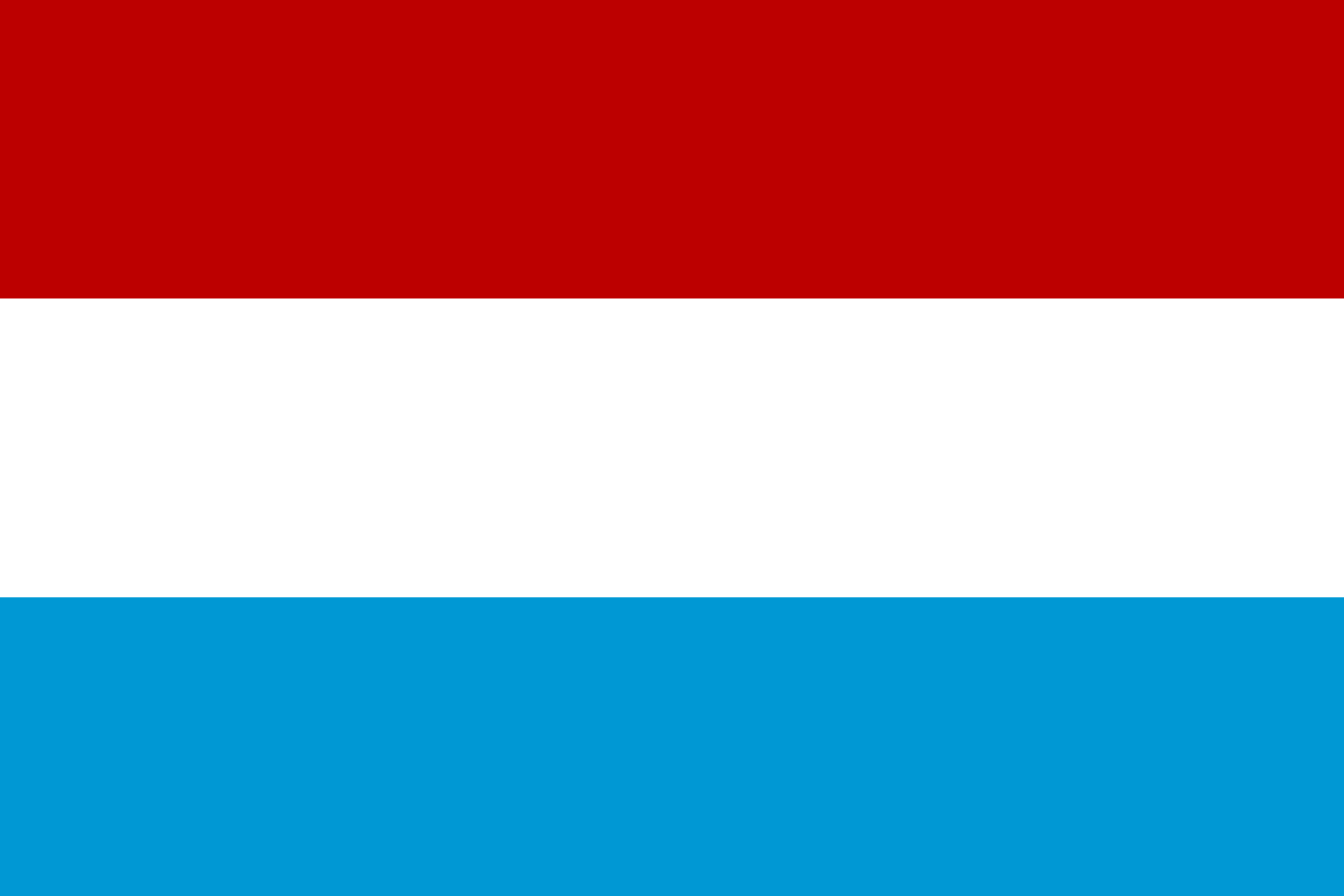
1588 / 1648 - 1795 - Dutch Republic / United Seven Provinces of the Netherlands / Holland (All Facts)
Confederation and Great Power that was the first independent Dutch state, which served as a predecessor state of the modern-day Netherlands, and lasted from its founding during the Dutch Revolt / Eighty Years’ War against Spain until the Batavian Revolution
Confederation comprised of Groningen (present-day Groningen), Frisia (present-day Friesland), Overijssel (present-day Overijssel), Guelders (present-day Gelderland), Utrecht (present-day Utrecht), Holland (present-day North Holland and South Holland), and Zeeland (present-day Zeeland)
Confederation which was known upon its establishment for overseeing lands which
were the most open and tolerant amongst the states of Europe at the time, embracing every variety of freedom in a Europe torn by feuds and fighting, especially in the latter namesake
oversaw the absorption of many different kinds of refugees including
100K immigrants from the Catholic Southern Netherlands who fled to Amsterdam
Protestants of very country who fled there to set up their churches
Political and intellectual refugees of every persuasion who found the freedom denied to them in their own countries
oversaw an influx of refugees which brought many benefits including
Holland being able to boast more newspapers than the rest of Europe put together
having universities as centers of intellectual excellence, especially Leyden University
the flourishing of literature and painting
was Europe’s new central trading center, its wharves having been crammed with goods from many different places including
Baltic grain
English textiles
Indian silks and spices
German wine
Scandinavian timber
Confederation which was thus established upon the Dutch Golden Age
Confederation during which the Dutch
traded with the Spanish during the Dutch Revolt / Eighty Years War despite their being their enemy in that conflict
expanded their trading voyages far beyond European coastal waters to the Far East (via the Dutch East India Company) and Americas (via the Dutch West India Company)
were reluctant to establish colonies, despite their wide-ranging operations
1588 - 1672 - Dutch Golden Age (All Facts)
Period during which Dutch Republic became one of the leading commercial, maritime, and intellectual powers in Europe
Period of unparalleled prosperity, international trade, and artistic and intellectual advance
Period which ended with the Rampjaar

1586 - 1619 - Johan van Oldenbarnevelt (All Facts)
Dutch Statesman
He helped lead the Netherlands in their Dutch Revolt against Spain during the Eighty Years’ War
He helped secure
The Union of Utrecht
an alliance with England and France against Spain
The 12-Year Truce with Spain
Maurice of Nassau’s succession as stadtholder after Maurice of Nassau’s father and predecessor was murdered
He was beheaded for treason after a trial on the orders of Maurice of Nassau
He fell out of favor with Maurice of Nassau over a religious dispute in which the namesake supported the Arminians / Arminianism while Maurice of Nassau opposed Arminians / Arminianism
He thus paid for his support of Arminianism with his life

1625 - 1647 - Frederick Henry (All Facts)
3rd Stadtholder of the Netherlands and of the House of Orange-Nassau
Under his reign,
The Netherlands had a population of around 1.5M
The Dutch arrived in Hanoi

1647 - 1650 - William II (All Facts)
4th Stadtholder of the Netherlands and of the House of Orange-Nassau
He was the son-in-law of King Charles of England
He was determined to institute an absolute monarchy in the Netherlands
His close relationship with the House of Stuart (in England and Scotland) had caused friction between the English Commonwealth and the republican-minded Dutch of the Dutch Republic
To allay fears on both sides, commissioners were exchanged, much to the fury of the namesake
As a result, the Netherlands’ burghers met after he died in the Great Assembly to seek to avoid absolute monarchy as the way in which the Netherlands would be governed
He lost support of the States General (Dutch Parliament) because of his
over-aggressive foreign policies
He wanted to renew conflict with Spain despite the Peace of Munster
He tried and failed to divide the Netherlands by encouraging the Calvinists in the north to join him with France in a campaign against the Spanish
He had attempted to intervene in the English Civil War as a Cavalier (Royalist) on the side of King Charles (his father-in-law), as he had married King Charles’ daughter Mary (Stuart)
autocratic habits
He led a royal tour in which he harangued officials in the 18 major towns of unsympathetic Holland
He ordered the arrest of six deputies to the States General
His cousin William Frederick put Antwerp under a siege, bringing the country close to civil war
He died of smallpox

1598 - 1653 - Marten Tromp (All Facts)
Dutch General and Navy Admiral
He served in the Eighty Years’ War and First Anglo-Dutch War
He and his Dutch forces were defeated by George Monk and his English forces in the Battle of Portland during the First Anglo-Dutch War
He died, killed on the bridge of his ship, during the battle

1557 - 1660 - Jacob Cats (All Facts)
Dutch Statesman and Poet
He was nicknamed “Father Cats”
He served as ambassador to England twice
He spent the last eight years of his life writing his autobiography
1650 - 1672 - First Stadtholderless Period (All Facts)
Period in the history of the Dutch Republic in which the office of Stadtholder was vacant in five of the seven Dutch provinces; it coincided with the final years of the Dutch Golden Age
Period in the history of the Dutch Republic in which Johan de Witt assumed power over the Netherlands

1653 - 1672 - Johan de Witt (All Facts)
Grand Pensionary of Holland
He was elected Councilor Pensionary of Holland
He was the effective leader of the Dutch Republic / Seven United Provinces of the Netherlands through their years of their greatest glory
He was the effective leader who oversaw the height of the Dutch Golden Age, a period of unparalleled prosperity, international trade, and artistic and intellectual advance
During his reign,
He constantly schemed ruthlessly to defeat any opposition, notably the House of Orange
He issued the Perpetual Edict / Exclusion Act, which contributed to his war on the House of Orange by legislating their being blocked from assuming the leadership of the Netherlands thereafter
He backed the merchants and artists
He led the Netherlands in the first three Anglo-Dutch Wars
He and his forces were defeated by Oliver Cromwell and England in the First Anglo-Dutch War
He and his forces defeated King Charles II of England in the Second Anglo-Dutch War
He and his forces defeated King Charles II of England in the Third Anglo-Dutch War
He died when he and his brother Cornelis were murdered by a mob
He and his brother were literally torn into pieces
His brother Cornelis was accused of plotting against his namesake brother’s successor of the House of Orange
He himself was reluctant to give up his authority when his successor of the House of Orange came to power, but the people, who feared the namesake’s tied to King Louis XIV, rallied to the House of Orange and showed the intensity of their belief by having him and his brother murdered as such

1650 / 1672 - 1702 - William III (All Facts)
5th Stadtholder of the Netherlands and of the House of Orange-Nassau
He was initially the Prince of Orange
He was the only child of his father and predecessor and Mary, Princess Royal, the daughter of King Charles I of England and Scotland (and Ireland)
He thus inherited the Stadtholder position from his father and the kingship of England, Scotland, and Ireland position from his father-in-law
He married Mary II, daughter of King James II (and thus became son-in-law to King James II) and niece of King Charles II, further later entrenching his inheritance of the Kingdom of England and Scotland (and Ireland)
His marriage to Mary II put the seal on Anglo-Dutch rapprochement at the time
He thus became leader of the Netherlands when his predecessor’s regime was overthrown
He led the Netherlands in the Franco-Dutch War
He won limited hereditary power three years into his reign as a result
He secured an alliance with Spain, Germany, and England in order to ensure the passage of the Treaties of Nijmegen
He led the Netherlands in the Nine Years’ War / War of the Grand Alliance
He had the Netherlands join the Grand Alliance / League of Augsburg
He entered into secret negotiations with King Louis XIV of France
During his reign,
He was banned from fighting the French in the Franco-Dutch War any further
A bitter disagreement over foreign policy arose between the namesake and the States General (the Dutch Republic’s state leaders) in which the States General had the namesake stop sending Dutch troops into Europe to quell hostilities by the French in the Franco-Dutch War, in order to protect the Netherlands’ economy
During his reign,
He signed the Treaty of Ryswick (with King Louis XIV of France)
He signed the Treaty of the Hague / First Partition Treaty (with King Louis XIV of France)
He signed the Treaty of London / Second Partition Treaty (with King Louis XIV of France)
He signed the Treaty of the Hague, reinstituting the Grand Alliance and triggering the War of the Spanish Succession
Under his reign,
Japanese Chrysanthemums were cultivated in Holland
His favorites in the Netherlands were unpopular and his reign faced a backlash by its end
He died and was succeeded, with the Dutch Republic still being maintained despite facing an unpredictable future, as it would enter the “Second Stadtholderless Period”
1702 - 1747 - Second Stadtholderless Period (All Facts)

1689 - 1720 - Anthonie Heinsius (All Facts)
Grand Pensionary of the Netherlands during the Second Stadtholderless Period
He assumed the role of chief minister and the role of maintaining national stability in the Netherlands

1711 - 1751 - William IV (All Facts)
Prince of Orange and Stadtholder of the Netherlands during and after the Second Stadtholderless Period
He signed the Treaty of Utrecht with the other European leaders powers of the time, ending the War of the Spanish Succession
He led the Netherlands in the War of the Austrian Succession
Under his reign,
The Netherlands bought West African slave stations from Prussia
The Treaty of the Hague was signed with the European powers of the Quadruple Alliance, ending the War of the Quadruple Alliance
The Treaty of Aix-la-Chapelle / Treaty of Aachen was signed with other major European powers, ending the War of the Austrian Succession