Environmental Science!1

0.0(0)
Studied by 1 person
call kaiCall Kai
learnLearn
examPractice Test
spaced repetitionSpaced Repetition
heart puzzleMatch
flashcardsFlashcards
GameKnowt Play
Card Sorting

1/52

encourage image

There's no tags or description

Looks like no tags are added yet.

53 Terms

1
New cards
<p>which of the following pairs belong to the same population?<br>a rose and a carnation<br>a zebra and a horse<br>two residents of NYC<br>two similar species of monkey</p>

which of the following pairs belong to the same population?
a rose and a carnation
a zebra and a horse
two residents of NYC
two similar species of monkey

two residents of NYC are members of the same population as they belong to the same species and share the same geographical area.

2
New cards
<p>wetlands are important to fisheries in US because…</p>

wetlands are important to fisheries in US because…

many of the fish caught each year use wetlands for breeding and spawning

<p>many of the fish caught each year use wetlands for breeding and spawning</p>
3
New cards
<p>animals that live in estuaries</p><p>tend to produce few offspring</p><p>are in unpolluted environments</p><p>must adapt to varying levels of salinity</p><p>are adapted to cold water </p>

animals that live in estuaries

tend to produce few offspring

are in unpolluted environments

must adapt to varying levels of salinity

are adapted to cold water

must be adapted to varying levels of salinity

<p>must be adapted to varying levels of salinity</p>
4
New cards
<p>bacteria can kill organisms in eutrophic lakes by doing what?</p>

bacteria can kill organisms in eutrophic lakes by doing what?

feeding on decaying plants and animals as well as reducing oxygen

<p>feeding on decaying plants and animals as well as reducing oxygen</p>
5
New cards
<p>which of the following does NOT describe a function of wetlands?</p>

which of the following does NOT describe a function of wetlands?

wetlands are good waste dump sites

<p>wetlands are good waste dump sites</p>
6
New cards
<p>Coral polyps create…</p>

Coral polyps create…

coral reefs

<p>coral reefs</p>
7
New cards
<p>why are artic ecosystems considered marine?</p>

why are artic ecosystems considered marine?

artic ecosystems contain few organisms

8
New cards
<p>where do mangrove trees grow?</p>

where do mangrove trees grow?

in tropical and subtropical areas

9
New cards
<p>what is an important effect that hunter gatherers may have had on the environment?</p>

what is an important effect that hunter gatherers may have had on the environment?

extinction

10
New cards
<p>what were important effects of the agricuteral revolution?</p>

what were important effects of the agricuteral revolution?

soil erosion, habitat destruction, plant and animal domestication

11
New cards
<p>true or false? during the agricultural revolution the amount of land and labor needed to produce food increased</p>

true or false? during the agricultural revolution the amount of land and labor needed to produce food increased

FALSE

<p>FALSE</p>
12
New cards
<p>what do you call polluntants that are not broken down by natural processes?</p>

what do you call polluntants that are not broken down by natural processes?

nondegradable

13
New cards
<p>which of the following is NOT a renewable resorce? Solar energy, minerals, water, crops</p>

which of the following is NOT a renewable resorce? Solar energy, minerals, water, crops

minerals

<p>minerals</p>
14
New cards
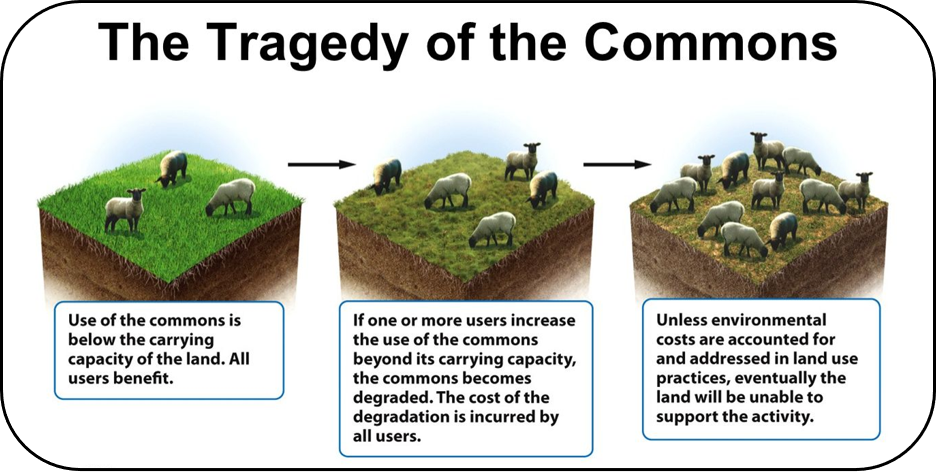
<p>In “the tragedy of the commons” what did Garret Hardin fail to consider?</p>

In “the tragedy of the commons” what did Garret Hardin fail to consider?

The social nature of humans

<p>The social nature of humans</p>
15
New cards
<p>what is the term called that is used to describe the productive area of earth needed to support the lifestyle of one person?</p>

what is the term called that is used to describe the productive area of earth needed to support the lifestyle of one person?

the ecologial footprint

<p>the ecologial footprint</p>
16
New cards
<p>fill in the blank: Scientists use                         hypotosis to answer their questions</p>

fill in the blank: Scientists use hypotosis to answer their questions

testable

<p>testable</p>
17
New cards
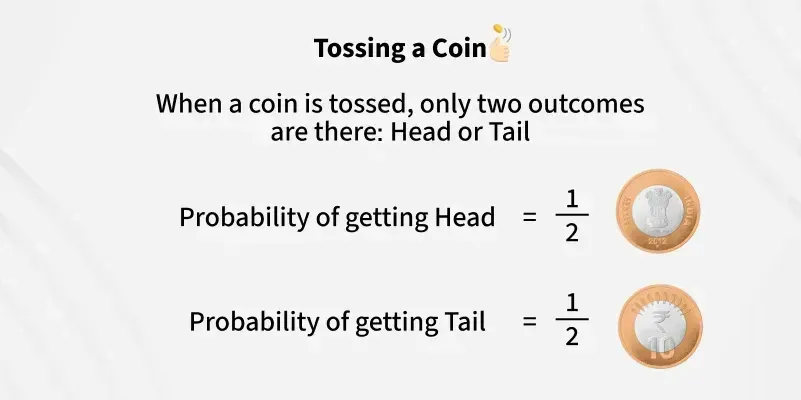
<p>fill in the blank: Risk is the                     of a negative out come</p>

fill in the blank: Risk is the of a negative out come

probability
<p>probability</p>
18
New cards
<p>what should you do if the results of your experiment do not support you hypotosis?</p>

what should you do if the results of your experiment do not support you hypotosis?

try another method

<p>try another method</p>
19
New cards
<p>in a population, characteristics such as size will often be clustered around the</p>

in a population, characteristics such as size will often be clustered around the

mean

<p>mean</p>
20
New cards
<p>models used by scientists include….</p>

models used by scientists include….

conceptual models and physical models

21
New cards
<p>a conceptual model represents a way of thinking about</p>

a conceptual model represents a way of thinking about

relationships

<p>relationships</p>
22
New cards
<p>fill in the blank: in a experiment the experimental treatment differs from the control treatment only in the                     being studied</p>

fill in the blank: in a experiment the experimental treatment differs from the control treatment only in the being studied

variable

<p>variable</p>
23
New cards
<p>to fully understand a complex environmental issue, what must you consider?</p>

to fully understand a complex environmental issue, what must you consider?

economics, values, and scientific information

<p>economics, values, and scientific information</p>
24
New cards
<p>fill in the blank: scientists                    experiments to make sure the results are meaningful</p>

fill in the blank: scientists experiments to make sure the results are meaningful

repeat

<p>repeat</p>
25
New cards
<p>the thin layer at earth’s surface where life exsists is called what?</p>

the thin layer at earth’s surface where life exsists is called what?

biosphere

<p>biosphere</p>
26
New cards
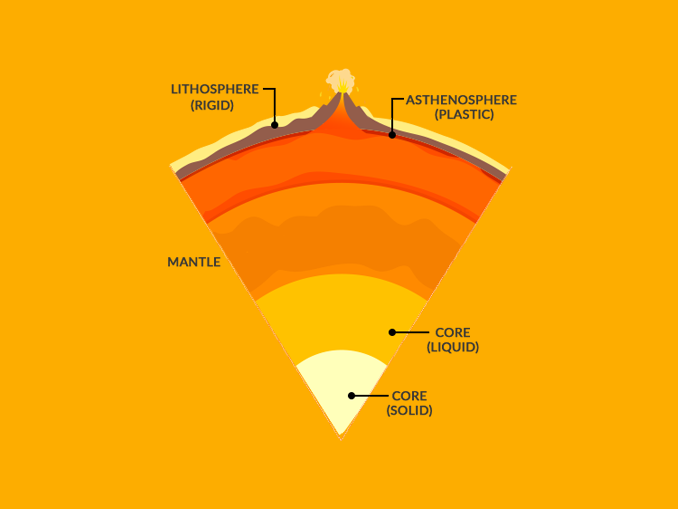
<p>the thin layer at earth’s surface upon which tecnonic plates moves around is called the what?</p>

the thin layer at earth’s surface upon which tecnonic plates moves around is called the what?

asthenosphere
<p>asthenosphere</p>
27
New cards
<p>what is seventy-eight percent of the earth’s atmopshere made up of</p>

what is seventy-eight percent of the earth’s atmopshere made up of

Nitrogen

<p>Nitrogen</p>
28
New cards
<p>where is the ozone layer located?</p>

where is the ozone layer located?

the stratosphere
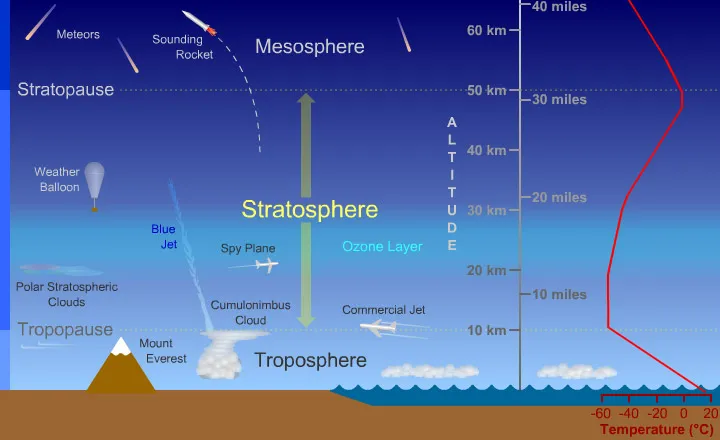
<p>the stratosphere</p>
29
New cards
<p>convection is defined as….</p>

convection is defined as….

transfer of heat by currents

<p>transfer of heat by currents</p>
30
New cards
<p>Which of the following is NOT a greenhouse gas: Water vapor, nitrogen, methane, carbon dioxide</p>

Which of the following is NOT a greenhouse gas: Water vapor, nitrogen, methane, carbon dioxide

nitrogen

<p>nitrogen</p>
31
New cards
<p>liquid water turns into gaseos water vapor in a process called</p>

liquid water turns into gaseos water vapor in a process called

evaporation

<p>evaporation</p>
32
New cards
<p>what are ocean currents mostly moved by?</p>

what are ocean currents mostly moved by?

wind


<p>wind</p><p></p>
33
New cards
<p>which of the following is NOT true about the biosphere:</p><p>the biosphere is a system closed to matter</p><p>energy enters the bioshpere through sunlight</p><p>nutrients in the biosphere must be constantly recycled</p><p>matter is constantly added to the biosphere</p>

which of the following is NOT true about the biosphere:

the biosphere is a system closed to matter

energy enters the bioshpere through sunlight

nutrients in the biosphere must be constantly recycled

matter is constantly added to the biosphere

matter is constantly added to the biosphere

<p>matter is constantly added to the biosphere</p>
34
New cards
<p>true or false: communities include populations of several species</p>

true or false: communities include populations of several species

FALSE

<p>FALSE</p>
35
New cards
<p>which of the following is NOT an abiotic factor:</p><p>wind</p><p>small rocks</p><p>tree branches</p><p>sunlight</p><p></p>

which of the following is NOT an abiotic factor:

wind

small rocks

tree branches

sunlight


Tree branches are not abiotic they are biotic

<p>Tree branches are not abiotic they are biotic</p>
36
New cards
<p>some snakes produce powerful poision that paralizes their prey, this is an example of…</p>

some snakes produce powerful poision that paralizes their prey, this is an example of…

an adaption

<p>an adaption</p>
37
New cards
<p>roses come in a varity as a result of what?</p>

roses come in a varity as a result of what?

artifical selection

<p>artifical selection</p>
38
New cards
<p>what are single celled organisms that live in swamps and produce methane gas called?</p>

what are single celled organisms that live in swamps and produce methane gas called?

archaebacteria
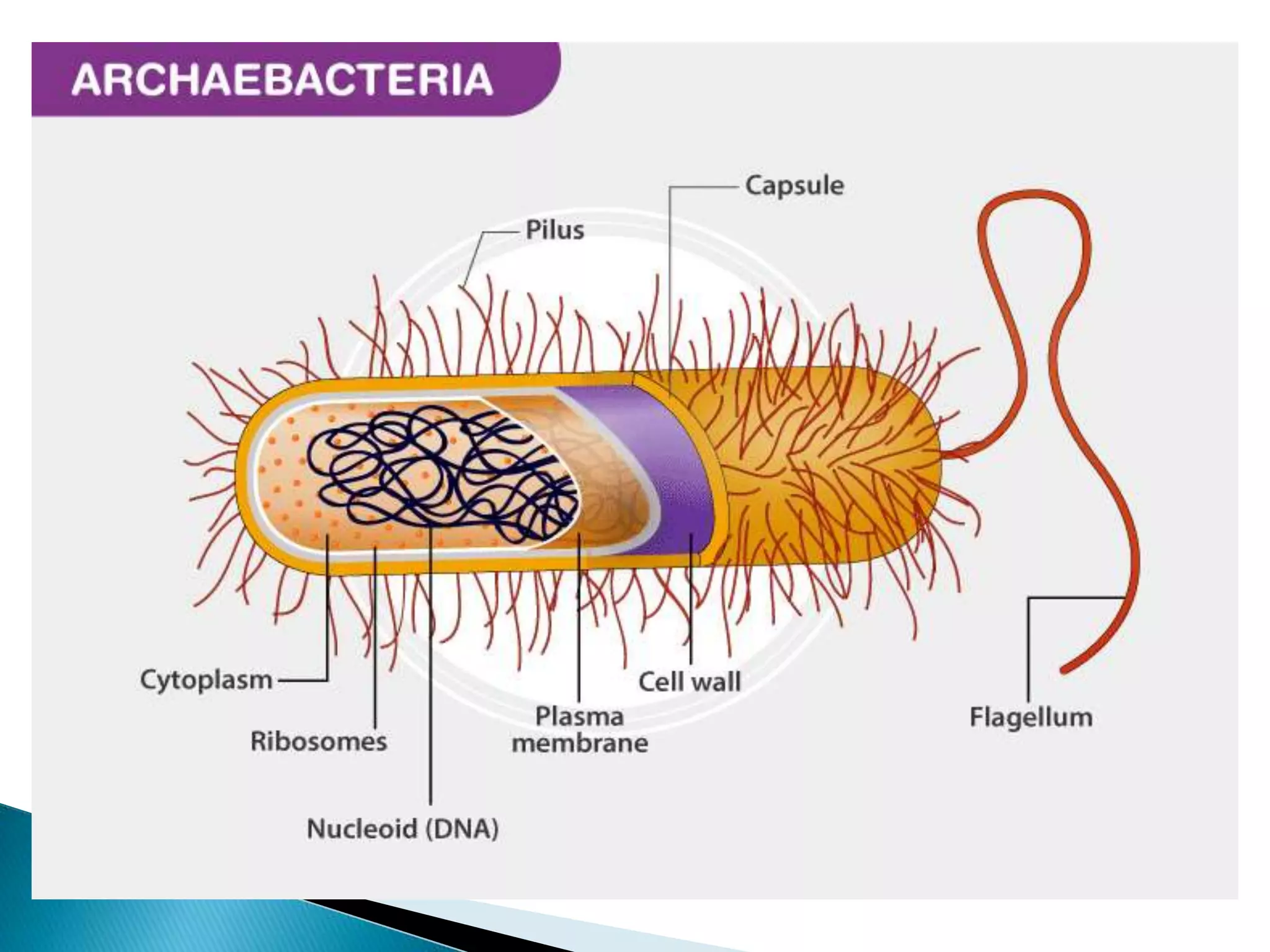
<p>archaebacteria</p>
39
New cards
<p>true or false: protist’s cells have no nucleus</p>

true or false: protist’s cells have no nucleus

FALSE

<p>FALSE</p>
40
New cards
<p>true or false: plants absorb nutrients through their roots</p>

true or false: plants absorb nutrients through their roots

FALSE

<p>FALSE</p>
41
New cards
<p>which of the following is NOT true about consumers?</p><p>they make their own food</p><p>they get indirect energy from the sun</p><p>they eat other consumers</p><p></p>

which of the following is NOT true about consumers?

they make their own food

they get indirect energy from the sun

they eat other consumers


they make their own food is false

<p>they make their own food is false</p>
42
New cards
<p>how are communities of bacteria living underwater without sun?</p>

how are communities of bacteria living underwater without sun?

they are using another energy source

<p>they are using another energy source</p>
43
New cards
<p>are humans and bears on the same tropic level?</p>

are humans and bears on the same tropic level?

YES

<p>YES </p>
44
New cards
<p>the energy lost between tropic levels…</p>

the energy lost between tropic levels…

is used in the course of normal living

<p>is used in the course of normal living</p>
45
New cards
<p>from producer to secondary consumer, about how much of energy is lost?</p>

from producer to secondary consumer, about how much of energy is lost?

99%

<p>99%</p>
46
New cards
<p>true or false: plants generate nitrogen in their roots</p>

true or false: plants generate nitrogen in their roots

FALSE

<p>FALSE</p>
47
New cards

which of the following are most likely to be the pioneer organisms on an area of bare rock:

trees

lichens

shrubs


lichen

<p>lichen</p>
48
New cards
<p>excessive use of fertilizer containing nitrogen and phosphorus…</p>

excessive use of fertilizer containing nitrogen and phosphorus…

may cause algal blooms in waterways

<p>may cause algal blooms in waterways</p>
49
New cards
50
New cards
51
New cards
52
New cards
53
New cards