module 8 - prenatal development and face and neck development
 Call Kai
 Learn
Learn Practice Test
 Spaced Repetition
 Match
Match Flashcards
 Knowt Play
1/46

There's no tags or description
Looks like no tags are added yet.
Name | Mastery | Learn | Test | Matching | Spaced | Call with Kai | Chat |
|---|
No analytics yet
Send a link to your students to track their progress
47 Terms
embryology
the study of prenatal development
preimplantation period
first week —> zygote and blastocyte
embryonic period
2-8 weeks —> disc, embryo, folded embryo
fetal period
3-8 months —> embryo and fetus
primordium
earliest recognizable structure
developmental disturbances
can happen at any point in development —> caused by genetic factors or environmental agents
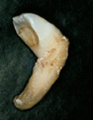
what is this
flexion

what is this
dilaceration

what is this
concrescence

what is this
fusion
teratogens
environmental agents and factors involved in developmental disturbances —> infections, drugs, radiation
karyotype
organized profile of an individual chromosome
phenotype
an organism’s physical appearance, or visible traits
morula
after initial cleavage — solid mass of cells, all have contact with outside
blastocyst
morula continue to divide — layers within
end of preimplantation period week 1
blastocyst implants into endometrium
trophoblast layer
layer of peripheral cells of blastocyst
peripheral cells
involved in forming prenatal support tissue
embryoblast layer
inner mass of embryonic cells — involved in forming embryo
induction
action of group of cells on another to change
differentiate
act of becoming different cells
proliferation
controlled cellular growth
appositional growth
growth by adding layers to the outside — think of a tree
interstitial growth
growth happening from within
what happens during embryonic period
differentiation and morphogenesis
morphogenesis
cells and tissue organize into specialized structures
embryonic period week 2
starting point — blastocyst has been implanted
embryonic cell layer
from within blastocyst
bilaminar embryonic disc
form embryoblast layer — becomes the fetus
bilaminar embryonic disc layers
superior epiblast layer
inferior hypoblast layer
primitive streak
the groove where cells move in
when do layers become endoderm and ectoderm
embryonic period week 3
ectoderm
involved in skin epidermis, central nervous system and other structures
mesoderm
involved in formation of connective tissue like cartilage, bone, blood, and muscle
endoderm
involved in formation of respiratory epithelium and cells of glands
cephalic end
head
where does the oropharyngeal membrane form
cephalic end (head)
stomodeum
mouth of future embryo — beginning of digestive tract
caudal end
tail
where is the primial streak
caudal end
invagination
folding in onitself
neural crest cells
send messages to different parts of the body
what happens during embryonic folding
endoderm ends up inside ectoderm with mesoderm
what develops during week 4
face and neck
ears, eyes, oral cavity, jaw
when does facial development start
4th week
when is facial development complete
12th week
facial fusion
either by fusion of same surface or fusion of different surfaces