methods 3
 Call Kai
 Learn
Learn Practice Test
 Spaced Repetition
 Match
Match Flashcards
 Knowt Play
1/78

There's no tags or description
Looks like no tags are added yet.
79 Terms


first find the range of f(x) by competing the square, then use that range(output) of the inner function as the input of the outer function. do g(-4)

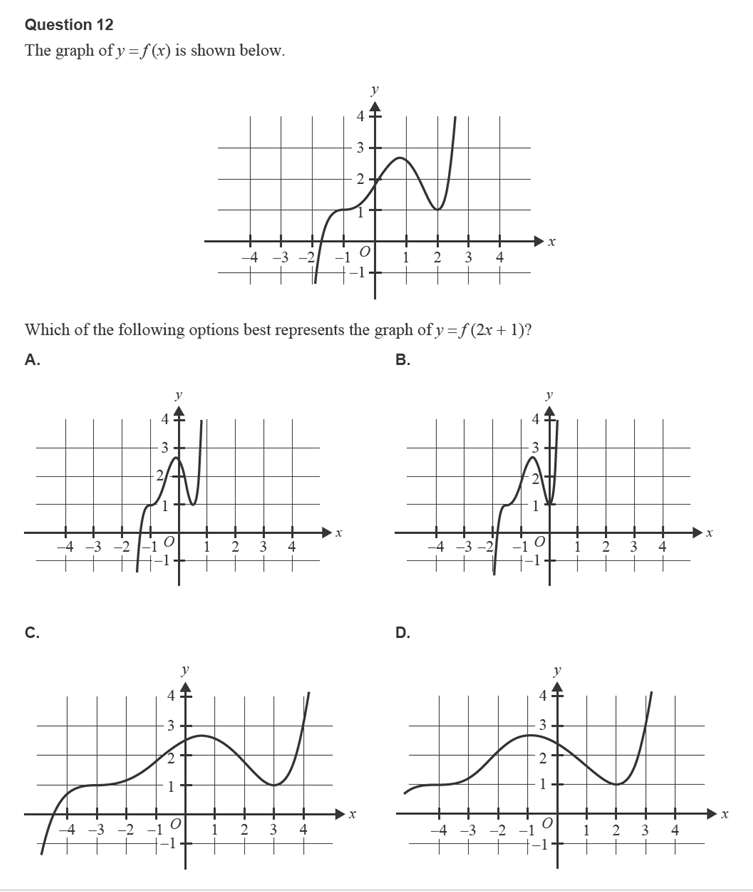
dilation parallel to the x-axis affects the x-value. dilation parallel to the y axis affects the y value. also remember to take out the dilation factor out the brackets before doing the translation!


first, obvious one, 9/4 units up. then its dilate by factor A parallel to the x-axis and translated by factor B left/right. so do two simultaneous equations and find a and B. dont flip the dilation for A because it is simply implied.
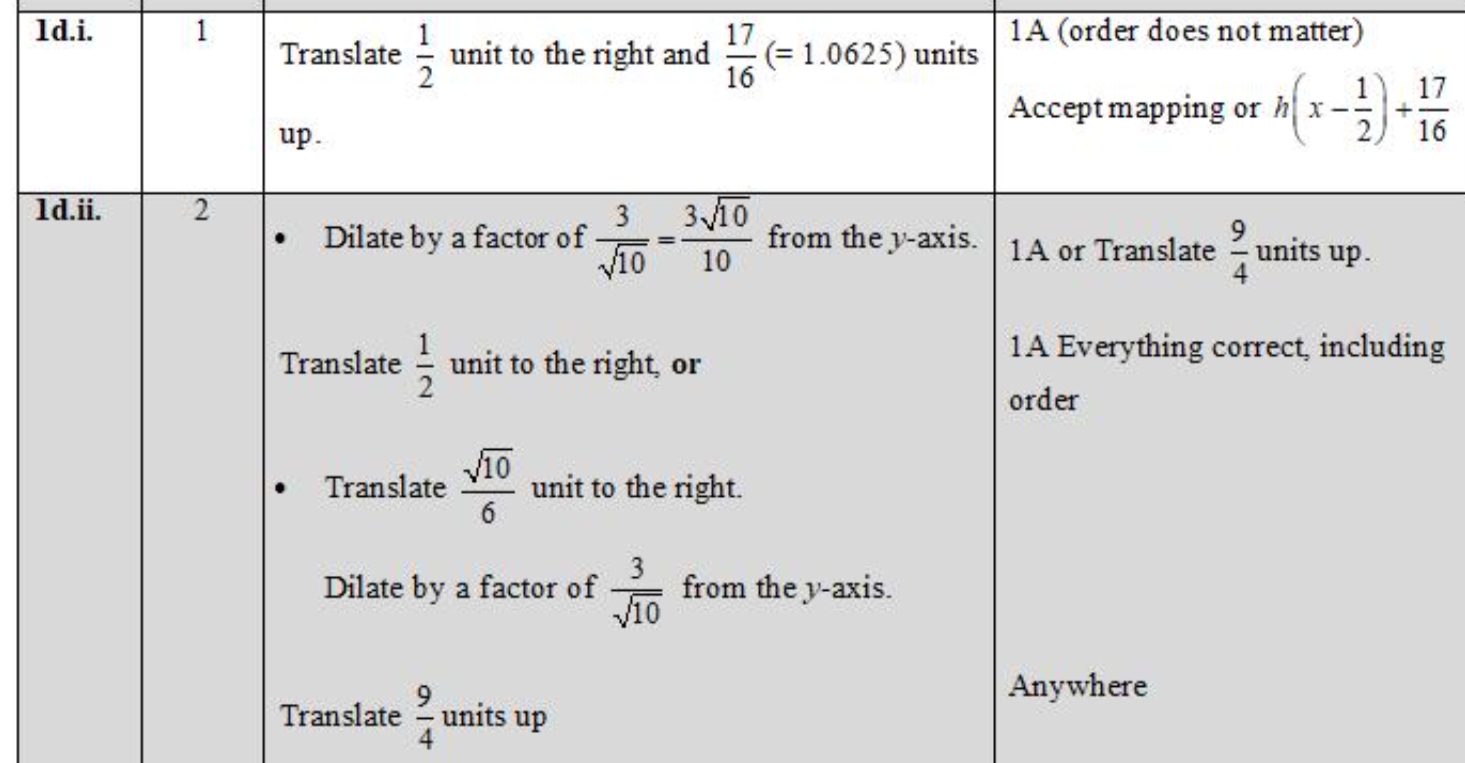
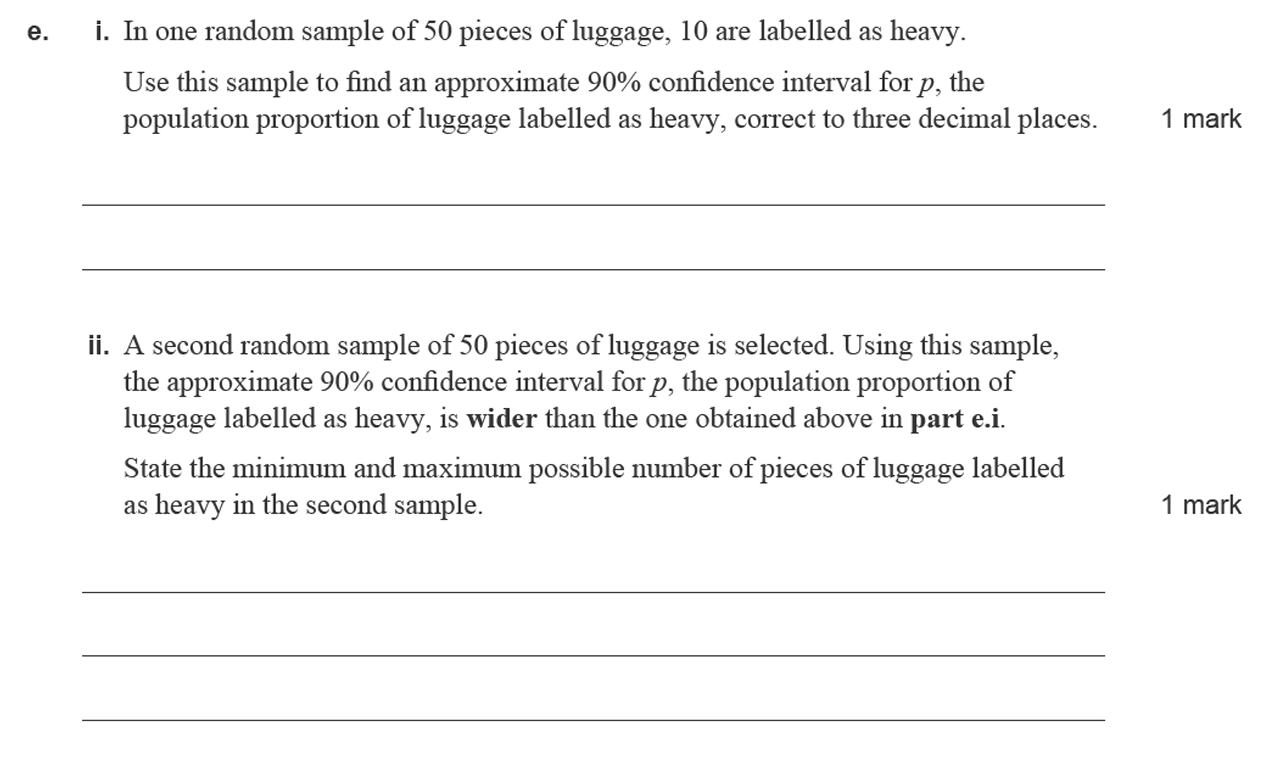
when they mention, width, think about margin of error. Here they mention the new interval has a greater width, hence has a greater margin of error than the origiinal. Hence, put togehter the inequality and solve it.

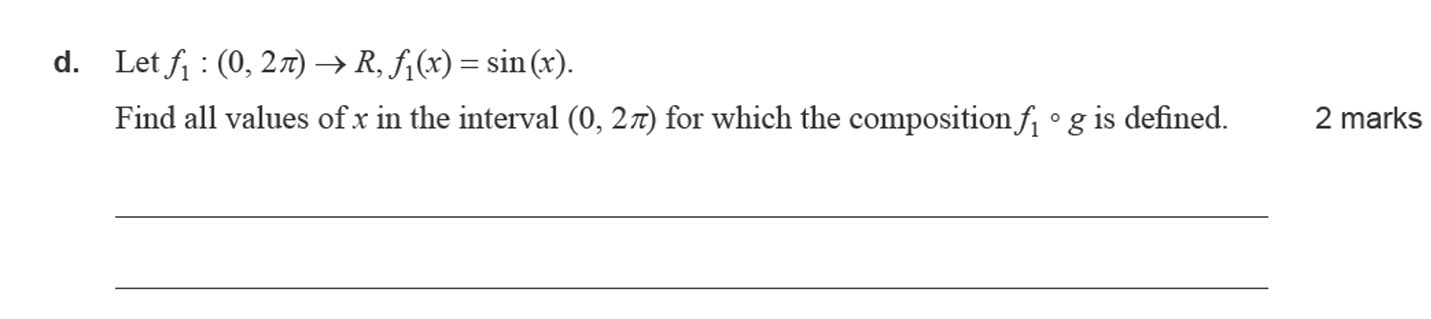
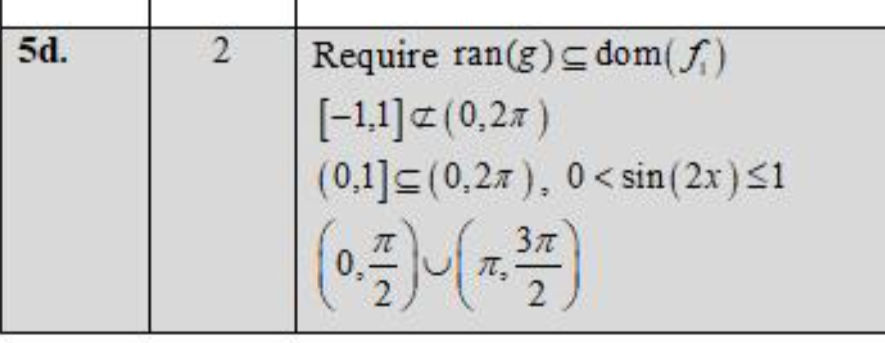
g(x)=sin(2x)



add to bound refernce





function was 3lnx and 2ln(12-x) as a piecenwise function


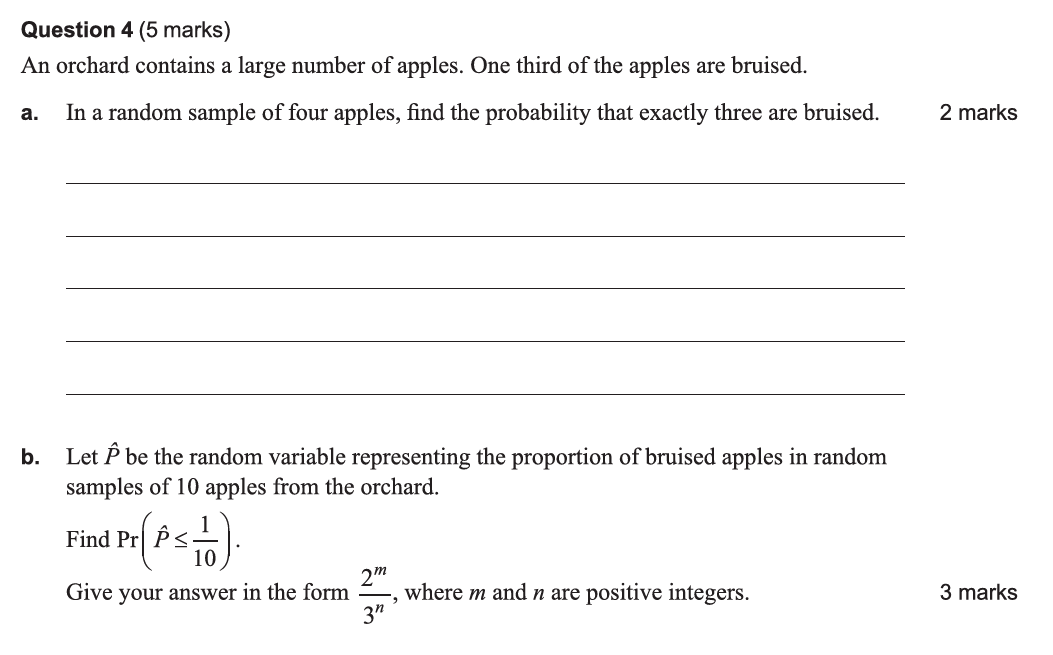
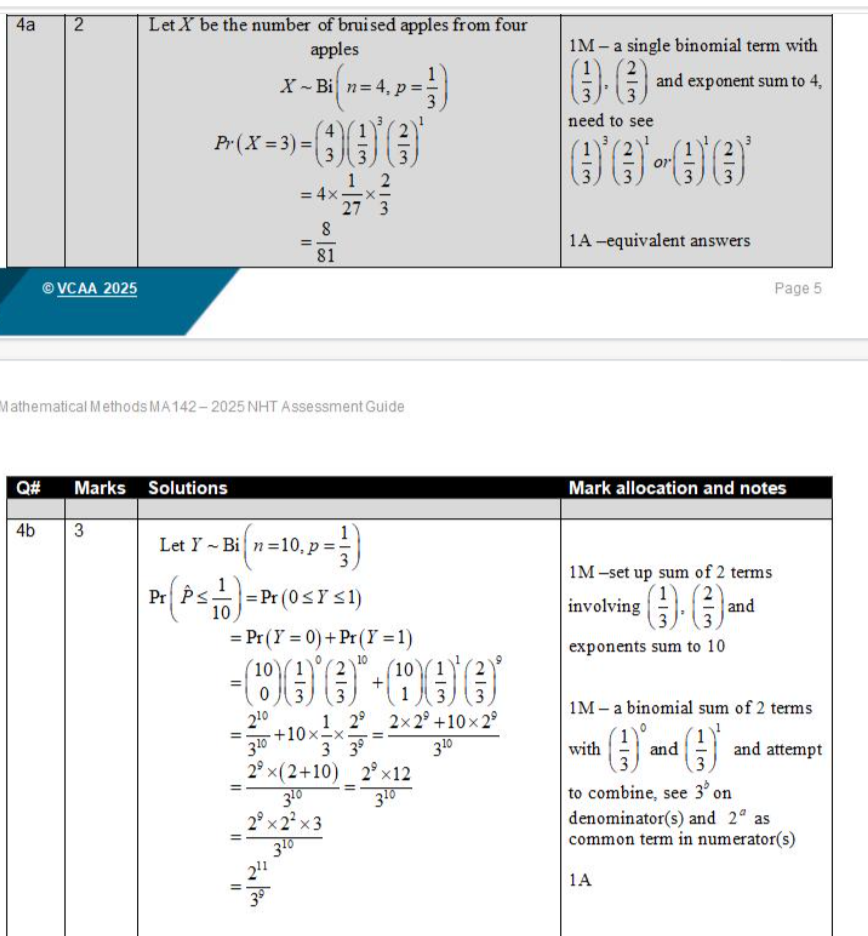
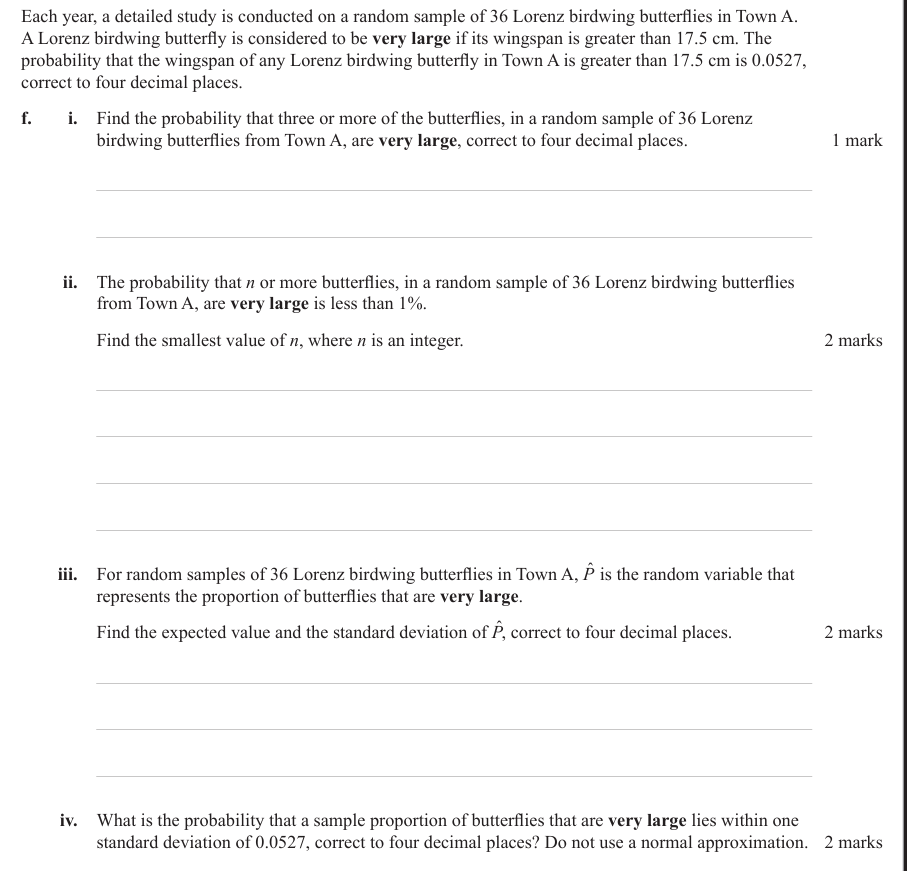
1/27 is the prob for large claim






since the quadratic function has to be more than 0, it would have no roots and hence no solutions


for this to be positive, either both have to be positive or both have to be negative.


this is conditional probability because it is basically saying somethingn is happening, then what is the probability because of that. Its a trick question because ti doesnt expleicity say that “given” .


f(x)=sin(x)(1+4cos(x))
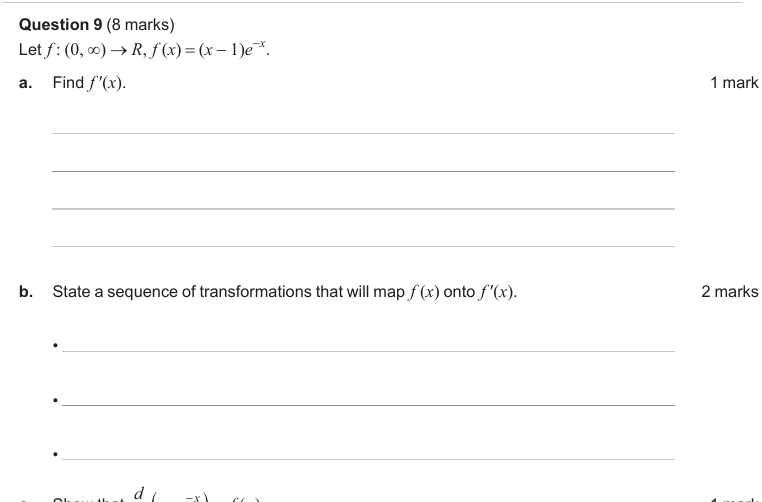
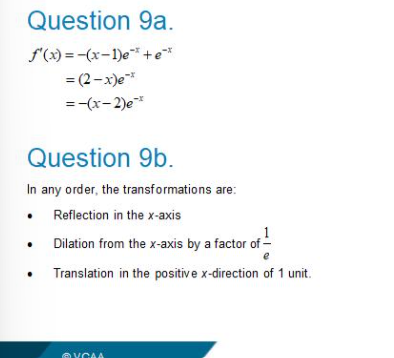
Trigger: transformations to get one function to another. Action: Expand to bring both functions to same template. Sub in the transformation into the function. And then solve it term for term. equating terms.


Trigger: for what values of the variable will there be two/one/three solutions. Action: consider odd or even values. sub in to see.


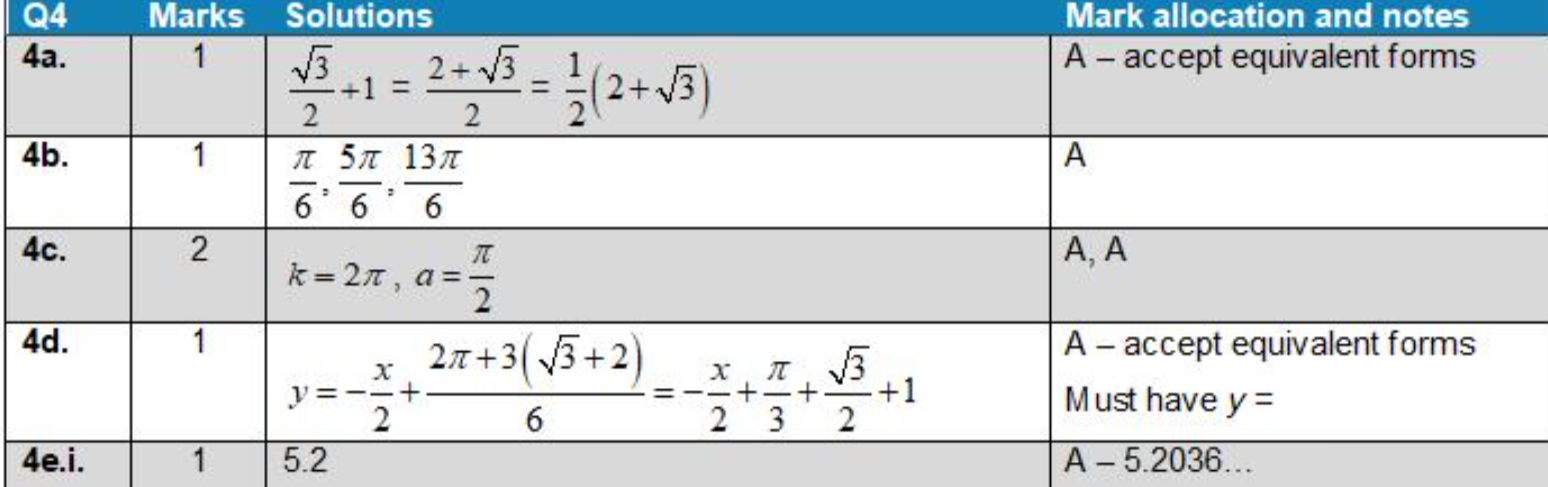




remeeber to include, n is a set of all integers and the domain for n.
domain of n must be to a whole no. eg, for b, cant be equalto or less than 1/4. must be 0.


so u find x in terms of a. then find a over the domain of a. then sub in the new found value of x into y. rearrange for a over domain of y. then put the two domains together.


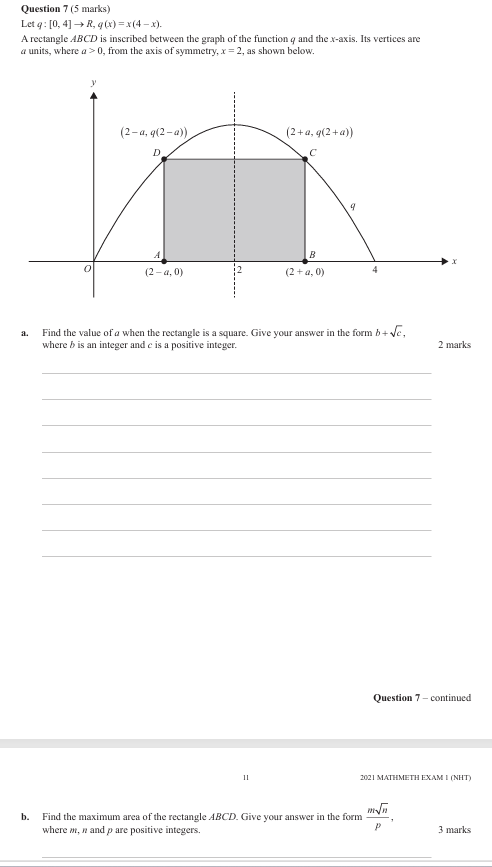
check endpoints to find min or max remaining area when askig for both and u only get one answer for x


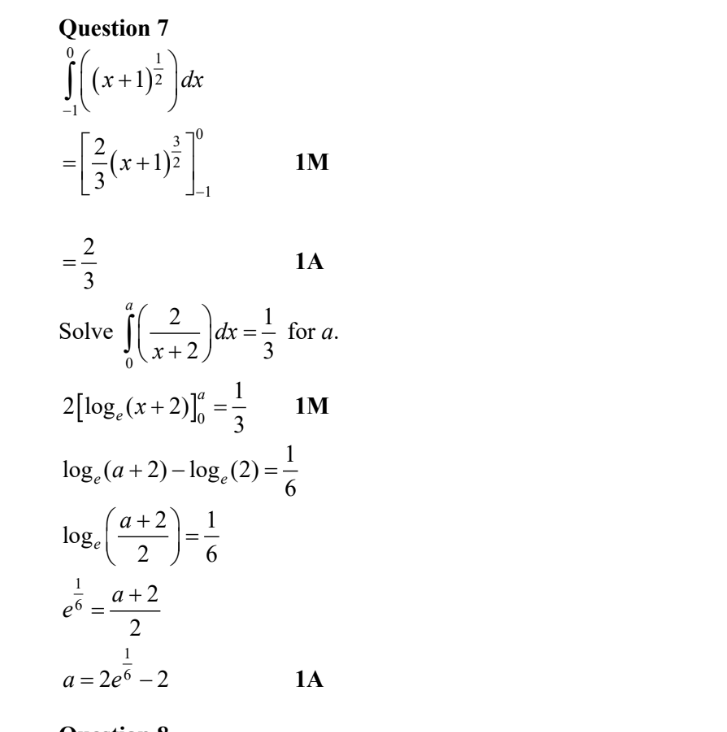
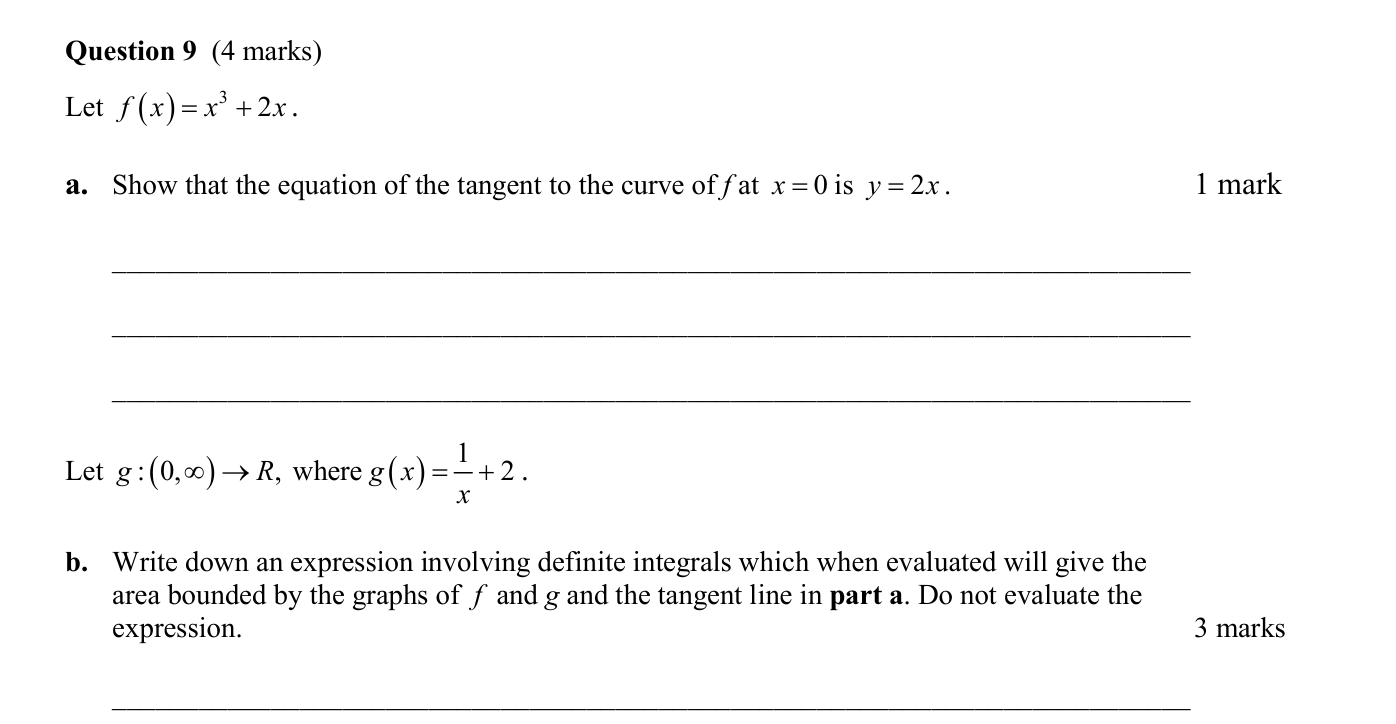


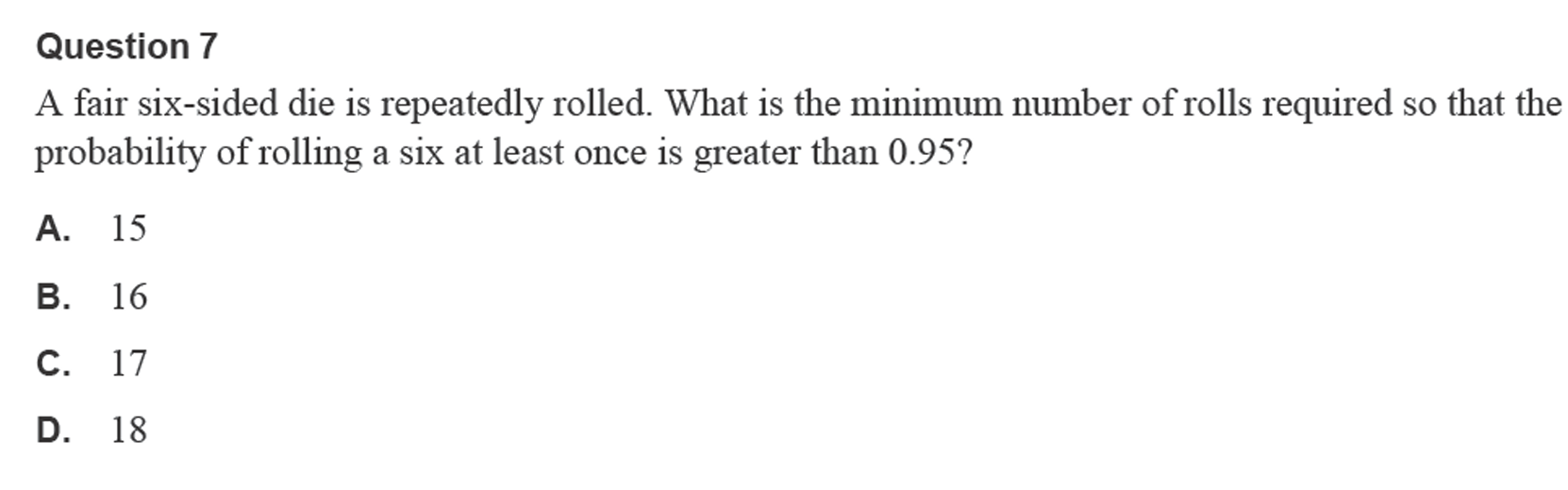
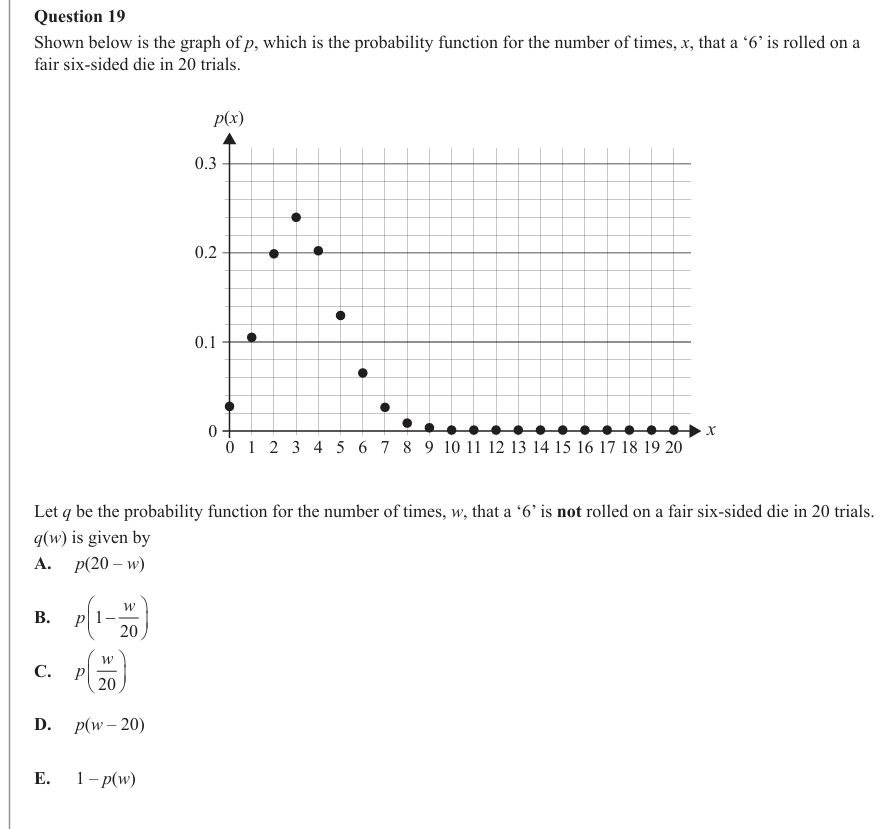
figure out what combinations will get me there.


