Lab 6 Neuroptera and Hymenoptera
 Call Kai
 Learn
 Practice Test
 Spaced Repetition
 Match
 Flashcards
 Knowt Play
1/6

There's no tags or description
Looks like no tags are added yet.
7 Terms
Order: Neuroptera
Lacewing
Wing held roof like over abdomen
As larvae paired, sickle-shaped mandibles and maxillae
Mostly terrestrial
Both larvae and adults predators

Order: Hymenoptera
Wasps, Bees, Ants
Two pair of membranous wings (hindwing smaller)
Fore and hindwings hooked together with hamuli
Order: Hymenoptera
Suborder: Symphyta
sawflies
bdomen and thorax broadly joined
Ovipositor saw-like or needle-like
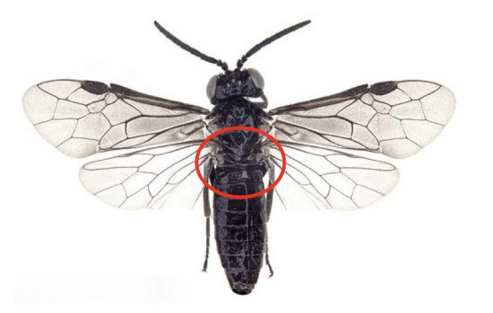
Order: Hymenoptera
Suborder: Apocrita
wasps, bees, ants
First abdominal segment fused with metathorax (petiole)
Ovipositor modified for piercing hosts in parasitic species or into stinger
Larvae are gregarious (feed in groups)

Order Hymenoptera
Suborder: Apocrita
Wasps
1. Parasitic Wasps
some are parasitoids which are used in bio control
2. Subsocial Wasps
Females will paralyze insects to feed to young
3. Eusocial Wasps
Females provide paralyzed prey
build paper nests
Order Hymenoptera
Suborder: Apocrita
Bees
1.Subsocial Bees
Special hairs for collecting pollen = plumose hairs (setae)
Scopa on hind tibia = also pollen collecting
Females provide pollen and nectar for babies
2.Eusocial Bees
bumble and honey bees
have drones and workers
Order Hymenoptera
Suborder: Apocrita
Ants
smart most successful group
Trophallaxis: exchange foods or fluids between mouth (used as communication or to transfer microbes)