Cellular Structures (Ch. 4 - BSC2010)
 Call Kai
 Learn
Learn Practice Test
 Spaced Repetition
 Match
Match Flashcards
 Knowt Play
1/33

There's no tags or description
Looks like no tags are added yet.
Name | Mastery | Learn | Test | Matching | Spaced | Call with Kai | Chat |
|---|
No analytics yet
Send a link to your students to track their progress
34 Terms
plasma membrane
bilayer of phospholipids and proteins that forms a barrier between interior of cell and its external environment

nucleoid
location of genetic material in a prokaryotic cell

ribosomes
synthesis of proteins or polypeptides

bacterial cell wall
protective layer made of peptidoglycan

capsule
thick protective layer found in some prokaryotes that enable them to attach to surfaces and to evade host immune system

pili
prokaryotic appendages used for horizontal gene transfer

cytosol
region within an eukaryotic cell that is outside the organelles but inside the plasma membrane where metabolic chemical reactions take place

cytoskeleton
a network of fibers composed of different types of proteins with different functions in cells

microtubules
type of cytoskeletal element made of tubulin; present in cilia and flagella; important in cell division and intracellular transport

intermediate filaments
type of cytoskeletal element made of keratin; present in cells that are subject to stretch; also present inside nucleus for support

microfilaments
type of cytoskeletal element made of actin; thin fibers important in muscle contractions and amoeboid movement

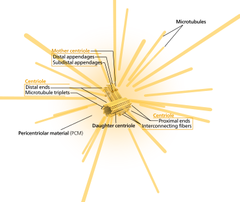
centrosome
structure inside cell from which microtubules originate from
motor proteins
proteins that use energy of ATP to promote various types of cellular movements

cilia
short, hairlike projections used for movement; numerous in a cell

flagella
long, whip-like projection used for movement

nucleus
command center of cell; place where genetic material is located

endomembrane system
a network of internal membranes that include the nuclear envelope, the endoplasmic reticulum, Golgi apparatus, lysosome, peroxisomes, vacuoles, and plasma membrane

nuclear envelope
a double membrane that surrounds the nucleus in the cell

nuclear pores
structures in the nuclear envelope that allow passage of certain materials between the cell nucleus and the cytoplasm

chromosome
piece of DNA that contains information to build proteins

nucleolus
found inside the nucleus and produces ribosomal subunits

rough endoplasmic reticulum (rough ER)
the portion of the endoplasmic reticulum that has ribosomes attached to it; important in protein synthesis and sorting

smooth endoplasmic reticulum (smooth ER)
the portion of the endoplasmic reticulum that does not have ribosomes attached to it. Involved in synthesis and secretion of lipids; detox; Calcium balance; and glycogen metabolism

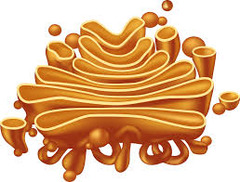
Golgi apparatus
part of the endomembrane system; in charge of receiving, modifying, packaging, and sorting
central vacuole
organelle found in plant cells used for storage and support

contractile vacuole
structure found in unicellular protozoans that pumps water out of cell; used for osmoregulation

peroxisomes
contain enzyme catalase used to break down hydrogen peroxide into water and oxygen
mitochondria
powerhouse of the cell; ATP production; cellular respiration

matrix
innermost compartment of the mitochondrion

cristae
folds in the inner membrane of mitochondria

chloroplast
site of photosynthesis; contain chlorophyll; conversion of light energy into chemical energy

thylakoids
a flattened membrane sac inside the chloroplast, used to convert light energy to chemical energy.
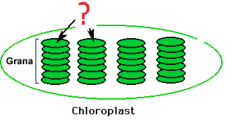
granum
one stack of thylakoids

stroma
fluid portion of the chloroplast; outside of the thylakoids
