Teratogenicity and Reproductive Toxicity
 Call Kai
 Learn
Learn Practice Test
 Spaced Repetition
 Match
Match Flashcards
 Knowt Play
1/23

There's no tags or description
Looks like no tags are added yet.
Name | Mastery | Learn | Test | Matching | Spaced | Call with Kai | Chat |
|---|
No analytics yet
Send a link to your students to track their progress
24 Terms
Plant sources
locoweeds( Astragalus sp./ oxytropis sp.)
pine needle
poison hemlock
Lupinus/Nicotiana sp.
Veratrum sp.
Plants with high nitrate content
plants with phytoestrogens
Locoweeds- Astragalus sp.
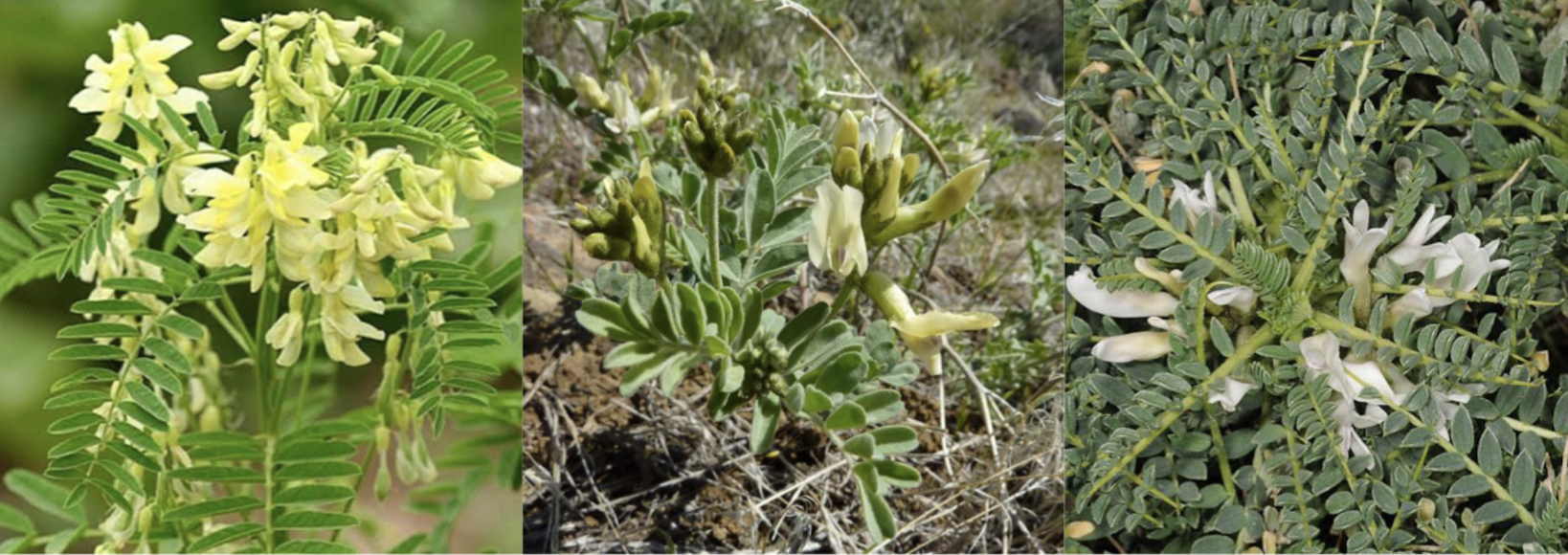
Locoweeds- Oxytropis sp.

Locoweeds
contains swainsonine alkaloids which cause lysosomal storage disease
inhibit lysosomal alpha-mannosidase and golgi mannosidase II
cells cannot break down mannose-rich sugars causing them to build up inside lysosomes
swollen lysosomes disrupt normal cell work, especially in neurons and other vital tissues

fluid accumulation in the placenta affects cotyledonary development→ fetal death followed by abortion
Pine needle (pinus ponderosa)
coniferous tree: needles contain isocupressic acid which reduces blood flow to the uterus and placenta
cows are most at risk during the last trimester (final 30 to 60 days of pregnancy)
both green or dried needles from pondersa pine trees can be harmful for pregnant cows
consumption of 3-5 pounds of pine needles for several days could trigger an abortion
crooked calf disease (teratogenicity)
poison hemlock -conium maculatum
lupinus sp
nicotiana sp

caused by maternal ingestion of toxins: differences → susceptible gestation periods, severity between livestock species
alkaloid induced inhibition of fetal movement during specific gestational periods
characterized and occasional cleft palates in cattle and goats
susceptible periods are 30-50 days for cleft palate and 50-100 days for multiple congenital contractures
poison hemlock
contains piperdine alkaloids when preganant cows graze sub lethal amounts of poison hemlock between days 40 and 100 of gestation these alkaloids cause severe birth defects (crooked calf disease)

Veratrum sp. (corn lily, false hellebore, skunk cabbage)
contains steroidal alkaloids, cyclopamine and jervine
activate sodium ion channels- rapid cardiac failure and a fatal condition
stimulation of vagal nerve
teratogenic- cyclopia, cleft palate, anophthalmia, metacarpal hypoplasia
small ruminants/grazing livestock
cyclopamine inhibits the sonic hedgehog signaling pathway which is critical for embryonic patterning and brain/facial development
leads to defects in the central nervous system and skull notably cyclopia and jaw deformities
human toxicity: mistaken for wild leek/ramps (GI and cardiogenic effects of veratrum alkaloids: nausea, vomiting hypotension, an bradycardia

ramps vs false hellebore: smell, leaf texture/shape, growth/location, growth pattern, toxicity

Nitrate poisoning (pearl millet, sorghum, sudan grass)


signs: abrupt onset; noticed within hrs after eating hay and cause the fatal condition, weak labored respiration, trembling of muscles, weakness, staggering gait and sometimes apparent blindness, animal may sink to the ground fall on its side and lie with its mouth open, bluish discoloration of the tongue and cornea of the eyes → fatal condition , pregnant animals may abort later
pathology: tissue/ blood appear dark colored; petechial hemorrhages; forage/silo samples should be taken from multiple spots sent in airtight containers, time between sampling and delivery to lab should be short as possible
treatment: Methylene blue (1-2%) 4-15mg/kg BW, IV
prevention: adapt animals using oral prebiotics (before administration of forages), reduce the level of nitrite production in ruminants→ management tool assist cattle producers during the feeding of drought stressed high nitrate forages
Reproductive toxicity caused by chemical
first trimester (organogenesis period) when teratogens most easily trigger major malformation, reproductive toxicants can interfere with gamete formation, fertility rate, preganacy, fetal development, or offspring survival, exposure may occur through contaminated food, water, soil, air, or industrial/agricultural environments
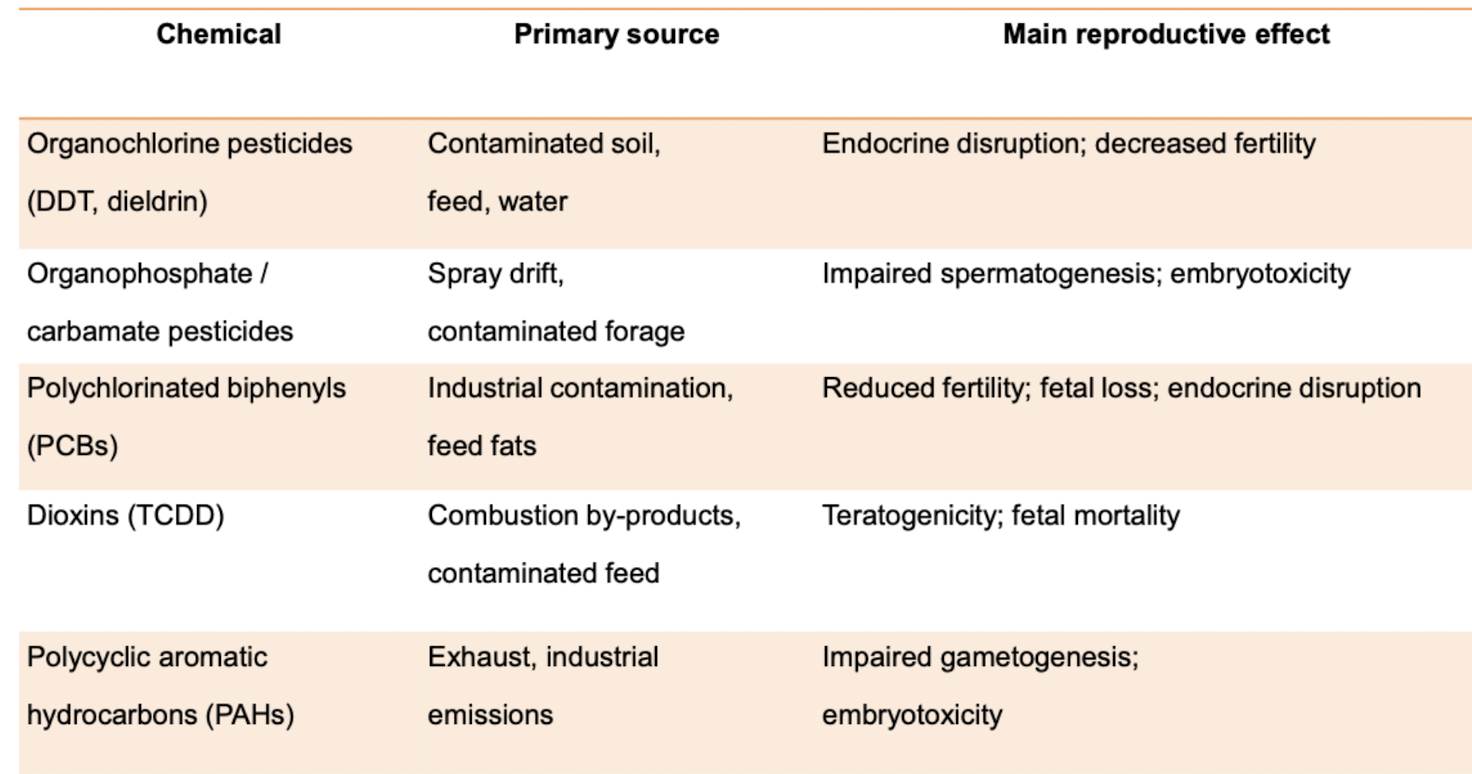
Endocrine disruptors
Endocrine-disrupting chemicals are environmental chemicals that affect the hormonal function in the body
EDCs have been linked to reproductive tract abnormalities, infertility, cardiovascular disease, asthma, autoimmune disease, and neurocognitive disorders
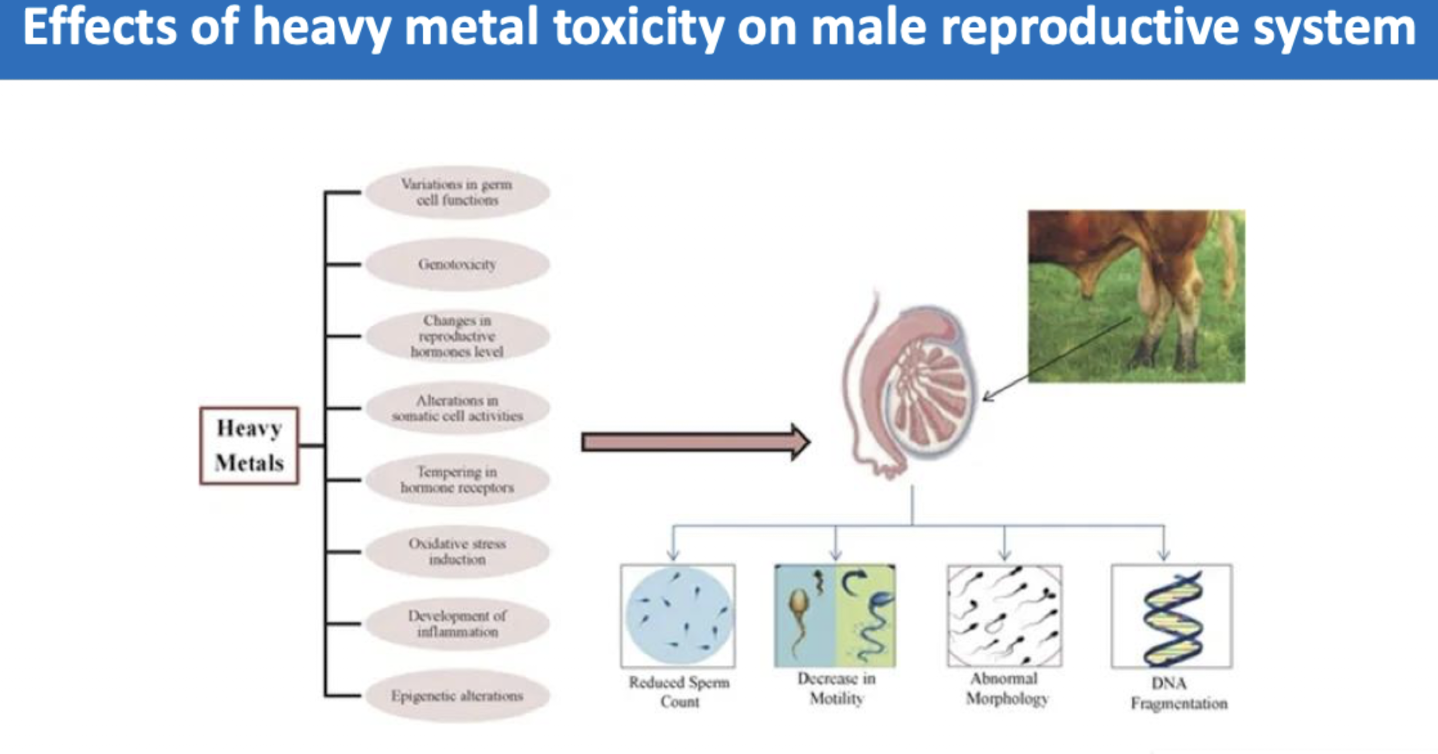
sources of heavy metal contamination
industrial effluents, automobile emissions, waste water from industries (chromium), grazing the polluted pastures along roadsides/mining areas, fertilizers phosphate and organic (sewage sludge and animal manure)


Arsenic
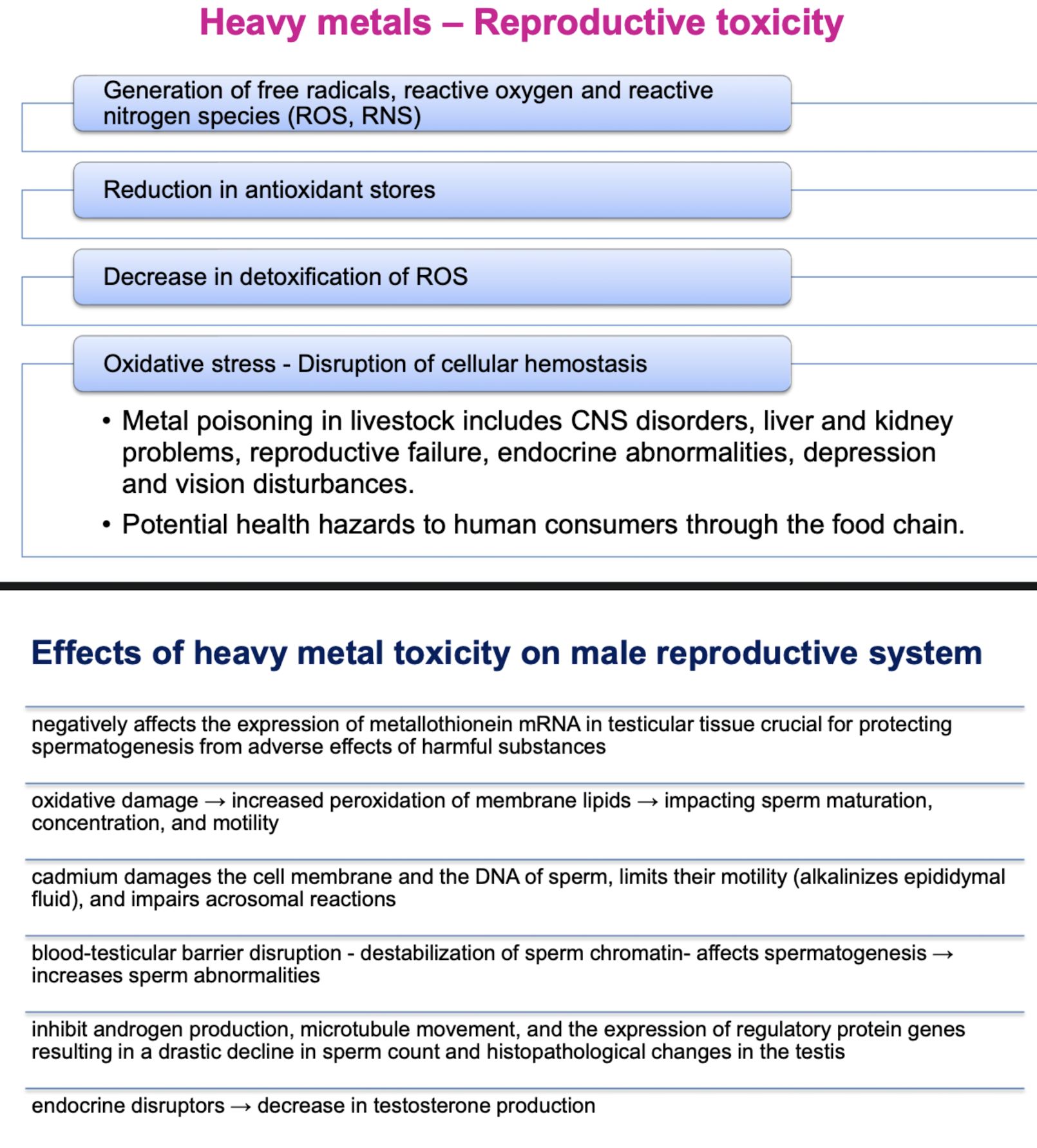
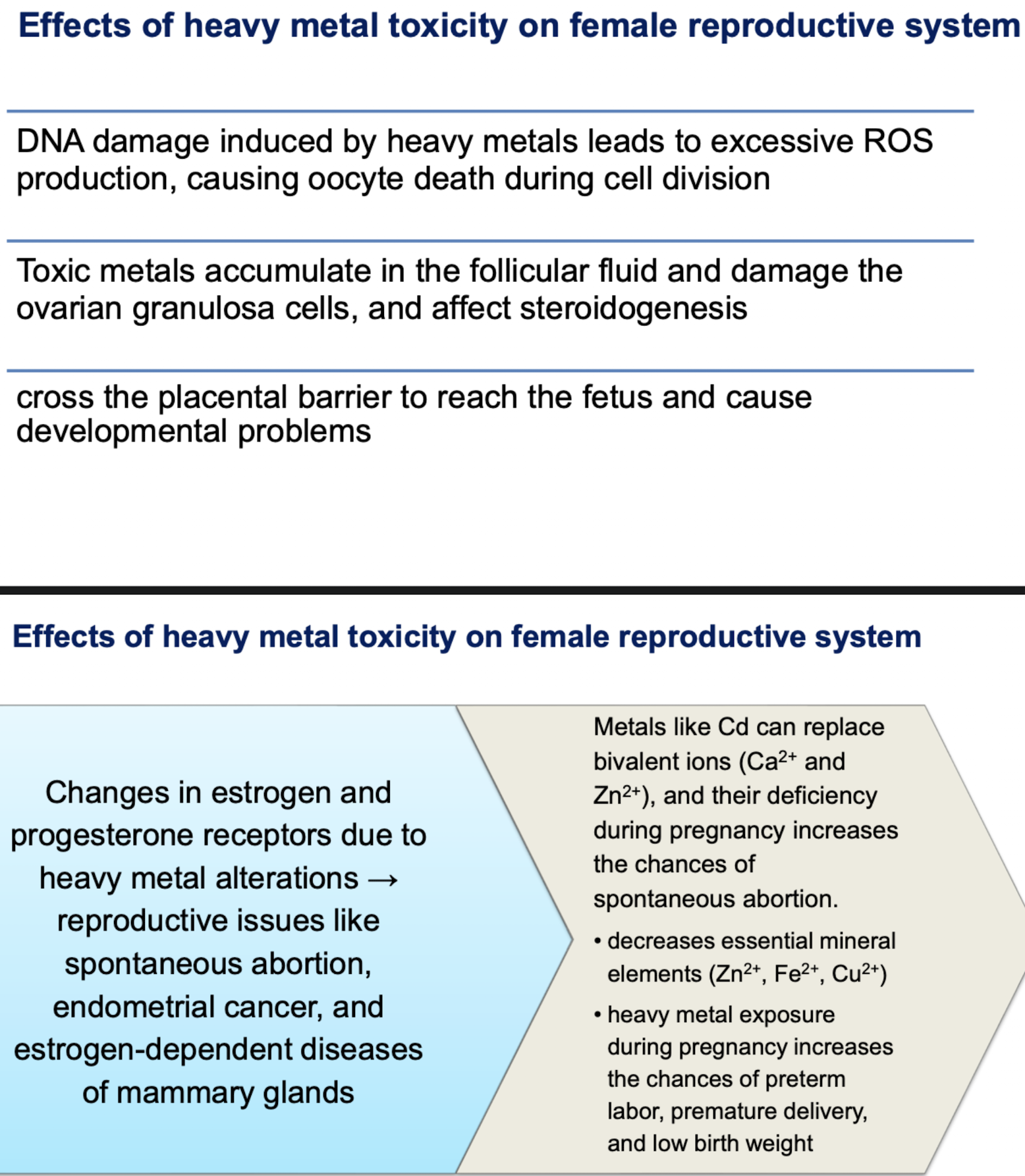
sources: contaminated pastures, dipping, spraying chemicals, pesticides, herbicides, feed additives, ground water
As accumulates in liver → distributes to kidneys, spleen, lungs
induces GI, nervous, cardiovascular symptoms
Lead
higher frequency of poisoning
sources: contaminated feed/water, burning of fossil fuels, paint industries, combustion of coal
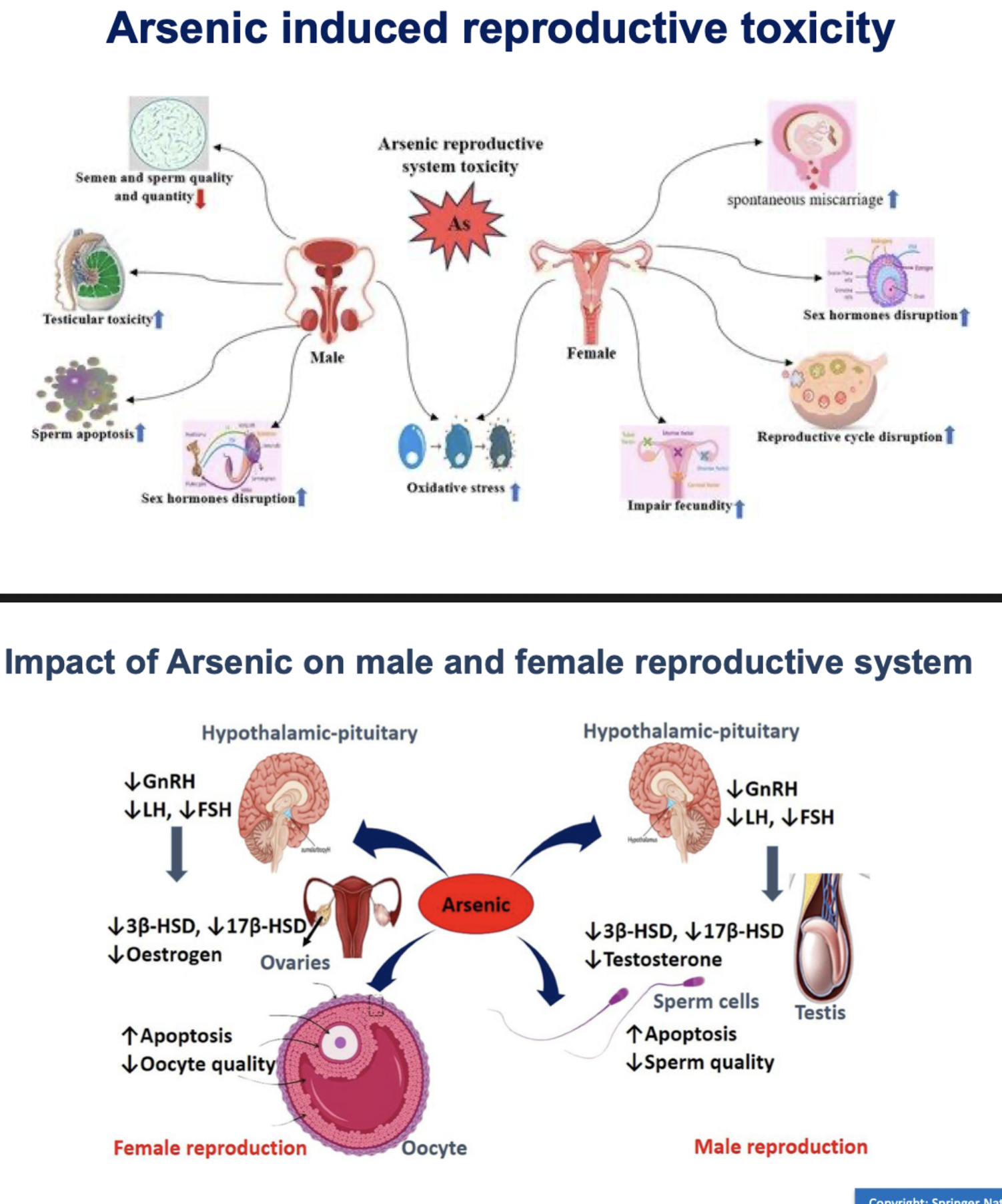
Pb can cross placental barrier→ affects the fetus of exposed animal
CNS, GI, hemopoietic system, and neurological signs (bellowing, blindness, dullness, head pressing, opisthotonos, convulsions and coma)
affects reproductive function → leads to disorders in prostatic function, including prostate hyperplasia and cancer, as well as a reduction in sperm motility

Cadmium

Mycotoxins
secondary metabolites produced by fungi which contaminate a wide variety of agricultural products including cereals and forages intended for animal feed:
aflatoxins
ochratoxin A
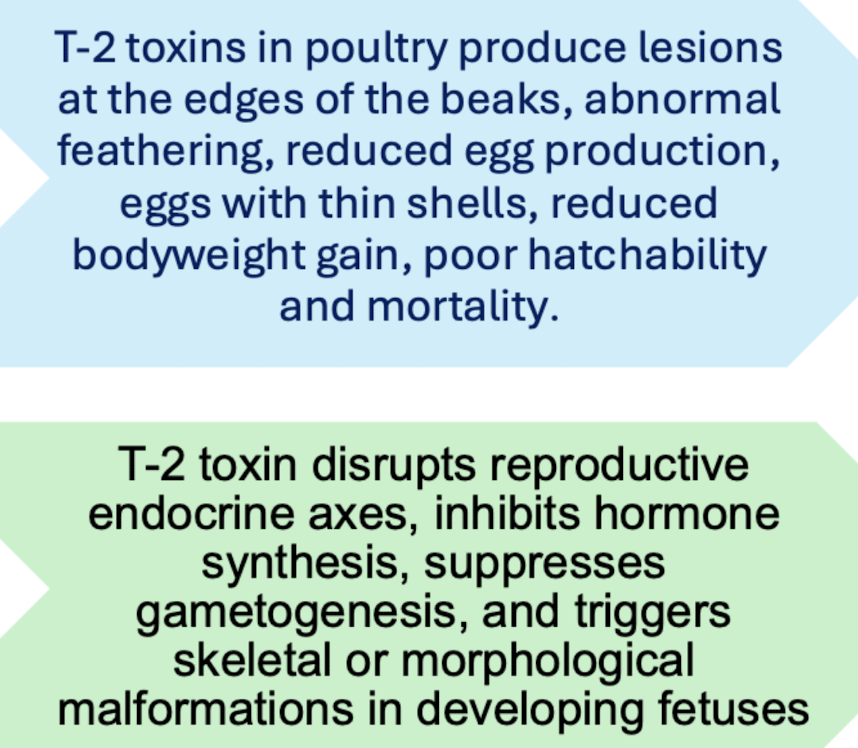
T-2 toxin
Zearalenone
Fumonisions
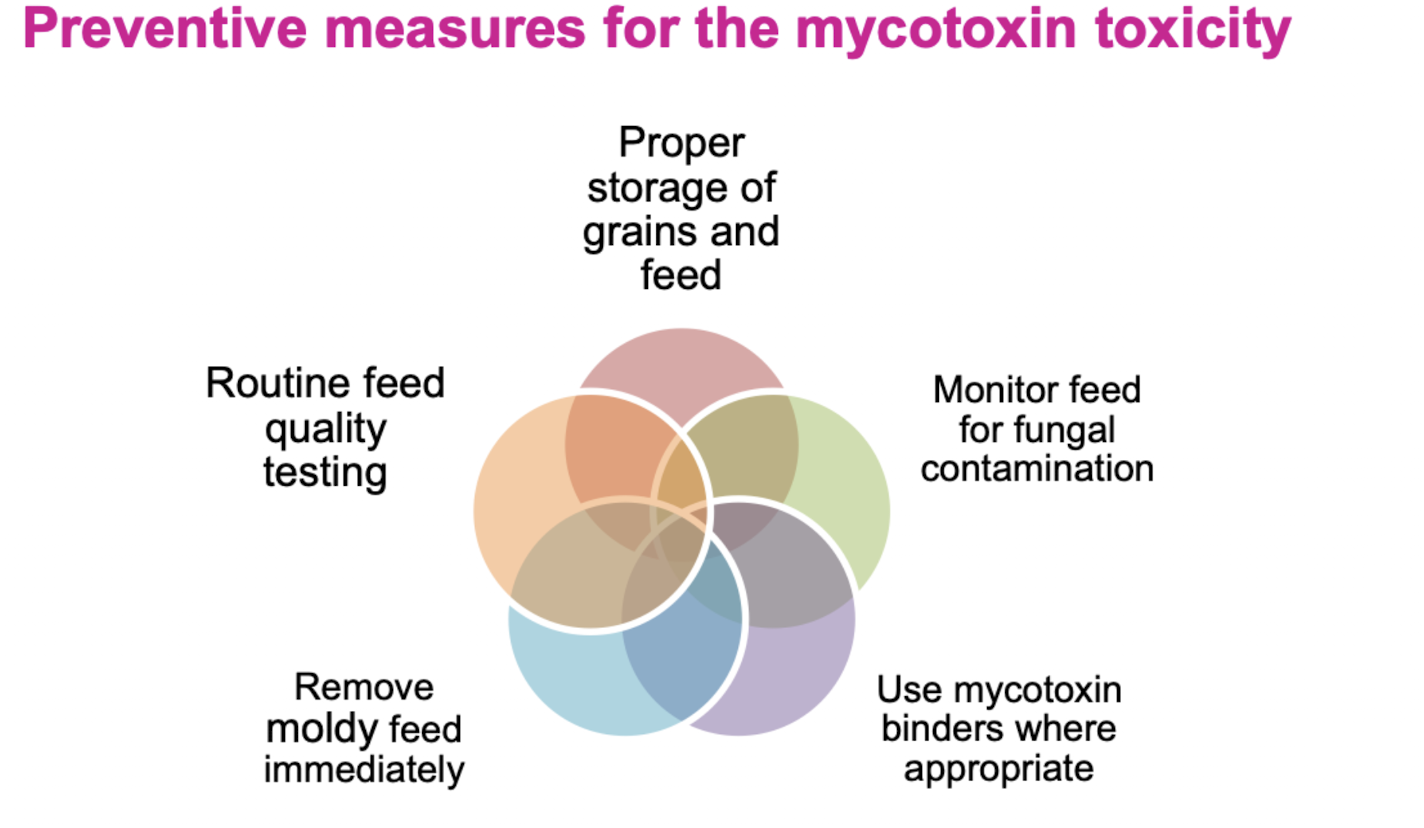
Mycotoxins cause significant teratogenesis and reproductive toxicity in veterinary species by disrupting endocrine balance, cellular signaling, and embryonic development

Aflatoxins
source: aspergillus flavus and a parasiticus
aflatoxins AFB1, AFB2, AFG1, AFG2, AFB! is a potent mycotoxin
infects the crops and feed ingredients such as corn, peanut, peanut meal, cottonseed, and cottonseed meal
Aflatoxin B1

Fumonisin B1

Zearalenone


Trichothecenes
Endophyte toxicity- fescue toxicosis


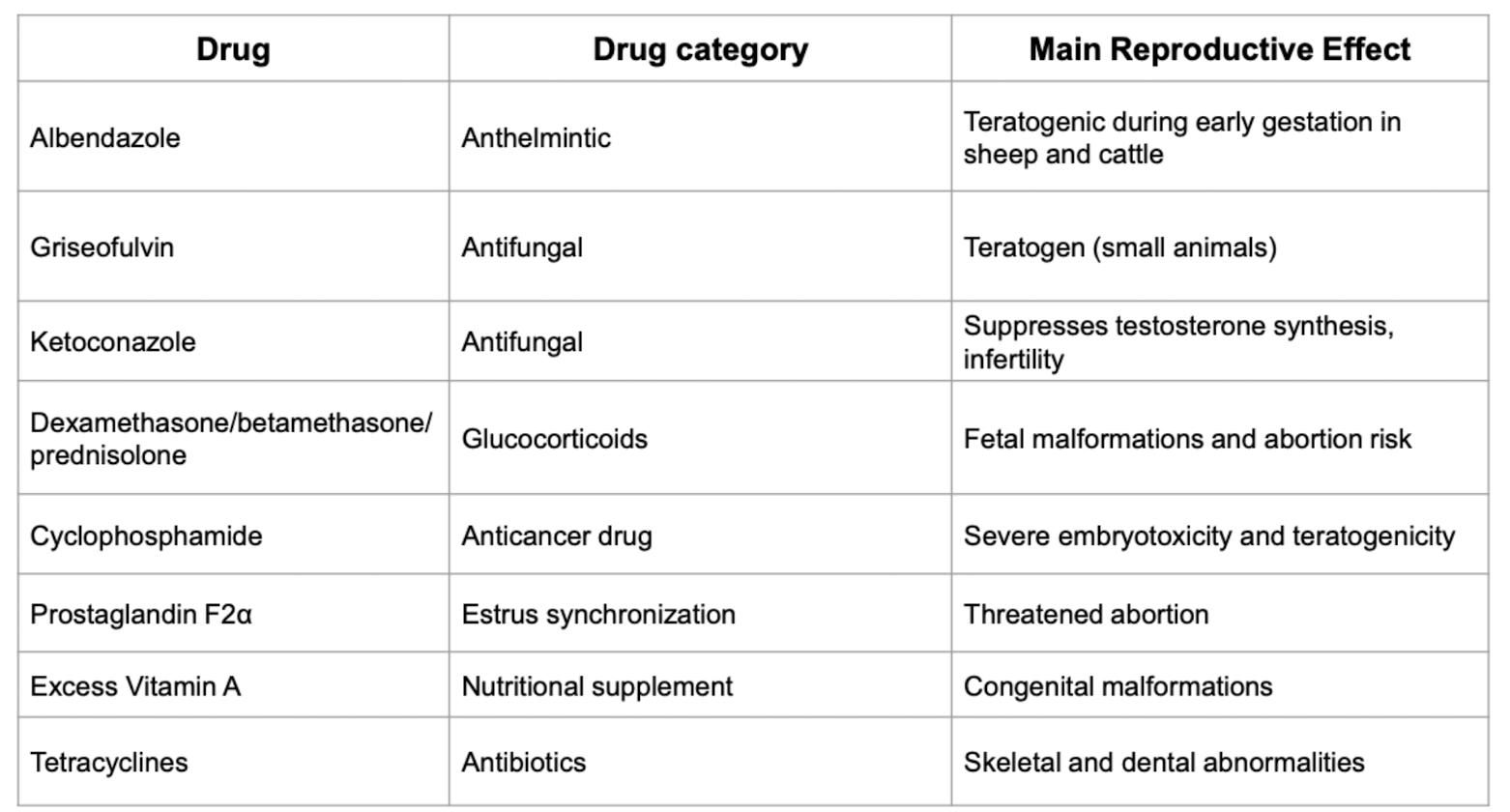
Drugs that cause reproductive toxicity