| Chem 1 H | Chapter 5 Review
 Call Kai
 Learn
 Practice Test
 Spaced Repetition
 Match
 Flashcards
 Knowt Play
1/26

There's no tags or description
Looks like no tags are added yet.
Name | Mastery | Learn | Test | Matching | Spaced | Call with Kai | Chat |
|---|
No analytics yet
Send a link to your students to track their progress
27 Terms
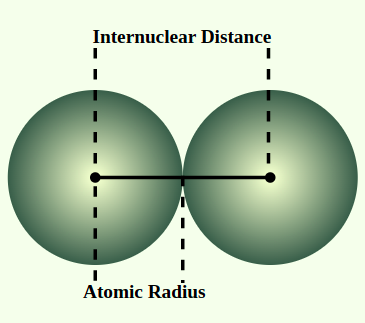
atomic radius
size of atom, ½ distance between nuclei of two identical atoms bonded together.

first ionization energy
energy required to remove the highest energy e- from an atom.

second ionization energy
energy required to remove the second highest energy e- from an atom.
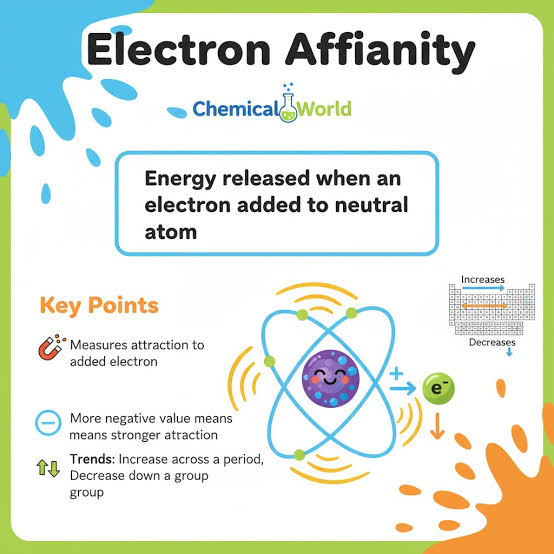
electron affinity
amount of energy change when adding an electron to an atom.

effective nuclear charge
actual magnitude of the positive charge experienced by an electron.

shielding
an electron in a multi-electron atom is partially shielded from the positive charge of the nucleus by other electrons in the atoms.

metalloid
some properties of metals and non-metals, semiconductors, “staircase” elements.

noble gases
very nonreactive (stable), don’t react with other elements.
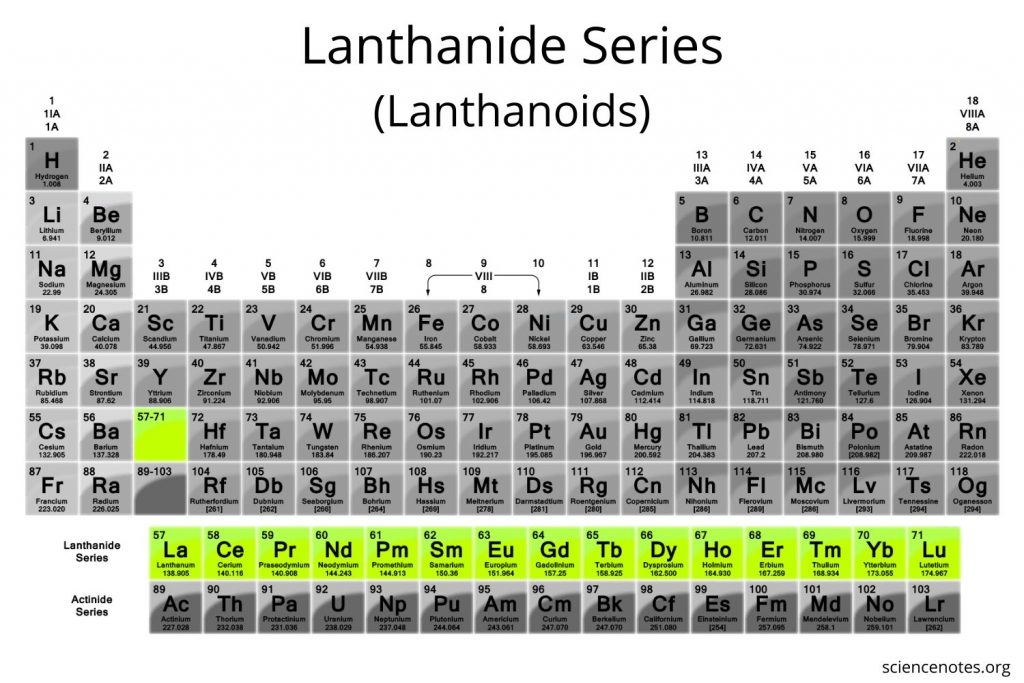
lanthanide elements
4f row, “Rare” earth element, super magnets, cell phone technology.
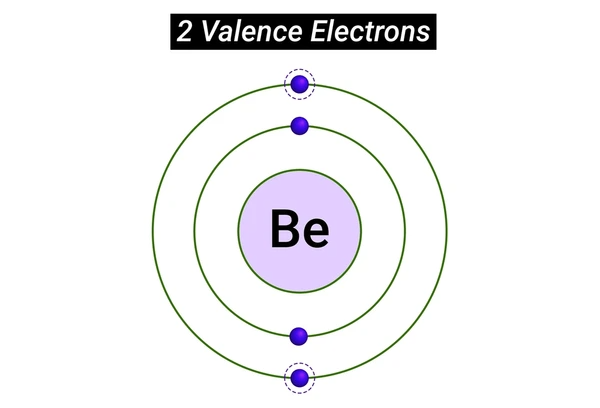
valence electrons
electrons in the outermost shell of an atom.

periodic law
physical/chemical properties of elements are periodic functions of their atomic numbers.
(group 1)
metals Li, Na,K, Rb, Cs ,F

(group 2)
alkaline earth metals Be, Mg, Ca , Sr, Ba, Ra

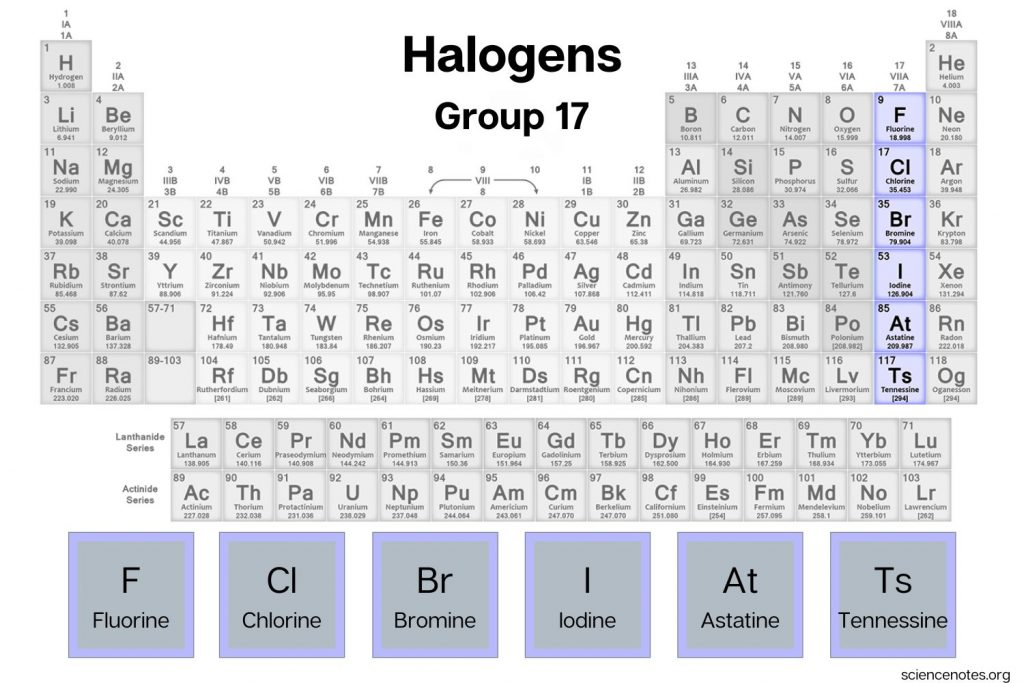
(group 17)
halogens F, Cl, Br, I, At, Ts
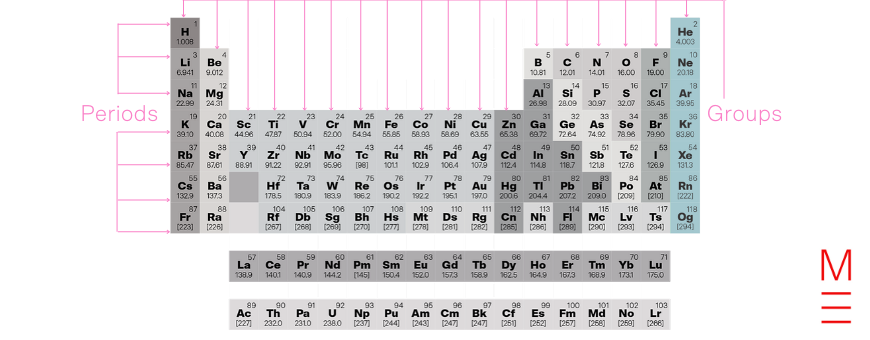
(group 18)
noble gases He, Ne, Ar, Kr, Xe, Rn, Og
(groups 3-12)
transition metals

what’s the general trend in atomic radius across a period?
decrease

what’s the general trend for atomic radius when going down a group?
increase

what is the general trend for first ionization energy when going across a period?
increase

what is the general trend for first ionization energy when going down a group?
decrease


Mendeleev’s periodic table
organized the elements by atomic mass
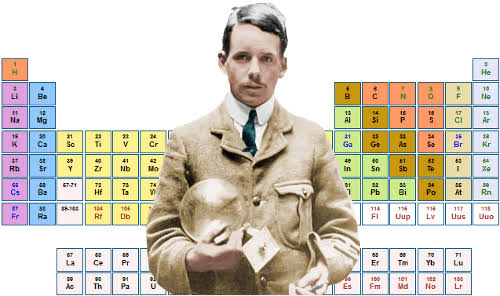
Mosley’s periodic table
organized by the increasing atomic number

An electron is removed from an atom. What can be said about the magnitude of the ionization energy needed to remove the second electron?
It will be higher than the energy needed to remove the first electron.

A distinctive property for Alkali metals
soft metals, solids at room temp, highly reactive.

a distinctive property for noble gases
very non-reactive

a distinctive property for alkaline earth metals (compare to alkali metals)
soft but not as soft as group 1, reactive, but not as reactive as group 1

a distinctive property for halogens
all nonmetals, highly reactive