Week 5: CH 12: Postpartum Physiological & CH 13: Transition to Parenthood
 Call Kai
 Learn
 Practice Test
 Spaced Repetition
 Match
 Flashcards
 Knowt Play
1/163

Earn XP
Description and Tags
🧸 = highlighted lecture information | 🚨 = NCLEX alert or priority safety information | ⭐ =especially important exam concept
164 Terms
🧸 how long does the postpartum period last?
approximately 6 weeks
postpartum basics and BUBBLE-HEE
⭐ what major complicatiosn are monitored during the postpartum period?
postpartum hemorrhage and infection
postpartum basics and BUBBLE-HEE
what does BUBBLE-HEE stand for?
Breasts, Uterus, Bladder, Bowel, Lochia, Episiotomy/perineum, Hemorrhoids, Extremities, and Emotional status
postpartum basics and BUBBLE-HEE
🧸 what hormonal changes promote milk production postpartum?
estrogen and progestorone DECREASE while prolactin INCREASES
breasts
⭐ which hormones stimulates milk production?
Prolactin
breasts
⭐ which hormone causes the milk-ejection or let-down reflex?
oxytocin
breasts
🧸 What triggers the release of oxytocin during breastfeeding
infant suckling
breasts
what is colostrum?
a clear or yellowish fluid produced before mature milk
breasts
🧸 what nutrients and protective components are found in colostrum?
it is high in protein, low in carbohydrates and fat, and contains IgA and IgG.
breasts
⭐ when does primary breast engorgement commonly occur?
around postpartum day 3 when the milk comes in
breasts
🧸 what are the manifestations of primary engorgement?
large, firm, warm, tender breasts with throbbing pain
breasts
🧸 what causes subsequent breast engorgement?
Extra milk in store even after the milk supply has been established.
breasts
⭐ how is subsequent engorgement rellieved?
by breastfeeding or expressing milk to empty the breasts
breasts
what nipple findings should the nurse assess for?
irritation, cracks, blisters, redness, and other skin breakdown
breasts
🚨 what is the usually cause of nipple skin breakdown?
an improper infant latch
breasts
🚨 why is nipple skin breakdown concerning?
it creates an entry point for bacteria, increasing the risk of infection
breasts
🧸 when does mastitis commonly occur?
approximately 3-4 weeks postpartum
mastitis
⭐ what are the manifestations of mastitis?
Unilateral breast pain, redness, warmth and influenza-like symptoms
mastitis
🚨 should a patient with mastitis stop breastfeeding?
No. continue breastfeeding or pumping to empty the affected breast
mastitis
🧸 how is mastitis treated?
continued breast emptying, antibiotics, analgesics, hydration, and rest
mastitis
🧸 what type of bra should breastfeeding and non-breastfeeding patients wear?
a supportive bra, usually worn continuously for comfort
breastfeeding vs. non-breastfeeding care
⭐ what should a breastfeeding patient apply before feeding?
a warm compress and gentle breast massage to promote milk flow
breastfeeding vs. non-breastfeeding care
⭐ what should a breastfeeding patient apply after feeding
ice packs or cold compresses to reduce swelling
breastfeeding vs. non-breastfeeding care
🚨 what should a non-breastfeeding patient avoid?
breast stimulation, expressing milk, breast massage, and heat
breastfeeding vs. non-breastfeeding care
🚨 what should a non-breastfeeding patient avoid expressing milk?
milk expression stimulates additional production and delays the atrophy (dying) of milk-secreting cells
breastfeeding vs. non-breastfeeding care
⭐ what should the patient do before a fundal assessment?
empty her bladder
uterus and fundal assessment
why should the bladder be emptied before assessing the fundus?
a full bladder can displace the uterus and interfere with accurate assessment and contraction
uterus and fundal assessment
⭐ how should the nurse support the uterus during fundal palpation?
place one hand immediately above the symphysis pubis while the other hand palpates the fundus
uterus and fundal assessment
🚨 what can happen if the lower uterine segment is not supported?
uterine inversion
uterus and fundal assessment
what is the fundus?
uppermost portion of the uterus
uterus and fundal assessment
⭐ how often is the fundus assessed during the first postpartum hour?
every 15 minutes
uterus and fundal assessment
⭐ how often is the fundus assessed during the second postpartum hour?
every 30 minutes
uterus and fundal assessment
🧸 how often is the fundus assessed afterward?
every 4 hours during the first 24 hours, followed by once per shift
uterus and fundal assessment
⭐ what is a normal postpartum uterine assessment?
the uterus is firm, midline, at the level of the umbilicus, and NOT displaced
uterus and fundal assessment
🚨 what does a boggy uterus indicate?
uterine atony, the leading cause of postpartum hemorrhage
uterus and fundal assessment
🚨 what is the first nursing intervention for a boggy uterus?
massage the fundus until firm
uterus and fundal assessment
🧸 when should the uterus be reassessed after fundal massage?
in approximately 5-10 minutes
uterus and fundal assessment
⭐ which medication is commonly administered for uterine atony
oxytocin
uterus and fundal assessment
🚨 what actions are taken if uterine atony does not respond to massage?
notify the provider, administed prescribed uterotonics, and keep the patient NPO in case surgery is needed
uterus and fundal assessment
what may refractory postpartum bleeding indicate?
retained placental tissue or birth trauma
uterus and fundal assessment
⭐ what does a displaced uterus most commonly indicate
bladder distention
uterus and fundal assessment
how does bladder distention increase hemorrhage risk?
the bladder pushes the uterus out of position and prevents effective uterine contraction
uterus and fundal assessment
🚨 what should the nurse do for a displaced uterus caused by bladder distention?
assist the patient to void; use a bedpan or intermittent catherization if necessary
uterus and fundal assessment
where is the fundus immediately after birth?
midway between the umbilicus and symphysis pubis
fundal descent and involution
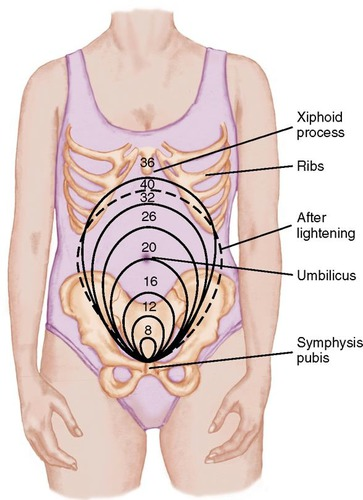
where is the fundus after placental delivery?
at the umbilicus
fundal descent and involution
⭐ where should the fundus be 24 hours after birth?
approximately 1 cm below the umbilicus
fundal descent and involution
⭐ what is the general rule for fundal descent?
1 cm per day
fundal descent and involution
🧸 when is the uterus no longer palpable abdominally?
~postpartum day 14 (it descends into pelvis)
fundal descent and involution
what is uterine involution
the uterus returning to its prepregnancy size, shape, and location
fundal descent and involution
how long does uterine involution take?
~6-8 weeks
fundal descent and involution
⭐ what is subinvolution?
uterus fails to return to prepregnancy condition at a normal rate
fundal descent and involution
what causes subinvolution?
retained placental fragments, infection, or an overdistended uterus.
fundal descent and involution
🚨 what major complication can result from subinvolution?
postpartum hemorrhage (PPH)
fundal descent and involution
what is postpartum diuresis?
heavy urination and sweating during the first few postpartum days to remove excess pregnancy fluid
bladder
⭐ how much urine should a postpartum patient void after delivery?
at least 300 mL within 2-4 hours after delivery
bladder
⭐ why is early postpartum voiding important?
prevents bladder distention, uterine displacement, impaired contraction, postpartum hemorrhage, and cystitis.
bladder
🧸 what nonpharmacological intervention may help a patient urinate?
place a peppermint oil-saturated cotton ball in a collection hat in the toilet so the vapor may relax the urinary sphincter
bladder
what are the manifestations of postpartum cystitis (inflammaiton of the bladder) ?
frequency, urgency, dysuria, suprapubic tenderness, and hematuria
bladder
how is cystitis (inflammation of the bladder) treated?
antibiotics, hydration, and rest
bladder
why may postpartum bowel movements decrease?
progesterone, residual anesthesia effects, and reduced physical activity
bowel and nutrition
🧸 how can postpartum constipation be prevented?
docusate as prescribed, high-fiber foods, ambuation, and 8-10 glasses of fluid daily
bowel and nutrition
⭐ how many additional calories does a lactating patient need?
~500-1,000 additional calories per day
bowel and nutrition
what characteristics of lochia should be assessed?
color, amount, odor, and presence or size of clots
lochia (vaginal discharge after childbirth)
🧸 what are normal general characteristics of lochia?
red discharge with a fleshy odor that gradually decreases in amount and becomes lighter
lochia (vaginal discharge after childbirth)
🚨 what lochia odor suggest infection?
a foul odor
lochia (vaginal discharge after childbirth)
🧸 what does pooled lochia indicate?
possible postpartum hemorrhage
lochia (vaginal discharge after childbirth)
what is considered scant lochia
> 1-inch stain on the pad
lochia (vaginal discharge after childbirth)
what is considered light lochia?
> 4-inch stain on the pad
lochia (vaginal discharge after childbirth)
what is considered moderate lochia?
> 6-inch stain on the pad
lochia (vaginal discharge after childbirth)
what is considered heavy lochia?
saturate pad within 1 hour
lochia (vaginal discharge after childbirth)
⭐ when does lochia rubra occur?
postpartum days 1-3
lochia stages
what does lochia rubra look like?
bloody and red, with small clots and a fleshy odor
lochia stages
⭐ when does lochia serosa occur?
postpartum days 4-10
lochia stages
what does lochia serosa look like?
pink/brown and serosanguineous (mix of plasma and blood)
lochia stages
⭐ when does lochia alba occur?
approximately day 10- 6 weeks postpartum
lochia stages
what does lochia alba look like?
yellow to white and containing mucus and epithelial cells
lochia stages
🧸 are small postpartum blood clots normal?
yes
lochia stages
🚨 what clot size requires further assessment?
approx. the size of an egg or larger
lochia stages
why should a large clot be weighed and examined?
to measure the blood loss and check for retained placental tissue?
lochia stages
⭐ how does clot weight correspond with blood loss
2 g of clot weight = ~1 mL of blood loss
lochia stages
when can lochia temporarily increase normally?
when getting up in the morning, standing or sitting for a prolonged period, or following excessive physical activity.
lochia stages
what lochia changes should the patient report?
an increased amount, foul odor, or a return to bright-red bleeding after the rubra stage.
lochia stages
🚨 what does bright-red bleeding on postpartum day 8 suggest?
abnormal healing and possible secondary postpartum hemorrhage
lochia stages
⭐ what tool is used to assess the postpartum perineum ?
the REEDA scale
Episiotomy, Lacerations, and Perineum
what does REEDA stand for?
Redness, Edema, Ecchymosis, Discharge, and Approximation
Episiotomy, Lacerations, and Perineum
⭐ how often should the perineum be assessed?
every shift
Episiotomy, Lacerations, and Perineum
what structures are involved in a first-degree laceration?
vaginal mucous membrane and perineal skin
Episiotomy, Lacerations, and Perineum

what structures are invoved in a second-degree laceration?
skin, mucous membrane, and fascia of the perineal body
Episiotomy, Lacerations, and Perineum

⭐ what structures are involved in a third-degree laceration
skin, mucous membrane, fascia, and the rectal sphincter
Episiotomy, Lacerations, and Perineum

⭐ what structures are involved in a fourth-degree laceration?
all structures involved in a third-degree tear plus the rectal mucosa and lumen
Episiotomy, Lacerations, and Perineum

🚨 what rectal treatments are contraindicated with third- or fourth- degree lacerations?
enemas and rectal suppositories
Episiotomy, Lacerations, and Perineum
⭐ how are perineal lacerations are initially treated?
ice packs during the first 24 hours
Episiotomy, Lacerations, and Perineum
⭐ what comfort meassure is used after the first 24 hours?
warm sitz baths
Episiotomy, Lacerations, and Perineum
what comfort interventions are used for postpartum hemorrhoids?
witch hazel pads, topical anesthetics, sitz baths, and side-lying
hemorrhoids
🧸 what position helps reduce hemorrhoidal pressure?
side-lying; avoid prolonged sitting
hemorrhoids
🧸 what may a temperature of 100.4F or lower during the first 24 hours indicate?
dehydration
Temperature and Infection
⭐ how much water should a dehydrated postpartum patient be encouraged to drink?
approximately 64-80 oz daily
🚨 what postpartum temperature finding suggests infection?
a temperature of 100.4F or higher after the first 24 hours, or an elevated temperature on two separate occasions
🧸 is a postpartum temperature of 100.3F considered reportable based on the lecture rule?
no. it is below the 100.4F threshold, but the patient should continue to be assessed.
⭐ what does COWS identify?
sign of deep-vein thrombosis
DVT, Pulmonary Embolism, and Cardiovascular Changes