Forestry tree id
 Call Kai
 Learn
Learn Practice Test
 Spaced Repetition
 Match
Match Flashcards
 Knowt Play
1/42

Earn XP
Description and Tags
Flashcards covering key forestry terminology and habitat structure definitions from the lecture notes.
Name | Mastery | Learn | Test | Matching | Spaced | Call with Kai | Chat |
|---|
No analytics yet
Send a link to your students to track their progress
43 Terms

Douglas Fir:
A tree with soft needles that form fully around the twig and a very unique cone. Soft needles, form around the twig Very unique come Needles not too long soft neeles, form around the twig Very unique cone - have “mousetails”

Ponderosa Pine:
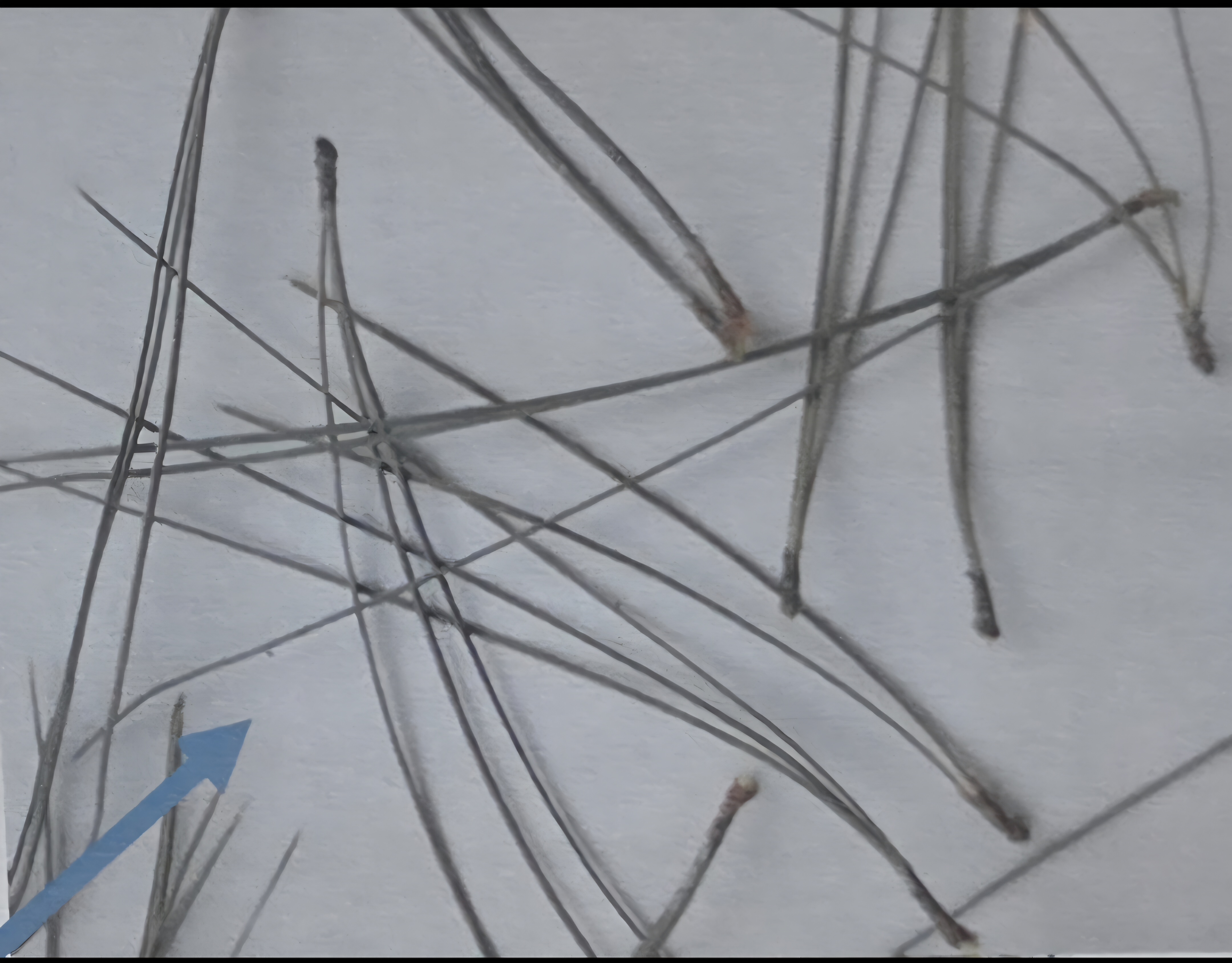
Much bigger the lodgepole, three needles per fascicle, cool almost red dark, bark


Lodgepole Pine:
needles per fasscicle

Whiteboard Pine & Limber Pine:
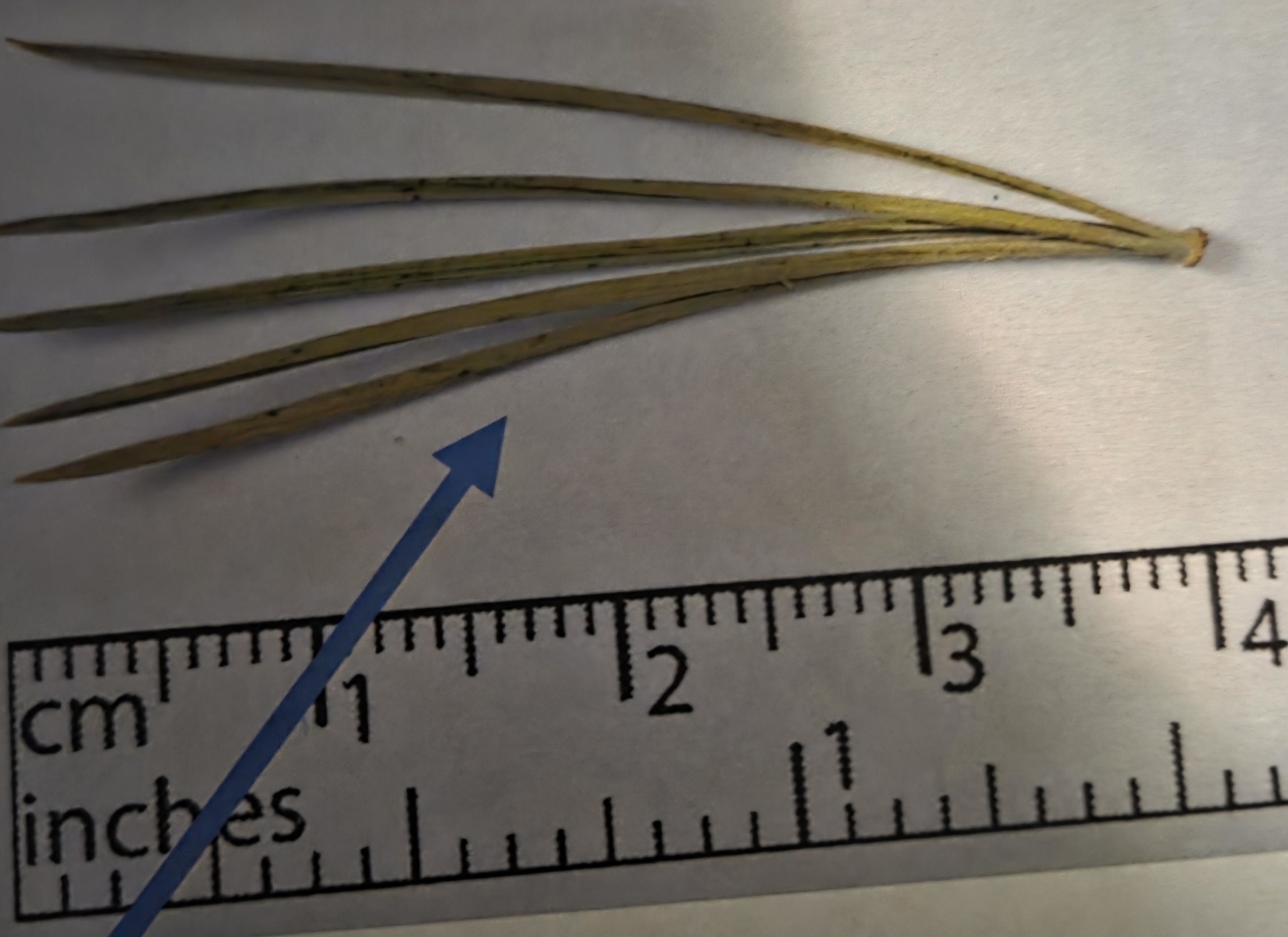
Five needles per fascicle, needles are usually less than 3'‘ long, White bark Pine are typically found at higher elevation (about 7,000 feet), Limber Pine are found lower elevation, but can be mixed with whiteboard Pine very hard to tell the difference, white bark is a listed threatened tree and protected under the ESA- because of the blister rust


Western White Pine:
Also have 5 needles per fascicle, but have longer needles and have a long, banan like cone. Needles are 4” Long.


Rocky Mountain Juniper:
Juniper and cedar have similar needles. Short, flat, and partially stiff like. LEAVES: opposite, scale-like, and small (about 1/16 to 1/8 inch long). On new growth and seedlings, the leaves are frequently elongated and awl-like. Leaf tips slightly overlap the base of the next leaves up the twig. They are pale to dark green in color. Rocky Mt, Juniper has more of a flat like needle pattern.

Common Juniper:
Juniper and Cedar have similar needle.
Common Juniper has more coral like, full compassion, needle pattern

Creeping Juniper
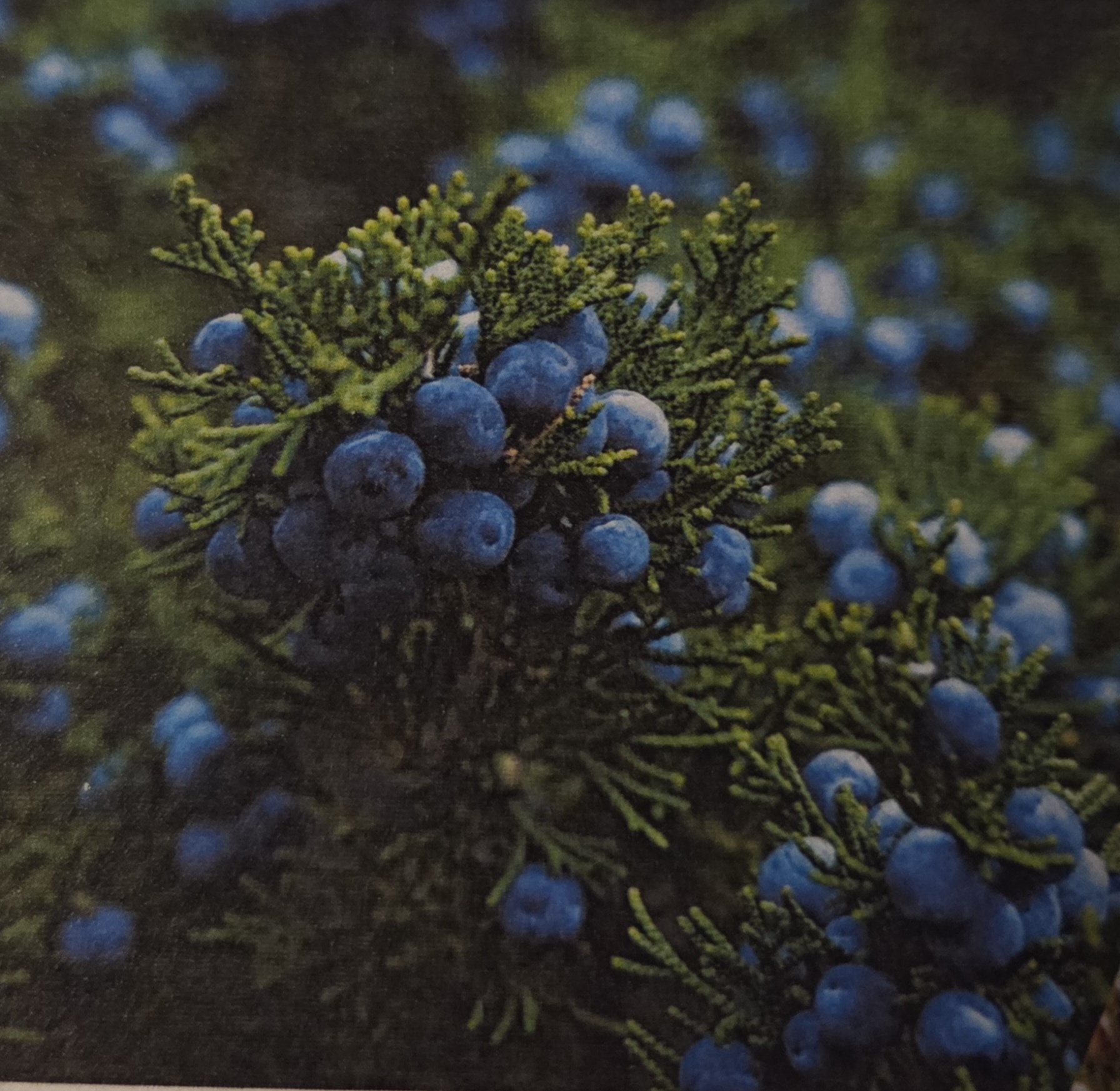
Low level, on the ground, “creeping” like juniper. Low to the ground, shrub like, not tree like. Needles that form mostly all way around the stem of the branch


Utah Juniper
LEAVES: Scale-like in opposite pairs, small (about 1/8 inch long), giving the foliage a more coarse appearance than Rocky Mountain Juniper. Awl-shaped leaves are common on terminal twigs and juvenile plants. Leaf surfaces lack a tiny glandular.
Only found south area around Red Lodge, MT

Western Red Cedad
Found in Western Montana usually have longer stems than Juniper.

Western Larch or Tamarach
They are a deciduous conifer


Western Larch
15 to 30 needles per peg


Sub Alpine Larch
Looks just like western March, but not as tell and grows in higher elevation. Has more needles per fasicle, 30 to 40 needles on a subalphine larch - almost like tiny, electric - shocked ponytails peppering their branches.
Grand fir:
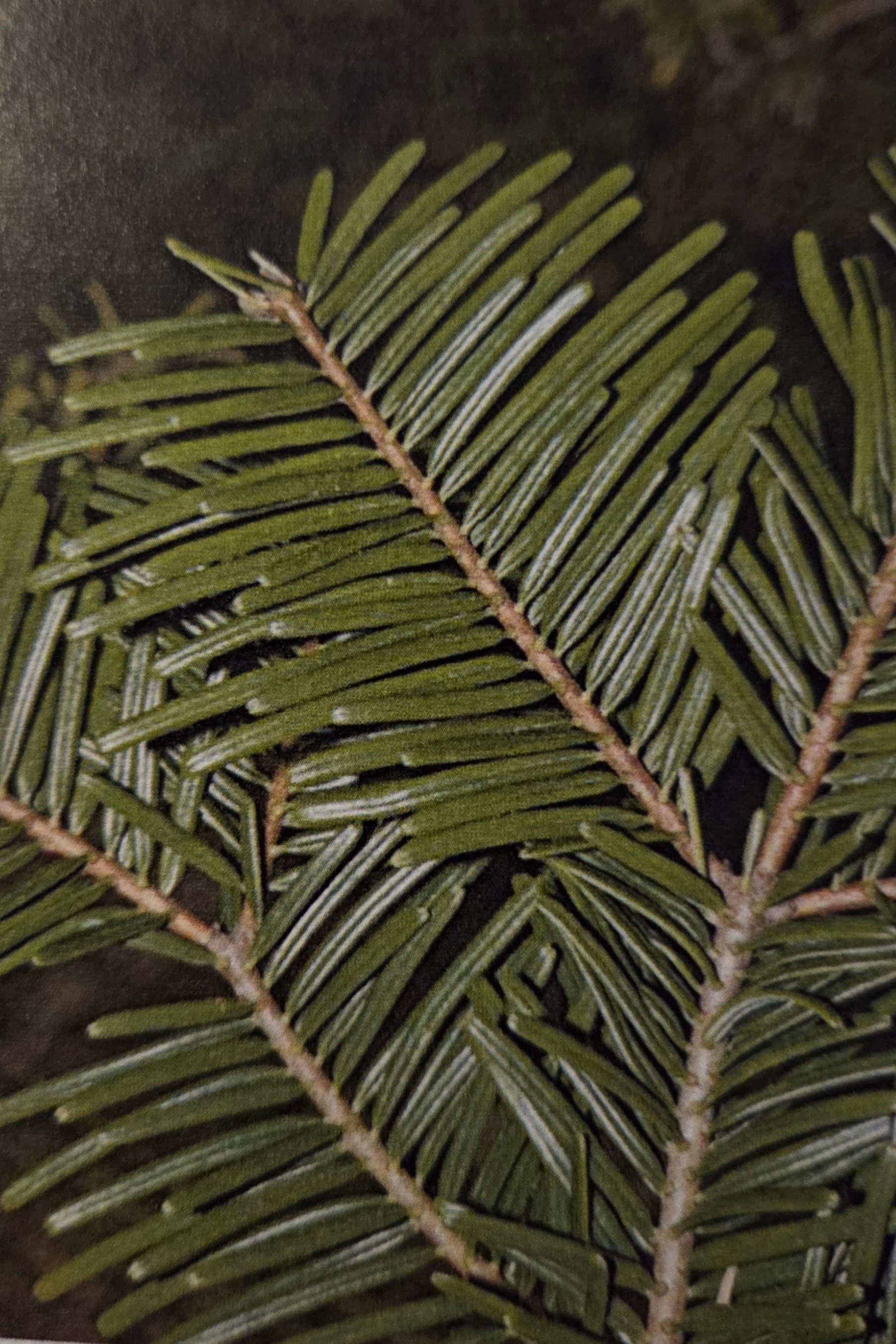
Flat, longer needles - it's the only easy way to identify
Needles are 1 to 1 ½ inches long, cones stick up like subalphine


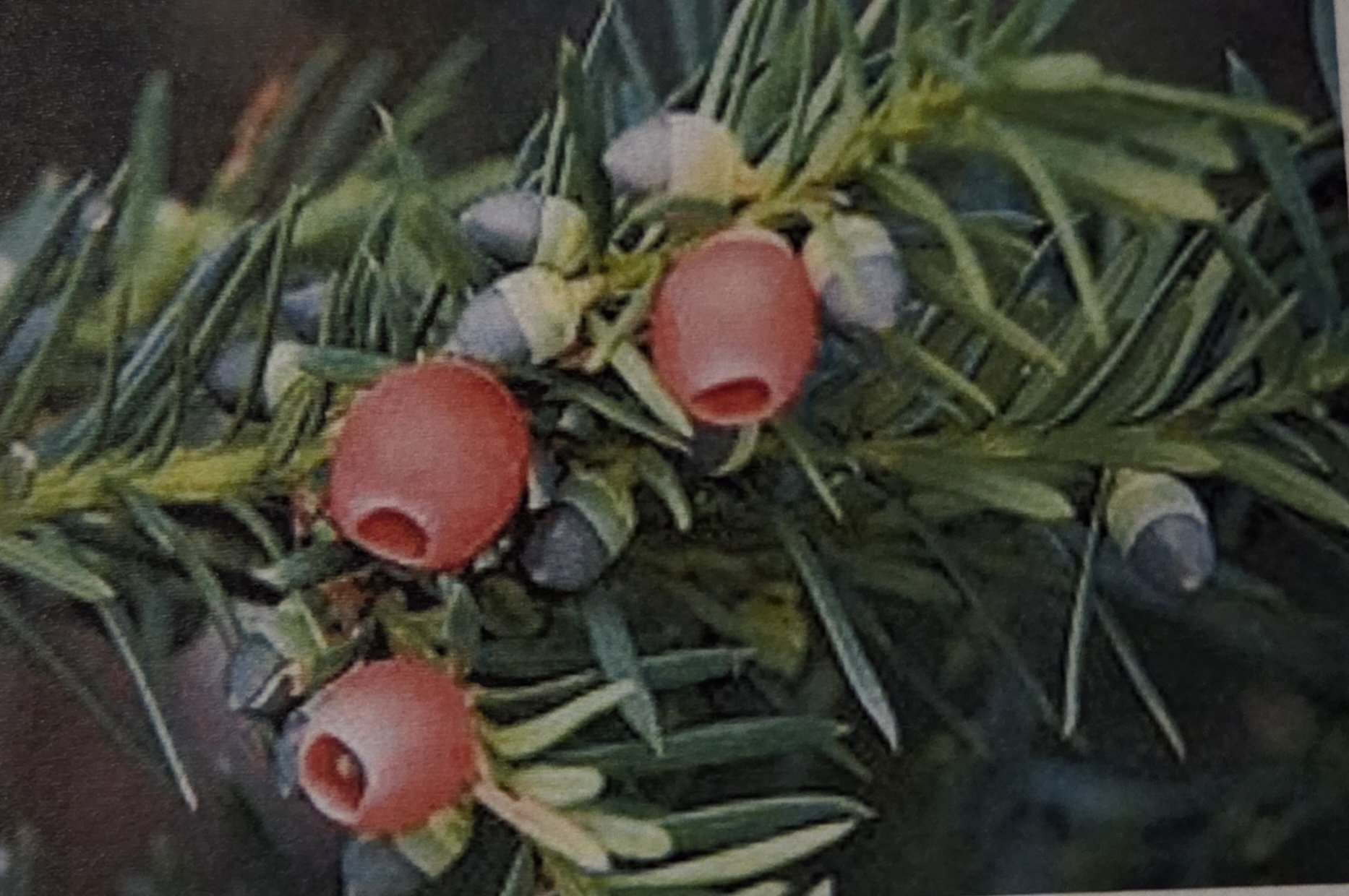
Pacific Yew:
Like grand fir, they have flat needles but are shorter.
Has red berries for cones, when ripe. The needles are arranged in 2 rows in flat sparks, similar to Grand Fir, but the needles are shorter, ABOUT AN INCH (2-3CM) long, coming to a point at the end.

Western Hemloc:
Hard tree to I.D. without comes,
Somewhat bunch together. Also has fast needles like a Grand fir, but hemlock needles are shorter than a Grand Fir: less then one inch


Common Chokecherry:
Best known for their red barries, deciduous trees, common in MT - They are (1 to 4 inches) long and (3/4 to 2 inches) wide. The leaf edges are serrated, and leave grow alternately on opposite sides of the stems, not in opposing pairs.


Mountain ash, red berries

Black Cottonwood:
Leave have fine teeth edge, unlike other
Cottonwood, leaves may by ovate in shape, heart shape like leave, with tip sharply pointed


Narrowleaf Cottonwood
Very similar to black cottonwood, but longer and thinner leaves. These cottonwood trees have narrow leaves when compared to other cottonwood trees. The leaves are lanceolate and have scalloped edges

Plains Cottonwood:
Serrated edge, large like other cottonwood trees. Do not get confused with paper birch.
Plains Cottonwood is much bigger.
Simple, triangular, 3 to 6 inches long and up to 4 inches wide. The leaf is very coarsely toothed, the teeth are curved and gland tipped, and the petroleum is flat
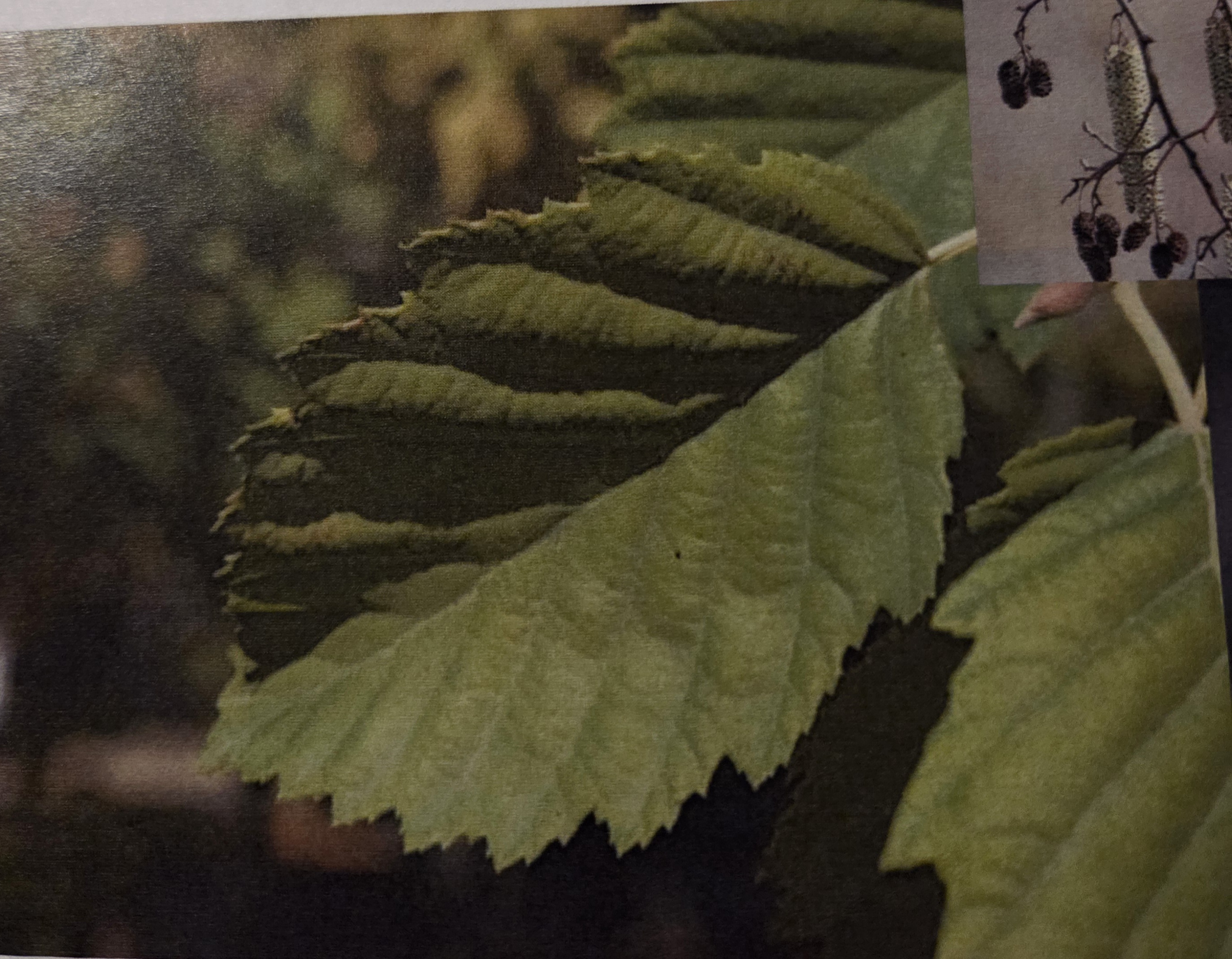
Thinleaved Alder:
The OVATE - SHAPED LEAVES are broader at the petiole and have serrated margin. Alder leaves: A red alder leaves measure between 2.7” and 5” (7 - 13cm) long and have rough, serrated adges. An identifying characteristic of red alder leaves is the revolutionary toothed serrated along the edges.

Curved like edges on leaf
Quaking Aspen tree, leaves arw 1-3” long leaves are typically OVAL-SHAPED with finely serrated edges and a flat petiole, which causes them to flutter in the wind.
Young cottonwood could look like an Aspen, but Aspen leaves usuay have rough edges Paper birch can look like a Aspen, hut have different bark and paper birth has rougher edge on its leaf

Paper Birch:
Don't get confused with an Aspen - paper Birch has a more serrated edge on leaf
It is easily recognized by its thin, white to reddish - brown bark that peels in paper trips. The bark will become pure white with age and is marked by many pores or “lenticals”. The tree has an open crown and often grows singly or in clusters. The leaves are triangular - shaped with double - serrated edges. The tree had yellow fall color.

Water Birch:
Leaves are ovate-shaped, with doubly - serrated margins, and grow in alternate arrangements along the sterms. Water Birch Watkins are typically yellowish - green in color, and can reach anywhere from 1-4 inches in length. The flowers are composed of many tiny, petal-less flowers and are wind-pollinated.


Peachieaved Willow:
Found along streams, wetlands, rivers, etc. The leaves look like peach leaves; they are yellowish green above, pale to white-glaucous beneath, glamorous, lance-shaped, 3-8 cm (1.2-3”) long and finely serrate. The petioles are gladness. Catkins emerge with the leaves; distillate (female) catkins are 3-8 cm long, on leaf branch let's 1-3 cm long.


Rocky Mountain Maple:
LEAVES: Also from twigs in pairs, each leaf blade seldom exceeding 3 ¼ inches in diameter. The leaf margin is coarsely and sharply toothed, divided into three ( occasionally five) distinct lobes. The leaves often have reddish fungus spots on the surface.
STEMS: Twigs are red-brown, and rounded in cross section. The bark is generally smooth until maturity, when small fissure appear. It is gray-brown in color. The wood of Rocky Mountain maple is heavy, hard, and brownish in color

Black Walnut:
Black Walnut trees have innately compound leaves, consisting of 15 to 23 slender lance-shaped leaflets. Each leaflet measured 2 to 4 inches in length, featuring fine serration along the margins. The entire compound leaf can reach a size of 12 to 24 inches.
Longer leaves
Hard, green fruit/seed


American Plum
The American plum's fruits are round and blue or red when they ripen, and its leaves are nonlobed with dense small veins, long narrow tips and fine double teeth on the leaf edges.


Green Mountain Ash:
Looks kind of like a walnut - but no large green nut/fruit - has unique seeds leaves on green ash trees are pinnately compound, consisting of five to nine large leaflets. The blades are lanceolate or ovate and have finely serrated margins and a narrow apex. Green. Ash tree leaves grow 3” to 4” (7.5 - 10 cm) long, growing oppositely on twigs. Seeds on green ash trees are paddle-shaped seeds in papery casings

Curlleaved Mountain Mahogany:
LEAVES: Alternate, with several burne on short spur-shoots; margin entire and edges are rolled under; leathery; shiny dark green above, paler and finely hairy beneath; petiole short.
TWIGS/BUDS: Twigs stout; stiff; early-on pubescent and red-brown; becoming glamorous and brown or silvery; with short spur-shoots that hold leaves and flowers. Buds small, scaly, and hairy.
FLOWER/FRUIT: Flowers are small and inconspicuous, with no petals; solitary or in 2's or 3's. Fruit is a 1/4” long, dry achene with a 2” to 3” long, hairy, corkscrew-twisted tail or plume attached (a persistent style from the flower)
BARK: Thick; red-brown; very firm; furrowed


Boxelder
Boxelder:
The bark of a boxelder tree has a unique appearance that sets it apart from other trees. The bark is light Grey with deep furrows and ridges that create a diamond pattern across the trunk. As the tree ages, the bark begins to peel, revealing a lighter color beneath. The leaves of a boxelder tree are the most distinctive feature of the tree. The leaves are compound, meaning they have multiple leaflets attached to a single stem. Boxelder tree leaves typically have three to seven leaflet, there are prominent veins that run parallel to each other


Black hawthorn:
Leaves are generally identified by deeply lobed leaves that are darker green on the upper side and pale green on the underside. Pictures if Hawthorn leaves show fine tooth-like serrations on the lobed margins. Hawthorn tree leaf shape is generally ovoid, ovate, or wedge-shaped. Hawthorn leaves measure between 1” and 3”.


American Elm:
The leaves on the American elm are dark green, ovate leaves growing in an alternate, simple arrangement. The elm leaves have doubly-serrated edges, and oblique base, and a slightly curved point. The leaves turn golden yellow long. Can have a flaky like bark

Huckleberry


Wild Rose
Has thorns, spiky tips to leaves

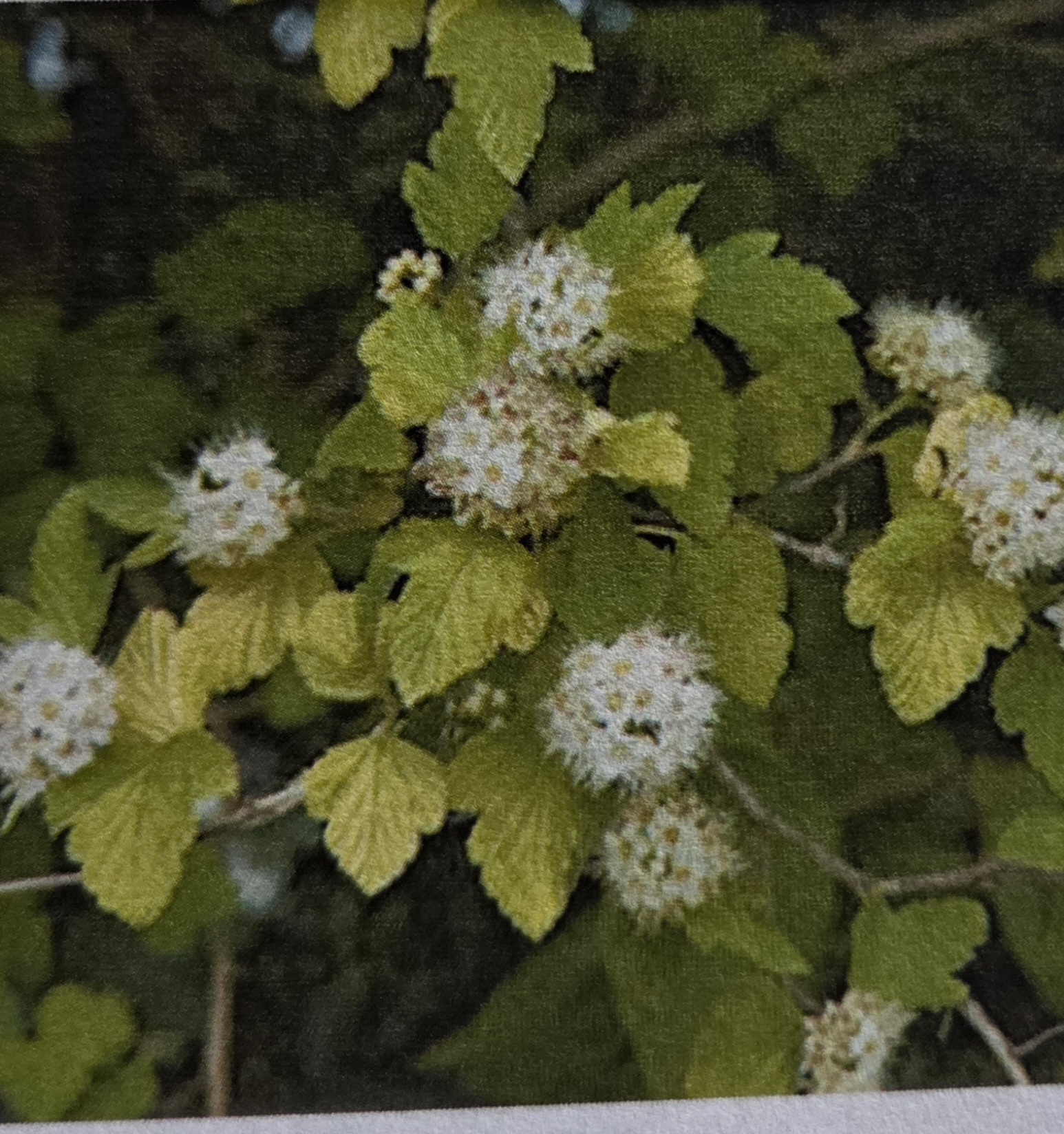
Ninebark:
(White, puffy flowers), leaf pattern kind of like rocky mt. Maple

Snowberry:
(White berries)

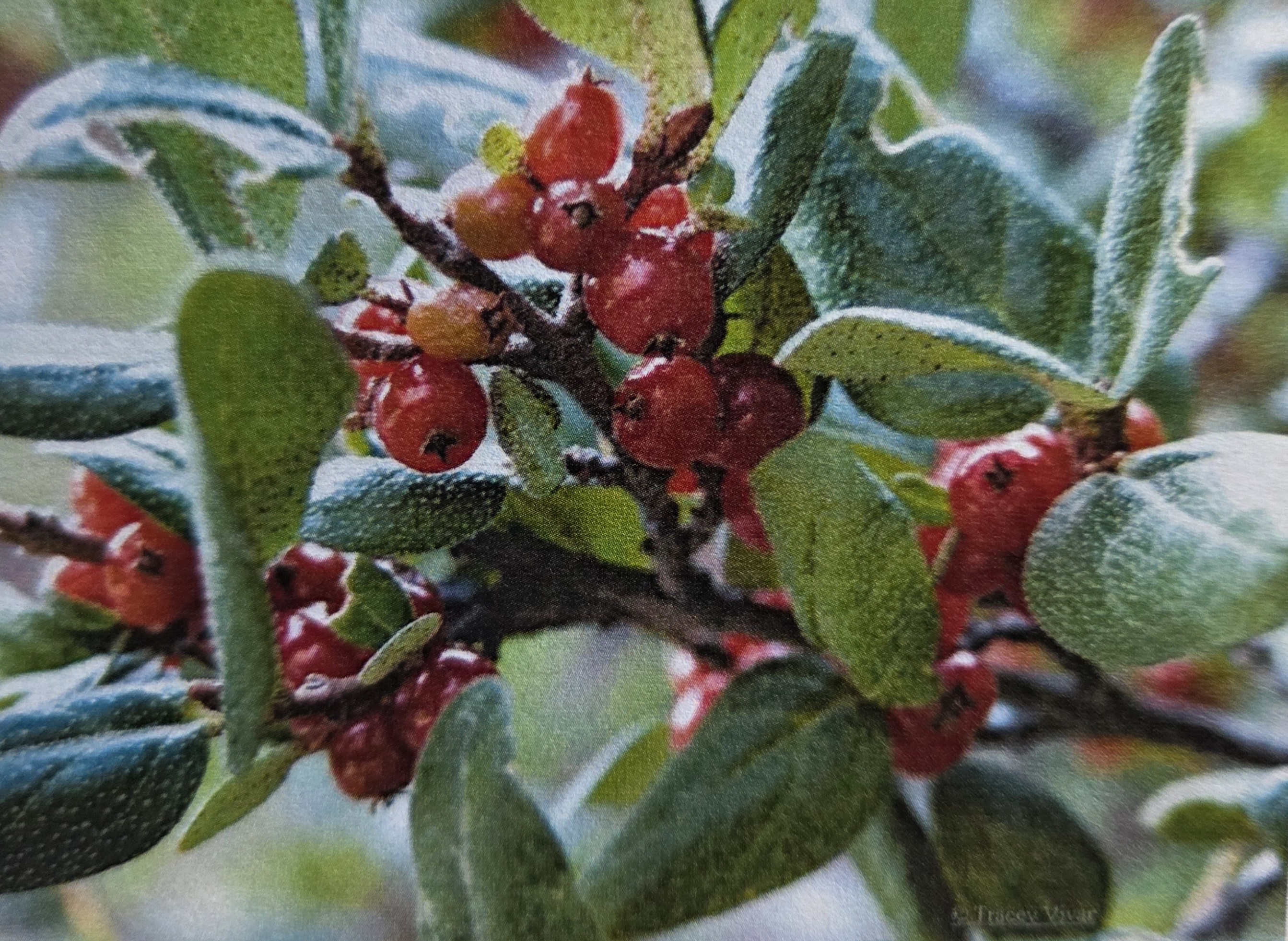
Buffalo berry:
Red berries like chokecherry but it's not a tree - short shrub

Red dogwood
Looks more like shrubs/small tree in tbe wild - has wild flowers in the spring


Englmann spruce:
Very spiky to touch, a large spruce of mid-to-high elevation in the Cascades and Rockies
Average mucb shorter cones, usually under two inches
Twigs hairy, most evident on new growth


Blue spruce:
The most southerly spruce native to North America, blue spruce is found in the rocky mountains, but is also widely planted in landscaping
Average much longer cones, usually around three inches
Twigs not hairy


Spruces:
Little wood liks pegs, between needle and branch
Spruce cones point down off the branch, stay intact and will fall off “whole” on the ground