Orgo Exam 3 Reagents
 Call Kai
 Learn
 Practice Test
 Spaced Repetition
 Match
 Flashcards
 Knowt Play
1/25

There's no tags or description
Looks like no tags are added yet.
26 Terms
HX (w/ alkene)
Markovnikov addition of H and X
HBr
ROOR
Anti-Markovnikov addition of H and Br
H3O+
Markovnikov addition of H and OH
1) BH3 ⋅ THF
2) H2O2, NaOH
anti-Mark addition of H and OH, syn
H2, Pt (w/ alkene)
syn addition of H and H
Br2
anti addition of Br and Br
Br2, H2O
anti addition of Br and OH, OH more substituted position
1) OsO4
2) NaHSO3, H2O
syn addition of OH and OH
MCPBA (RCO3H)
syn addition, creates epoxide

1) RCO3H
2) H3O+
anti addition of OH and OH, creates trans diol
1) O3
2)DMS
cleaves C=C bond and replaces them with C=O bonds
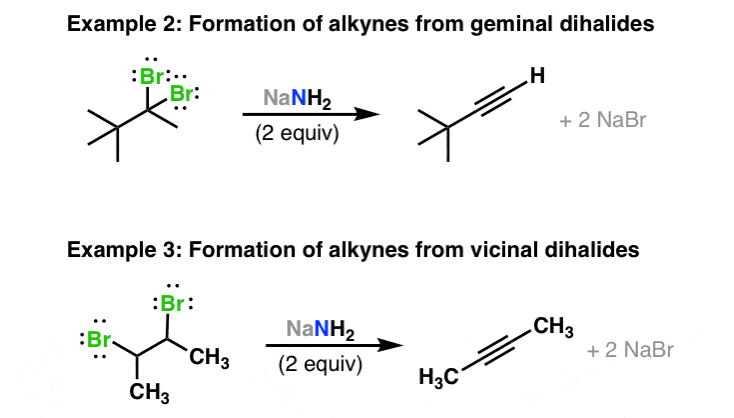
1) xs. NaNH2
2) H2O
elimination of dibromide to produce alkyne
HX (w/ alkyne)
double Mark addition of X

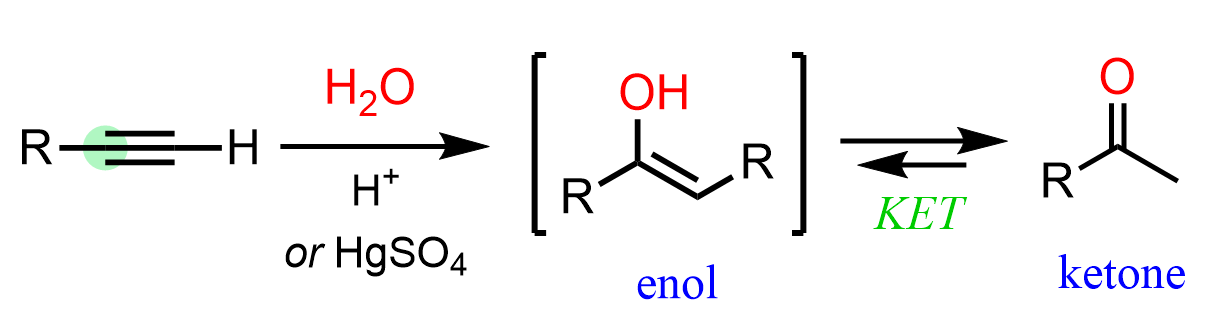
H2SO4, H2O, HgSO4
w/ terminal alkene: Mark addition of H and OH, results in ketone
1) R2BH
2)H2O2, NaOH
anti-Mark. addition of H and OH, results in aldehyde

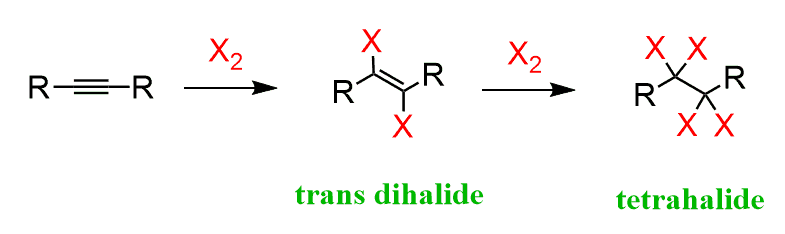
X2
anti addition of X and X, xs. produces compound w/ 4 X
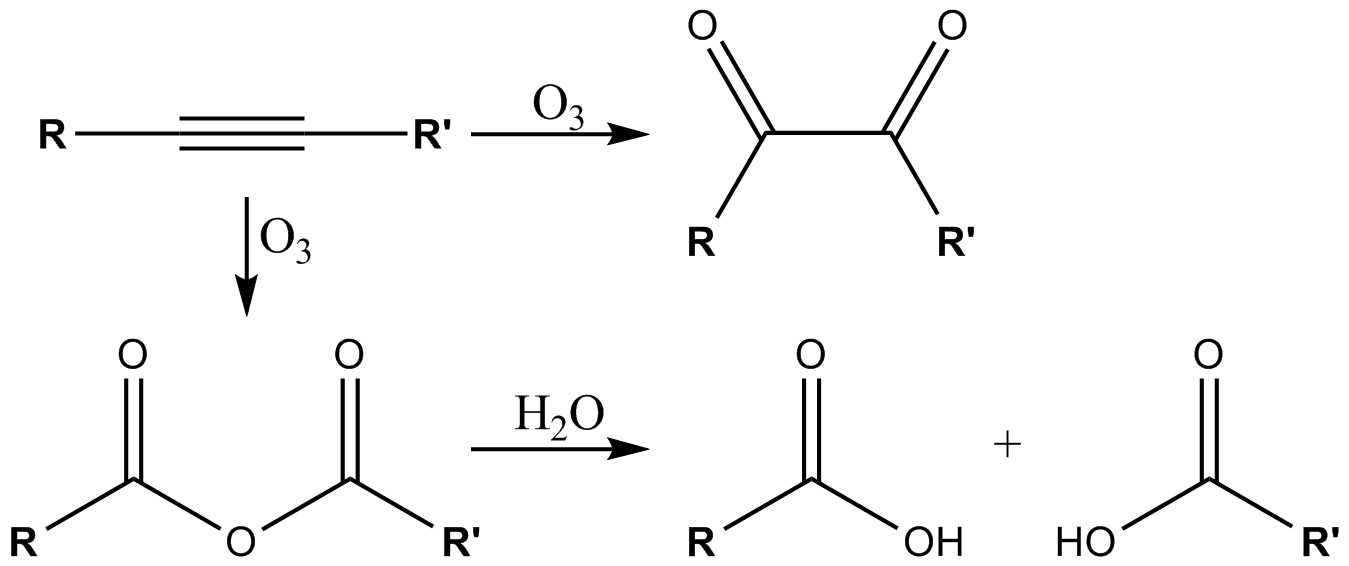
1) O3
2) H2O
(w/ alkyne)
C≡C cleaved, internal become 2 carboxylic acids, terminal become carboxylic acid and CO2
H2, Lindlar’s catalyst
cis alkene

H2, Pt (w/ alkyne)
alkane
Na, NH3 (l),
trans alkene
Br2, hv (or Cl2, hv)
Br (or Cl) replaces hydrogen atom at most substituted position

NBS, hv
Br attached to position allylic of alkene

H2CrO4, H2O
1* alc → carboxylic acid
2* alc → ketone
1) PCC
2) CH2Cl2
1* alc → aldehyde
2* alc → ketone
conc. H2SO4
Can eliminate OH when no rearrangement
TsCl, pyr.
Subs. OH → OTs