MWC Midterm
 Call Kai
 Learn
 Practice Test
 Spaced Repetition
 Match
 Flashcards
 Knowt Play
1/45

There's no tags or description
Looks like no tags are added yet.
46 Terms
Poly
many
Mono
alone
Homo
same
Hetero
other
Phony
voice/sound
Genous
Born, produced
Etymological Roots
poly, mono, homo, hetero, phony, genous
Chordophone
an instrument that produces sound via a vibrating string
Chordophone examples
guitar, piano
Aerophone
an instrument that produces sound via a vibrating column air
Aerophone examples
pipe organ, flute
Membranophone
an instrument that produces sound via a stretched and vibrating membrane or drumhead
Membranophone example
timpani, snare drum
Idiophone
an instrument that produces sound by it’s whole body vibrating
Idiophone examples
xylophone, bells
Electrophone
an instrument that produces sound via electric circuits
Electrophone examples
electric guitar, synthesizer
Instruments Classifications
Chordophone, Aerophone, Membranophone, Idiophone, Electrophone
Melody
a sequence of single notes that is musically satisfying
Monophony
One single melodic line, unaccompanied
Polyphony
Several melodies of more or less equal focus at the same time.
Homophony
single melody accompanied by supporting harmony
Heterophony
multiple musicians enriches the texture by adding their own variations and ornamentation to the melody
Ethnocentrism
judging music by its relationship to our own cultural experience
Exoticism
use of musical elements in western music to evoke faraway places, foreign cultures, etc. Usually using stylized/stereotypical sounds rather than authentic
Mode
a kind of key, scale, or melody
Scale
arrangement of pitches of the mode either ascending or descending
Range
refers to the difference between the highest and lowest notes of a melody and can be relatively wide or narrow
Rhythm
describes how music is organized in time
Meter
organization of beats, divisions of beats, and grouping of beats into distinct levels of the passage of time
Dynamics
the use of loudness or softness as a musical element
Tempo
the rate at which beat passes. to specify an absolute tempo, musicians indicate the number of beats per minute
Ornament
a note or group of notes that decorates and adds character to a melody without changing its fundamental structure
Melisma
sung melodies with many notes to a single syllable.
Diaspora
The dispersion or spread of a people from their own homeland
Meshk
exercises, repetition and practice done to learn a discipline
Maqam
system of melodic modes used in traditional arabic music, defining the pitches, patterns, and development of a piece. serves as a framework for improvisation.
Timebre
the unique quality, texture, or personality of a sound that distinguishes it from others, even when the pitch and loudness are identical
Taqsim
Traditional instrumental improvisations inside the maqams
Heterogenous Ensemble
group of diverse instruments from different families, ex: jazz band
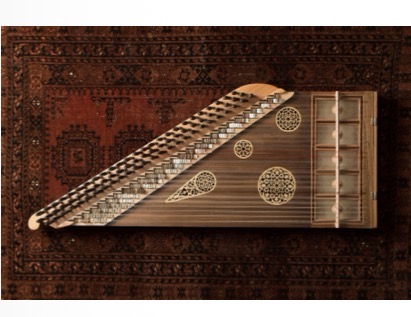
Qanun
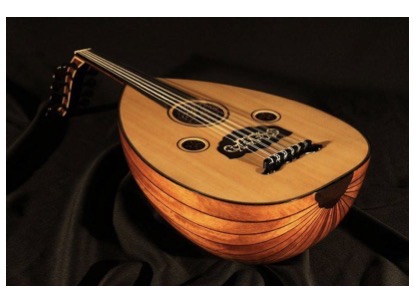
Oud
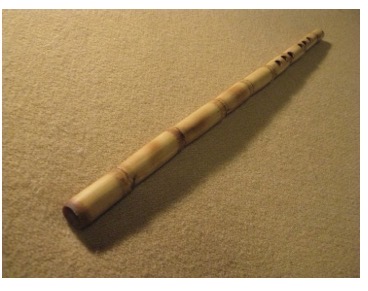
Nay
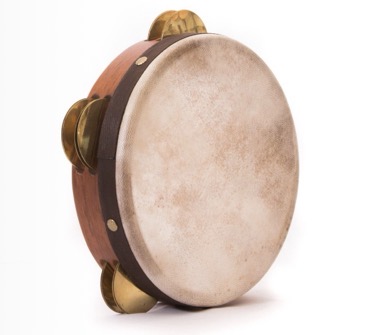
Riq
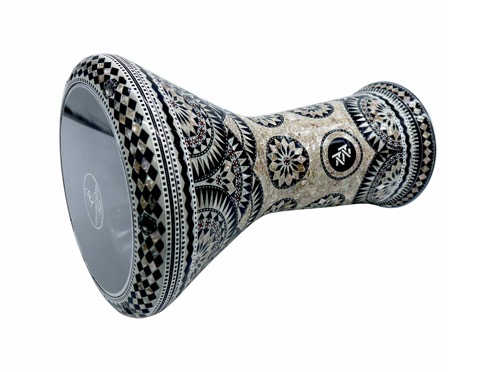
Darbuka
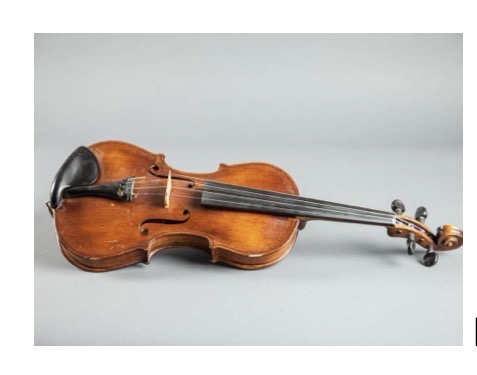
Kaman