Genetics exam 5
 Call Kai
 Learn
 Practice Test
 Spaced Repetition
 Match
 Flashcards
 Knowt Play
1/86

There's no tags or description
Looks like no tags are added yet.
87 Terms
method for detecting proteins in developing animals
immunolocalization
method for detecting mRNA in developing animals
in-situ hybridization
toolkit genes
genes that determine the body plan and the number, identity, and pattern of body parts
homeotic transformation
one body part is replaced by another
bithorax homeotic transformation in flies
2 body segments develop wings instead of 1
antennapedia homeotic transformation in flies
a pair of legs develop instead of antenna
Hox genes
genes that regulate the identity of body parts
method of expression for Hox genes
expressed in spatially restricted domains
Hox proteins
transcription factors encoded by Hox genes
homeodomain
a sequence in common of Hox proteins that act as a DNA-binding domain
purpose of comparing protein sequences by sequence alignment
identify highly conserved regions and amino acids with similar functions
primary role of Hox genes during normal Drosophila development
determine the identity of segments
maternal effect genes
genes carried by the female that are required for early embryonic development
bicoid
a maternal effect gene that sets up the anteroposterior axis of the embryo
bicoid mutant
missing the anterior region (headless)
classes of zygotic genes
GAP genes, pair rule genes, segment polarity genes
GAP genes
define contiguous blocks of segments
pair rule genes
define a pair of segments
segment polarity genes
affect patterning in each segment
phenotype of mother (with mutant offspring) in a mitochondrial pedigree
affected
phenotype of mother (with mutant offspring) in a maternal effect gene pedigree
unaffected
sex-lethal protein
affects alternative splicing when expressed - leads to female development
female-specific splicing
sex-lethal protein expressed → transformer expressed → alternative splicing → female doublesex protein molecule activates female genes
default splicing
stop codon prevents sex-lethal protein from being synthesized → stop codon leads to transformer NOT expressed → male doublesex protein represses female genes
mRNA involved in sex determination for Drosophila
sex-lethal, transformer, doublesex
method used by mRNA-binding proteins to determine cell lineages
repression of mRNA translation
controls developmental timing in C. elegans and other species
microRNA; let-7-lin-41 interaction
wild-type C. elegans development time
4 stages to reach adulthood
let-7 loss of function (C. elegans development)
late transition to adulthood
lin-41 loss of function and let-7 overexpression (C. elegans development)
early transition to adulthood
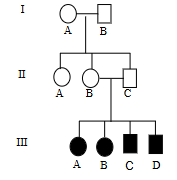
genotype of IA (bcd gene)
bcd/bcd- (heterozygous)
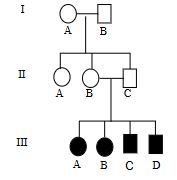
genotype of IB (bcd gene)
bcd/bcd- OR bcd-/bcd- (heterozygous or homozygous recessive)
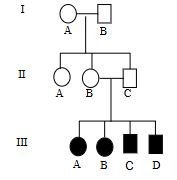
genotype of IIB (bcd gene)
bcd-/bcd- (homozygous recessive)
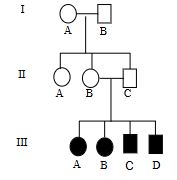
genotype of IIC (bcd gene)
could be homozygous recessive, homozygous dominant, or heterozygous
southern blot
probe = DNA fragments, in vitro
northern blot
probe = RNA fragments, in vitro
western blot
probe = antibodies/proteins, in vitro
PCR and RT-PCR
probe = DNA primers, in vitro
FISH
probe = DNA fragment, in vivo
in situ hybridization
probe = RNA fragment, in vivo
immunofluorescence
probe = antibodies/proteins, in vivo
agarose gel electrophoresis
used to separate DNA/RNA fragments and proteins based on size and shape
blotting method
sample is separated → molecules are blotted and transferred via capillary action → membrane is hybridized with probe and incubated → autoradiogram used to visualize
main reactions of PCR
denature → anneal → extend
purpose of PCR
amplifying and detecting DNA
reverse transcriptase
uses RNA as a template to synthesize a complementary DNA strand in RT-PCR
two components of reverse-transcription PCR (RT-PCR)
reverse transcriptase and cDNA (complementary DNA)
quantitative real-time PCR (RT-qPCR)
measures the amount of DNA product in “real time” during each PCR cycle
concentration difference between two samples of RT-qPCR
2 to the power of the cycle difference
cycle threshold (CT)
used to measure the amount of DNA in each sample
key steps in generating recombinant DNA molecules
select correct vector → restriction enzyme digestion → ligation of donor DNA and vector DNA → transformation → confirmation
methods to detect which recombinant cells now have plasmid DNA
antibiotic resistance, perform PCR and run a gel, screen for expression of a reporter gene
plasmid vectors
small, easy to work with, high copy number, accept inserts of small sizes (up to 5 kb)
phage vectors
accept inserts up to 15 kb, more steps required to construct the clone, require packaging DNA into the phage (more time-consuming)
fosmid vectors / BAC
accepts inserts of large sizes, less clones are required
essential features of cloning vectors
cloning site, selection marker gene, origin of replication
genomic library
a collection of clones that cover the entire genome of an organism (uses vectors with large insert size)
cDNA library
a collection of clones that represent mRNAs present in the sample (uses plasmid vectors)
structure of 2’,3’-dideoxynucleotides
3’ position does not have a hydroxyl group and cannot form a phosphodiester bond with the next dNTP
how to read a dideoxy sequencing gel
start with the smallest fragment, determine the base pair, and continue up to the largest fragment to determine the sequence of the template strand
reagent that results in chain termination in Sanger sequencing
dideoxynucleotides
strategies for creating site-specific double-stranded breaks
zinc-finger nucleases, TALENs, CRISPR
zinc-finger nucleases
creates a DNA binding domain that only targets specific nucleotides
TALENs (transcription activator-like effector nucleases)
engineers a nuclease that carries a site-specific protein
CRISPR genome engineering
used to selectively change the sequence of the genomic DNA = single guide RNA + Cas9 enzyme
CRISPR-Cas9
a DNA endonuclease from bacteria that functions with CRISPR sequences to provide immunity against pathogens
single-guide RNA (sgRNA)
a small RNA molecule that guides the Cas9 endonuclease to make a double-stranded cut in CRISPR
purpose of donor DNA in CRISPR
helps to repair the double-stranded break
overall purpose of CRISPR-Cas9
helps to restore normal function of a mutated gene, which is useful for treating genetic diseases
reverse genetics
begins with cloned DNA or protein and uses it to introduce mutations back into the genome to investigate its function (genotype → phenotype)
bioinformatics
analysis of the info content of entire genomes
comparative genomics
considers the genomes of closely and distantly related species for evolutionary insight
functional genomics
uses a combination of different approaches to understand the functions of many genes
whole-genome shotgun (WGS)
obtaining the sequence of a genome by assembling and sequencing many short segments of genomic DNA (sequence first, map later)
order-clone sequencing
map first, sequence later
Sanger sequencing
more accurate, takes longer/costs more, longer sequence read, easier to assemble
pyrosequencing
less accurate, more cost-effective, no library needed, shorter sequence read, best for genomes with reference sequences available
techniques used in traditional whole genome shotgun (WGS)
genomic library construction, DNA cloning, Sanger dideoxy DNA sequencing
next-generation WGS does not require this technique
prior construction of genomic libraries in microbial hosts
open reading frame
a stretch of nucleotide sequence that is not interrupted by a stop codon in a given translation reading frame
expressed sequence tag (EST)
partial sequence of cDNA that is used to identify transcript ends
reasons why the human genome has more protein products than protein-coding genes
alternative splicing, post-translational modification
RNA-sequencing (RNA-seq)
a genomic method used to identify all of the genes that are transcribed
two-hybrid test
a method used to detect protein-protein interactions, typically performed in yeast
chromatin immunoprecipitation assay (ChIP)
isolates the DNA and its associated proteins in a specific region of chromatin so that both can be analyzed together
steps of ChIP
cross-link proteins to DNA → break chromatin into small pieces → add antibody to target protein and purify → reverse cross-links to separate DNA and protein → amplify and sequence
methods used in reverse genetics
random mutagenesis, targeted mutagenesis, phenocopying (RNAi pathway)