IPR S2) Scientific Rigour and Mixed Methods Research
 Call Kai
 Learn
Learn Practice Test
 Spaced Repetition
 Match
Match Flashcards
 Knowt Play
1/25

Earn XP
Description and Tags
Flashcards covering the concepts of scientific rigour, qualitative analysis methods, and mixed methods research design as presented in the lecture notes.
Name | Mastery | Learn | Test | Matching | Spaced | Call with Kai | Chat |
|---|
No analytics yet
Send a link to your students to track their progress
26 Terms
Scientific Rigour
The practice of conducting research in a way that is trustworthy and credible by focusing on transparent and well-thought-out methods.

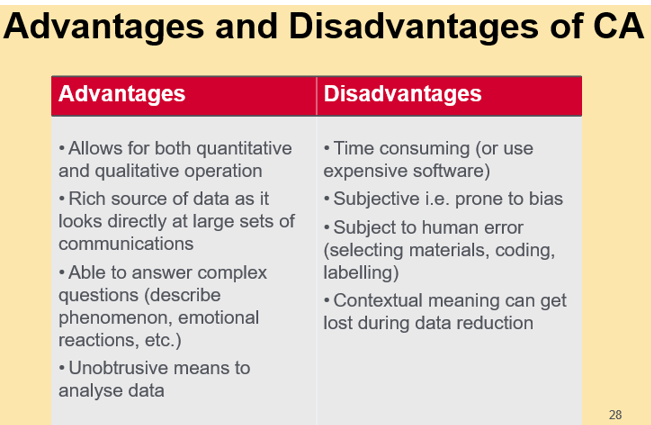
Content analysis
A qualitative data analysis method that involves looking at data and grouping it into categories.
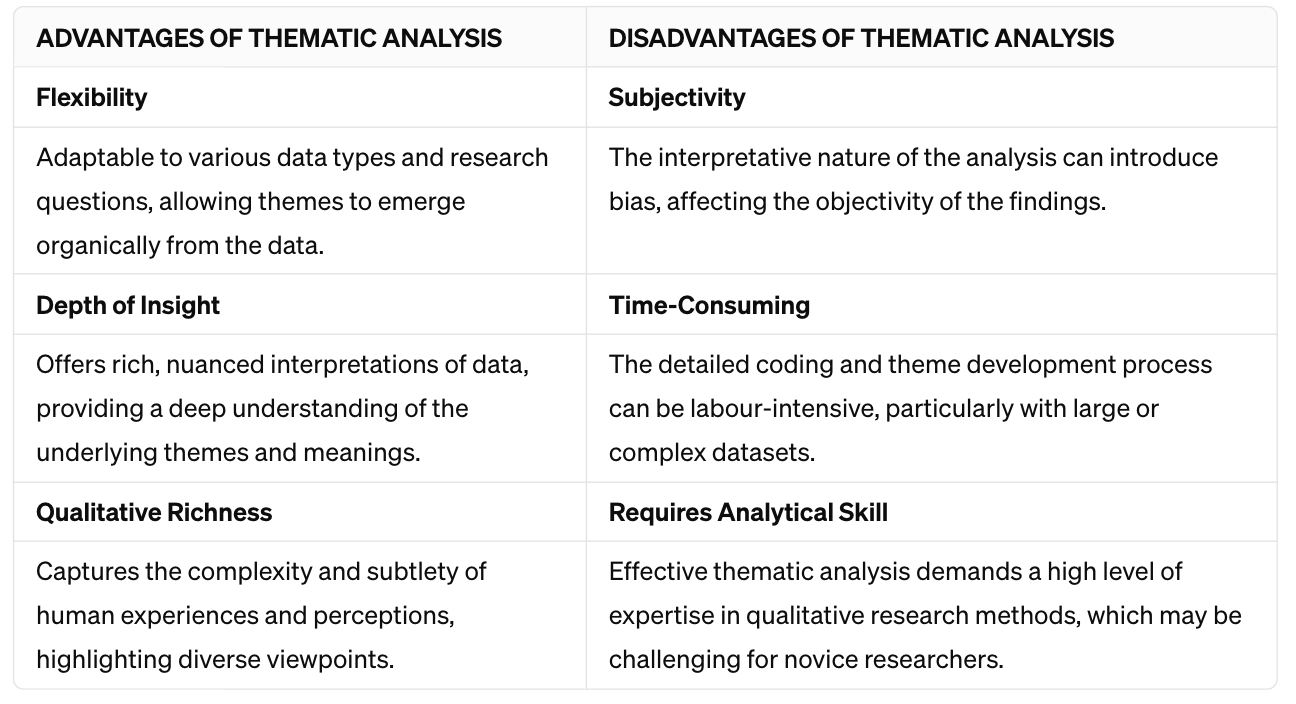
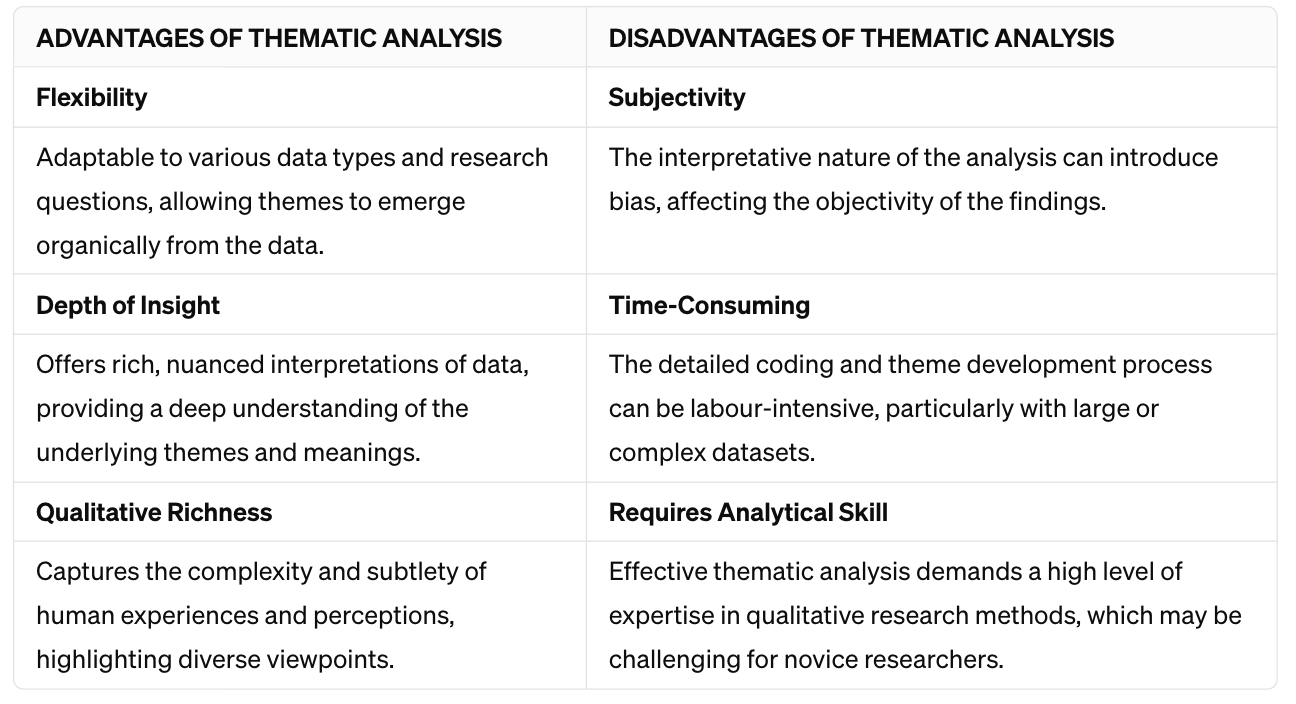
Thematic analysis
A qualitative research method used to identify patterns or themes within data.
Grounded theory
An approach in qualitative research that helps researchers create theories based directly on the collected data.
Discourse analysis
A qualitative method focused on understanding how people use language.
Interpretative Phenomenological Analysis (IPA)
A qualitative research method used specifically to understand people’s lived experiences.

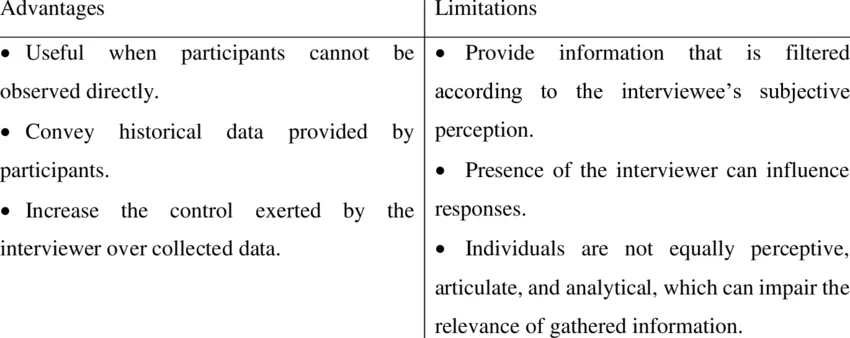
Semi-structured interviews
A data collection method where a schedule is followed to ask similar questions to each person while allowing for in-depth exploration of experiences.
Reflexivity
The researcher's awareness and record of how their own thoughts, feelings, and assumptions might influence the research process.
Coding frameworks
Systematic structures used during data analysis to organize information, which can be pilot tested to increase rigour.
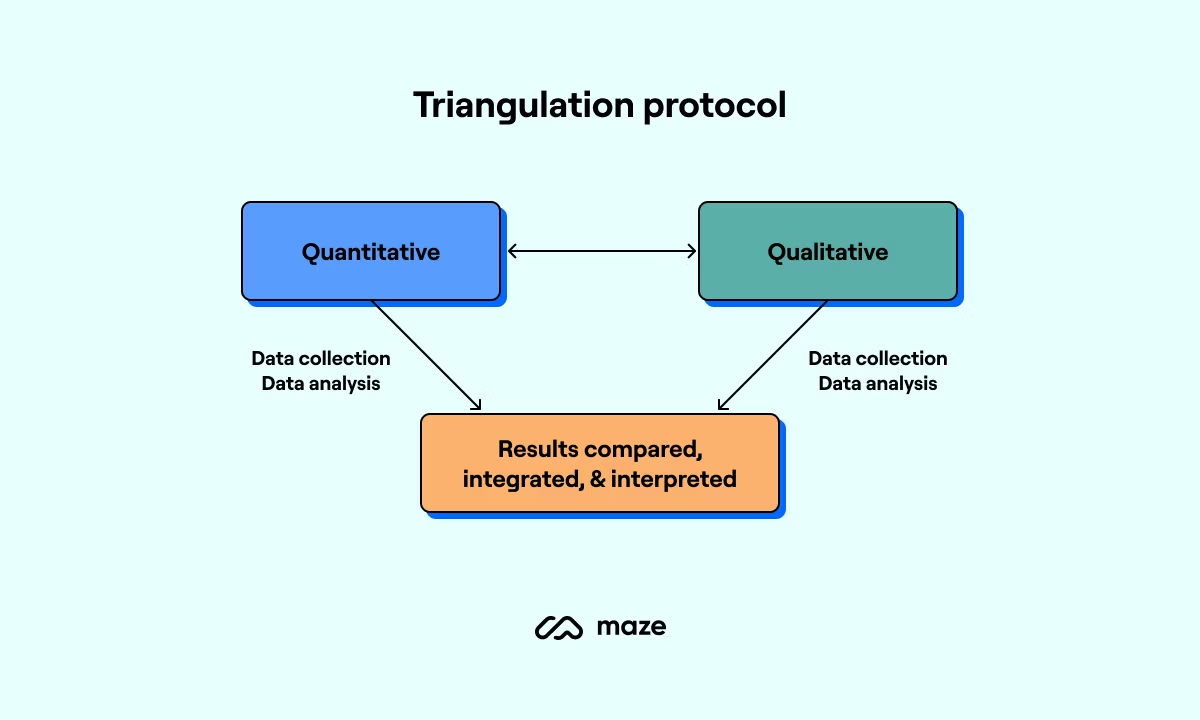
Triangulation
A reason for using mixed methods involves checking if both qualitative and quantitative methods find similar results.
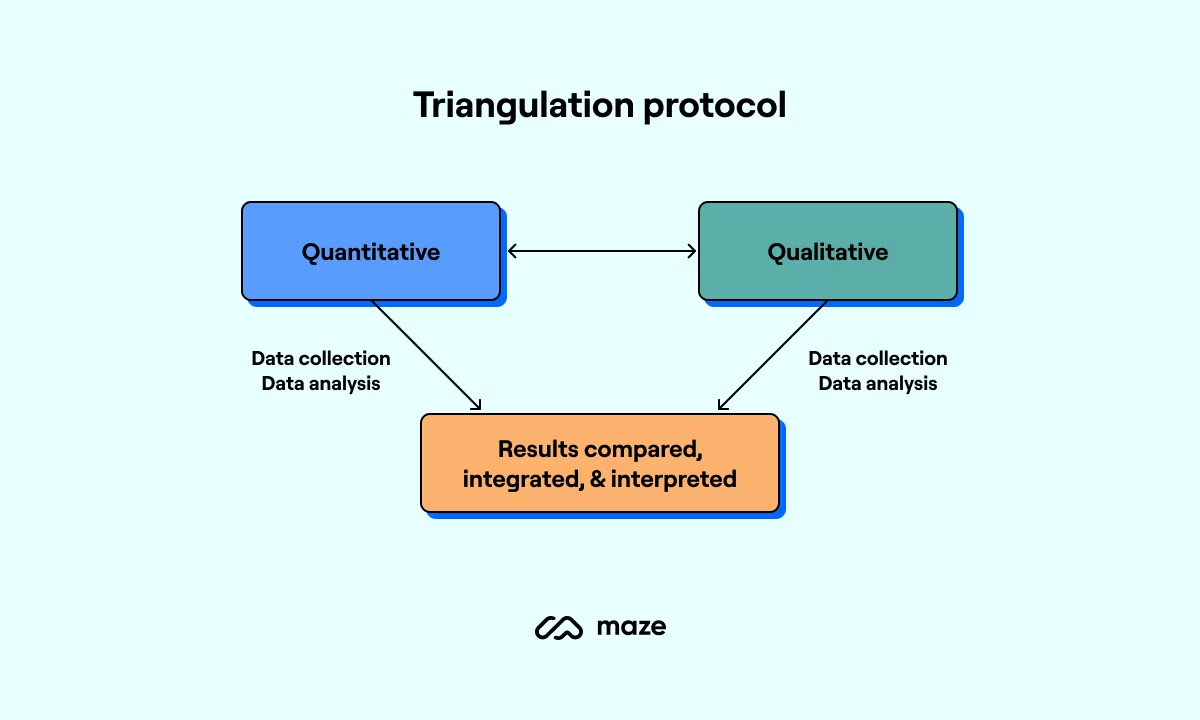
Completeness
A reason for using mixed methods to obtain a fuller, more comprehensive picture of a research topic.
Complementarity
The practice of using mixed methods to balance the strengths and weaknesses of each individual method.
Theory Testing
A mixed methods application where qualitative methods help develop ideas and quantitative methods test those theories statistically.
Instrument development
The process of using interviews and focus groups to create questionnaire items, which are then checked for reliability and validity through quantitative pilot testing.
Intervention evaluation
A mixed methods use where quantitative data shows if a program worked and qualitative data explains the reasons for its success or failure.

Clinical trials
Mixed methods can be used in clinical trials to establish the effectiveness of a treatment by exploring why the treatment did or did not work; qualitative elements can be used to aid initial development of the treatment and to identify appropriate trial participants.

Pragmatism
A philosophical position in mixed methods research that advocates for using whichever methods best answer the research question.
Purism
The belief that qualitative and quantitative methods should not be mixed because they have different assumptions about reality and knowledge.
Transformative framework
A philosophical position suggesting that the primary goal of research should be to promote change.
Mid-point approach
A philosophical stance where methods are combined carefully while explicitly recognising their differences.

Sequential designs
Mixed methods designs where one method happens after another, such as QUANT→qual→QUANT.

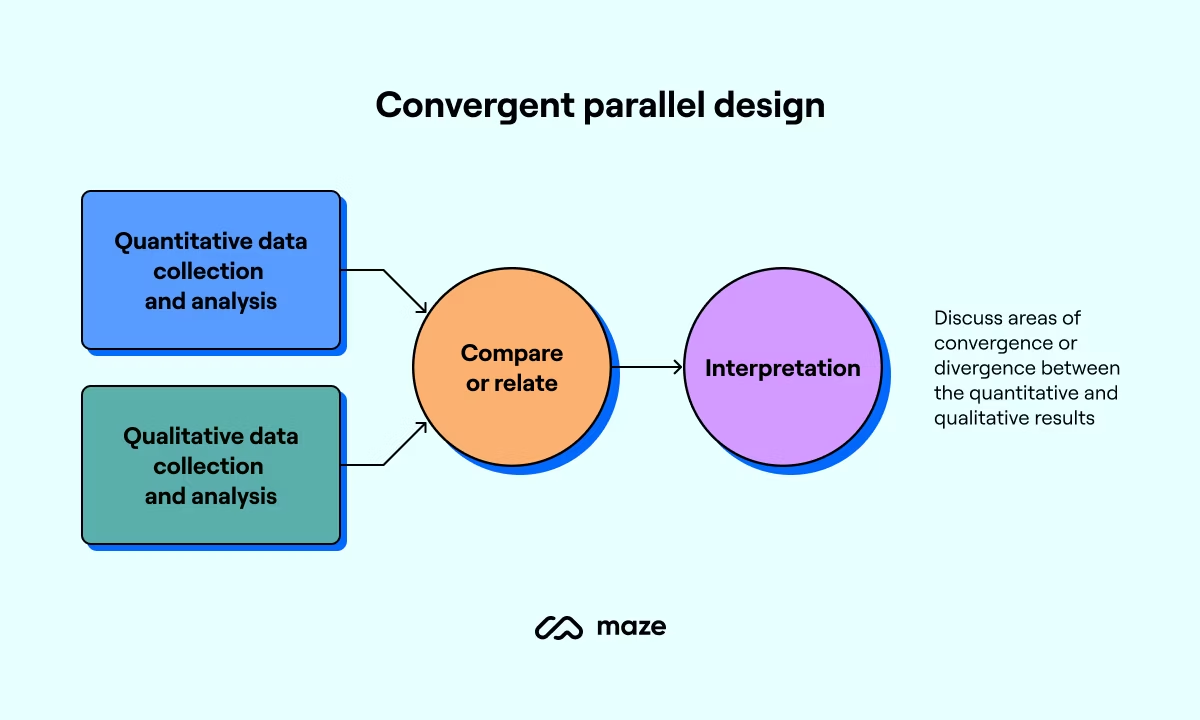
Concomitant/Convergent designs
Mixed methods designs where qualitative and quantitative data are collected simultaneously.


Multiphase designs
Mixed methods research that uses multiple stages and methods over a period of time.

Analytical pluralism
A concept involving the use of different qualitative analysis methods on the same set of data.
Multimethods
The practice of using multiple data collection methods within a single research study.
Mixed methods design
Research that combines qualitative and quantitative approaches to gather and analyse data.